Tiger Eye Jewelry Care: Expert Cleaning & Maintenance Guide
Learn expert tips for cleaning and maintaining tiger eye jewelry. Discover safe washing methods, storage tricks, and how to protect your stones.

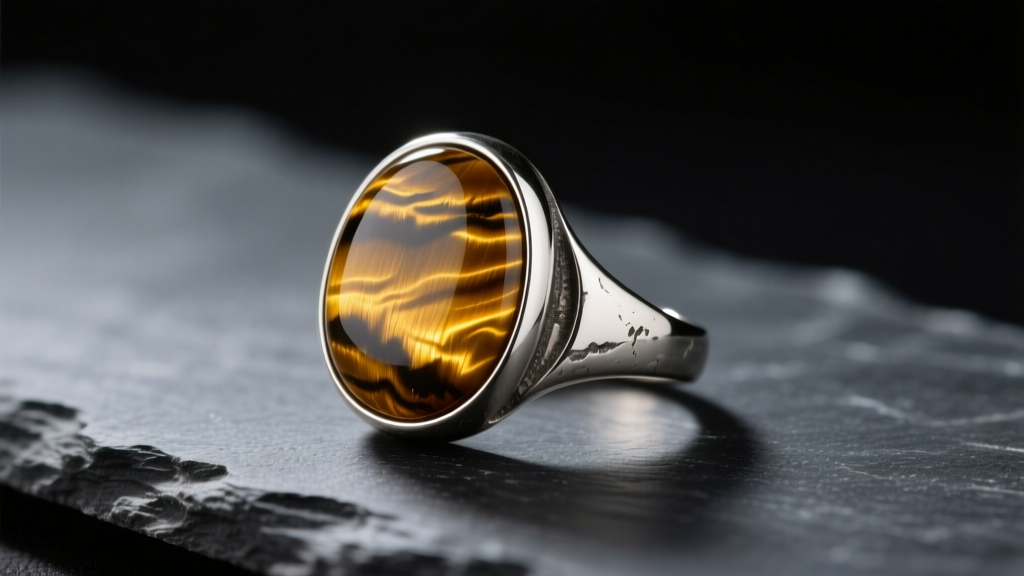
Tiger eye jewelry is celebrated for its mesmerizing chatoyancy—a striking, cat-eye optical phenomenon caused by the reflection of light off parallel fibrous inclusions. Whether set in a heavy sterling silver statement ring or strung as a delicate beaded bracelet, this captivating gemstone requires specific care to maintain its luster and structural integrity. While tiger eye is relatively durable, improper cleaning methods can permanently damage its unique internal architecture or degrade the metal settings holding it in place.
In this comprehensive guide, we break down the mineralogical science of tiger eye, outline a safe step-by-step cleaning protocol, and provide actionable maintenance strategies to ensure your pieces remain vibrant for decades.
The Mineralogy of Tiger's Eye: Understanding Its Vulnerabilities
To properly care for tiger eye jewelry, you must first understand what it is. Tiger eye is a pseudomorph—a mineral that has replaced another mineral while retaining the original's external form. Specifically, it forms when microscopic fibers of crocidolite (a type of asbestos) are gradually replaced by silica (quartz) over millions of years. According to the Mindat mineralogical database, this fibrous quartz structure is what creates the stone's signature golden-brown bands and silky luster.
On the Mohs scale of hardness, tiger eye registers between 6.5 and 7, making it resistant to everyday scratches from dust and common metals. However, its fibrous internal structure introduces a critical vulnerability: cleavage and fracture sensitivity under high-frequency vibrations. This means that while the surface is hard, the internal lattice can splinter or separate if subjected to the wrong type of mechanical stress.
Why Dyed Tiger Eye Requires Extra Caution
It is important to note that much of the "red tiger eye" or "blue tiger eye" (hawk's eye) on the commercial market is heat-treated or dyed to enhance its color. Harsh chemicals, prolonged water exposure, and high heat can strip these artificial dyes, leaving the stone looking washed out and patchy. Always assume your tiger eye jewelry may be treated unless accompanied by a certified gemological lab report stating otherwise.
The Safe Cleaning Protocol for Tiger Eye Jewelry
Forget the ultrasonic machines and steam cleaners. The safest and most effective way to clean tiger eye jewelry is by hand using gentle, pH-neutral solutions. Here is the exact protocol used by professional lapidaries.

Step 1: Gather Your Materials
- Cleaning Agent: A few drops of pH-neutral, phosphate-free dish soap (e.g., Dawn Free & Clear or Seventh Generation).
- Water: Lukewarm distilled or filtered water. Avoid hard tap water, as mineral deposits can leave a cloudy film on the stone's polish.
- Tools: A brand-new, extra-soft baby toothbrush and a lint-free microfiber cloth.
Step 2: The Washing Process
- Mix the soap into a glass bowl of lukewarm water until it forms a light lather.
- Submerge your tiger eye jewelry for no more than 3 to 5 minutes. Prolonged soaking can weaken the epoxy adhesives used in bezel settings and degrade the silk or elastic threads used in beaded bracelets.
- Using the soft baby toothbrush, gently sweep across the surface of the stone and the metal setting. Always brush in the direction of the metal's grain or the stone's polish lines to avoid micro-scratches.
- Pay special attention to the back of the cabochon or the areas where the stone meets the prongs, as skin oils and lotions accumulate heavily here.
Step 3: Rinsing and Drying
Rinse the piece under a gentle stream of lukewarm water. Immediately pat it dry with the microfiber cloth. Do not let the jewelry air dry, as water spots will form on both the quartz surface and the metal setting. For beaded bracelets, use a cotton swab to carefully dry the areas around the drill holes where moisture tends to hide.
Chemical and Environmental Hazards: What to Avoid
The Gemological Institute of America (GIA) notes that while quartz is generally stable, the specific inclusions and treatments in tiger eye make it sensitive to certain environments. Use the table below as a quick-reference guide for your daily wear and cleaning routines.
| Cleaning Method / Substance | Safety Rating | Impact on Tiger Eye Jewelry |
|---|---|---|
| Ultrasonic Cleaners | ❌ Never Use | High-frequency cavitation bubbles can shatter the fibrous crocidolite inclusions and loosen glue in settings. |
| Steam Cleaners | ❌ Never Use | Sudden thermal shock can cause internal fracturing; heat can melt adhesives and alter dyed stones. |
| Bleach / Chlorine | ❌ Never Use | Causes severe pitting and corrosion to sterling silver and copper settings; degrades stone polish. |
| Salt Water / Ocean Water | ⚠️ Avoid | Salt crystals can lodge in micro-fissures and metal crevices, leading to long-term corrosive damage. |
| Mild Soap & Lukewarm Water | ✅ Safe | The industry-standard method for safely removing sebum, dust, and cosmetic buildup. |
| Isopropyl Alcohol (70%) | ✅ Safe (Metals Only) | Safe for wiping down the metal setting, but avoid prolonged contact with the stone to protect wax polish coatings. |
Metal Setting Considerations
Tiger eye is most frequently paired with sterling silver, copper, brass, or gold. The care of your jewelry must account for the metal as much as the stone.
- Sterling Silver (.925): Tiger eye's warm brown and gold tones contrast beautifully with oxidized silver. However, silver tarnishes when exposed to sulfur and moisture. After cleaning your tiger eye, use a dedicated silver polishing cloth on the metal parts only. Never use liquid silver dips, as they can strip the intentional oxidation (antiquing) that gives the piece its depth.
- Copper and Brass: These metals develop a natural patina over time. If you prefer the bright, polished look, you can use a mild acidic solution (like lemon juice and salt) on a Q-tip to clean the metal, but keep it strictly away from the tiger eye stone, as acids will etch the quartz polish.
- Gold Vermeil / Plated: If your tiger eye is set in gold-plated brass, avoid brushing the metal entirely. Use only a damp microfiber cloth to wipe the setting, as bristles will eventually wear through the thin gold layer.
Storing, Charging, and Long-Term Maintenance
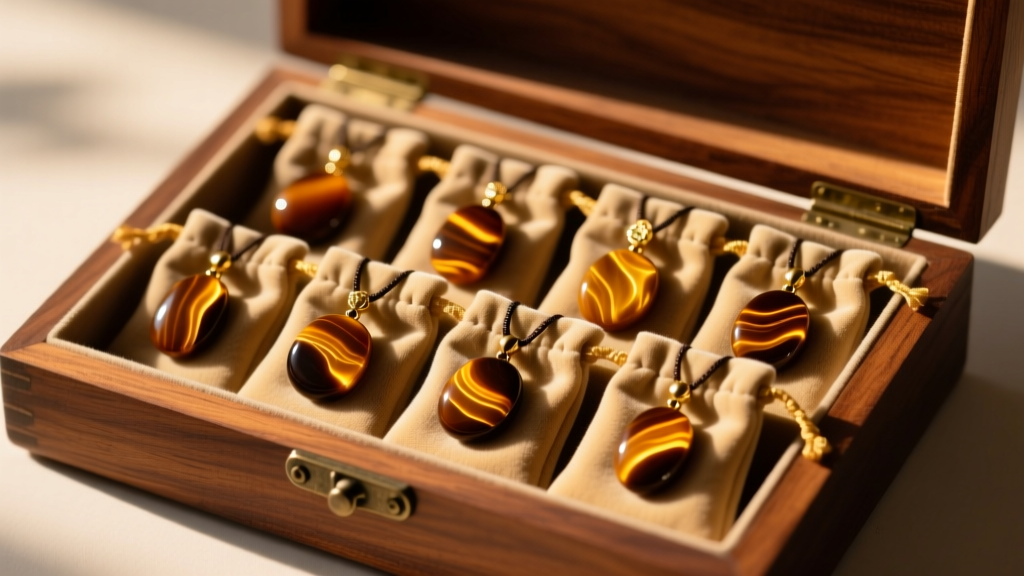
Proper Storage Techniques
Despite its 7.0 Mohs hardness, tiger eye can be scratched by harder gemstones like diamonds, sapphires, and topaz. Conversely, its hard quartz surface can easily scratch softer stones like turquoise, malachite, or pearl. Always store your tiger eye jewelry in individual soft flannel or velvet pouches. If using a multi-compartment jewelry box, ensure the pieces do not shift and collide during travel.
Sunlight and Heat Exposure
There is a common myth in the crystal community that leaving tiger eye in direct sunlight will cause it to fade. Natural, untreated tiger eye is completely colorfast and will not fade in the sun. However, the heat generated by prolonged direct sunlight can be detrimental. Extreme heat can dry out the natural oils used in some lapidary polishing processes, leading to a dull appearance, and can warp the elastic cords used in beaded bracelets.
Metaphysical Care and Cleansing
For those who wear tiger eye for its metaphysical properties—often associated with grounding, courage, and protection—regular energetic cleansing is a common practice. Safe methods include:
- Smudging: Passing the jewelry through the smoke of palo santo, sage, or cedar.
- Selenite Plates: Resting the jewelry on a selenite charging plate overnight.
- Moonlight: Leaving the piece on a windowsill during a full moon.
Note: Avoid burying your tiger eye jewelry in soil or salt for energetic cleansing. Soil contains abrasive silica particles that can micro-scratch the polish, and salt is highly corrosive to the metal settings.
Troubleshooting Common Tiger Eye Issues
Issue: The Stone Looks Dull and Cloudy
Diagnosis: Over time, the factory-applied carnauba wax or synthetic polish used to give the cabochon its final mirror-like shine can wear off due to friction against clothing and exposure to skin acids.
Solution: You cannot fix this with household cleaners. Take the piece to a professional jeweler or lapidary. They can apply a fresh coat of cerium oxide or diamond paste on a felt buffing wheel to restore the optical chatoyancy in minutes. This typically costs between $15 and $30.
Issue: Fraying or Stretching on Beaded Bracelets
Diagnosis: Tiger eye beads are heavy. If strung on cheap elastic cord, the weight of the stones will cause the cord to stretch and eventually snap.
Solution: When purchasing or restringing, insist on a high-quality, multi-strand elastic like Stretch Magic (0.8mm or 1.0mm gauge) or, ideally, a professional knotting job using Griffin silk cord with a sterling silver clasp. Check the cord tension every six months by gently pulling the beads apart; if you see the white core of the elastic or excessive gaps, restring it immediately to prevent catastrophic failure.
Issue: Loose Stone in a Prong or Bezel Setting
Diagnosis: Impacts or snagging on clothing can lift the metal bezel wall away from the stone's edge.
Solution: Stop wearing the piece immediately. Do not attempt to push the metal back down yourself with household pliers, as you risk chipping the edge of the quartz. A jeweler can easily re-seat the bezel using a bezel pusher and burnisher for a minimal bench fee.
Final Thoughts
Tiger eye jewelry is a resilient, stunning addition to any collection, provided it is treated with the respect its unique mineral structure demands. By abandoning harsh mechanical cleaners in favor of gentle, mindful washing routines, and by paying close attention to the metal settings and stringing materials, you can ensure your tiger eye pieces retain their striking golden flash for a lifetime.


