The Ultimate 2026 Gift Guide to Opal and Ruby Jewelry
Discover the perfect opal and ruby jewelry for 2026 milestones. Compare durability, pricing, and occasion matching for birthdays and anniversaries.

Why Opal and Ruby Dominate Milestone Gifting in 2026
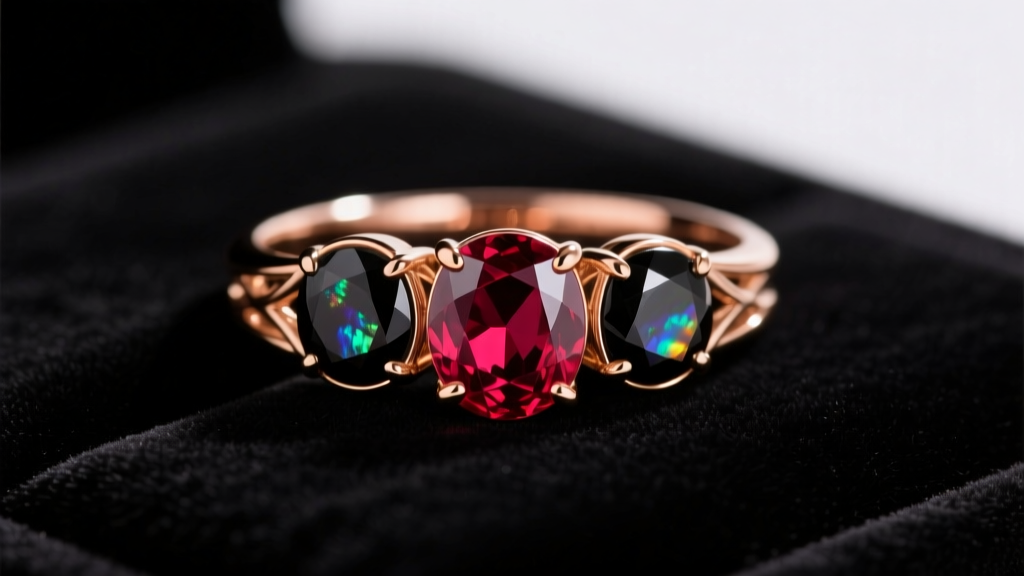
When it comes to marking life's most significant milestones, few gemstones carry the historical weight and visual impact of rubies and opals. While diamonds have long monopolized the engagement market, 2026 has seen a massive shift toward colored gemstones for anniversaries, milestone birthdays, and legacy gifting. The fiery, enduring passion of a ruby contrasts beautifully with the ethereal, shape-shifting play-of-color found in fine opals. Whether you are shopping for a 15th anniversary, an October birthday, or a custom heirloom piece, understanding the gemological nuances of these two stones is critical to making a sound investment.
This guide cuts through the retail fluff to provide a gemologist-level breakdown of opal and ruby jewelry, focusing on origin, treatment, pricing realities, and precise occasion matching.
Ruby Jewelry: The Undisputed King of Anniversaries
Ruby, the red variety of the mineral corundum, is the traditional gift for the 15th and 40th wedding anniversaries. Its exceptional hardness (9 on the Mohs scale) makes it one of the most durable gemstones on earth, second only to diamond. However, not all rubies are created equal, and the price variance based on origin and treatment is staggering.
Grading Rubies for Gifts: Origin and Treatment
If you are gifting a ruby, you must understand the impact of heat treatment. Over 95% of rubies on the market are heat-treated to improve clarity and color saturation. While this is an accepted industry practice, unheated rubies command a massive premium. According to GIA's Ruby Quality Factors, the most coveted color is a vivid, highly saturated red with slight purplish undertones, historically termed "Pigeon Blood."
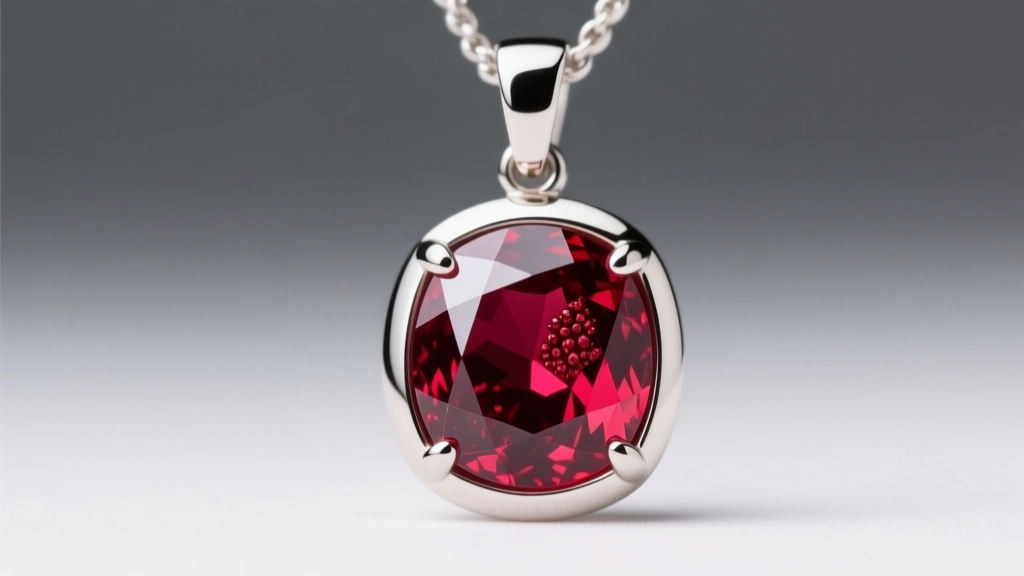
- Burmese Rubies: The historical gold standard. Due to export restrictions and depleted mines, a high-quality 1.5-carat unheated Burmese ruby can easily exceed $50,000 per carat. Best for ultra-high-net-worth legacy gifting.
- Mozambican Rubies: The smart buyer's choice in 2026. Mozambican rubies offer incredible clarity and deep red saturation at a fraction of the cost. Expect to pay between $2,500 and $6,000 per carat for a beautiful, heated 1.5-carat stone.
- Lab-Grown Rubies: Created via the Verneuil or flux-growth processes, these are chemically identical to natural rubies but cost under $500 per carat. Ideal for fashion-forward anniversary bands where size matters more than natural origin.
Opal Jewelry: The Ethereal Choice for October Birthdays
Opal is the designated birthstone for October and the traditional gift for the 14th wedding anniversary. Unlike crystalline gemstones, opal is composed of hydrated silica, containing anywhere from 3% to 21% water. This unique structure is what causes its famous "play-of-color," but it also dictates strict care requirements.
Navigating Opal Varieties and Stability
Gifting opal requires a deep understanding of its origin, as stability varies wildly. The GIA Opal Care Guide emphasizes that certain opals require specific environmental controls to prevent crazing (cracking).
- Australian Black Opal (Lightning Ridge): The most valuable and stable opal. Its dark body tone makes the neon flashes of green, blue, and red pop dramatically. Non-porous and highly durable for cabochon rings. Pricing ranges from $1,500 to $10,000+ per carat for top gem-grade.
- Ethiopian Welo Opal: Famous for its intense, fiery flashes and lower price point ($100-$500 per carat). However, Welo opals are hydrophane, meaning they absorb water. If the wearer swims or washes dishes frequently, the stone will temporarily lose its color and risks cracking upon rapid drying. Best gifted as pendants or earrings, not daily-wear rings.
- Australian Boulder Opal: Formed within ironstone matrix, these opals are incredibly stable and feature a beautiful, rustic contrast between the dark host rock and bright color seams. An excellent, durable choice for custom bezel-set rings.
Head-to-Head Comparison: Ruby vs. Opal
When deciding between these two powerhouse gemstones for a specific recipient, use this decision matrix to align the stone's properties with the wearer's lifestyle.
| Feature | Natural Ruby | Australian Black Opal |
|---|---|---|
| Mohs Hardness | 9 (Excellent for daily wear) | 5.5 - 6.5 (Requires protective settings) |
| Cleavage / Fracture | No cleavage, but can chip | Conchoidal fracture, prone to chipping |
| Best Setting | Prong, Bezel, Pavé | Bezel, Cabochon, Halo |
| Primary Milestone | 15th & 40th Anniversaries | 14th Anniversary, October Birthdays |
| Maintenance | Ultrasonic cleaners generally safe | Warm soapy water only, never ultrasonic |
| Price (1.5ct avg) | $3,500 - $15,000+ | $2,000 - $12,000 |
The Bold Move: Gifting Combined Opal and Ruby Jewelry
For the collector who already has everything, commissioning a custom piece that marries the deep crimson of ruby with the electric flashes of black opal is the ultimate 2026 flex. However, combining these stones requires expert metallurgical and design planning.
Design and Metal Pairings
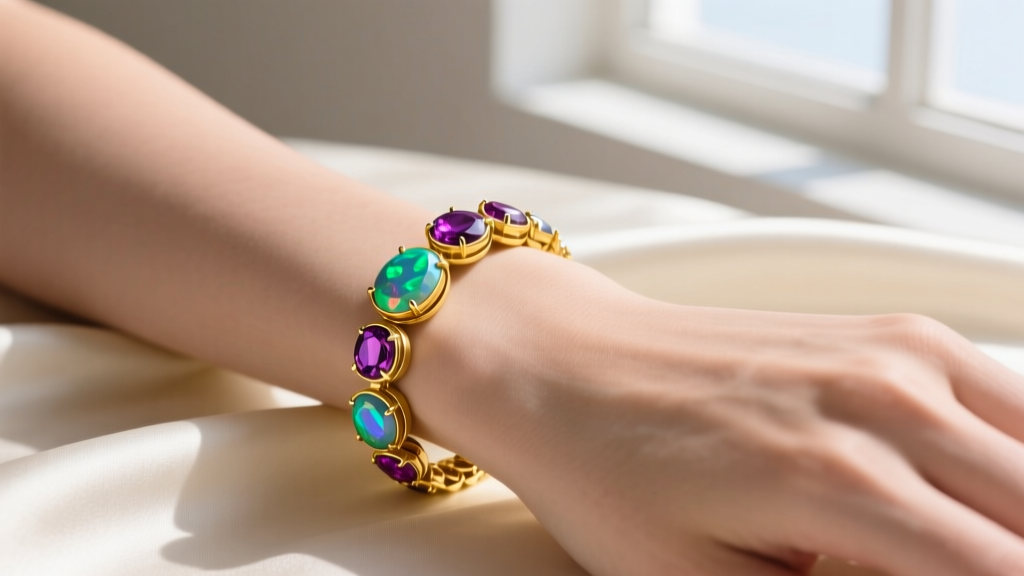
Because ruby is highly refractive and opal is largely amorphous, they interact with light differently. To bridge this gap, 18k yellow gold is the superior metal choice. Yellow gold warms the cool, neon flashes of the opal while harmonizing with the natural warmth of a pigeon blood ruby. Avoid platinum or white gold for combined pieces, as the cool metal can wash out the opal's fire and make the ruby appear overly purplish.
From a structural standpoint, a master jeweler will use prong settings for the rubies to maximize light return from all angles, while utilizing low-profile bezel settings for the opals. Opals should never be set with high prongs, as the exposed edges of the cabochon are highly susceptible to chipping against doorframes and desks.
Expert Sourcing and Authentication Tips
Never purchase high-end opal or ruby jewelry without third-party gemological verification. The market is flooded with synthetic Verneuil rubies and triplet opals (thin slices of opal glued to a glass backing with a clear quartz cap).
"For rubies over 1 carat, always demand a report from a top-tier laboratory verifying the origin and any thermal enhancements. For opals, the report must confirm the stone is solid and natural, not an assembled doublet or triplet."
When sourcing ruby jewelry, rely on reports from the American Gemological Laboratories (AGL) or GIA. AGL is particularly renowned in the industry for its strict color grading and origin determination for corundum. For opals, ensure the seller provides a certificate detailing the body tone (N1-N9 scale) and transparency, which are the primary drivers of the stone's wholesale valuation.
Final Gifting Advice
If you are gifting a ruby, focus on the cut and saturation; a well-cut, slightly included ruby will outshine a poorly cut, flawless one. If you are gifting an opal, prioritize the brightness and pattern of the play-of-color over the base body color. By matching the gemological reality to the recipient's lifestyle, your 2026 gift will not only dazzle but endure for generations.


