The 2026 Royston Turquoise Jewelry Gift & Occasion Guide
Discover the perfect Royston turquoise jewelry for every milestone. Our 2026 gift guide covers matrix grades, pricing, and occasion matching.

The Allure of Nevada's Royston District
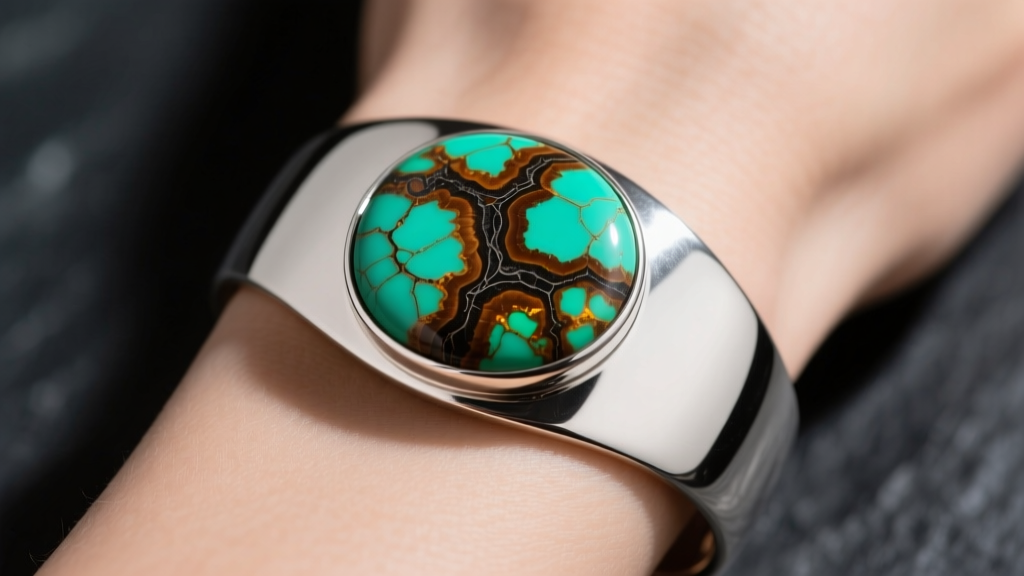
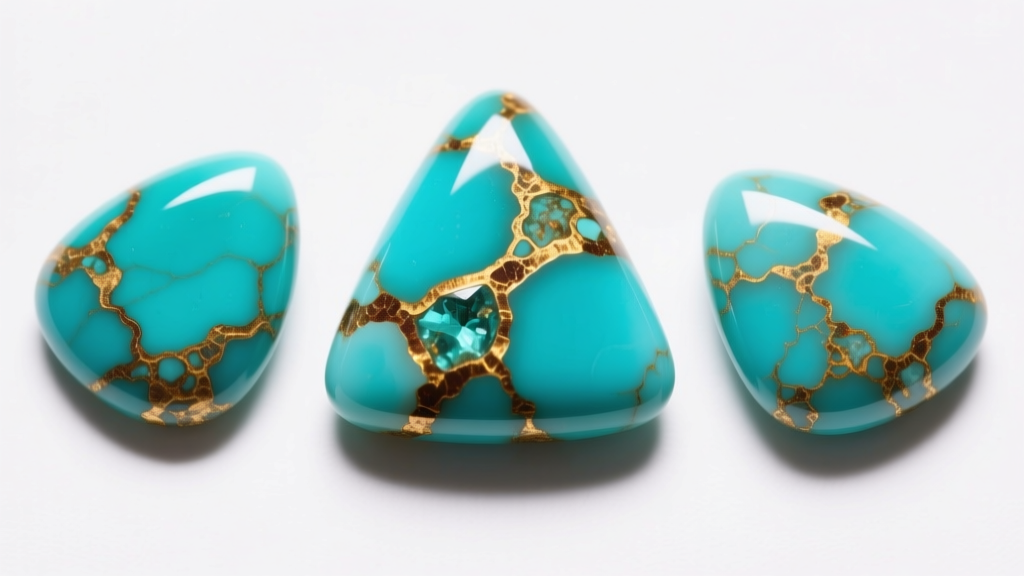
When selecting a gemstone gift that carries both geological rarity and profound cultural significance, few stones rival the striking beauty of Royston turquoise. Mined in the Royston district near Tonopah in Nye County, Nevada, this specific turquoise is celebrated globally for its deep, saturated greens and vibrant sky blues, all laced with a heavy, rich golden-brown limonite matrix. Unlike the black spiderweb matrix found in Kingman turquoise or the completely clear, matrix-free stones of the now-closed Sleeping Beauty mine, Royston stones offer a bold, earthy contrast that makes every single cabochon a unique work of art.
For jewelry collectors and gift-givers in 2026, Royston turquoise represents a premium tier of Native American and artisan jewelry. Because the Royston district comprises several individual claims—including the famous Bunker Hill and Easter Blue mines—the color palette and matrix density can vary wildly. This guide will help you navigate the nuances of grading, pricing, and occasion-matching to ensure your gift is both deeply personal and structurally enduring.
Why Royston Turquoise Makes an Unforgettable Gift
Turquoise is universally recognized as the traditional gemstone for the 11th wedding anniversary. However, gifting a mass-produced, heavily stabilized, or dyed howlite piece can inadvertently send the wrong message. Gifting natural, high-grade Royston turquoise communicates a deep appreciation for artisanal craftsmanship and natural rarity.
"A high-grade Royston cabochon doesn't just sit on the skin; it commands attention. The limonite webbing looks like topographical maps of the Nevada desert itself, making it a favorite among master silversmiths who want the stone to dictate the design of the silverwork."
Matching Royston Pieces to Specific Occasions
Selecting the right cut, setting, and matrix style is crucial for matching the jewelry to the recipient's lifestyle and the milestone being celebrated. Use the framework below to align your purchase with the occasion.
| Occasion | Recommended Piece | Matrix & Color Preference | 2026 Budget Range |
|---|---|---|---|
| 11th Wedding Anniversary | Heavy Sterling Silver Cuff | Deep green with bold, contrasting brown webbing | $800 - $2,500+ |
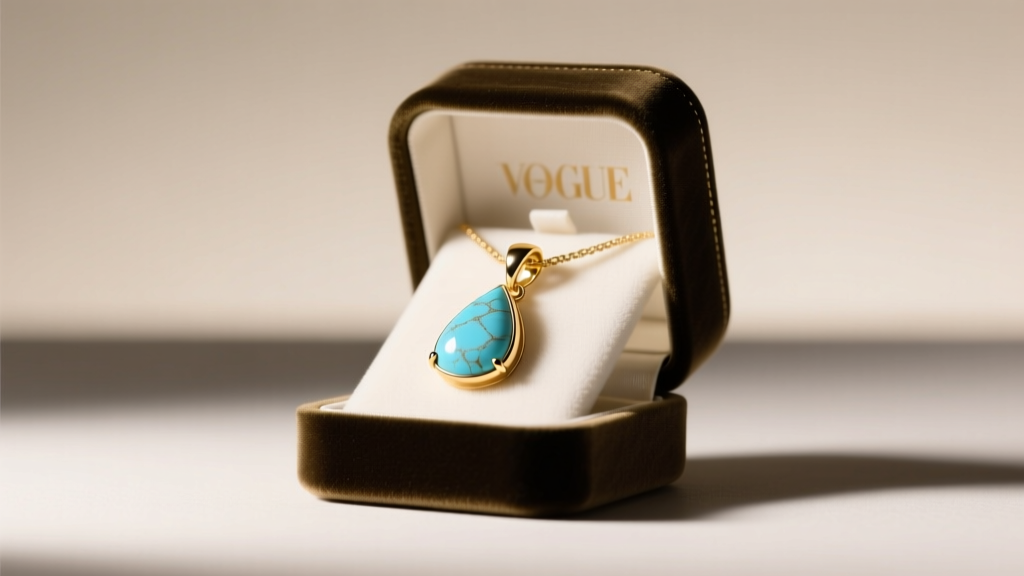
| College Graduation | Delicate 14k Gold Pendant | Light sky blue with minimal, subtle matrix | $250 - $600 |
| Milestone Birthday (30/40) | Statement Cocktail Ring | Vibrant blue-green with heavy golden limonite | $400 - $1,200 |
| Holiday / Stocking Stuffer | Simple Beaded Stretch Bracelet | Mixed colors, rustic and irregular matrix | $80 - $150 |
Grading, Stabilization, and 2026 Pricing
Understanding the gemological reality of turquoise is vital before making a high-ticket purchase. According to the Gemological Institute of America (GIA), turquoise generally ranges from 5 to 6 on the Mohs hardness scale. However, the porous nature of the stone means that up to 90% of the turquoise on the commercial market undergoes some form of stabilization.
The Tiers of Royston Turquoise
- Gem Grade (Natural): Accounting for less than 10% of the yield from the Royston district, these stones are naturally hard, dense, and take a brilliant mirror polish without any chemical enhancement. Expect to pay $50 to $125+ per carat for loose, top-tier cabochons, translating to finished jewelry prices well over $1,000.
- Stabilized Grade: Stones that have beautiful color but are too chalky or porous to cut safely are treated with a clear epoxy or polymer resin under pressure. This hardens the stone and locks in the color. This is standard industry practice and yields beautiful, durable jewelry in the $200 to $600 range.
- Zachery Treated: A specialized, non-polymer treatment that enhances the stone's ability to take a polish and slightly deepens the color without adding plastics. Highly respected among collectors.
- Block / Dyed (Avoid for Gifts): Reconstituted turquoise dust mixed with epoxy and dye, or dyed magnesite/howlite. These lack the energetic and geological value of true Royston stones and should be avoided for meaningful milestone gifts.
Authenticity and Sourcing Native American Artistry
Royston turquoise is a staple in authentic Native American jewelry, particularly among Navajo and Zuni artisans who have historically sourced the stone for its workability and striking visual contrast against oxidized sterling silver. When purchasing a high-end Royston piece as a gift, provenance is just as important as the gemology.
To ensure you are purchasing authentic Native American-made jewelry and supporting indigenous economies, always verify the artist's credentials. The Indian Arts and Crafts Board (IACB) provides strict guidelines and resources for verifying that jewelry marketed as "Native American" is genuinely crafted by enrolled members of federally recognized tribes. Reputable galleries will provide a certificate of authenticity detailing the artist's name, tribal affiliation, the specific mine (e.g., Royston/Bunker Hill), and the metal purity (usually .925 Sterling or Coin Silver).
Archival Care Instructions for the Recipient
When gifting Royston turquoise, include a care card. Turquoise is a hydrous phosphate of copper and aluminum, making it highly sensitive to harsh chemicals, extreme heat, and prolonged dehydration. Advise the recipient to follow these strict care protocols:
- No Ultrasonic Cleaners: The high-frequency vibrations and heat can fracture the stone or melt the resins used in stabilized pieces.
- Avoid Chemical Exposure: Perfumes, lotions, and household cleaners can alter the stone's color over time, particularly turning vibrant blues into a dull green. Always put turquoise jewelry on *after* applying cosmetics.
- Gentle Wiping: Clean the piece only with a soft, slightly damp microfiber cloth, then dry immediately.
- Wear It Often: Interestingly, natural turquoise benefits from the skin's natural oils, which help maintain its luster and prevent it from drying out and cracking over decades of wear.
By selecting a genuine, well-sourced piece of Royston turquoise jewelry, you are not just giving an accessory; you are gifting a wearable piece of American geological history that will easily outlast the occasion it was bought to celebrate.


