Spiny Oyster Jewelry Value Guide: Pricing & Buyer Tips
Discover the true market value of spiny oyster jewelry. Our pricing guide covers color grades, fake detection, and Native American inlay costs.

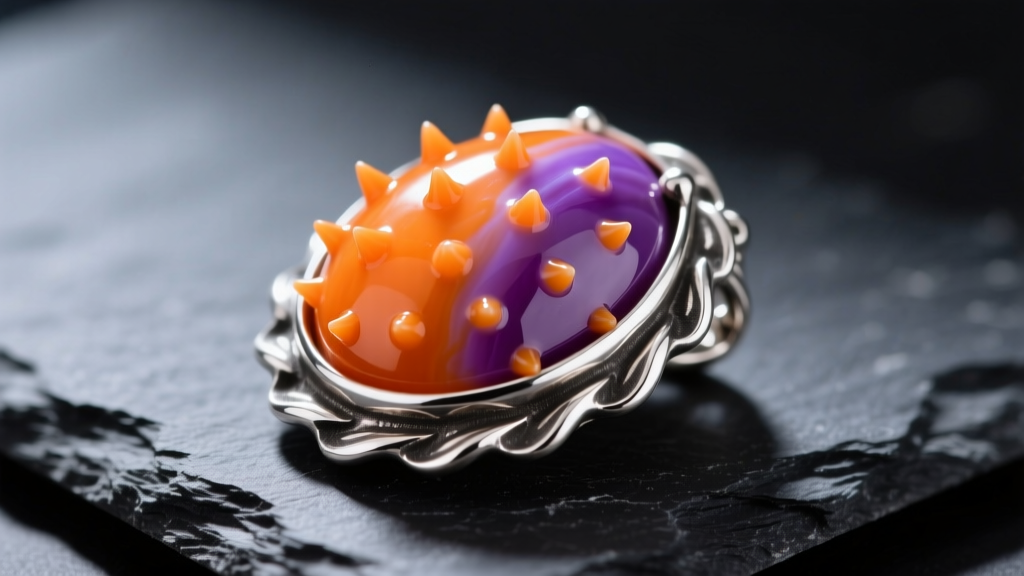
The True Market Value of Spiny Oyster Shell
When evaluating organic gem materials, few command the immediate visual impact of spiny oyster shell. Scientifically known as Spondylus, this vibrant marine material has been prized for centuries, particularly in Southwestern and Native American jewelry traditions. However, as demand has surged into mainstream fashion markets, the pricing landscape has become increasingly fragmented. For buyers navigating the market in 2026, understanding the true value of spiny oyster jewelry requires looking past the bright colors and examining the species origin, matrix quality, and lapidary craftsmanship.
Unlike mined gemstones such as turquoise or emerald, spiny oyster is a biogenic gem. Its value is not dictated by carat weight, but rather by the intensity of its natural hue, the thickness of the usable shell layer, and the artistry of the setting. Mass-produced bead strands flooded the market over the last decade, artificially depressing the perceived value of the material. Conversely, high-end artisan pieces utilizing rare purple and deep red specimens have seen steady appreciation. To build a collection that retains its value, buyers must learn to distinguish between commercial-grade shell and gem-grade cabochons.
Color Grading and Price Multipliers
The most critical factor in determining the budget and value of spiny oyster jewelry is color. The shell naturally occurs in a spectrum of warm tones, but the rarity of these tones varies drastically based on the specific Spondylus species and the depth at which the mollusk was harvested. Orange is the most abundant, while deep purple and crimson red are exceptionally rare and command premium pricing.
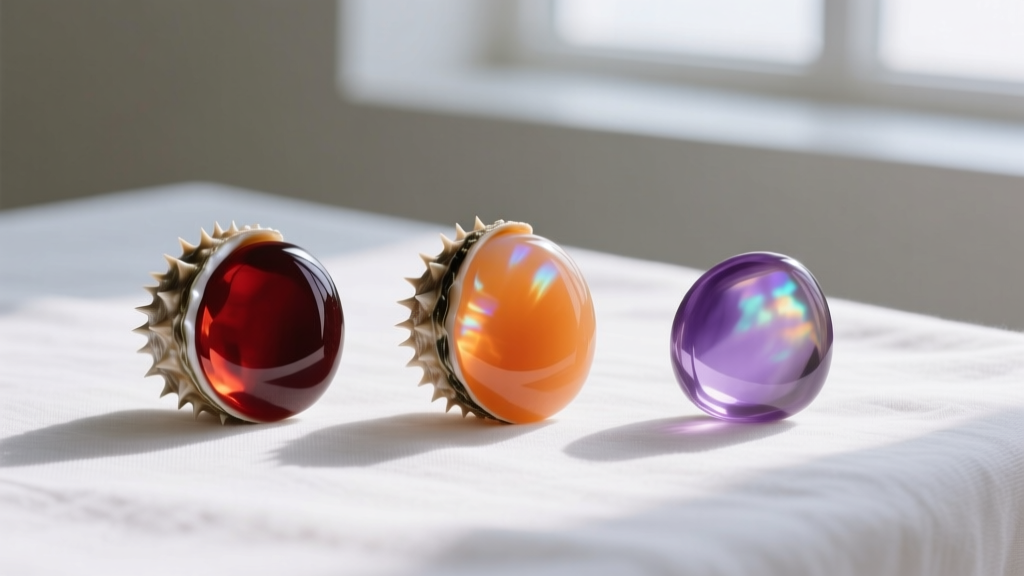
When assessing a piece, gemologists and expert lapidaries look for color saturation and the presence of the natural chalky white or black matrix. While some collectors appreciate the matrix for its organic authenticity, premium cabochons are typically cut to maximize pure, unblemished color. Below is a breakdown of the current market pricing based on color grades for standard sterling silver settings.
| Color Grade | Species / Origin | Rarity | Estimated Price Range (Silver Pendant) |
|---|---|---|---|
| Bright Orange | Spondylus regius (Baja) | Common | $85 – $180 |
| Sunset Red / Cherry | Spondylus crassiquama | Moderate | $180 – $350 |
| Deep Crimson / Blood Red | Spondylus crassiquama | Rare | $350 – $650 |
| Royal Purple / Violet | Spondylus crassiquama (Deep water) | Exceptional | $600 – $1,200+ |
If you are shopping on a strict budget, orange spiny oyster provides the most accessible entry point. However, if you are viewing the purchase as an investment or a statement piece, allocating your budget toward purple or deep red specimens will yield a much higher long-term value retention.
Evaluating Craftsmanship: Inlay vs. Beadwork
The lapidary technique used to fashion the shell drastically alters the final price tag. Spiny oyster shell is relatively thin and brittle, with a Mohs hardness rating of only 3.5 to 4.0. Because of this, working with the material requires specialized skills to prevent fracturing during the cutting and polishing phases.
Commercial Beadwork and Heishi
Spiny oyster beads, often sold in multi-strand necklaces or simple bracelets, represent the lowest tier of the market. These are typically cut from the thinner, more abundant edges of the shell. While beautiful, they hold little resale value. Expect to pay between $40 and $120 for well-polished, natural orange bead strands. Be wary of perfectly uniform, hyper-saturated beads, as these are frequently dyed or stabilized with heavy resins.
Native American Channel and Mosaic Inlay
The highest echelon of spiny oyster jewelry is found in Native American inlay work, particularly from Zuni and Navajo artisans. In channel inlay, thin slivers of the shell are meticulously cut and set into silver channels, separated by delicate metal walls. Mosaic inlay involves fitting irregularly shaped pieces of shell alongside turquoise, jet, and mother-of-pearl to create complex geometric patterns. According to the Indian Arts and Crafts Board, authentic Native American jewelry must be made by enrolled members of federally recognized tribes. Verifying this provenance not only ensures ethical purchasing but also guarantees a baseline of master-level craftsmanship that justifies price points ranging from $800 to over $3,000 for cuff bracelets and squash blossom necklaces.
Spotting Fakes: A Buyer’s Troubleshooting Checklist
As the popularity of Southwestern jewelry has grown, so has the proliferation of imitation spiny oyster. Because the shell is porous and organic, it is easily mimicked by cheaper materials. When conducting a budget assessment, you must first verify that you are actually looking at genuine shell.
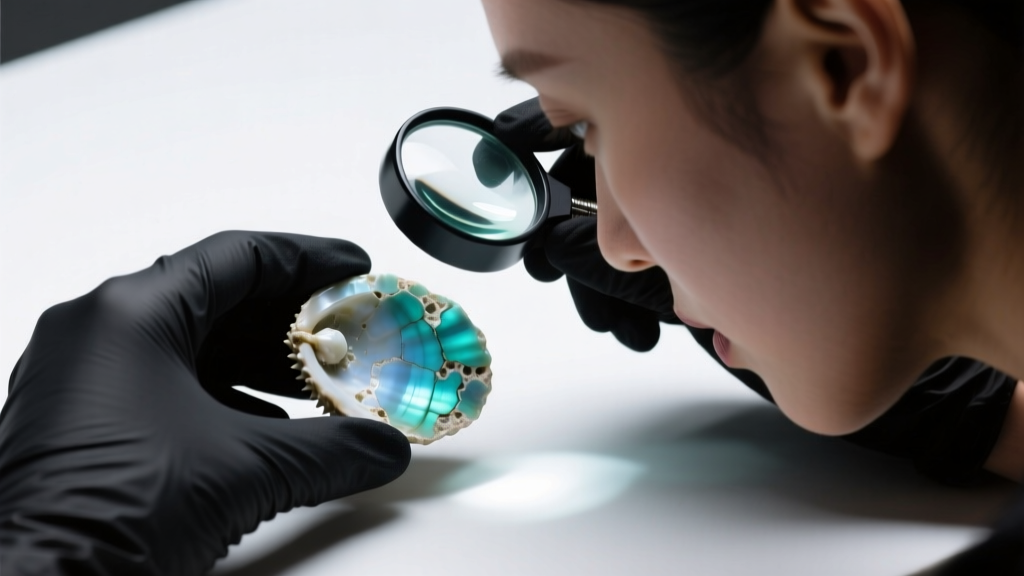
Here are the most common substitutes and how to identify them:
- Dyed Howlite or Magnesite: This is the most common fake. Block howlite is dyed with iron oxide or synthetic red dyes to mimic the shell. The Tell: Examine the stone under a 10x jeweler's loupe. Dyed howlite will show dye concentration in the natural grey veining of the stone, which looks entirely different from the natural chalky white matrix of a real spiny oyster. Furthermore, howlite is heavier and colder to the touch than organic shell.
- Dyed Freshwater Shell: Manufacturers will sometimes take cheap, white freshwater mussel shell and dye it orange or red. The Tell: Genuine spiny oyster has a distinct, slightly porous texture on its unpolished edges, whereas dyed freshwater shell often exhibits a glassy, hyper-polished luster and lacks the deep, complex color banding found in Spondylus.
- Reconstituted Shell Dust: Low-end manufacturers will grind up shell scraps, mix them with epoxy resin, and press them into molds. The Tell: Reconstituted pieces look like plastic. They lack the natural crystalline structure of the shell and will often emit a chemical odor if rubbed vigorously or exposed to mild heat.
For definitive verification on high-value pieces, consult a certified gemologist. The Gemological Institute of America (GIA) notes that organic gem materials require specific gravity and microscopic structural analysis to definitively separate natural shell from advanced synthetic composites.
Investment vs. Everyday Wear: Budgeting Your Purchase
When deciding how much to spend, you must align your budget with your intended use case. Spiny oyster is not a 'wear it in the shower' gemstone. Its low hardness and sensitivity to acids mean it requires mindful wear.
If you are buying for everyday, casual wear, a budget of $100 to $250 is ideal. At this price point, look for bezel-set orange or red cabochons in sturdy sterling silver. The bezel setting is crucial, as it protects the fragile edges of the shell from chipping against hard surfaces. Avoid prong settings entirely, as the pressure can crack the shell, and the exposed edges will inevitably degrade over time.
If you are buying as an investment or heirloom piece, allocate a budget of $800 or more. Focus your search on documented Native American artisans utilizing rare purple Spondylus. Ensure the piece comes with a certificate of authenticity and a detailed receipt noting the specific artist and tribe. These pieces do not just hold their value; they often appreciate as the availability of deep-water purple shell continues to decline due to environmental protections and over-harvesting regulations in the Sea of Cortez.
Care Protocols to Protect Your Investment
To ensure the financial and aesthetic value of your spiny oyster jewelry endures, strict care protocols are mandatory. The shell is composed primarily of calcium carbonate, making it highly reactive to common household chemicals.
- Avoid Acids and Chemicals: Never expose the jewelry to vinegar, citrus juices, hairspray, or perfume. Acids will literally dissolve the surface of the shell, leaving it dull and pitted.
- Ultrasonic Cleaners are Forbidden: The high-frequency vibrations of an ultrasonic cleaner will shatter the internal structure of the shell. Never use steam cleaners either, as sudden heat changes cause thermal shock and cracking.
- Proper Cleaning Method: Wipe the shell gently with a soft, dry microfiber cloth after wearing. If it requires deeper cleaning, use a barely damp cloth with pure water, dry it immediately, and occasionally buff the silver setting with a dedicated silver polishing cloth, being careful not to rub the abrasive polish onto the shell itself.
By understanding the nuanced grading of color, the immense value of authentic lapidary craftsmanship, and the specific vulnerabilities of the material, you can confidently navigate the spiny oyster market. Whether you are investing in a master-crafted Zuni inlay bracelet or purchasing a vibrant orange cabochon ring for daily wear, applying these assessment criteria ensures your budget translates into genuine, lasting value.


