10 Karat Gold Jewelry Explained: Durability, Value & Care
Discover if 10 karat gold jewelry is right for you. We break down its durability, tarnish risks, real-world pricing, and everyday wear tips.

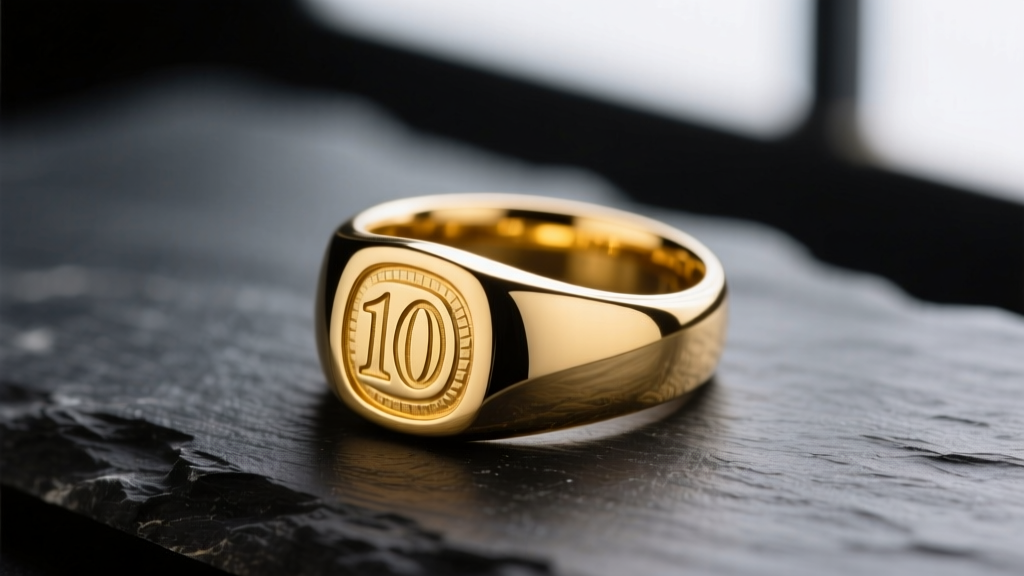
When you begin exploring fine jewelry, the sheer volume of terminology can be overwhelming. One of the most common points of confusion for beginners is understanding karatage, specifically when it comes to 10 karat gold jewelry. Often dismissed by luxury purists who swear by 18k or 24k, 10k gold actually serves a highly specific, practical purpose in the jewelry market. It is the unsung hero of everyday wear, offering structural resilience that higher-purity golds simply cannot match.
In this comprehensive guide, we will strip away the marketing fluff and look at the actual metallurgy, real-world pricing, and practical failure modes of 10k gold. Whether you are considering a heavy Cuban link chain, a durable class ring, or everyday hoop earrings, understanding the exact properties of this alloy will help you make an informed, confident purchase.
The Metallurgy of 10k Gold: What Are You Actually Wearing?
To understand 10 karat gold jewelry, you must first understand the karat system. Pure gold is 24 karats. Therefore, 10k gold consists of 10 parts pure gold and 14 parts alloy metals. By percentage, this translates to 41.7% pure gold and 58.3% alloy metals. According to the Federal Trade Commission (FTC) Jewelry Guides, 10k is the minimum karatage that can legally be marketed and stamped as "real gold" in the United States.
But what makes up that remaining 58.3%? The alloy mix dictates the color, strength, and skin-reactivity of the piece:
- Yellow 10k Gold: Typically alloyed with silver, copper, and a touch of zinc. The copper provides a warm undertone, while silver and zinc balance the color and prevent excessive brittleness.
- White 10k Gold: Alloyed with nickel, palladium, or manganese, alongside copper and zinc. It is almost always plated with rhodium to achieve a bright, silvery finish. Warning: If nickel is used in the alloy, it can trigger contact dermatitis in sensitive individuals.
- Rose 10k Gold: Relies heavily on copper (sometimes up to 40% of the total metal weight) to achieve its distinct pinkish-red hue, with a small amount of silver to maintain workability.
Because the majority of the metal is composed of harder base metals, 10k gold is significantly more resistant to scratching, bending, and warping than its 14k or 18k counterparts. This makes it an exceptional choice for jewelry that takes a beating.
10k vs. 14k vs. 18k: The Hardness and Pricing Matrix
To visualize where 10 karat gold jewelry sits in the market, we must compare its physical properties and relative costs against the industry standards. The table below outlines the approximate Vickers Hardness (HV) scale—a standard measure of metal resistance to indentation and scratching—and relative market positioning.
| Karat | Pure Gold % | Vickers Hardness (Approx) | Tarnish Resistance | Relative Retail Price |
|---|---|---|---|---|
| 10k | 41.7% | 135 - 150 HV | Low to Moderate | $ (Budget-Friendly) |
| 14k | 58.3% | 120 - 135 HV | Moderate | $$ (Mid-Range) |
| 18k | 75.0% | 110 - 125 HV | High | $$$ (Premium) |
| 24k | 99.9% | 25 - 40 HV | Very High | $$$$ (Investment) |
As the Gemological Institute of America (GIA) notes, the addition of alloy metals directly increases the tensile strength of the gold. A 10k gold ring shank drawn to 1.8mm thick will withstand significantly more lateral pressure before bending out of round compared to an 18k shank of the exact same dimensions.
The Tarnish Factor: Why 10k Gold Changes Color
The most significant drawback of 10 karat gold jewelry is its susceptibility to tarnish. Pure gold is a noble metal; it does not react with oxygen or sulfur. However, the copper and silver alloys that make up the majority of 10k gold are highly reactive.
When exposed to environmental sulfur, chlorine, or even the natural acids and salts in your sweat, these base metals oxidize. This results in a dull, darkened film on the surface of the jewelry. In white 10k gold, the underlying yellowish-gray alloy can become visible as the rhodium plating wears away, creating a "brassy" appearance.
How to Prevent Oxidation in 10k Alloys
- Avoid Chlorine: Never wear 10k gold in swimming pools or hot tubs. Chlorine causes a chemical reaction known as "stress corrosion cracking," which can permanently weaken the molecular bonds of the alloy, leading to sudden snapping of chains or prongs.
- Manage Cosmetics: Apply lotions, perfumes, and hairsprays before putting on your jewelry. The chemicals in these products accelerate the oxidation of copper and silver.
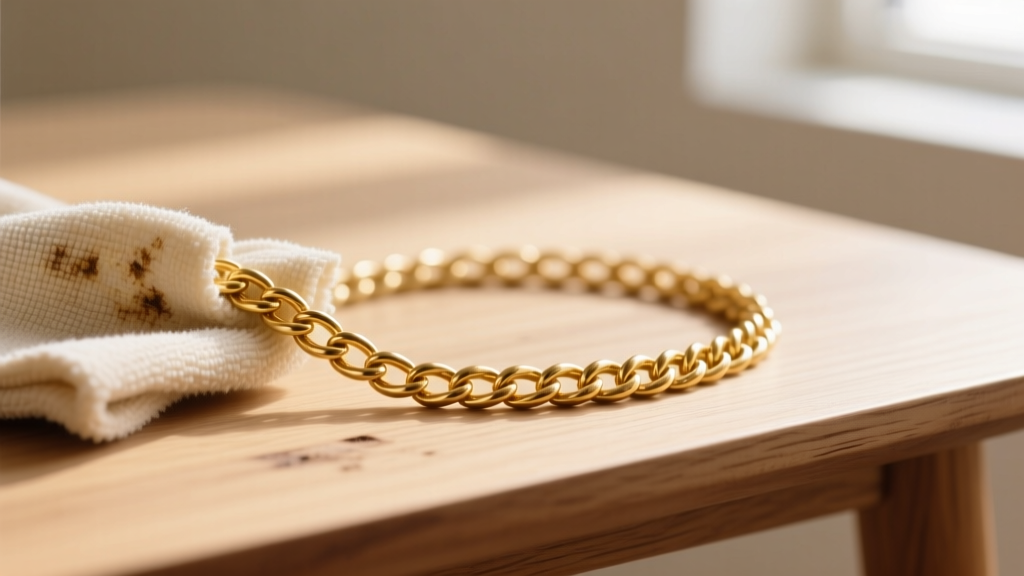
- Wipe Down Daily: A simple 10-second wipe with a dry, lint-free microfiber cloth after wear removes the acidic oils that trigger tarnishing.
Best Use Cases: When to Choose 10k Gold
Because of its unique balance of low cost and high durability, 10k gold is not a "compromise"—it is a strategic choice for specific jewelry categories. Here is where 10 karat gold jewelry truly excels:
- Heavy Chain Necklaces: If you want a thick, 5mm to 8mm Cuban or Figaro chain that you plan to wear daily, 10k gold drastically reduces the upfront cost while providing the tensile strength needed to support the heavy links without stretching.
- Class Rings and Signet Rings: These pieces feature deep, intricate engravings and high-relief crests. 10k gold holds sharp detail edges better over decades of wear than softer 18k gold, which tends to round off at the corners.
- Children’s Jewelry: Kids are tough on jewelry. 10k gold offers an affordable way to gift real gold that can survive playgrounds, sandboxes, and accidental impacts without severe scratching or bending.
- Body Jewelry (Specific Piercings): For healed, non-sensitive piercings like earlobes or cartilage, 10k gold provides a sturdy, budget-friendly option. However, avoid 10k for fresh piercings due to the alloy content.
When to avoid 10k: Do not use 10k gold for heirloom engagement rings, high-value diamond settings (the prongs can become brittle over time if worked too much), or for individuals with known nickel or copper allergies.
Real-World Pricing & Market Value
Understanding the pricing structure of 10 karat gold jewelry requires separating the melt value (the raw gold content) from the retail value (craftsmanship, brand, and design).
For example, if the spot price of pure gold is roughly $65 per gram, the raw gold value in one gram of 10k gold is approximately $27. However, you will rarely buy jewelry at melt value. A standard 10k gold 3mm rope chain weighing 6 grams might retail for $180 to $250. The markup covers the labor of drawing the wire, twisting the rope pattern, soldering the clasp, and the retailer's overhead.
From an investment standpoint, 10k gold has the lowest resale premium. Pawn shops and gold buyers will only pay for the 41.7% gold content, often deducting a 15-20% refining fee. Therefore, buy 10 karat gold jewelry for its utility and aesthetic appeal, not as a financial asset.
Expert Care Routine for 10k Alloys
Maintaining the luster of 10k gold requires a slightly more hands-on approach than higher karats. Follow this expert-approved cleaning protocol to keep your pieces looking factory-new:
- The Soak: Mix warm water with a few drops of mild, phosphate-free dish soap (like Dawn) in a ceramic bowl. Let the jewelry soak for 15 to 20 minutes to loosen body oils and environmental grime.
- The Agitation: Use an extra-soft baby toothbrush to gently brush the crevices. Pay special attention to the backs of ring settings and the interior of chain links where dead skin cells accumulate.
- The Rinse: Rinse thoroughly under lukewarm running water. Crucial: Always plug the drain or use a strainer basket to prevent accidental loss.
- The Dry: Pat dry with a clean microfiber cloth. Avoid paper towels, as the wood fibers can cause micro-scratches on the polished alloy surfaces.
Expert Warning on Ultrasonic Cleaners: While plain 10k gold chains and solid bands can safely be cleaned in an ultrasonic machine, never use ultrasonic waves on 10k jewelry set with porous stones like turquoise, opals, or emeralds, as the vibrations and heat can fracture the gems.
Ultimately, 10 karat gold jewelry offers a pragmatic entry point into the world of fine metals. By respecting its alloy composition and caring for it properly, you can enjoy decades of resilient, stylish wear without the anxiety that often accompanies softer, high-purity golds.


