How to Restore Gold Plated Jewelry: A Beginner's Guide
Learn how to restore gold plated jewelry safely at home. Discover step-by-step cleaning methods, polishing tips, and when to seek professional replating.

Understanding Gold Plating and Why It Tarnishes
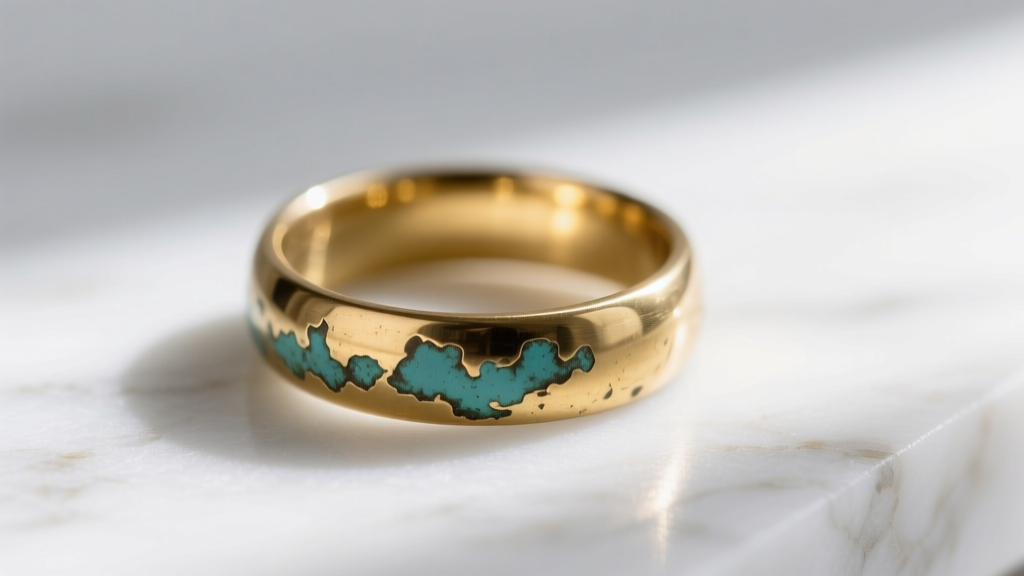
Before diving into restoration, it is crucial to understand what gold-plated jewelry actually is. Unlike solid gold, gold-plated pieces consist of a base metal—typically brass, copper, or sterling silver—coated with a microscopic layer of real gold via an electroplating process. According to the Federal Trade Commission (FTC) Jewelry Guides, the thickness of this gold layer dictates its durability. 'Flash plating' is incredibly thin (less than 0.5 microns), while standard gold plating ranges from 1.0 to 2.5 microns. Heavy gold electroplate must be at least 2.5 microns thick.
Gold itself is a noble metal and does not tarnish. So why does your jewelry turn dark, brassy, or green? The culprit is the base metal underneath. When the ultra-thin gold layer wears down or becomes porous due to friction and exposure, the underlying copper or brass reacts with sulfur in the air, moisture, and the natural acids in your sweat. This oxidation process creates copper sulfide (which looks black) or copper chloride (which looks green), and these compounds migrate through the microscopic pores of the gold, causing surface discoloration. Learning how to restore gold plated jewelry requires addressing this surface oxidation without stripping away the fragile gold layer above it.
Assessing the Damage: Cleaning vs. Replating
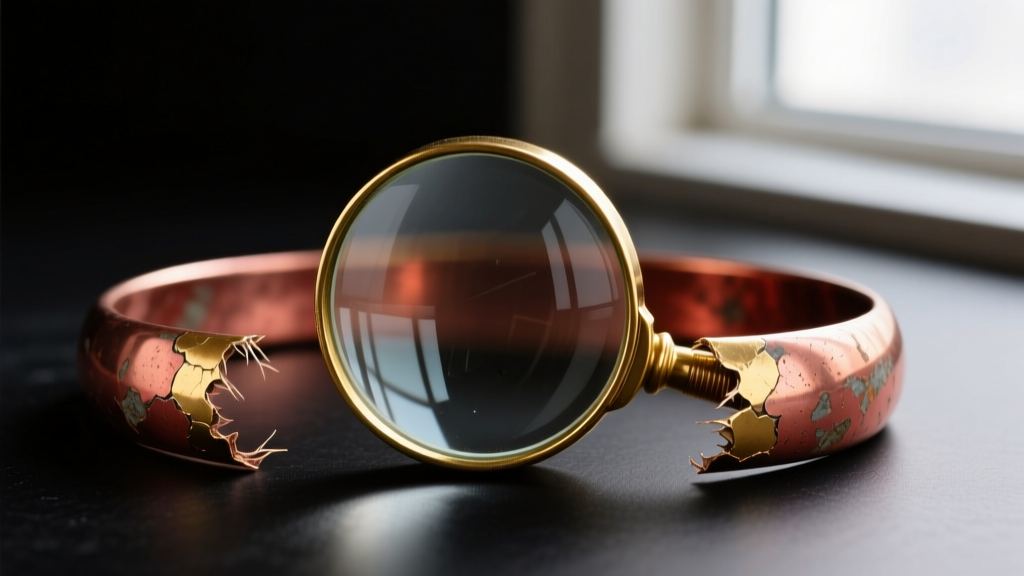
Not all discoloration can be fixed with a simple DIY cleaning session. The first step in restoration is determining whether the gold layer is merely dirty and oxidized on the surface, or if it has physically worn away to expose the base metal. The Gemological Institute of America (GIA) notes that once the gold layer is completely abraded, no amount of cleaning will bring the color back; the piece must be professionally replated.
The Scratch and Flake Test
Examine your jewelry under a bright light, preferably using a jeweler's loupe or a macro lens on your smartphone. Look closely at the high-friction areas: the inside of ring bands, the clasps of necklaces, and the edges of pendants. If you see a distinct color change where a silver, copper, or brassy metal is visibly showing through, the gold has worn off. If the entire piece just looks dull, muddy, or slightly darkened but the color is uniform, you are dealing with surface tarnish and dirt buildup, which can be safely cleaned at home.
Step-by-Step Guide: How to Restore Gold Plated Jewelry at Home
If your assessment confirms the gold layer is intact but heavily tarnished, follow this gentle, non-abrasive restoration method. This process is designed to lift oxidation and sebum buildup without scratching the soft gold surface.
Step 1: The Gentle Dish Soap Soak
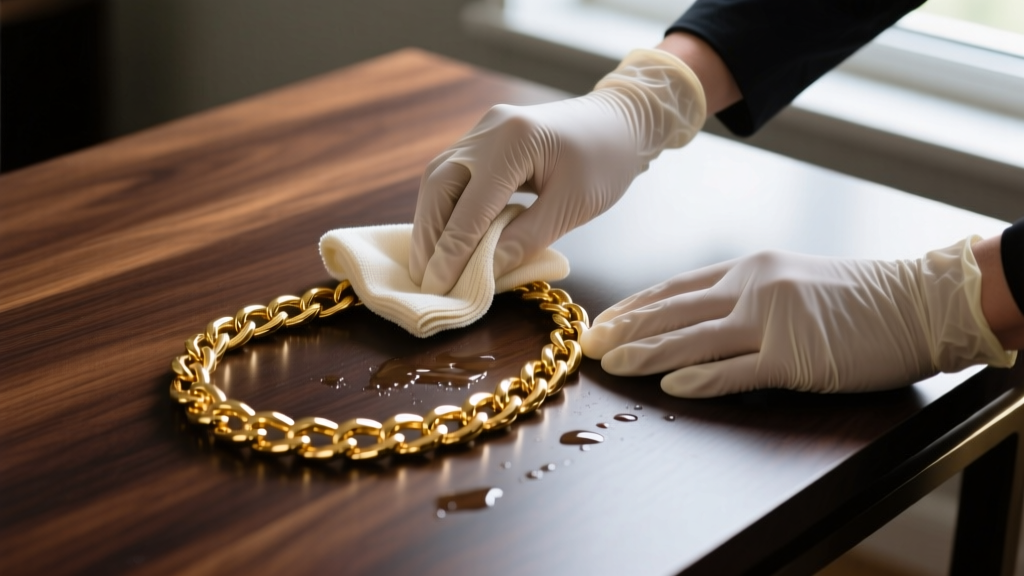
Fill a small glass bowl with lukewarm water (around 90°F or 32°C). Avoid hot water, as extreme temperature changes can cause the base metal to expand and contract at a different rate than the gold layer, leading to micro-cracking. Add three drops of a pH-neutral, lotion-free dish soap (such as original blue Dawn). Swirl the water to create mild suds. Submerge your gold-plated jewelry and let it soak for exactly 5 to 10 minutes. This loosens hardened oils, dead skin cells, and surface tarnish.
Step 2: Soft Bristle Brushing
Remove the piece from the soak and gently brush it using a brand-new, extra-soft baby toothbrush. Do not use a standard adult toothbrush, as the bristles are too stiff and will leave microscopic scratches in the gold. Brush in light, circular motions, paying special attention to the backs of settings and intricate filigree work where oxidation loves to hide. Rinse the piece thoroughly under a gentle stream of lukewarm distilled water. Using distilled water prevents hard water minerals from leaving cloudy spots on the metal.
Step 3: Drying and Microfiber Buffing
Pat the jewelry dry with a lint-free, untreated microfiber cloth. Never rub the piece vigorously while it is wet, as wet gold is slightly more susceptible to friction damage. Once dry, use a clean section of the microfiber cloth to gently buff the surface to a shine. The friction from the dry cloth will safely polish away the remaining light oxidation.
What NOT to Do: Common Restoration Mistakes
When figuring out how to restore gold plated jewelry, knowing what to avoid is just as important as knowing what to do. Many popular DIY jewelry cleaning hacks will instantly ruin gold plating.
- Never use baking soda or toothpaste: These are highly abrasive. Baking soda has a Mohs hardness of about 2.5, which is harder than pure gold. Scrubbing with these will strip the micron-thin gold layer right off the base metal.
- Avoid ultrasonic cleaners: These machines use high-frequency sound waves (typically 40,000 Hz) to create cavitation bubbles. When these microscopic bubbles implode against the metal, they generate intense localized shockwaves that can easily blast thin gold plating off the base metal.
- Do not use silver dip or ammonia: Chemical dips designed for sterling silver are far too harsh for gold plating. Ammonia-based cleaners can alter the color of the gold alloys used in the plating bath and degrade the finish.
- Skip the polishing rouge cloths: Jewelers' rouge cloths are impregnated with micro-abrasives meant for solid gold and silver. Using them on plated jewelry will act like sandpaper on the delicate surface.
Professional Replating: When DIY Isn't Enough
If the scratch and flake test revealed bare base metal, or if your DIY cleaning didn't restore the original luster, it is time to seek professional replating. A professional jeweler will strip the remaining gold, polish the base metal to a mirror finish, and submerge it in an electroplating bath to apply a fresh layer of gold. They can also apply a protective clear coat or plate it with rhodium for extra durability.
| Restoration Method | Best For | Estimated Cost (2026) | Durability |
|---|---|---|---|
| DIY Soap Soak | Surface dirt, light oxidation, intact plating | $0 - $5 | Maintains existing plating |
| Professional Polishing | Heavy surface scratches (risky for thin plate) | $25 - $45 | Removes a microscopic layer of gold |
| Flash Replating | Costume jewelry, fast fashion pieces | $20 - $35 | Low (wears off in months) |
| Heavy Electroplating | Sentimental pieces, daily-wear rings | $65 - $150+ | High (lasts 2 to 5+ years) |
Long-Term Care to Prevent Future Tarnish
Once you have successfully restored your gold-plated jewelry, implementing a strict care routine will maximize the lifespan of the plating. The golden rule of jewelry care is 'last on, first off.' Always apply your perfumes, lotions, hairsprays, and cosmetics before putting on your jewelry. The alcohols and emulsifiers in these products break down gold plating rapidly.
Expert Storage Tip: Never store gold-plated jewelry in the bathroom, where humidity fluctuates wildly. Instead, keep each piece in an individual, airtight ziplock bag with a small silica gel packet to absorb ambient moisture. This simple step slows the oxidation process of the base metal by up to 80%.
By understanding the delicate nature of electroplated metals and avoiding harsh chemicals, you can keep your favorite pieces looking brilliant for years to come. Remember that gold plating is a wearing surface, and eventually, all plated jewelry will require professional replating if worn frequently. Treat your pieces with care, and they will continue to elevate your style without the solid gold price tag.


