Gold Filled Jewelry Meaning: Properties, Durability & Value
Discover the true gold filled jewelry meaning, how it compares to solid gold and vermeil, and expert tips on durability, karat weights, and daily wear.

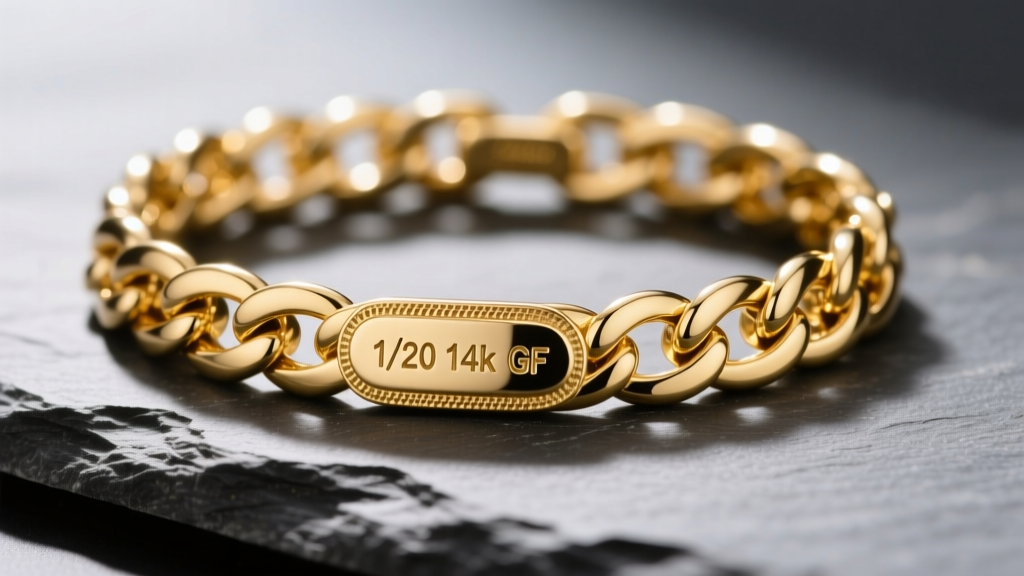
When navigating the complex landscape of modern jewelry metals, understanding the exact gold filled jewelry meaning is critical for making informed purchasing decisions. Often mistakenly grouped with cheap costume jewelry or fragile plated pieces, gold filled material actually occupies a unique, highly regulated tier in the metallurgical hierarchy. It offers a compelling middle ground between the prohibitive cost of solid 14k or 18k gold and the fleeting lifespan of standard electroplated fashion accessories.
At Jewel Style Radar, we analyze materials based on their structural integrity, wear resistance, and long-term value. In this comprehensive guide, we deconstruct the manufacturing process, legal definitions, and real-world performance of gold filled jewelry to help you determine if it deserves a permanent spot in your collection.
The True Gold Filled Jewelry Meaning: Beyond the Marketing
The term 'gold filled' is not merely a marketing buzzword; in the United States, it is a strictly regulated legal definition enforced by the Federal Trade Commission (FTC). According to the FTC Jewelry Guides, for an item to be legally stamped and sold as gold filled, the outer layer of karat gold must constitute at least 1/20th (or 5%) of the total weight of the entire metal article.
This is a massive distinction from gold plating. While a standard plated piece might contain less than 0.05% gold by weight, a gold filled piece contains 100 times more actual gold. This 5% minimum weight requirement ensures that the gold layer is substantial enough to withstand decades of daily wear without exposing the base metal underneath.
Single Clad vs. Double Clad Construction
When examining gold filled sheet metal or wire used by jewelers, you will encounter two distinct manufacturing variations:
- Single Clad: The gold layer is applied to only one side of the brass core. This is typically used for earrings or pendants where the back of the piece is not visible.
- Double Clad: The gold layer is split and applied to both the front and back of the brass core. If a wire is stamped '1/20 14K GF', and it is double clad, each side contains 1/40th of the total weight in gold, combining to meet the 1/20th legal requirement.
Material Anatomy: How Gold Filled is Actually Made
To truly grasp the gold filled jewelry meaning, you must understand the mechanical bonding process. Unlike electroplating, which uses electrical currents to deposit microscopic gold ions onto a surface, gold filled material is created through extreme heat and pressure.
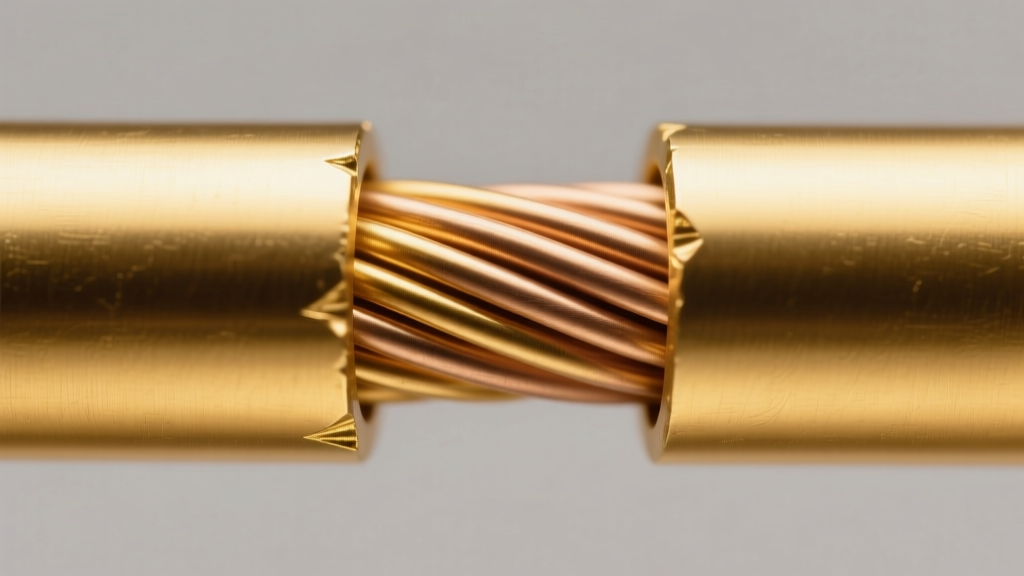
A solid sheet of karat gold (usually 12k or 14k) is placed over a core of jeweler's brass (an alloy primarily composed of copper and zinc). This sandwich is then fed through heavy rolling mills or drawn through a die under immense pressure. The heat and friction create a permanent metallurgical bond between the gold and the brass. The gold layer is typically between 5 to 10 microns thick—vastly superior to the 0.5 microns found on standard plated jewelry. Because the gold is mechanically bonded, it will not flake, peel, or blister under normal temperature variations.
Gold Filled vs. Vermeil vs. Gold Plated: A Metallurgical Comparison
Shoppers often confuse gold filled with gold vermeil or heavy gold electroplate (HGE). While all three offer the aesthetic of solid gold, their underlying properties, base metals, and lifespans differ drastically. The Gemological Institute of America (GIA) notes that understanding the base metal is just as important as understanding the outer gold layer.
| Material Type | Gold Thickness | Core / Base Metal | Estimated Lifespan | Avg. Price Range |
|---|---|---|---|---|
| Gold Filled (GF) | 5.0 - 10+ microns (5% weight) | Jeweler's Brass | 10 - 30+ Years | $30 - $150 |
| Gold Vermeil | 2.5 microns minimum | Sterling Silver (925) | 2 - 5 Years | $50 - $200 |
| Heavy Gold Plate (HGE) | 0.5 - 2.5 microns | Brass or Copper | 1 - 3 Years | $20 - $80 |
| Standard Gold Plate | < 0.5 microns | Nickel, Brass, or Alloy | 6 - 12 Months | $10 - $40 |
As the data illustrates, gold filled offers the highest gold volume outside of solid gold. While vermeil uses a more valuable base metal (sterling silver), its gold layer is significantly thinner than that of a gold filled piece, making vermeil more susceptible to wearing through to the silver core on high-friction areas like ring bands.
Durability and Tarnish Resistance in Real-World Scenarios
Because the outer layer of a gold filled piece is genuine karat gold, it behaves exactly like solid gold on the surface. It will not tarnish from exposure to oxygen or water. You can safely wear gold filled jewelry in the shower, at the beach, or while exercising.
The Brass Core Vulnerability
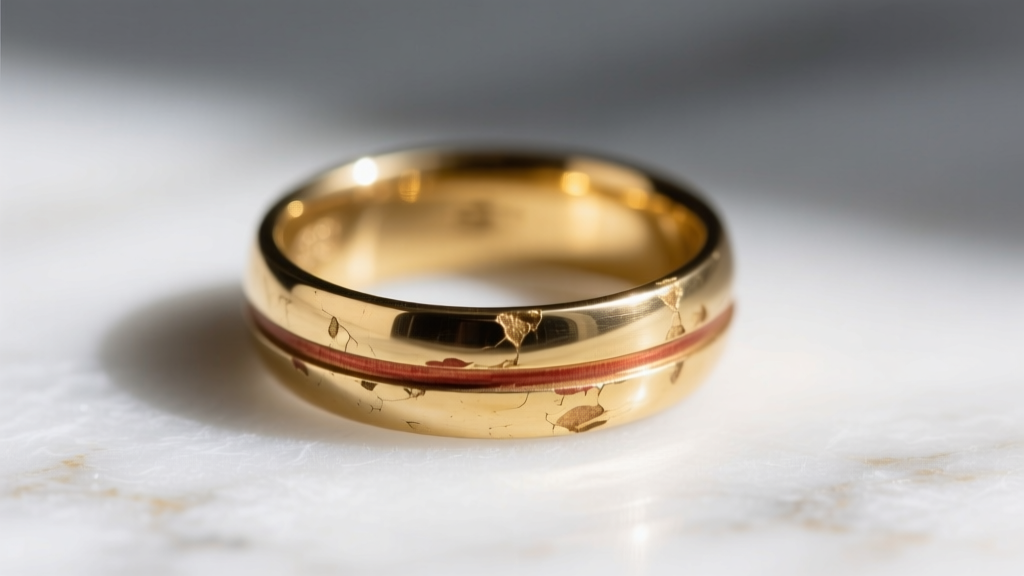
However, the gold filled jewelry meaning also encompasses the limitations of its brass core. If the piece sustains a deep scratch, dent, or is subjected to severe abrasive polishing, the gold layer can be breached. Once the brass core is exposed to air and the acidic pH of human sweat (typically between 4.5 and 5.5), the copper in the brass will oxidize. This results in the familiar green or black tarnish that can temporarily stain the skin. Unlike solid gold, a deeply gouged gold filled item cannot be easily polished or re-dipped to restore its original factory finish.
Chemical Sensitivities
While water is perfectly safe, harsh chemicals are the enemy of gold filled jewelry. Chlorine (found in swimming pools and household bleach) aggressively attacks the copper alloys present in both the 14k gold outer layer and the brass inner core. Prolonged exposure to chlorine will cause the gold layer to become brittle, leading to micro-cracking and eventual delamination.
Buying Guide: What to Look for in 2026
When shopping for authentic gold filled pieces, rely on hallmarks rather than product descriptions. Due to strict FTC regulations, reputable manufacturers will stamp their items with precise fractional markings.
Authentic Stamps vs. Red Flags
- Look For: '1/20 14K GF', '1/20 12K GF', or '14/20 Gold Filled'. These stamps guarantee the 5% weight requirement and the specific karat purity of the outer layer.
- Avoid: Items stamped simply 'Gold Filled' without the fraction, or items marked '14K HGE' (Heavy Gold Electroplate) or '14K GP' (Gold Plated). Some overseas manufacturers misuse the term 'gold filled' to describe thick electroplated items, which do not meet US legal standards for mechanical bonding.
Expert Verdict: Care and Maintenance
To maximize the lifespan of your gold filled jewelry, maintenance should be gentle and non-abrasive. Never use treated silver polishing cloths (such as Sunshine cloths) on gold filled items. These cloths contain mild abrasive compounds designed to remove silver sulfide tarnish, but they will slowly strip away the microns of gold on your filled pieces over time.
Expert Care Tip: To clean gold filled jewelry, simply soak the piece in warm water with a few drops of mild, phosphate-free dish soap for five minutes. Gently agitate the water, rinse thoroughly, and pat dry with a clean, lint-free microfiber cloth. This removes body oils and environmental dust without compromising the metallurgical bond.
Ultimately, the gold filled jewelry meaning boils down to exceptional value engineering. For buyers who want the rich color, hypoallergenic properties, and tarnish resistance of solid 14k gold without the steep premium, mechanically bonded gold filled remains the most durable and cost-effective alternative on the market today.


