What Does 925 Mean on Gold Jewelry? Value & Budget Guide
Discover what the 925 stamp means on gold jewelry. Learn how to assess the true value, pricing, and budget benefits of gold vermeil pieces.

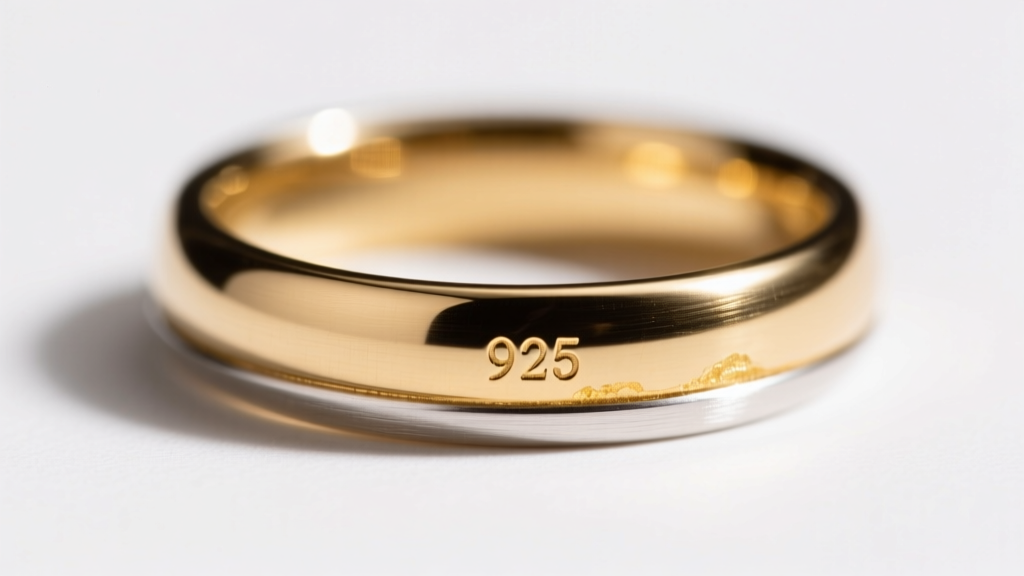
The Truth Behind the 925 Stamp on Gold Jewelry
When you are evaluating a piece of gold jewelry and spot a "925" stamp on the clasp or inner band, it is crucial to understand that you are not looking at solid gold. The 925 hallmark is the universal assay mark for Sterling Silver, indicating that the base metal is composed of 92.5% pure silver and 7.5% alloy metals (typically copper). If the piece looks gold but bears this stamp, it is either gold vermeil or heavy gold-plated sterling silver.
From a budget and value assessment perspective, this distinction is the difference between paying for intrinsic precious metal value and paying for surface-level aesthetics. According to the Gemological Institute of America (GIA), sterling silver is a premier base metal for jewelry due to its hypoallergenic properties and structural integrity, but it does not carry the same investment weight as solid 10k, 14k, or 18k gold. Understanding this metallurgical reality is the first step in making informed, budget-conscious jewelry purchases.
Gold Vermeil vs. Standard Gold Plated: A Value Breakdown
Not all gold-over-silver jewelry is created equal. The Federal Trade Commission (FTC) strictly regulates how jewelers can market gold layered pieces. To legally be sold as "gold vermeil" in the United States, a piece must have a sterling silver (925) base and be plated with a minimum of 2.5 microns of gold that is at least 10 karats. Standard gold-plated jewelry, on the other hand, often uses cheaper brass or copper bases and features a microscopic flash plating of less than 0.5 microns.
| Metric | Gold Vermeil (925 Base) | Standard Gold Plated (Brass Base) | Solid 14k Gold (No 925 Stamp) |
|---|---|---|---|
| Base Metal | 92.5% Silver, 7.5% Copper | Brass, Copper, or Nickel Alloy | 58.5% Gold, 41.5% Alloy |
| Gold Thickness | Minimum 2.5 microns | 0.1 to 0.5 microns (Flash) | Solid throughout |
| Hypoallergenic | Yes (usually nickel-free) | No (high allergy risk) | Yes |
| Average Retail Price | $60 - $250 | $15 - $45 | $250 - $800+ |
| Resale / Melt Value | Silver scrap value only | Zero | High (Gold spot price) |
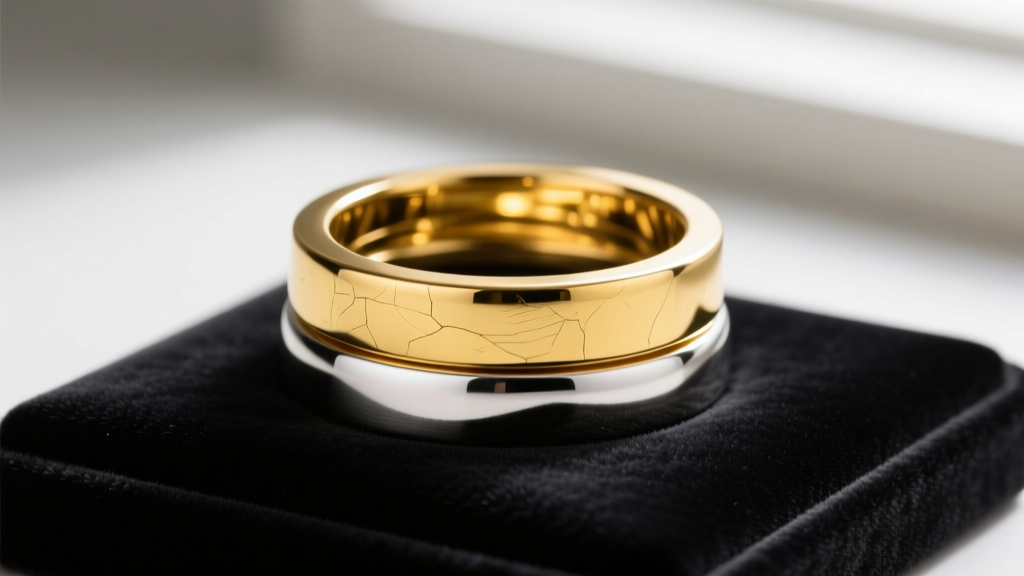
How to Assess the True Market Value of 925 Gold Jewelry
When conducting a value assessment on a 925 gold piece, you must separate the retail markup from the intrinsic melt value. Many budget buyers mistakenly believe they are getting a "deal" on gold, when in reality, they are purchasing silver with a gold-colored coating.
Calculating the Melt Value
Let us break down the exact math for a standard 10-gram gold vermeil chain. Because the base is 925 silver, the piece contains 9.25 grams of pure silver. At a spot price of roughly $0.95 per gram, the raw silver value is approximately $8.78. The 2.5-micron layer of 14k gold on the surface weighs a mere fraction of a gram, contributing perhaps $1.50 to $2.00 in recoverable gold. Therefore, the total intrinsic melt value of a $120 retail chain is roughly $10.50.
The Retail Value Proposition
While the melt value is low, the retail value is driven by craftsmanship, brand overhead, and the aesthetic appeal of gold without the prohibitive cost of solid karatage. You are paying for the design and the hypoallergenic security of a silver base, not an investment-grade asset.
- Fast Fashion Brands: Typically charge $30–$60 for 925 vermeil. High markup, but acceptable for trendy, short-term wear.
- Mid-Tier Artisans: Charge $80–$180. You are paying for thicker plating (3+ microns) and superior finishing techniques that prolong the life of the gold layer.
- Designer Labels: Can charge $300–$600+ for 925 vermeil. From a strict budget perspective, this is where value plummets, as you are paying almost entirely for the brand name.
The Budget Buyer’s Framework: When is 925 Gold Worth It?
Gold vermeil (925 base) occupies a vital sweet spot in the jewelry market, but it is only a smart financial move under specific conditions. If your goal is wealth preservation or passing down an heirloom, 925 gold is the wrong choice. However, if your goal is maximizing aesthetic versatility on a strict budget, it is highly effective.
"Pawn shops and gold buyers will only pay silver scrap rates for 925 gold jewelry. Never purchase gold vermeil with the expectation of financial return or resale profit."
Buy 925 Gold Vermeil When:
- You have sensitive skin and cannot wear cheap brass or nickel-based fashion jewelry.
- You want the rich color of 18k or 24k gold for a special event but cannot justify the $2,000+ price tag of a solid piece.
- You are purchasing fashion-forward, oversized statement pieces where the sheer weight of solid gold would be financially and physically burdensome.
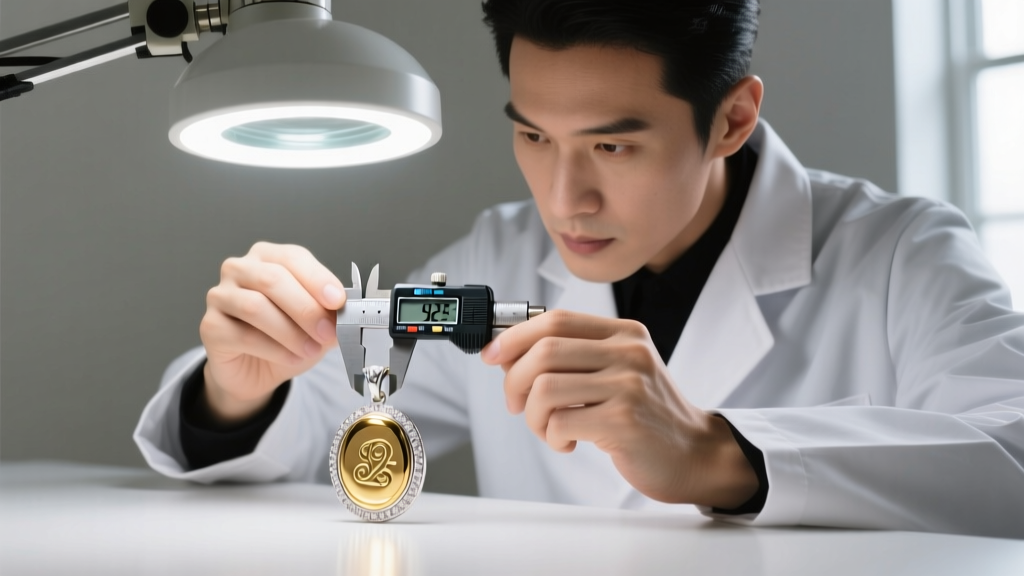
Red Flags: Avoiding Overpriced 925 Gold Scams
The secondary market (eBay, Etsy, and online auction sites) is rife with misleading listings that exploit buyer confusion regarding the 925 stamp. When assessing value, watch out for these specific red flags:
1. The "Solid 925 Gold" Oxymoron
Sellers will sometimes list items as "Solid 925 Gold" to imply a high purity of gold. This is a deliberate deception. 925 refers exclusively to silver purity. Solid gold is stamped 10k, 14k, 18k, or 24k (or 417, 585, 750). If a seller uses this terminology, walk away immediately.
2. Fake 925 Stamps on Brass
Unscrupulous manufacturers will stamp cheap brass jewelry with "925" to trick buyers into thinking the base metal is valuable. You can perform a simple magnet test; while neither gold nor silver is magnetic, some base alloys contain nickel or iron. More reliably, look for wear spots. If the underlying metal reveals a yellowish-gold or reddish hue (brass/copper) rather than bright white silver, the 925 stamp is counterfeit.
3. Unspecified Plating Thickness
If a brand sells a "925 Gold Ring" but refuses to disclose the micron thickness of the gold layer, assume it is flash-plated (under 0.5 microns). Flash plating over silver will wear off within weeks of daily wear, leaving you with a tarnished silver ring that requires constant polishing.
Care and Longevity of Sterling Silver-Based Gold
The 7.5% copper in sterling silver is the Achilles heel of 925 gold jewelry. Copper oxidizes when exposed to moisture, sulfur, and acids, creating black silver sulfide (tarnish). When the gold vermeil layer eventually wears thin, the underlying silver will be exposed to the air and your skin's chemistry.
To maximize the lifespan and retain the value of your 925 gold pieces, adhere to this strict maintenance protocol:
- Avoid Chemical Exposure: Chlorine in pools and hot tubs will rapidly degrade both the gold plating and the silver base. Remove 925 jewelry before swimming.
- Store in Anti-Tarnish Pouches: Keep pieces in airtight, anti-tarnish cloth bags to prevent sulfur in the air from reaching the metal.
- Polish with Caution: If the gold layer is intact, use only a soft microfiber cloth. Do not use abrasive silver polishing pastes or chemical dips, as these will strip the micron-layer of gold right off the silver base.
Ultimately, understanding what the 925 stamp means empowers you to allocate your jewelry budget intelligently. By recognizing that you are buying a silver garment draped in gold, you can set realistic expectations for longevity, avoid predatory pricing, and enjoy the luxurious aesthetic of gold without compromising your financial boundaries.


