24k Pure Gold Jewelry: Material Properties & Durability Compared
Discover if 24k pure gold jewelry is right for everyday wear. We compare its material properties, hardness, and durability against 18k and 14k gold.

The Metallurgy of 24k Pure Gold Jewelry
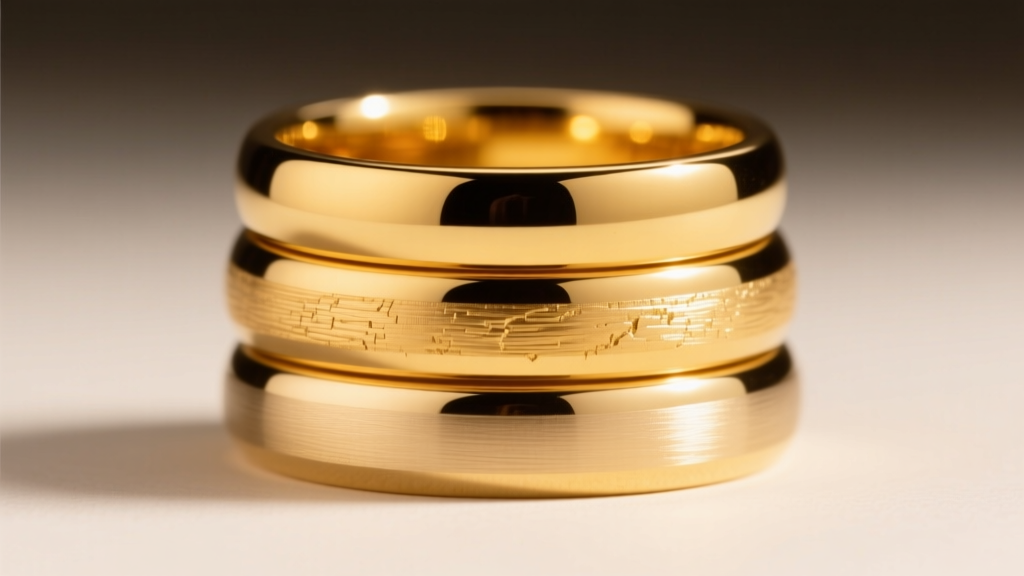
When evaluating fine jewelry, understanding the metallurgical baseline of your materials is non-negotiable. 24k pure gold jewelry represents the absolute pinnacle of elemental purity, consisting of 99.9% gold (often stamped as 999 or 9999). Unlike lower-karat alloys, 24k gold contains virtually no secondary metals like copper, silver, zinc, or palladium. This absolute purity grants the metal its signature deep, saturated yellow-orange hue—a color temperature that cannot be replicated by any alloy mixture.
However, from a materials science perspective, pure gold is remarkably soft. On the Vickers Hardness (HV) scale, fully annealed 24k gold measures a mere 25 to 30 HV. To put this into perspective, a human fingernail measures about 2.5 HV, while a copper penny sits around 35 HV. This extreme malleability is a double-edged sword: it allows master artisans to perform intricate hand-carving and granulation, but it severely limits the structural viability of 24k pure gold jewelry in high-impact, everyday scenarios. According to the GIA Gem Encyclopedia, the lack of alloying elements means the metal's crystalline lattice lacks the atomic 'roadblocks' that provide tensile strength and scratch resistance.
24k vs. 18k vs. 14k: A Hardness & Alloy Comparison
To make an informed purchasing decision, you must compare 24k gold directly against the industry standards for fine jewelry: 18k and 14k. The table below outlines the exact metallurgical differences that dictate how these metals perform on the human body.
| Karat Grade | Purity % | Vickers Hardness (HV) | Tensile Strength (MPa) | Primary Alloying Elements | Best Use Case |
|---|---|---|---|---|---|
| 24k (999) | 99.9% | 25 - 30 HV | ~120 MPa | None (Trace elements only) | Solid bands, thick chains, investment pieces, cultural ceremonies |
| 22k | 91.6% | 70 - 90 HV | ~250 MPa | Copper, Silver, Zinc | Heavy bangles, coin jewelry, traditional Indian/Middle Eastern designs |
| 18k | 75.0% | 130 - 150 HV | ~450 MPa | Copper, Silver, Palladium | Engagement rings, diamond prong settings, luxury everyday watches |
| 14k | 58.3% | 140 - 160 HV | ~550 MPa | Copper, Silver, Zinc, Nickel | Active lifestyle rings, delicate chainmail, secure gemstone bezels |
As the data illustrates, dropping from 24k to 18k increases the Vickers hardness by a factor of five. This exponential jump in durability is why 18k and 14k dominate the Western fine jewelry market, particularly for pieces subjected to daily mechanical stress.
Real-World Wearability and Structural Failure Modes
If you choose to wear 24k pure gold jewelry daily, you must understand its specific failure modes. Because the metal is so ductile, it does not typically snap or shatter under pressure; instead, it yields, warps, and abrades.
The Prong and Setting Problem
You will almost never find a high-value diamond or precious gemstone set in 24k gold prongs. The tensile strength of pure gold is insufficient to maintain the clamping force required to secure a faceted stone. Over months of wear, the prongs will slowly bend outward from minor impacts (like gripping a steering wheel or lifting a heavy bag), eventually leading to catastrophic stone loss. If a jeweler attempts to set a diamond in 24k, they must use a heavy, fully enclosed bezel setting, and even then, the bezel wall will easily dent and scratch.
Chain and Clasp Vulnerabilities
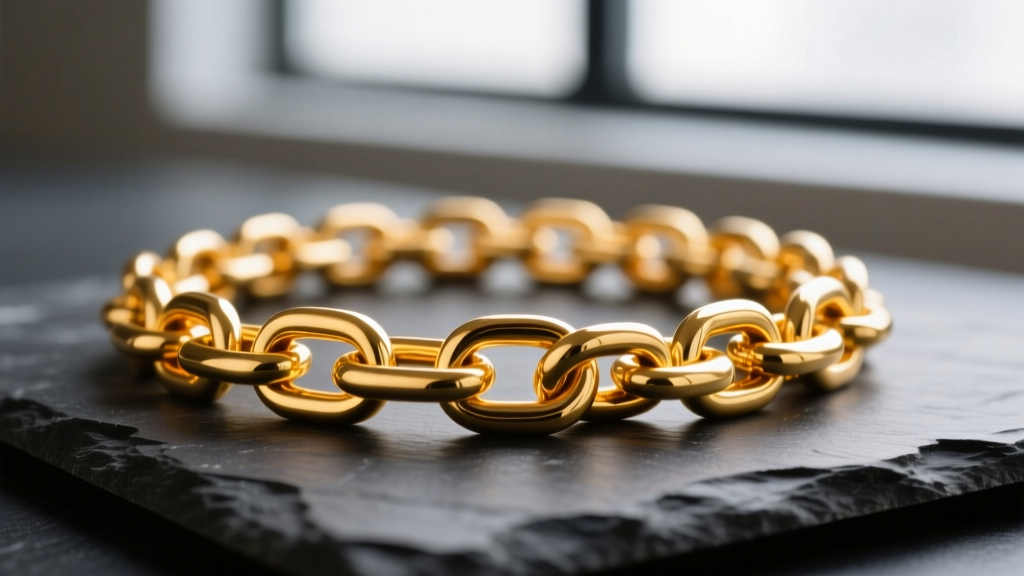
When designing or buying 24k chains, structural geometry is everything. Delicate chains, such as fine box chains or thin rope chains, will stretch and permanently deform under the weight of a pendant or the tension of a snagged link. Furthermore, spring-ring and lobster clasps rely on internal steel springs; the pure gold loops connecting these clasps will quickly wear thin and pull apart. For 24k pure gold jewelry, opt for heavy, interlocking geometric links (like thick Cuban or Figaro chains) and secure bolt-ring clasps that rely on sheer metal mass rather than delicate tension mechanisms.
Cultural Significance and the 'Bloom' of 999 Gold
While Western markets prioritize the scratch-resistance of lower karats, Eastern markets—particularly in China, India, and the Middle East—revere 24k pure gold jewelry for its cultural and financial significance. In these regions, gold jewelry is not merely decorative; it is a wearable store of wealth, often gifted during weddings and festivals as a direct transfer of capital.
Aesthetically, 24k gold possesses a unique optical property known in the trade as 'bloom.' Because there are no secondary metals to scatter light, 24k gold reflects a soft, warm, almost velvety luster that looks distinctly different from the sharp, mirror-like polish of 14k white or yellow gold. Over time, 24k gold develops a rich patina of micro-scratches that many collectors find highly desirable, as it proves the metal's authenticity and adds an antique depth to the piece. According to the World Gold Council, the premium paid for 24k jewelry in these markets is often tied directly to the daily spot price of gold, with craftsmanship acting as a secondary markup.
Care, Maintenance, and Storage Protocols
Caring for 24k pure gold jewelry requires a paradigm shift from standard jewelry maintenance. While pure gold is entirely immune to tarnish and oxidation (it will never react with oxygen or sulfur), its extreme softness makes it highly susceptible to mechanical and chemical abrasion.
- Avoid Ultrasonic Cleaners: The high-frequency vibrations in ultrasonic jewelry cleaners can actually cause micro-fissures in heavily worked 24k gold or shake loose any tension-set stones. Stick to a gentle soak in warm water with a few drops of pH-neutral dish soap.
- Beware of Chlorine and Mercury: While gold doesn't tarnish, it forms an amalgam with mercury and can become brittle when exposed to concentrated chlorine (like in swimming pools or harsh bleach). This chemical reaction weakens the crystalline structure, leading to sudden, irreversible cracking.
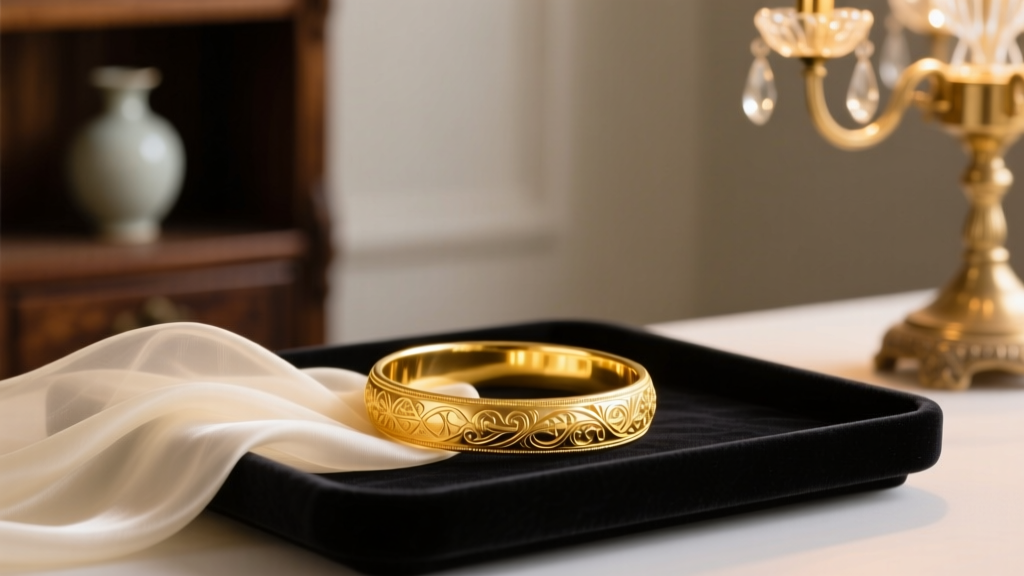
- Isolated Storage is Mandatory: Never store 24k jewelry in a communal box. The 25 HV hardness means that a standard steel zipper, a diamond ring, or even a sapphire pendant (which measures 9 on the Mohs scale) will aggressively gouge the surface of your 24k gold. Store each piece individually in a soft, lint-free flannel pouch or a lined leather roll.
- Polishing vs. Burnishing: Do not use abrasive jeweler's rouge or polishing cloths embedded with micro-compounds on 24k gold. You will simply strip away layers of pure gold. Instead, use a clean, dry microfiber cloth to gently burnish the surface, which realigns the surface molecules and restores the natural bloom without removing metal mass.
Final Verdict: When to Choose 24k Over Alloys
Choosing 24k pure gold jewelry is ultimately a decision based on intent. If your goal is to purchase an heirloom engagement ring, a delicate daily-wear bracelet, or a piece meant to withstand the rigors of an active lifestyle, 24k is the wrong material. You should look to 18k or 14k gold for structural integrity and gemstone security.
However, if you are seeking a wearable asset, a culturally significant ceremonial piece, or a bold, heavy statement item (like a solid 24k signet ring or a thick, 100-gram chain) that will be worn with intention and care, 24k gold is unmatched. Its breathtaking color, hypoallergenic purity, and intrinsic financial value make it a cornerstone of any serious jewelry collection, provided you respect its metallurgical boundaries.


