Colored Gold Jewelry Explained: Rose, White & Green Alloys
Discover the metallurgy behind colored gold jewelry. Learn how rose, white, and green alloys are made, their durability, and care tips.

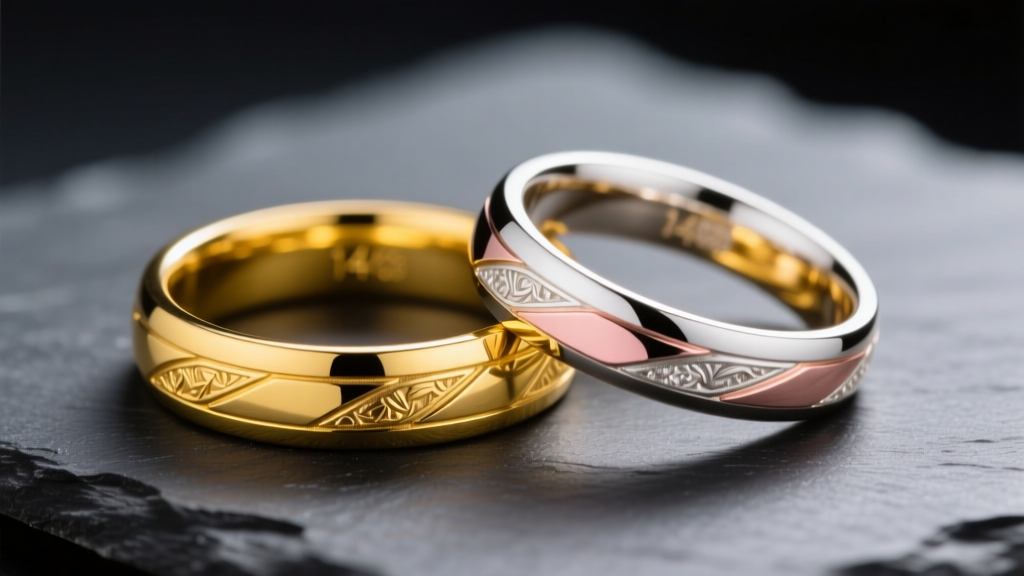
When you begin shopping for fine jewelry, the sheer variety of metallic hues can be overwhelming. While pure gold is naturally a rich, warm yellow, the modern market is dominated by a spectrum of metallic tones. Understanding the science behind colored gold jewelry is essential for making informed purchasing decisions, especially regarding long-term durability, skin sensitivities, and maintenance costs. This guide breaks down the exact metallurgy, pricing realities, and care protocols for alloyed gold.
The Metallurgy Behind Colored Gold Jewelry
Pure gold, known as 24-karat (24k) gold, is 99.9% elemental gold. While highly valued for its rich color and resistance to tarnish, 24k gold is far too soft for daily wear, registering a mere 25 to 30 on the Vickers Hardness (HV) scale. A 24k ring will bend, scratch, and lose its shape within weeks of regular use.
To solve this, metallurgists alloy pure gold with other metals. The karat system dictates the purity: 18k gold is 75% pure gold (18 parts gold, 6 parts alloy), while 14k gold is 58.3% pure gold (14 parts gold, 10 parts alloy). It is the specific composition of that remaining 25% or 41.7% that dictates the final color, hardness, and hypoallergenic properties of the piece. According to the Gemological Institute of America (GIA), the precise ratios of copper, silver, zinc, nickel, and palladium are what allow jewelers to manipulate the gold spectrum.
Decoding the Spectrum: White, Rose, and Green
White Gold and the Rhodium Factor
White gold does not exist in nature. It is created by alloying yellow gold with white metals like nickel, palladium, or manganese. However, even the best white gold alloys retain a faint yellowish or grayish undertone. To achieve the brilliant, mirror-like chrome finish consumers expect, white gold jewelry is electroplated with a microscopic layer of rhodium, a platinum-group metal.
- Nickel Alloys: Harder and cheaper, but a leading cause of contact dermatitis.
- Palladium Alloys: Hypoallergenic, more expensive, and naturally whiter, requiring less rhodium to mask the base color.
The rhodium plating typically measures between 0.75 and 1.0 microns thick. Over time, friction wears this layer away, revealing the warmer alloy beneath—a failure mode most visible on the bottom of ring shanks and the prongs holding gemstones.
Rose Gold: Copper's Influence
The romantic blush of rose gold comes entirely from copper. A standard 18k rose gold alloy consists of 75% gold, 22.25% copper, and 2.75% silver. In 14k rose gold, the copper content jumps to roughly 41.7%, resulting in a deeper, reddish hue (historically referred to as 'red gold' in Russian jewelry markets). Copper significantly increases the Vickers Hardness of the alloy, making 14k rose gold one of the most durable options for active lifestyles. However, copper is reactive; over years of wear, rose gold can develop a subtle, darker patina as the copper oxidizes, which some vintage enthusiasts highly desire.
Green Gold (Electrum)
Less common in modern commercial jewelry, green gold is an alloy of gold and silver, sometimes with small amounts of zinc or cadmium (though cadmium is largely phased out due to toxicity concerns). A typical 18k green gold mix contains 75% gold and 25% silver. The result is a subtle, warm, yellowish-green hue that is highly prized in artisanal and nature-inspired jewelry designs.
Durability, Pricing, and Maintenance Matrix
Choosing the right colored gold jewelry requires balancing upfront costs with long-term maintenance. The table below outlines the practical realities of the most common alloys available in 2026.
| Gold Color & Karat | Primary Alloy Metals | Vickers Hardness (Approx) | Maintenance Level | Avg. Upkeep Cost |
|---|---|---|---|---|
| 14k White Gold | Nickel/Palladium, Zinc | 135 - 160 HV | High (Re-plating) | $40 - $75 / year |
| 18k White Gold | Palladium, Silver | 120 - 135 HV | High (Re-plating) | $45 - $85 / year |
| 14k Rose Gold | Copper, Silver | 140 - 170 HV | Low (Polishing) | $0 - $30 / year |
| 18k Rose Gold | Copper, Silver | 125 - 140 HV | Low (Polishing) | $0 - $30 / year |
| 18k Green Gold | Silver, Zinc | 100 - 115 HV | Medium (Scratching) | $25 - $50 / year |
Hypoallergenic Realities: Navigating Metal Sensitivities
One of the most critical aspects of buying colored gold jewelry is understanding metal allergies. The American Academy of Dermatology notes that nickel allergy is the most common contact dermatitis trigger, affecting roughly 10% to 20% of the population.
If you are buying white gold, you must ask the jeweler if the alloy is nickel-based or palladium-based. Many mass-market jewelers use nickel in 14k white gold to keep costs down and hardness up. While the rhodium plating initially acts as a barrier, once it wears off at the 6-to-12-month mark, direct skin contact with the nickel alloy will trigger an itchy, red rash. For sensitive skin, always opt for 14k or 18k palladium-white gold, or switch entirely to rose gold (if you are not allergic to copper) or platinum. The European Union's REACH regulation strictly limits nickel release in jewelry to 0.5 micrograms per square centimeter per week, a standard that many high-end global brands now follow universally.
Long-Term Care and Patina Management
Caring for colored gold jewelry requires specific protocols based on the alloy. The days of throwing all jewelry into an ultrasonic cleaner are over; improper cleaning can strip platings and damage porous gemstones often set in these alloys.
- White Gold Care: Avoid harsh chemicals, chlorine, and abrasive polishing cloths, as these will strip the rhodium plating prematurely. When the yellow undertone becomes visible, take the piece to a jeweler for a professional polish and rhodium re-dip. Expect to pay between $40 and $85 depending on the piece's complexity.
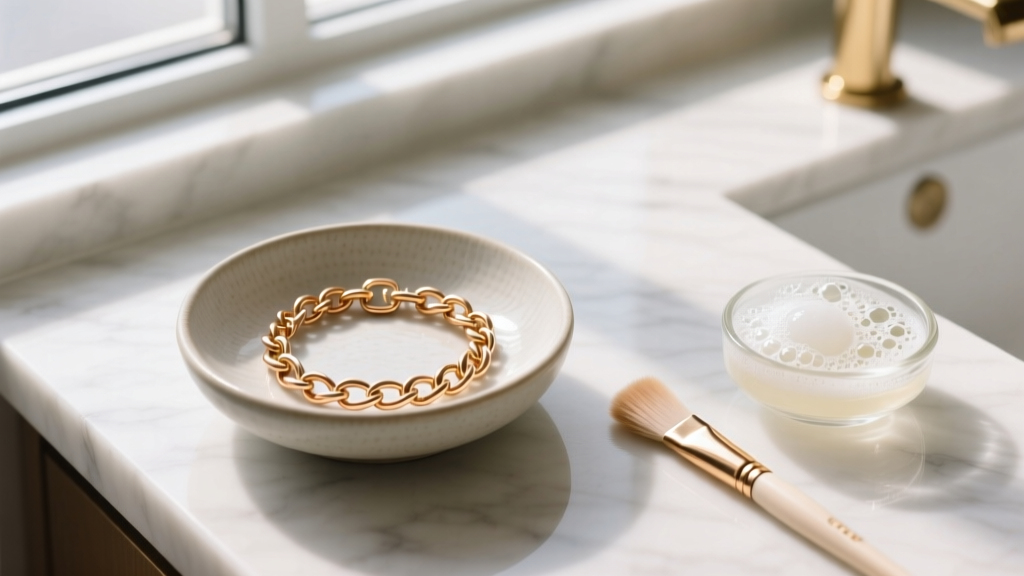
- Rose Gold Care: Because copper is prone to oxidation, rose gold can accumulate a dark film from lotions, sweat, and environmental pollutants. Clean it weekly using a few drops of mild, phosphate-free dish soap in lukewarm water and a baby-soft toothbrush. Do not use silver dip or harsh chemical cleaners, as they can react with the copper and cause permanent pitting.
- Green Gold Care: With a higher silver content, green gold is softer and more susceptible to micro-scratches. Store green gold pieces in individual microfiber pouches to prevent harder metals or diamonds from marring the surface.
Final Verdict for First-Time Buyers
Colored gold jewelry offers incredible versatility, but it is not a 'set it and forget it' material. Choose white gold if you desire a bright, modern aesthetic and are willing to budget for annual rhodium maintenance. Choose rose gold if you want a highly durable, low-maintenance metal with a vintage aesthetic that actually improves with a bit of patina. Always verify the base alloys to protect your skin, and buy from jewelers who provide full metallurgical transparency.
By understanding the exact alloys and maintenance requirements behind the colors, you can invest in pieces that not only look stunning on day one but remain structurally sound and beautiful for decades. For further reading on precious metal standards, the World Gold Council provides extensive data on global alloying practices and market trends.


