Will Gold Filled Jewelry Tarnish? The Ultimate Buying Guide
Will gold filled jewelry tarnish? Discover the science behind its durability, buying criteria, base metals, and expert care tips.

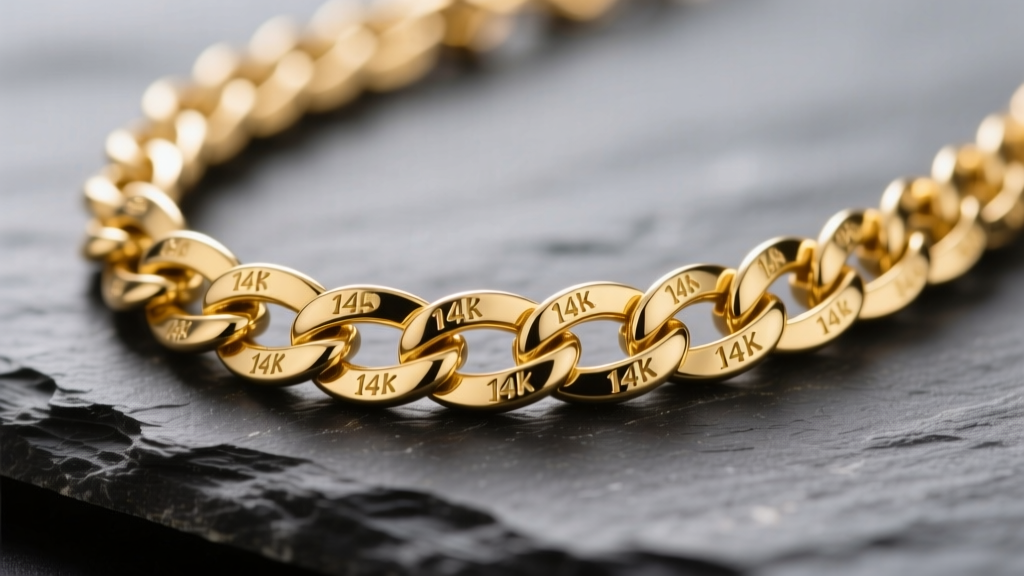
As of 2026, the jewelry market has seen a massive surge in gold filled pieces, bridging the gap between cheap plating and expensive solid gold. But a common question remains for savvy buyers: will gold filled jewelry tarnish? The answer requires understanding the mechanical bonding process, the base metals involved, and the environmental factors that test your jewelry's limits. This comprehensive buying guide breaks down the science of gold filled durability and provides actionable frameworks for identifying high-quality pieces.
The Short Answer: Will Gold Filled Jewelry Tarnish?
Gold itself is a noble metal, meaning it does not react with oxygen or sulfur in the atmosphere. Therefore, the gold layer on your jewelry will never tarnish. However, gold filled jewelry is a composite material. If the outer gold layer is compromised—through deep scratches, edge wear, or improper cutting—the underlying base metal is exposed. It is this exposed base metal, typically brass or copper, that reacts with environmental elements to create tarnish. In pristine condition, a high-quality gold filled piece will not tarnish. But unlike solid gold, it possesses a "failure point" where tarnishing can begin if the structural integrity of the gold layer is breached.
The Anatomy of Gold Filled Jewelry
To understand its longevity, you must understand its construction. According to the Federal Trade Commission (FTC), for a piece to be legally sold as "gold filled" in the United States, the gold layer must constitute at least 1/20th (5%) of the total weight of the metal. This is not a microscopic dip; it is a substantial sheet of karat gold mechanically bonded to a base metal core using extreme heat and pressure.
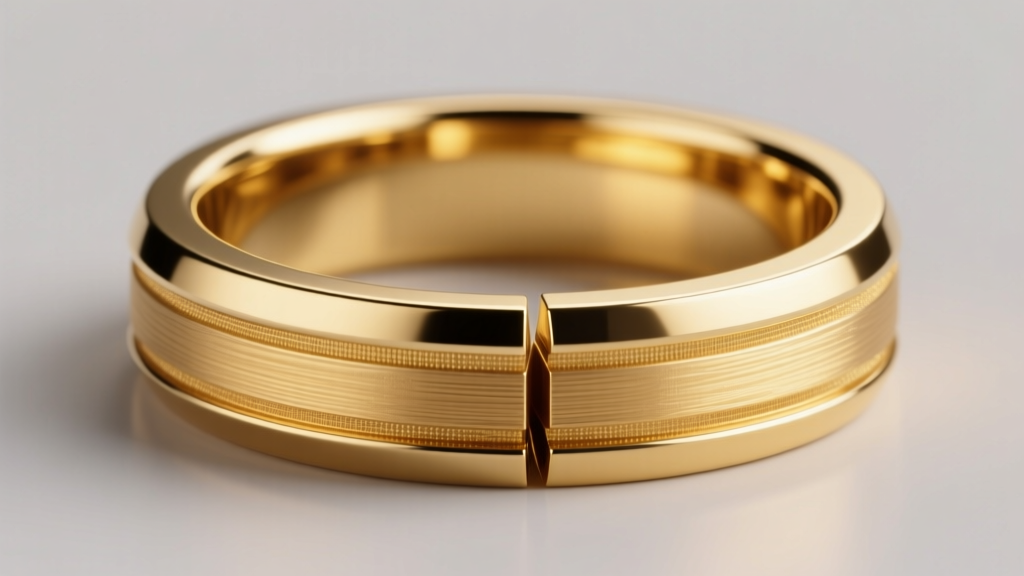
Most gold filled jewelry uses a brass core, though some premium manufacturers use sterling silver or copper. The mechanical bonding creates a permanent metallurgical weld. The gold layer in a 14/20 gold filled piece is roughly 100 times thicker than standard gold plating, providing a robust barrier against the elements.
Factors That Accelerate Tarnishing and Wear
While the gold layer protects the core, certain conditions can degrade that layer or cause microscopic breaches.
- Chlorine and Halogens: Swimming pools and hot tubs are the enemies of all gold alloys. Chlorine can cause stress corrosion cracking in the gold layer, eventually exposing the brass core.
- Sulfur Exposure: Sulfur is the primary culprit behind brass tarnish. Environments with high sulfur content, or direct contact with sulfur-rich foods and rubber, can tarnish exposed base metals rapidly.
- Friction and Edge Wear: Rings and bracelets endure constant friction. Over years of daily wear, the gold layer on the inner band or high-contact edges can physically wear away, revealing the core.
- Skin pH and Sweat: Individuals with highly acidic sweat can degrade the outer alloyed metals in the 14k gold layer over time. While the gold won't tarnish, the copper and zinc alloys mixed into the 14k karat gold can react to high acidity, causing a dull, darkened appearance on the surface.
- Cosmetics and Perfumes: Lotions, sunscreens, and perfumes contain chemical compounds that can leave a dull film on the gold surface, mimicking tarnish and trapping moisture against the metal.
Buying Guide: What to Look For in 2026
Navigating the 2026 jewelry market requires a critical eye. Many overseas manufacturers use deceptive terminology like "gold filled over silver" or "heavy gold electroplate" to mimic the prestige of true gold filled items. True gold filled jewelry is a specific, regulated composite material. When evaluating a piece, consider the core metal, the bonding method, and the gold thickness.
| Feature | Gold Filled | Gold Vermeil | Gold Plated |
|---|---|---|---|
| Core Metal | Brass, Copper, or Silver | Sterling Silver (.925) | Brass, Copper, or Steel |
| Gold Thickness | 1/20th (5%) of total weight | Minimum 2.5 microns | Less than 0.5 microns |
| Bonding Method | Heat and Pressure Weld | Electroplating | Electroplating |
| Tarnish Risk | Low (unless breached) | Moderate (silver tarnishes) | High (wears off quickly) |
Decoding the Stamps
Authentic gold filled jewelry must be stamped. Look for markings like 1/20 14K GF or 1/20 12K GF. The "1/20" denotes the 5% weight ratio required by the FTC. The "14K" indicates the purity of the gold layer. As noted by the Gemological Institute of America (GIA), 14k gold is an alloy containing 58.3% pure gold, mixed with metals like copper, silver, or zinc to increase hardness. If a piece simply says "Gold Filled" without the fraction, or lacks a stamp entirely, treat it with extreme skepticism—it is likely gold plated.
Real-World Troubleshooting: When the Base Metal Bleeds Through
What happens when you see dark spots or green marks on your skin? This is the "bleed through" effect. If a jeweler cuts a gold filled ring to resize it, the cut edge exposes the brass core. Without proper burnishing or sealing, that edge will oxidize, turning black or green. Similarly, deep scratches from contact with harder materials (like tungsten or diamonds) can gouge through the 5% gold layer.
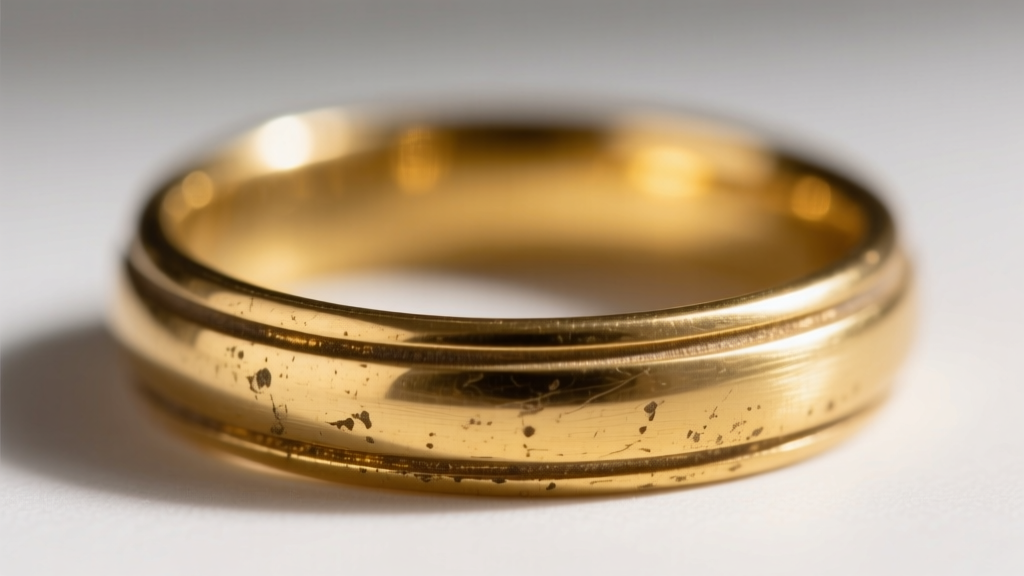
Pro Tip: If you buy gold filled wire for jewelry making, never file or sand the ends. Use flush cutters and seal the exposed ends with a clear jeweler's lacquer or micro-crystalline wax to prevent the brass core from oxidizing and creeping under the gold layer.
Expert Care Protocol to Prevent Tarnish
Maintaining the integrity of the gold layer is your primary defense. Follow this strict care protocol:
- Daily Wipe Down: After wearing, gently wipe the piece with a soft, lint-free microfiber cloth to remove skin oils and environmental pollutants.
- Proper Washing: If the piece becomes dull, wash it in warm water with a few drops of mild, phosphate-free dish soap. Use your fingers, never a bristled brush, which can cause micro-scratches.
- Storage: Store gold filled jewelry in an airtight ziplock bag with an anti-tarnish strip or a piece of Pacific Silvercloth. This neutralizes sulfur in the air, protecting any microscopic breaches in the gold layer.
- Polishing Restrictions: Never use harsh jeweler's rouge or abrasive polishing cloths designed for solid silver. These compounds are meant to strip away a microscopic layer of oxidized metal. On gold filled items, aggressive polishing will strip away the actual gold layer, exposing the brass core and guaranteeing future tarnish.
- Avoid Ultrasonics: Never put gold filled jewelry in an ultrasonic cleaner. The high-frequency vibrations can cause the mechanically bonded gold layer to delaminate or peel away from the base metal core.
Conclusion
Ultimately, gold filled jewelry offers an exceptional balance of luxury and longevity. By understanding the mechanical bonding process, strictly verifying the 1/20th stamps, and adhering to a proactive care routine, you can enjoy your pieces for decades without the dreaded tarnish.


