How to Clean White Gold Jewelry and Preserve Its Value
Learn how to clean white gold jewelry on a budget. Discover cost-effective DIY methods, rhodium plating facts, and tips to preserve your investment's value.

When evaluating the long-term value of your precious metals, understanding how to clean white gold jewelry is not just about maintaining sparkle—it is a critical financial strategy. Unlike yellow gold or platinum, white gold is an alloy that relies on a microscopic surface treatment to achieve its brilliant, silvery-white appearance. Improper cleaning routines can degrade this surface, leading to premature wear, expensive restoration costs, and a diminished resale value. In 2026, with professional jeweler labor costs and precious metal spot prices continuing to climb, mastering budget-friendly, value-preserving maintenance is essential for any serious jewelry collector or everyday wearer.
The Hidden Costs of White Gold Maintenance
To understand the financial stakes of cleaning your jewelry, you must first understand its metallurgy. White gold does not exist in nature. It is created by alloying pure yellow gold with white metals like nickel, palladium, zinc, or silver. Even the highest quality 18k or 14k white gold retains a faint yellowish-gray undertone. To achieve the mirror-like chrome finish consumers expect, jewelers electroplate the metal with rhodium, a rare platinum-group metal.
This rhodium layer is exceptionally hard and highly reflective, but it is incredibly thin—typically ranging from 0.75 to 1.0 microns. According to the Gemological Institute of America (GIA), this plating will naturally wear away over time, revealing the warmer alloy beneath. When you use abrasive or highly acidic cleaning methods, you accelerate this wear. In the current market, professional rhodium replating costs between $85 and $150 for a standard ring, and up to $300 for tennis bracelets or complex settings. If you clean your white gold incorrectly and strip the plating in six months instead of three years, you are effectively bleeding hundreds of dollars in unnecessary maintenance costs.
Budget-Friendly DIY Cleaning: Step-by-Step
You do not need expensive commercial jewelry solutions to maintain your white gold. In fact, the safest, most cost-effective method relies on household items you already own. The goal is to remove sebum, lotions, and environmental dust without introducing friction or chemical corrosion to the rhodium layer.
The $5 Dish Soap Method
This is the gold standard for routine, budget-conscious maintenance. It safely lifts oils without compromising the rhodium plating or the structural integrity of your prongs.
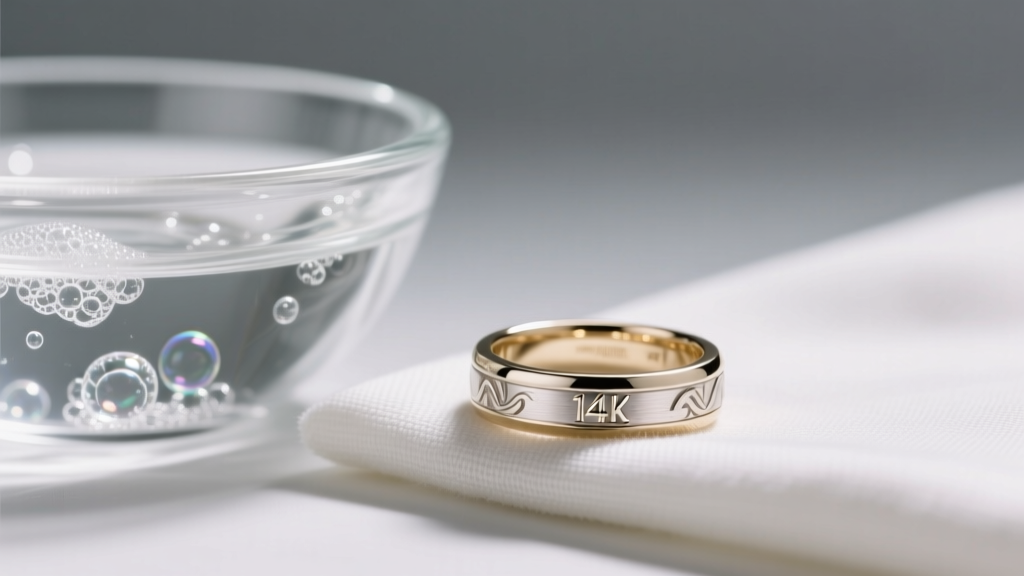
- Preparation: Fill a small glass bowl with warm water (approximately 98°F to 105°F). Avoid hot water, as extreme temperature shifts can cause thermal shock to tension-set stones or fracture-filled diamonds.
- The Solvent: Add three drops of a mild, pH-neutral dish soap (such as original Dawn). Avoid dish soaps labeled as "heavy-duty degreasers" or those containing added moisturizers and citrus extracts, which can leave a dulling film or introduce mild acids.
- The Soak: Submerge your white gold jewelry for 15 to 20 minutes. This allows the surfactants to break down the molecular bonds of trapped skin oils and cosmetics.
- The Agitation: Using a brand-new, ultra-soft baby toothbrush, gently sweep the bristles across the metal and underneath the gemstone settings. Never scrub aggressively; let the bristles do the microscopic lifting.
- The Rinse and Dry: Rinse thoroughly under lukewarm running water. Pat dry with a lint-free microfiber cloth. Avoid paper towels, as their wood-pulp fibers can inflict micro-scratches on the rhodium.
What to Avoid: The $100 Mistakes
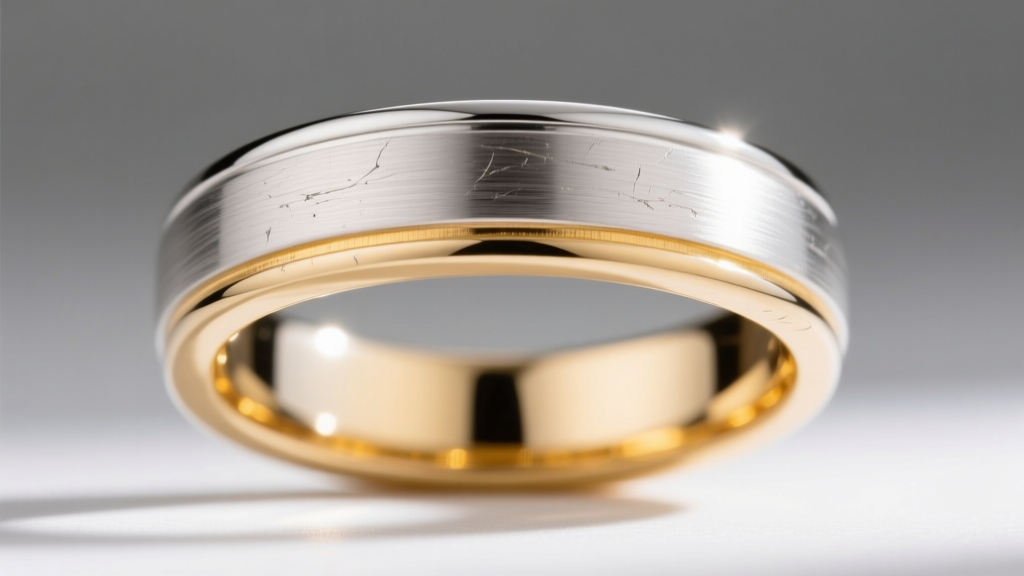
Many viral cleaning hacks actually destroy the value of white gold. Never use toothpaste. Toothpaste contains hydrated silica, an abrasive with a Mohs hardness of 3 to 4. While rhodium is harder (Mohs 6), the underlying gold alloy is much softer (Mohs 2.5 to 3). Once the rhodium wears thin, toothpaste will permanently scratch the gold, requiring costly professional polishing that removes metal weight and weakens the piece.
Furthermore, never expose white gold to chlorine. Chlorine reacts violently with the copper and zinc alloys in 14k white gold, causing a catastrophic failure mode known as stress corrosion cracking. This can cause prongs to snap and diamonds to fall out, turning a simple cleaning mistake into a thousands-of-dollars repair.
Professional Cleaning vs. DIY: A Cost-Benefit Analysis
When should you spend money on professional cleaning, and when should you rely on DIY methods? Assessing the value proposition requires looking at the frequency, cost, and inherent risks of each method. Below is a decision framework to help you budget your jewelry maintenance for the year.
| Cleaning Method | Estimated Cost | Recommended Frequency | Risk to Rhodium Plating | Risk to Gemstone Settings |
|---|---|---|---|---|
| DIY Dish Soap Soak | $0.05 per wash | Weekly / Bi-weekly | None (Safest) | None |
| Commercial Liquid Dips | $8 - $15 per bottle | Monthly | Moderate (Can cause pitting if left too long) | High (Destroys porous stones like opals/pearls) |
| At-Home Ultrasonic (40kHz) | $45 - $120 (One-time) | Monthly | Low | Moderate (Can shake loose pave stones) |
| Professional Jeweler Steam/Ultrasonic | $0 - $50 per visit | Bi-annually | Low | Low (Jeweler checks prongs first) |
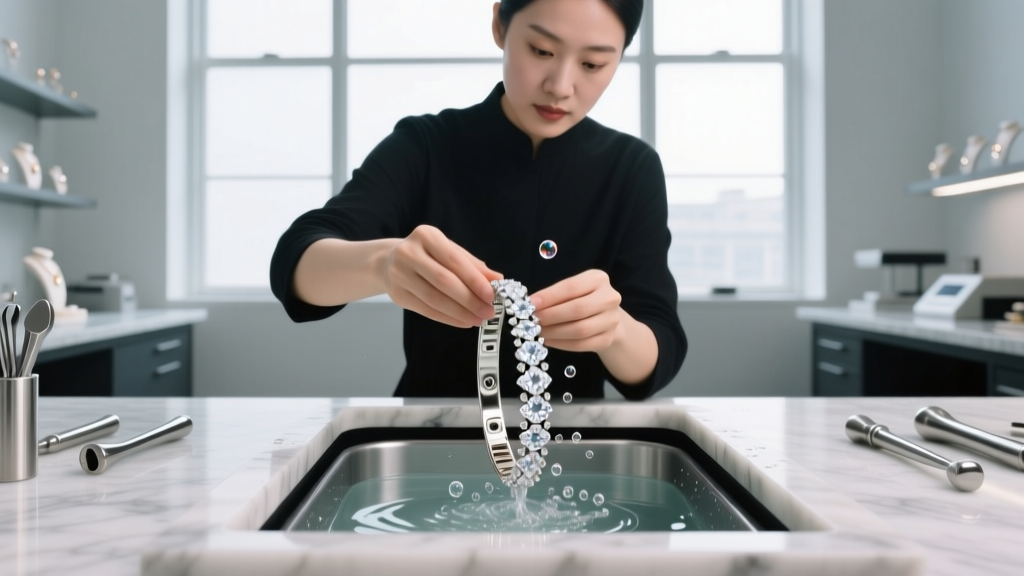
As noted by Blue Nile's jewelry care experts, while ultrasonic cleaners are excellent for removing microscopic dirt, the high-frequency sound waves can loosen stones if the prongs are already worn thin. For budget-conscious owners, the DIY soap method combined with a free or low-cost bi-annual professional inspection offers the highest return on investment.
Extending Rhodium Plating Lifespan on a Budget
Preserving the value of white gold is largely about prevention. By altering a few daily habits, you can extend the time between expensive rhodium replating sessions by 12 to 18 months.
"The number one reason white gold loses its luster prematurely is the buildup of cosmetic films. When lotions and sunscreens bake onto the metal, consumers scrub harder to remove them, wearing right through the rhodium. Prevention is always cheaper than restoration." — Master Bench Jeweler
- The "Last On, First Off" Rule: Always put your white gold rings and bracelets on after applying makeup, lotions, perfumes, and hairspray. Remove them immediately upon returning home.
- Swimming and Hot Tubs: Never wear white gold in chlorinated pools or brominated hot tubs. The chemical degradation of the alloy is irreversible and compromises the structural integrity of the ring.
- Gym and Manual Labor: Remove rings before lifting weights or doing yard work. The friction from steel dumbbells and the abrasive nature of soil will physically sand away the rhodium plating in a matter of weeks.
When to Replate: Assessing the Value Proposition
Eventually, no matter how carefully you clean your white gold jewelry, the rhodium will wear off. The high-friction areas, such as the bottom of the ring shank and the edges of the bezel, will begin to show a warm, yellowish tint. When this happens, you must decide if replating is a sound financial decision.
If you are planning to sell the piece or trade it in within the next six months, having it professionally polished and replated can significantly improve its visual appeal to buyers, potentially speeding up the sale and allowing you to command closer to your asking price. However, if you are simply wearing the piece, consider whether the yellowing bothers you. Many vintage and antique white gold pieces were historically worn with a slight patina. Replating is a depreciating expense; it does not increase the intrinsic melt value of the gold, nor does it permanently add to the appraised insurance value of the item.
By mastering how to clean white gold jewelry using gentle, budget-friendly methods, you protect the microscopic rhodium layer, safeguard the structural integrity of your alloy, and keep your hard-earned money in your pocket rather than on the jeweler's workbench.


