Expert Cleaning and Care for 14k Gold Plated Jewelry
Discover expert cleaning methods and daily wear tips to prevent tarnish and extend the lifespan of your 14k gold plated jewelry pieces.

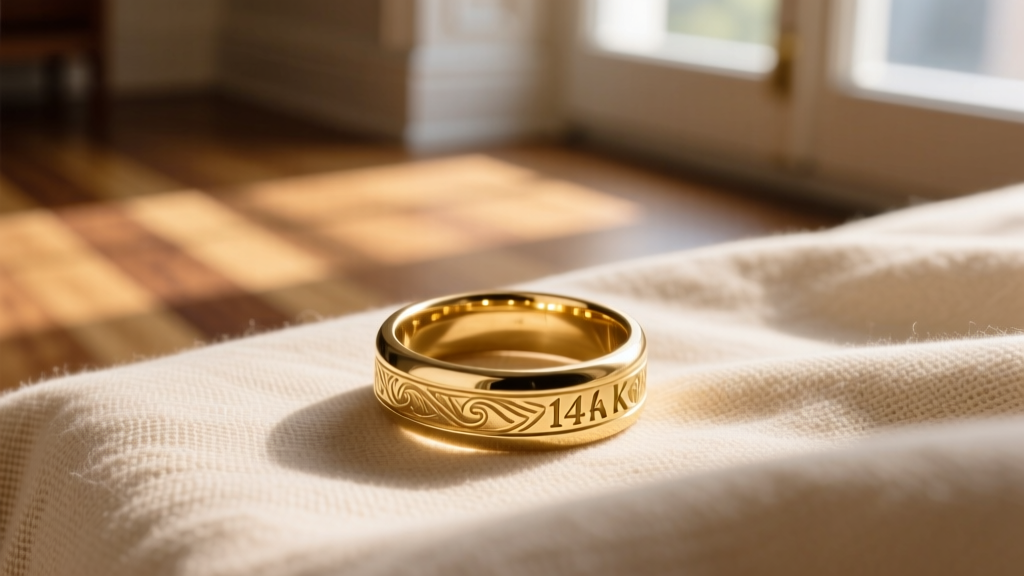
Understanding the Anatomy of 14k Gold Plated Jewelry
To master the care of 14k gold plated jewelry, you must first understand its physical construction. Unlike solid gold, which is an alloy of pure gold and strengthening metals like copper or zinc throughout, plated jewelry consists of a base metal core coated with a microscopic layer of 14-karat gold via an electroplating process. The base metal is typically brass, copper, or occasionally stainless steel. Brass and copper are favored by manufacturers for their malleability and cost-effectiveness, but they are highly reactive to moisture and oxygen.
The gold layer itself is measured in microns. Standard flash plating is often a mere 0.1 to 0.5 microns thick, which can wear away in a matter of months with daily use. High-quality 14k gold plated jewelry usually features a thickness between 1.0 and 2.5 microns. According to the Federal Trade Commission (FTC), a piece must have a minimum thickness of 2.5 microns over a sterling silver base to be legally marketed as 'gold vermeil.' Understanding this distinction is vital, as the thinner the gold layer, the more meticulous your cleaning and maintenance routine must be to prevent the base metal from bleeding through.
The Chemistry of Tarnish and Wear
Tarnish on plated gold is rarely the gold itself oxidizing; pure gold and 14k gold alloys are highly resistant to corrosion. Instead, tarnish occurs when the microscopic pores in the plating allow environmental factors to reach the reactive base metal underneath. Human sweat has a pH level ranging from 4.5 to 7.0. When acidic sweat interacts with a brass or copper core, it accelerates oxidation, resulting in the dreaded green or black residue left on your skin.
Furthermore, everyday chemicals act as solvents that degrade the gold layer. Chlorine in swimming pools, sulfur compounds in the air, and the alcohol found in perfumes and hand sanitizers can strip the plating at an accelerated rate. The Gemological Institute of America (GIA) notes that exposure to harsh household chemicals is one of the leading causes of premature degradation in gold-alloyed and plated jewelry. Recognizing these chemical threats is the first step in establishing a proactive defense strategy for your accessories.
The Golden Rules of Daily Wear
Prevention is vastly superior to restoration when dealing with plated metals. Adopting a strict wear protocol will exponentially increase the lifespan of your pieces.
- The 'Last On, First Off' Rule: Always put your jewelry on after applying lotions, perfumes, hairsprays, and cosmetics. Allow these products to fully absorb and dry for at least five minutes before clasping your necklace or sliding on your rings. Conversely, remove your jewelry first when undressing to prevent snagging and exposure to makeup removers.
- Avoid the Water: Never wear 14k gold plated jewelry in the shower, swimming pool, or ocean. Hot water opens the pores of the skin and expands the base metal microscopically, while chlorine and saltwater actively eat away at the gold molecular bonds.
- Minimize Friction: High-friction areas degrade fastest. Rings and bracelets will naturally wear down quicker than earrings or pendant necklaces. Remove rings when typing on a keyboard, lifting weights, or doing manual labor to prevent micro-abrasions on the plating.
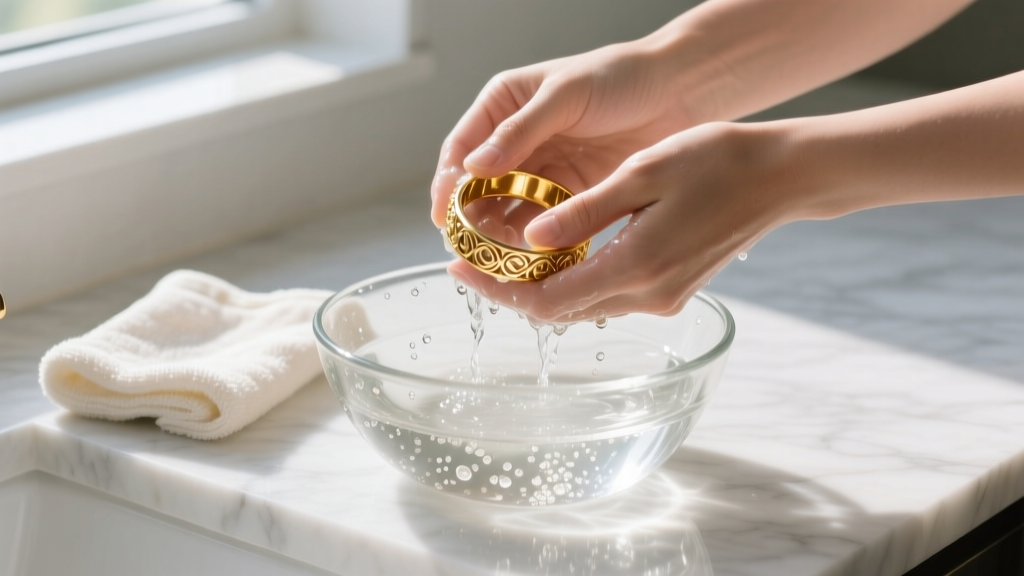
Step-by-Step Cleaning Routine
When your jewelry accumulates oils, dead skin cells, and environmental dust, it requires a gentle yet effective cleaning. Never use ultrasonic cleaners; the cavitation bubbles generated by ultrasonic waves can literally blast microscopic layers of gold plating right off the base metal. Similarly, avoid baking soda, toothpaste, or commercial silver dips, as these are highly abrasive and will strip the gold layer instantly.
What You Will Need
- Lukewarm distilled or filtered water (tap water can contain hard minerals that leave spots)
- pH-neutral liquid dish soap (such as Dawn Ultra) or gentle baby shampoo
- Two ultra-soft microfiber cloths or 100% cotton baby washcloths
- A soft-bristled baby toothbrush (optional, for intricate chain links)
The Washing Process
- Prepare the Solution: Fill a glass or ceramic bowl with lukewarm water and add three to four drops of the pH-neutral soap. Swirl gently to create a mild lather. Avoid plastic bowls, as they can harbor microscopic grit from previous uses.
- Short Soak: Submerge the 14k gold plated jewelry for no more than 2 to 3 minutes. Prolonged soaking can weaken the adhesive properties of the electroplated bond, especially on older pieces.
- Gentle Agitation: Using your fingertips or the soft baby toothbrush, gently massage the jewelry. Pay special attention to the backs of ring settings and the clasps of chains, where sebum and lotion accumulate. Do not scrub; let the soap do the heavy lifting.
- Rinse Thoroughly: Rinse the piece under a gentle stream of lukewarm distilled water to remove all soap residue. Soap film will dry into a dull, cloudy layer that mimics tarnish.
- Dry Completely: Pat the jewelry dry with a clean, lint-free microfiber cloth. Do not rub aggressively. Allow the piece to air dry on a fresh towel for an additional 15 minutes before storing to ensure no moisture is trapped in the crevices.
Troubleshooting Common Plating Issues
Even with meticulous care, plated jewelry will eventually show signs of age. Use this diagnostic table to identify issues and apply the correct remediation strategy.
| Issue | Root Cause | Actionable Fix |
|---|---|---|
| Green or black skin discoloration | Copper or brass base metal reacting with acidic sweat and oxygen. | Paint the inside of the ring band with a thin layer of clear nail polish to create a barrier. Reapply monthly. |
| Dull, cloudy, or matte finish | Buildup of lotions, hard water minerals, or soap film. | Perform the gentle washing routine outlined above. Buff lightly with a dry, clean jewelry polishing cloth. |
| Silver or pink spots showing through | Friction has worn away the gold layer, exposing the sterling silver or copper base. | Stop wearing the piece to prevent skin irritation. Take it to a professional jeweler for replating. |
| Flaking or peeling gold | Poor initial electroplating process or exposure to harsh chemical solvents. | Unfortunately, flaking cannot be reversed. The piece must be professionally stripped and replated. |
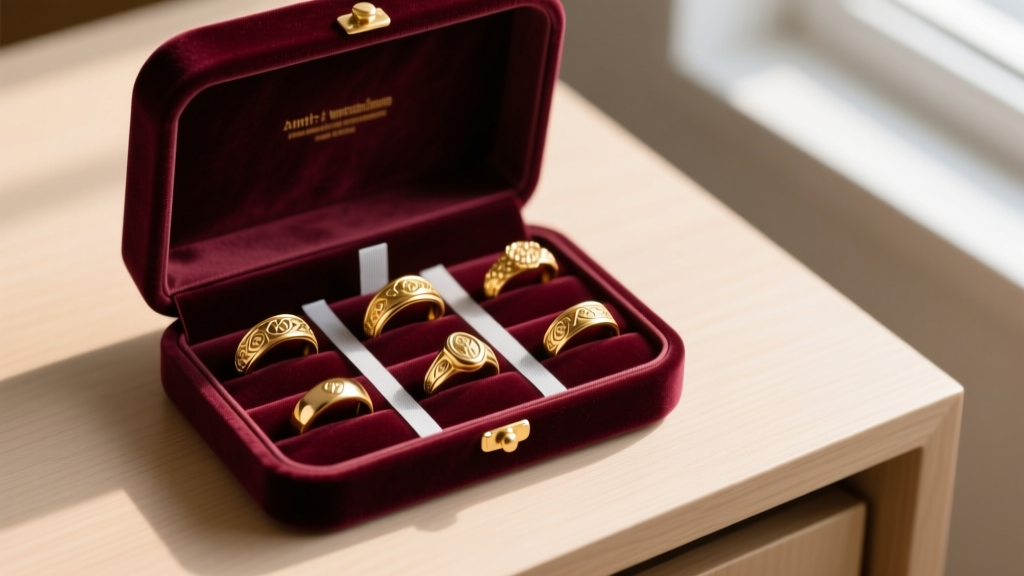
Proper Storage Techniques to Prevent Oxidation
How you store your 14k gold plated jewelry when it is not on your body is just as critical as how you clean it. Leaving plated pieces exposed on a bathroom vanity or tossed loosely into a communal jewelry dish guarantees premature tarnishing due to ambient humidity and sulfur compounds in the air.
Each piece should be stored individually to prevent micro-scratches. When two metal pieces rub together in a drawer, the harder base metal of one can easily scratch the softer gold plating of another. Utilize soft, velvet-lined compartments or individual anti-tarnish flannel pouches. For an extra layer of protection, place the jewelry inside a sealed Ziploc bag, squeeze out all excess air, and drop in a small silica gel packet to absorb residual moisture.
Crucially, invest in 3M Anti-Tarnish Strips. These small, treated paper strips absorb airborne sulfur and hydrogen sulfide gases before they can reach your jewelry. Place one strip inside each sealed bag or storage compartment, and replace the strips every three to six months for maximum efficacy.
When to Replate: Recognizing the Point of No Return
There comes a time in the lifecycle of every plated piece when cleaning and polishing are no longer viable options. If you notice the base metal showing through on high-friction areas—such as the bottom of a ring band or the edges of a bracelet clasp—the structural integrity of the plating has been compromised.
At this stage, attempting to polish the piece will only worsen the issue, as polishing cloths contain mild abrasives that will strip the remaining surrounding gold. Instead, take the item to a reputable local jeweler who offers electroplating services. The cost to replate a standard ring or pendant typically ranges from $45 to $85, depending on the complexity of the piece and the thickness of the new gold layer requested. When requesting a replate, ask the jeweler for a minimum of 2.0 microns of 14k gold to ensure your restored piece lasts for years to come.
Expert Insight: Always inspect the prongs and settings of your plated jewelry before sending it to be replated. The electroplating process involves acid baths that can sometimes loosen adhesive or damage porous gemstones like turquoise, pearls, or opals. A skilled jeweler will remove these delicate stones prior to the replating bath.
By understanding the delicate chemistry of 14k gold plated jewelry and adhering to a strict regimen of gentle cleaning, mindful wearing, and airtight storage, you can preserve the brilliant luster of your favorite pieces far beyond their expected lifespan. Treat your plated jewelry with the same respect you would afford solid gold, and it will reward you with years of tarnish-free elegance.


