The Ultimate Black Gold Jewelry Buying Guide: What to Look For
Discover how black gold jewelry is made, compare PVD vs. plating durability, and learn what to look for before buying your next dark metal piece.

The Illusion of Natural Black Gold
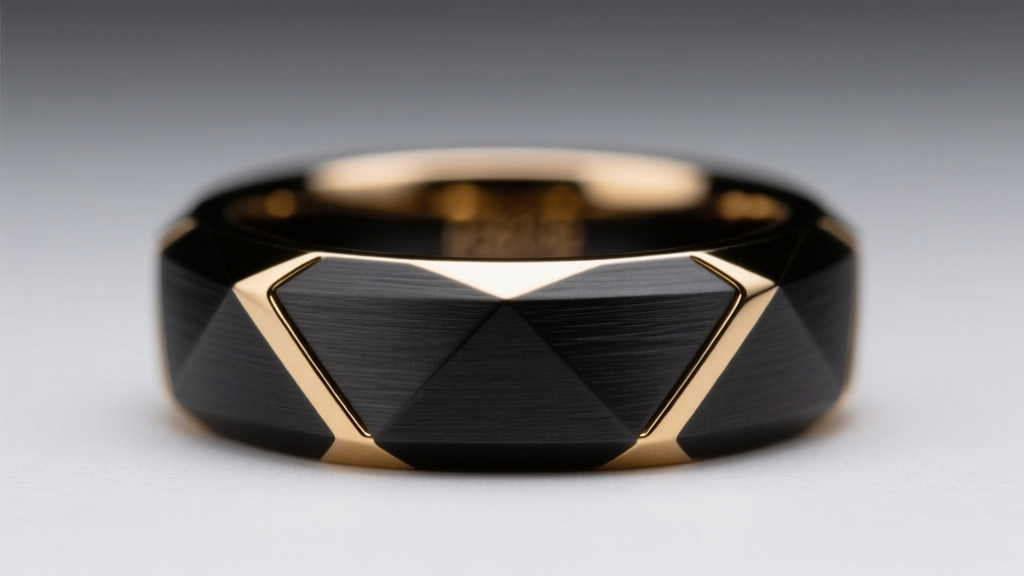
When shopping for alternative metals, black gold jewelry stands out for its striking, moody aesthetic and modern edge. However, the most critical piece of expertise any buyer must understand is this: natural black gold does not exist. Pure gold is inherently yellow, and while metallurgists have experimented with alloying gold with cobalt or chromium to create darker hues, the resulting metals are far too brittle for daily wear. Therefore, every piece of black gold jewelry on the market in 2026 is actually a traditional gold base (usually 14k or 18k) that has undergone a specialized surface treatment to achieve its dark color.
Understanding the exact treatment method used on your jewelry is the difference between buying a lifelong heirloom and purchasing a piece that will fade, chip, or rub off within six months. This guide breaks down the engineering, pricing, and maintenance realities of black gold so you can shop with absolute confidence.
The 4 Manufacturing Methods: What You Are Actually Buying
Not all black gold is created equal. The durability, price, and maintenance requirements of your jewelry depend entirely on how the black finish was applied. According to metallurgical standards outlined by the Gemological Institute of America (GIA), surface treatments dictate the longevity of colored gold alloys. Here are the four primary methods used by jewelers today.
1. Black Rhodium Electroplating
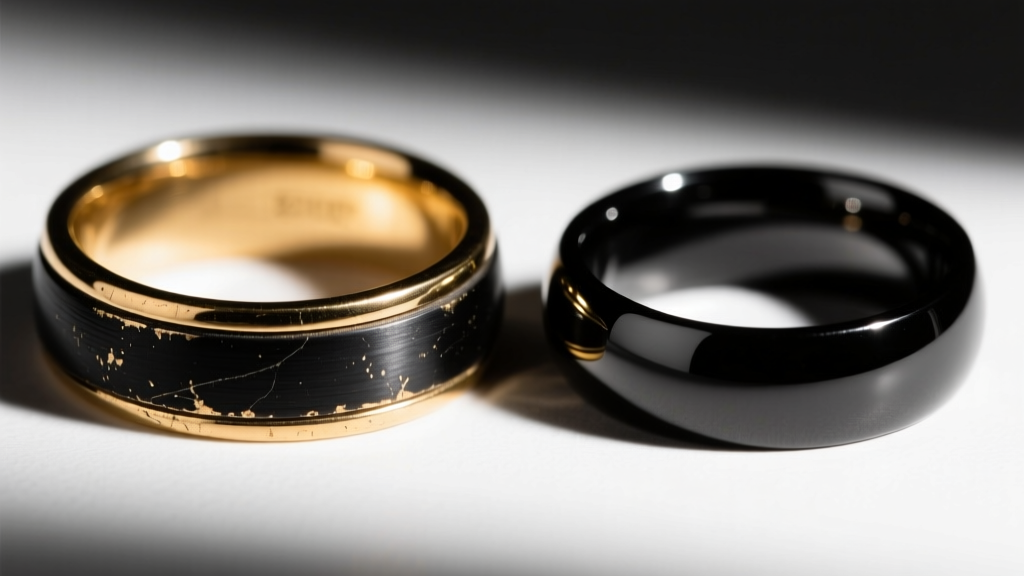
This is the most common and traditional method. A thin layer of black rhodium (usually mixed with darkening agents) is electroplated onto the gold base. It offers a rich, deep black color but is notoriously fragile. The plating thickness is typically only 0.1 to 0.3 microns, meaning it will wear off on high-friction areas like rings and bracelets within 6 to 18 months, revealing the yellow or white gold beneath.
2. Ruthenium Plating
Ruthenium is a platinum-group metal that is naturally dark gray to black. It is harder than rhodium and offers a slightly more durable, gunmetal-black finish. However, it is still an electroplated surface treatment and will eventually require re-plating. It is often used for men's wedding bands where a slightly softer, matte-black look is desired.
3. PVD (Physical Vapor Deposition) Coating
PVD is the industry standard for high-end, durable black gold jewelry in 2026. In a vacuum chamber, titanium or zirconium compounds are vaporized and bonded to the gold base at a molecular level. PVD coatings are significantly thicker (0.5 to 2.0 microns) and exponentially harder than electroplating. A PVD-coated black gold ring can withstand years of daily wear without fading, making it the superior choice for engagement rings and wedding bands.
4. Femtosecond Laser Oxidation
The most cutting-edge and permanent method involves using ultra-fast femtosecond lasers to alter the nanostructure of the gold's surface, trapping light and making it appear pitch black. This is not a coating; it is a permanent alteration of the metal itself. It is incredibly expensive and currently reserved for luxury, avant-garde designer pieces.
Durability and Cost Comparison Chart
Use this framework to evaluate whether a jeweler's asking price aligns with the manufacturing method they are using.
| Treatment Method | Expected Lifespan (Rings) | Relative Cost | Can Be Re-applied? | Best Use Case |
|---|---|---|---|---|
| Black Rhodium Plating | 6 - 18 Months | $ | Yes (Requires polishing off old layer) | Pendants, earrings, occasional-wear rings |
| Ruthenium Plating | 1 - 3 Years | $$ | Yes | Fashion rings, men's bands with low friction |
| PVD Coating | 5 - 15+ Years | $$$ | Difficult (Requires specialized factory) | Daily wear wedding bands, luxury watches |
| Laser Oxidation | Permanent | $$$$$ | N/A (Permanent alteration) | High-end designer statement pieces |
Base Metal Selection: Why 14k and 18k Rule the Market
The dark finish is only as good as the metal beneath it. When buying black gold jewelry, you must verify the karat weight of the base metal.
- 14k Gold Base (58.5% Pure Gold): This is the optimal choice for PVD-coated black gold rings and bracelets. The higher alloy content (mixed with copper, silver, or zinc) makes 14k gold structurally rigid. Because PVD requires a hard substrate to prevent the coating from micro-fracturing upon impact, 14k provides the perfect foundation.
- 18k Gold Base (75% Pure Gold): Preferred for luxury pieces and laser-treated jewelry. 18k gold is softer and richer in color. If you are buying a black rhodium plated piece, an 18k white gold base is highly recommended; if the black plating eventually wears thin, the silvery tone of the white gold is far less visually jarring than bright yellow gold showing through.
- 10k Gold Base (41.7% Pure Gold): Generally avoid 10k base metals for black treatments. The high copper and zinc content can react poorly with certain electroplating baths, leading to premature peeling or uneven darkening over time.
Pricing Guide: What Should You Actually Pay?
Because black gold requires secondary manufacturing processes, you should expect to pay a premium over standard yellow or white gold jewelry. However, inflated pricing is common in the alternative metal space. Here is what you should expect to pay in the current market:
- Black Rhodium Plated 14k Gold (Simple Band): $400 – $700. You are paying for the base gold weight plus a $50–$100 plating fee.
- PVD Coated 14k Gold (Wedding Band): $800 – $1,600. The PVD process requires expensive vacuum chamber equipment, justifying the higher retail price.
- Laser-Treated 18k Gold (Designer Ring): $2,500 – $5,000+. You are paying for proprietary technology and high-end design.
Buyer Beware: If a retailer is selling a "solid black gold ring" for under $150, it is not gold. It is likely black tungsten, black ceramic, or brass plated with black nickel. Always demand a stamp (e.g., 14k, 585, 750) and a material certificate.
Care and Maintenance: Preserving the Dark Finish
Treating black gold jewelry requires a complete departure from traditional jewelry care routines. The Jewelers of America warns that improper cleaning is the leading cause of ruined surface treatments. Follow these strict protocols to maintain your piece:
What to AVOID at All Costs
- Ultrasonic Cleaners: The high-frequency vibrations will strip black rhodium plating instantly and can cause PVD coatings to delaminate from the gold base.
- Steam Cleaners: Extreme heat and pressure will compromise the molecular bond of electroplated dark metals.
- Jewelry Polishing Cloths: These cloths are embedded with mild abrasives designed to remove tarnish. On black gold, they will literally polish the black finish right off the metal.
- Harsh Chemicals: Chlorine in swimming pools and bleach in household cleaners will cause irreversible chemical reactions with ruthenium and rhodium, turning them a splotchy, uneven gray.
The Correct Cleaning Protocol
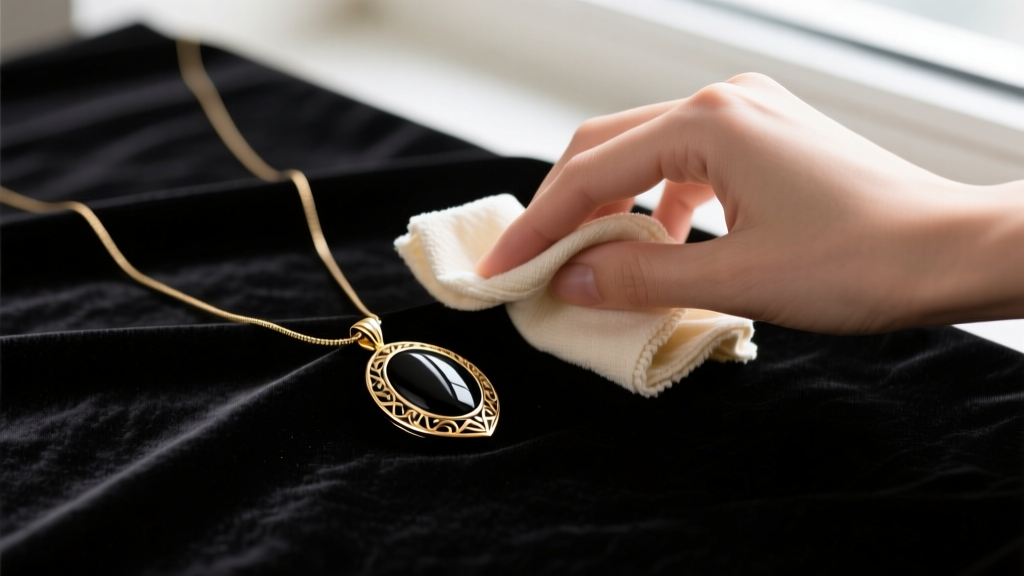
To clean your black gold jewelry, use only lukewarm water, a single drop of mild, lotion-free dish soap, and your bare fingertips to gently massage away oils. Rinse thoroughly and pat dry with a clean, non-abrasive microfiber cloth. For intricate settings with diamonds or gemstones, use a brand-new, ultra-soft baby toothbrush to gently sweep dirt from the prongs, being careful never to scrub the black metal surfaces aggressively.
Final Buying Checklist
Before handing over your credit card, ensure you can answer "yes" to these three questions:
- Did the jeweler explicitly state the surface treatment method (PVD vs. Plating)?
- Is the base metal stamped and verified as 14k or 18k gold?
- Does the retailer offer a re-plating service or a warranty specifically covering the black finish?
By prioritizing advanced treatments like PVD and understanding the structural realities of treated metals, you can confidently invest in black gold jewelry that maintains its bold, dark aesthetic for years to come.


