Does Gold Plated Jewelry Turn Green? Causes & Prevention
Wondering if your favorite accessories will stain your skin? Learn why gold plated jewelry turns green, the science behind it, and how to prevent it.

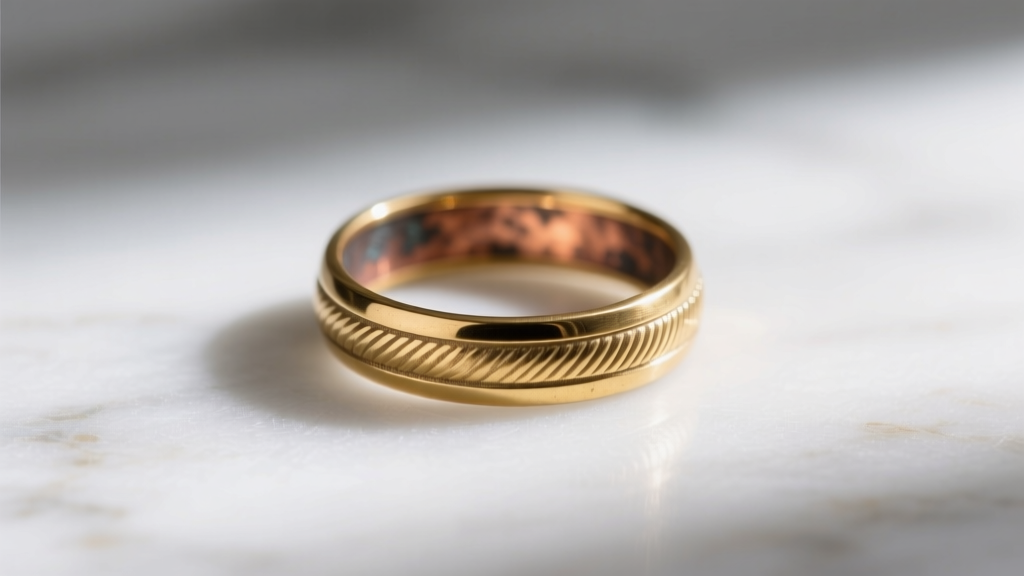
There are few things more disappointing in the world of accessories than slipping off your favorite ring at the end of the day, only to find a stubborn, dark green ring stamped onto your finger. For beginners building their jewelry collection, this raises an immediate and frustrating question: does gold plated jewelry turn green? The short answer is no, the gold itself does not. However, the base metal hiding underneath that microscopic layer of gold absolutely can.
In this comprehensive guide, we will break down the exact chemistry behind the dreaded green stain, examine which base metals are the worst offenders, and provide you with a practical, actionable framework to keep your skin stain-free and your jewelry looking pristine.
The Short Answer: Why Your Skin Turns Green
Pure gold (24-karat) is a noble metal, meaning it is highly unreactive. It will not rust, tarnish, or react with human skin. However, pure gold is far too soft for everyday jewelry, and it is also incredibly expensive. To make jewelry affordable and durable, manufacturers use a base metal—like brass or copper—and coat it with a microscopically thin layer of gold. This is known as gold plating.
According to the Gemological Institute of America (GIA), gold plating can be as thin as 0.17 microns (often called flash plating). Over time, friction, sweat, and environmental exposure wear this thin layer away. Once the gold barrier is compromised, the underlying base metal is exposed to your skin, setting the stage for a chemical reaction that leaves behind a green residue.
The Chemistry of the Green Stain
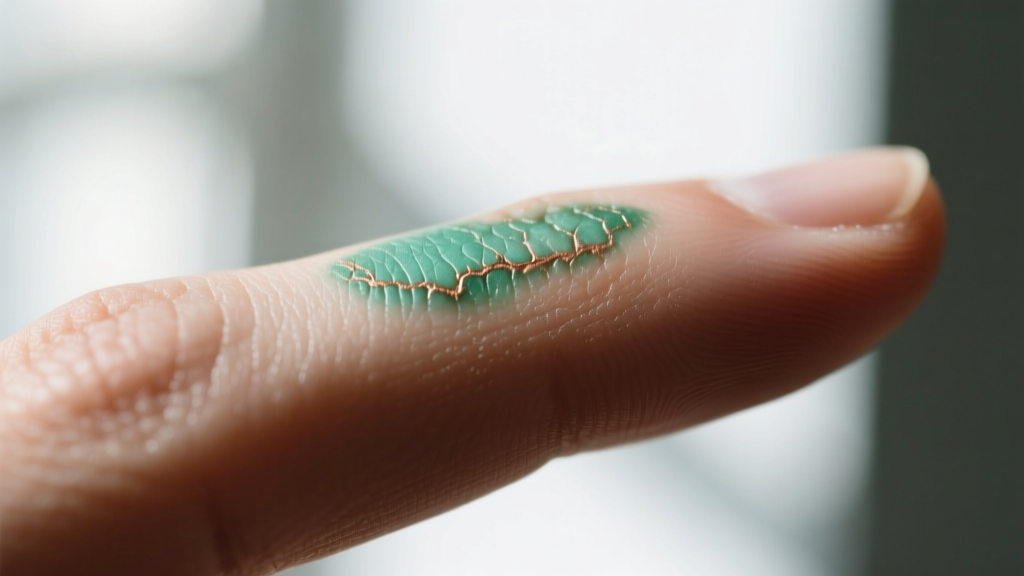
The green stain is not a sign of an allergic reaction or a toxic metal; it is simply a harmless oxidation process. When the base metal (usually copper or a copper alloy like brass) is exposed to oxygen, moisture, and the natural acids on your skin, it undergoes a chemical transformation.
The Role of Skin pH and Sweat
Human skin has a naturally acidic pH, typically ranging between 4.7 and 5.75. When you sweat, your body releases moisture mixed with salts, urea, and lactic acid. When this acidic moisture interacts with exposed copper, it creates copper chloride or copper sulfate. These compounds are naturally green and easily transfer to the porous surface of your skin. The American Academy of Dermatology notes that while contact dermatitis (a true metal allergy) causes red, itchy rashes, the green stain from copper oxidation is entirely harmless and washes off easily with soap and water.
Base Metals: The Real Culprits
Not all gold-plated jewelry is created equal. The likelihood of your jewelry turning your skin green depends entirely on what is hiding beneath the gold. Here is a breakdown of common base metals used in plated jewelry and their staining potential.
| Base Metal | Composition | Green Stain Risk | Durability & Notes |
|---|---|---|---|
| Brass | Copper and Zinc | High | Very common in affordable jewelry. Will almost certainly turn skin green once plating wears off. |
| Copper | Pure Copper | Very High | Rarely used alone for plated rings, but highly reactive. Turns skin green rapidly. |
| Sterling Silver | 92.5% Silver, 7.5% Copper | Low to Moderate | Used in Gold Vermeil. May cause slight green/black tarnish over long periods if the 7.5% copper reacts. |
| Stainless Steel | Iron, Chromium, Nickel | None | Highly durable and non-reactive. Will not turn skin green, but plating can still wear off over time. |
Plating Thickness: How Long Until It Wears Off?
The lifespan of your gold-plated jewelry before the base metal is exposed depends heavily on the thickness of the gold layer, measured in microns.
- Flash Plating (Under 0.17 microns): Often found in ultra-cheap, mass-market jewelry. The gold layer is practically a wash and can wear off within weeks of daily wear.
- Standard Gold Plated (0.5 to 1.0 microns): The industry standard for mid-range fashion jewelry. With proper care, this can last 6 to 12 months before showing base metal.
- Heavy Gold Electroplate (2.5+ microns): A thick, durable layer that can last for years. By FTC guidelines, jewelry must meet this thickness to be legally labeled as 'heavy gold electroplate'.
- Gold Vermeil (2.5+ microns over Sterling Silver): A premium option. Because the base is sterling silver rather than brass, even if the plating wears through, the risk of a green stain is minimal.
5 Proven Ways to Stop Gold Plated Jewelry From Turning Green
If you already own gold-plated pieces with brass or copper bases, you don't have to throw them away. You can create a barrier between the metal and your skin using these practical methods.
1. The Clear Coat Barrier Method
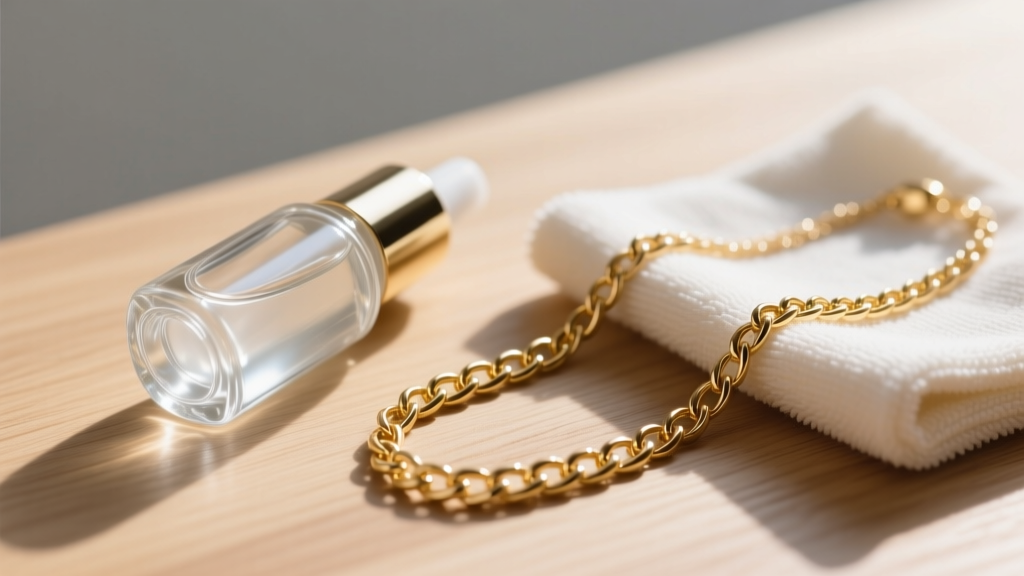
Painting the inside band of your rings or the back of your pendants with a specialized jewelry sealant (or a high-quality clear nail polish) creates a physical, waterproof barrier. This prevents sweat from ever reaching the base metal. Pro Tip: Reapply the sealant every few months, as it will eventually wear away from friction.
2. Manage Moisture and Chemical Exposure
Water and chemicals accelerate the degradation of gold plating. Always remove your plated jewelry before showering, swimming (chlorine is highly corrosive to gold plating), or working out. Apply your perfumes, lotions, and sunscreens at least 10 minutes before putting your jewelry on to prevent chemical breakdown.
3. Wipe Down After Every Wear
Keep a soft, lint-free microfiber cloth in your jewelry box. Before storing your pieces, gently wipe them down to remove the invisible layer of sweat, dead skin cells, and body oils that accumulate throughout the day. This simple habit drastically slows down the oxidation process.
4. Rotate Your Jewelry
Wearing the same plated ring every single day guarantees rapid wear. By rotating your jewelry and giving pieces a 'rest day,' you reduce the cumulative friction and acid exposure, extending the life of the gold plating significantly.
5. Upgrade to PVD or Solid Gold
If you are tired of the maintenance, it may be time to upgrade. Look for jewelry that uses PVD (Physical Vapor Deposition) coating on a stainless steel base. PVD is a modern vacuum-coating process that is up to 10 times more durable than traditional electroplating and will never turn your skin green. Alternatively, investing in solid 10k or 14k gold guarantees a lifetime of stain-free wear.
Final Thoughts
The green stain from gold-plated jewelry is not a sign of poor hygiene or a dangerous allergy; it is simply basic chemistry. By understanding the base metals involved and taking proactive steps to protect the plating, you can enjoy your favorite affordable accessories without the embarrassing green marks.
For more insights on identifying metal grades and caring for your collection, explore our comprehensive guides on Jewelers of America standards and always check the product descriptions for base metal disclosures before purchasing your next piece.


