What Is Gold Plate Jewelry? A Beginner's Guide to Buying & Care
Discover everything about gold plate jewelry. Learn how it differs from gold filled and vermeil, its lifespan, and expert tips to make it last.

The Science of Gold Plating: How It Is Actually Made
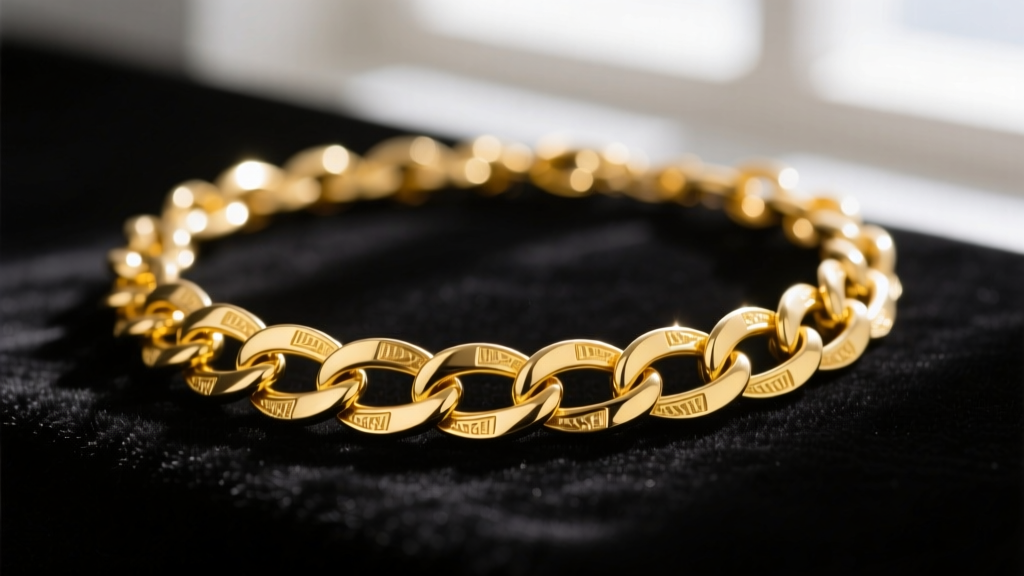
When you are shopping for affordable luxury, you will inevitably encounter the term gold plate jewelry. But what does it actually mean? At its core, gold plated jewelry consists of a base metal—typically brass, copper, or stainless steel—that has been coated with a microscopic layer of real gold. This is not a simple paint job; it is a complex electrochemical process known as electroplating.
During electroplating, the base metal jewelry piece acts as a cathode and is submerged in an electrolyte solution containing dissolved gold salts. A piece of pure gold acts as the anode. When an electrical current is applied, gold ions are drawn to the base metal, bonding to its surface to create a uniform, shimmering layer. According to the Gemological Institute of America (GIA), the quality and durability of this finish depend entirely on the thickness of the gold layer, which is measured in microns (one-millionth of a meter).
Understanding Micron Thickness
Not all gold plate jewelry is created equal. The industry categorizes plating by thickness, which directly dictates how long the piece will survive daily wear:
- Flash Plating (0.175 microns or less): Often found in ultra-cheap fast-fashion jewelry. This layer is so thin it can wear off within weeks of regular use.
- Standard Gold Plating (0.5 microns): The industry standard for mid-range fashion jewelry. It offers a beautiful finish but requires careful maintenance to last beyond a year.
- Heavy Gold Electroplate (2.5+ microns): Sometimes stamped as 'HGE'. This is the highest tier of plating, offering significantly more resistance to friction and tarnish, often lasting several years with proper care.
Gold Plated vs. Gold Filled vs. Vermeil: The Showdown
Beginners often confuse gold plating with other gold finishes. While they all feature a layer of real gold over a base metal, their manufacturing processes, legal definitions, and lifespans vary wildly. The Federal Trade Commission (FTC) strictly regulates these terms to protect consumers from misleading marketing. Below is a definitive breakdown to help you make informed purchasing decisions.
| Finish Type | Base Metal | Gold Thickness | Avg. Lifespan | Price Range |
|---|---|---|---|---|
| Gold Plated | Brass, Copper, Steel | 0.175 - 0.5 microns | 6 months - 2 years | $15 - $80 |
| Gold Vermeil | Sterling Silver (925) | 2.5+ microns | 2 - 5+ years | $50 - $250 |
| Gold Filled | Brass or Copper | 5% of total weight | 10 - 30 years | $40 - $200 |
| Solid Gold | None (Gold Alloy) | 100% Gold | Lifetime / Heirloom | $150 - $5,000+ |
As highlighted by Jewelers of America, the most critical distinction for allergy sufferers is the base metal. Gold plated jewelry often uses brass or nickel alloys underneath, which can cause severe contact dermatitis once the gold layer wears thin. If you have sensitive skin, always opt for gold vermeil (which uses hypoallergenic sterling silver) or solid gold.
The Lifespan Reality: How Long Does Gold Plate Jewelry Last?
The most common question beginners ask is regarding longevity. The honest truth? Gold plate jewelry is not an heirloom investment; it is a consumable fashion accessory. The lifespan of your gold plate jewelry depends on a triad of factors: friction, chemistry, and environment.
The Friction Factor
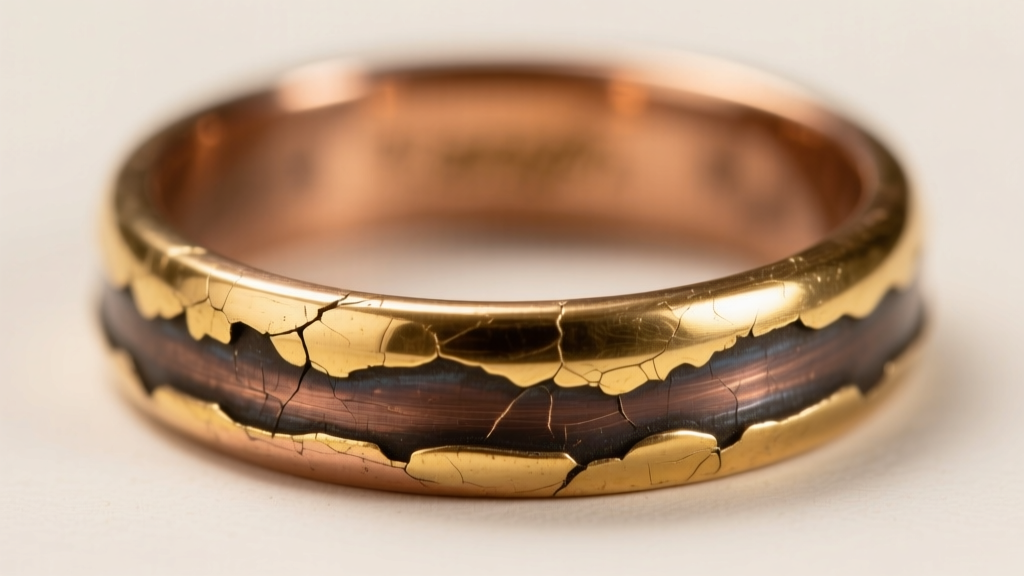
Rings and bracelets endure constant physical friction against desks, keyboards, and clothing. A gold plated ring worn daily may show base metal bleed-through within six months. Conversely, gold plated earrings or pendants, which experience minimal friction, can easily maintain their brilliant finish for three to five years.
The Chemistry of Your Skin
Human skin has a natural pH level that varies from person to person. Highly acidic skin chemistry will break down the microscopic gold layer much faster than neutral skin. Furthermore, the natural oils, sweat, and dead skin cells that accumulate under a ring or necklace chain create a corrosive environment that accelerates tarnishing of the underlying brass or copper.
Pro-Tip: If you notice a green or black stain on your skin beneath your jewelry, the gold plating has worn through. This is not toxic, but it is a chemical reaction between your skin's acids and the copper or brass base metal oxidizing.
Expert Care Protocol: Extending the Life of Plated Pieces
Because the gold layer is so fragile, you must adopt a defensive care strategy. Throwing your gold plate jewelry into a standard ultrasonic cleaner or using harsh chemical polishes will strip the gold layer instantly. Follow this strict protocol to maximize your investment.
What to Avoid at All Costs
- Chlorine and Saltwater: Never wear gold plated jewelry in swimming pools, hot tubs, or the ocean. Chlorine chemically reacts with the base metals and will cause the plating to flake and pit.
- Perfumes and Lotions: Always apply your skincare, sunscreen, and fragrances at least 10 minutes before putting on your jewelry. The alcohols and emulsifiers in these products degrade the gold finish.
- Abrasive Polishing Cloths: Never use standard silver polishing cloths on plated items. These cloths are embedded with micro-abrasives designed to remove tarnish, but they will sand off your gold plating simultaneously.
The Safe Cleaning Method
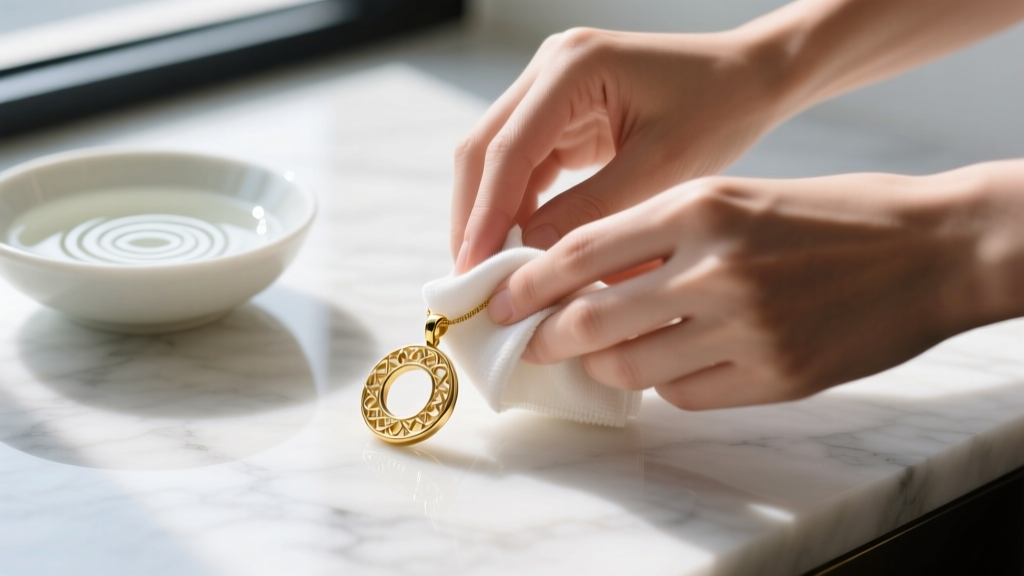
To clean your gold plate jewelry, fill a small bowl with lukewarm water and add two drops of mild, phosphate-free dish soap (like Dawn). Let the piece soak for exactly three minutes. Gently agitate the water with your fingers—do not scrub with a brush. Rinse thoroughly under cool running water and immediately pat dry with a lint-free microfiber cloth. Ensure the piece is 100% dry before storing it in an airtight ziplock bag to prevent ambient humidity from triggering base-metal oxidation.
When to Buy Gold Plate (And When to Invest in Solid)
Understanding the limitations of gold plate jewelry allows you to become a smarter, more strategic shopper. Gold plating serves a very specific purpose in a well-curated jewelry wardrobe, but it should not replace foundational pieces.
Buy Gold Plate For:
- Micro-Trends: Chunky chain links, oversized hoop earrings, or novelty pendants that you may only wear for a single season.
- Costume and Event Jewelry: Elaborate statement pieces worn for a wedding, gala, or photoshoot where visual impact matters more than generational longevity.
- Testing Silhouettes: If you are unsure whether you prefer yellow, white, or rose gold, or if a specific necklace length suits your neckline, buy a plated version to test the aesthetic before committing to a solid gold purchase.
Invest in Solid Gold or Gold Filled For:
- Everyday Staples: Your wedding band, daily stud earrings, and permanent necklace chains should always be solid 14k or 18k gold to withstand 24/7 wear and showering.
- Sentimental Gifts: Milestone birthday or anniversary gifts should be crafted from materials that will not degrade or turn the wearer's skin green over time.
Ultimately, gold plate jewelry is a fantastic gateway into the world of accessorizing. By understanding the electroplating process, recognizing the micron thickness, and adhering to a strict, gentle cleaning routine, you can keep your favorite affordable pieces looking luxurious and vibrant for years to come.


