How to Choose Chain Jewelry Gold: A Beginner Guide
Discover how to buy chain jewelry gold. Our beginner guide compares karats, durable link styles, secure clasps, and pricing for your first piece.

The Beginner’s Blueprint to Gold Chains
Navigating the world of gold necklaces and bracelets can feel like learning a new language. Between cryptic karat stamps, complex link geometries, and confusing pricing structures, buying your first piece of fine jewelry often leads to decision fatigue. However, understanding the fundamentals of chain jewelry gold transforms you from a vulnerable shopper into an informed collector. Whether you are looking for a delicate layering piece or a heavy, standalone statement necklace, the structural integrity and metallurgical composition of your chain will dictate its lifespan, repairability, and overall value. In this comprehensive guide, we strip away the retail jargon and break down the exact specifications you need to know before making a purchase.
Decoding Karats: The Metallurgy of Durability
Pure gold (24k) is inherently soft and malleable. If you were to craft a chain out of 24k gold, the links would stretch, warp, and eventually snap under the mere weight of a pendant. To solve this, metallurgists alloy pure gold with harder metals like copper, silver, zinc, and nickel. According to the Gemological Institute of America (GIA), the karat system measures the proportion of pure gold in these alloys, directly impacting the chain's tensile strength and color.
| Karat | Gold Purity | Durability Profile | Best Use Case |
|---|---|---|---|
| 24k | 99.9% | Extremely Soft (Prone to bending) | Investment pieces, not for daily wear chains |
| 18k | 75.0% | Moderate (Rich color, scratches easier) | High-end luxury chains, light pendants |
| 14k | 58.3% | High (Industry standard for longevity) | Everyday wear, heavy pendants, active lifestyles |
| 10k | 41.7% | Very High (Stiff, paler yellow hue) | Budget-friendly, high-stress bracelet chains |
For most beginners, 14k gold is the undisputed sweet spot. It offers a warm, authentic yellow hue while retaining enough structural rigidity to withstand daily friction and accidental snags.
Link Styles: A Masterclass in Structural Integrity
The geometry of the links determines not only the aesthetic of the chain but also its failure modes and repairability. Bench jewelers categorize chains by how easily they can be soldered if they break.
The Heavyweights: Curb, Figaro, and Rope
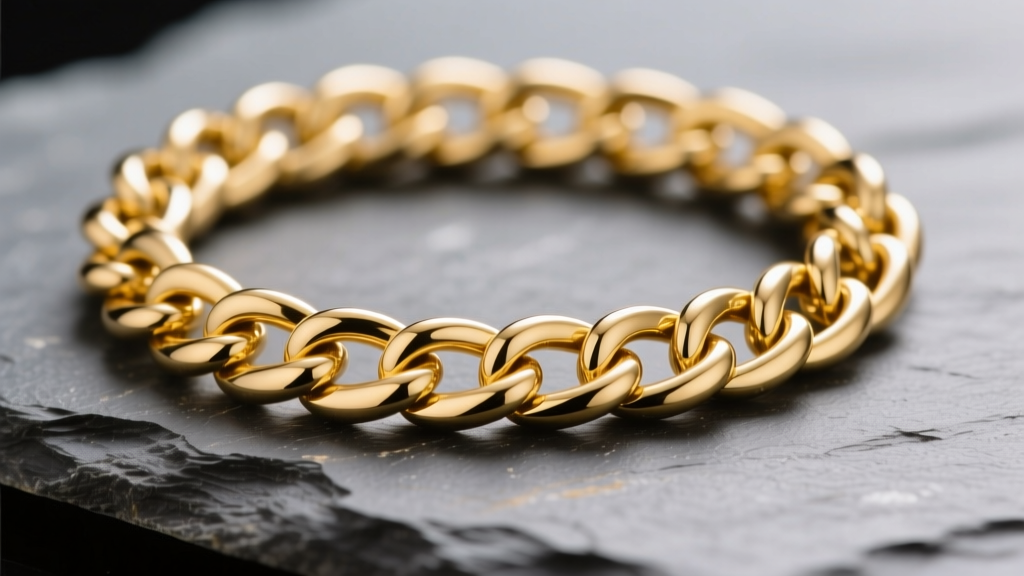
Curb and Figaro chains feature flattened, interlocking links that lay flush against the skin. Because the links are uniform and thick, they are highly resistant to snapping. If a curb chain breaks, a jeweler can easily re-solder the link using a standard torch. Rope chains are created by twisting oval links into a spiral. They are incredibly strong and reflect light beautifully. However, their failure mode is complex: if a rope chain snaps, the tension releases and the twist unravels. Repairing a rope chain requires precision laser welding, as traditional torches will melt the adjacent intricate twists into a solid, inflexible blob.
The Delicates: Cable, Box, and Wheat
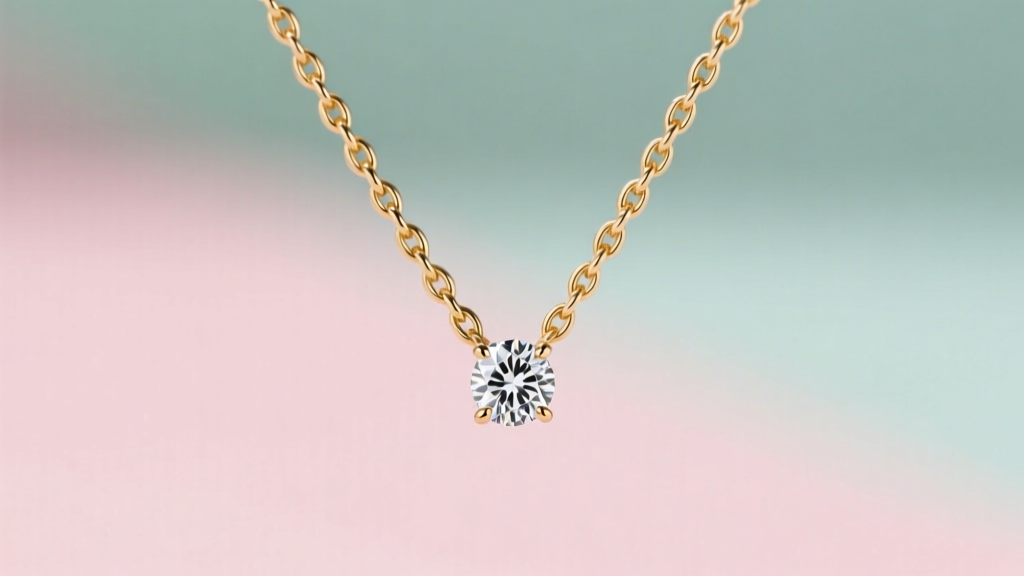
Cable chains consist of simple, uniform oval links. They are lightweight and ideal for holding small pendants, but they are prone to stretching if pulled. Box chains are made of square, interconnected links that create a smooth, fluid surface. While visually striking, box chains are notorious for kinking. Once a box chain kinks or crushes, it is often deemed unrepairable by jewelers because the square links lose their structural geometry. Wheat (or Spiga) chains feature woven, directional links that resemble stalks of wheat. They are remarkably resistant to kinking and pulling, making them a superior choice for heavy pendants.
Thickness and Length: Sizing Your Chain Jewelry Gold
Selecting the correct millimeter (mm) thickness is crucial for balancing aesthetics with structural safety. Here is a practical sizing framework:
- 0.8mm to 1.5mm (Ultra-Delicate): Best for minimalist layering or holding lightweight solitaire pendants (under 2 carats). High risk of snapping if worn alone during sleep or exercise.
- 2.0mm to 3.5mm (The Everyday Standard): The most versatile range. Thick enough to wear as a standalone piece, yet light enough to comfortably support medium-weight pendants without stressing the bail.
- 4.0mm to 6.0mm (Statement Weight): Heavy, substantial, and highly visible. These chains are meant to be worn alone. The links are thick enough to resist almost all daily wear-and-tear.
- 7.0mm and Above (Hip-Hop / Investment Grade): Extremely heavy and expensive. Often worn as outerwear statement pieces. Requires heavy-duty clasps to support the chain's own weight.
Regarding length, an 18-inch chain sits at the collarbone (ideal for pendants), a 20-inch chain falls just below the collarbone (the standard men's length), and a 24-inch chain rests on the upper chest.
Clasp Mechanics: The Unsung Hero of Chain Security
A chain is only as secure as its weakest point, which is almost always the clasp. The Federal Trade Commission (FTC) Jewelry Guides emphasize the importance of secure fastenings in fine jewelry, yet many retailers cut costs by attaching flimsy clasps to heavy chains.
Expert Bench Tip: Never pair a heavy chain (over 15 grams) with a standard spring-ring clasp. The internal wire spring in a spring-ring is incredibly thin and prone to fatigue failure. Always upgrade to a lobster clasp or a box clasp with a safety figure-eight latch.
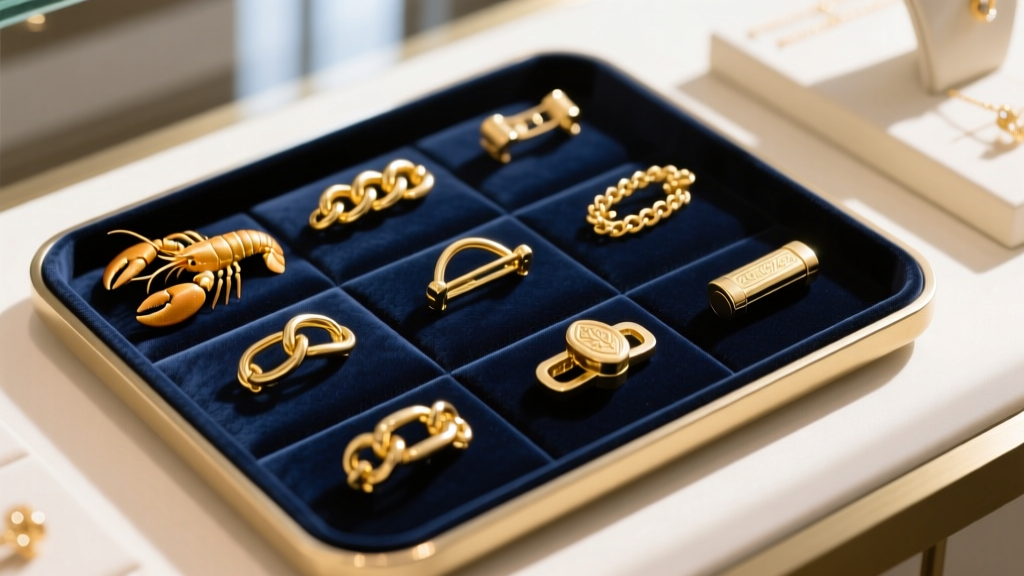
Lobster Clasps are named for their resemblance to a lobster's claw. They feature a thicker, solid-metal internal spring mechanism and a wider opening, making them significantly more durable and easier to operate than spring rings. For chains exceeding 5mm in thickness, a Box Clasp (often accompanied by a secondary wire safety latch) is mandatory. Box clasps distribute the tensile load across a wider surface area, preventing the clasp from tearing away from the end link.
Real-World Pricing: Understanding the Premium
When shopping for chain jewelry gold, beginners often wonder why a 10-gram chain costs significantly more than the daily spot price of 10 grams of raw gold. Retail pricing is calculated using a specific formula: (Gold Weight × Daily Spot Price) + Manufacturing Markup + Retail Margin.
Manufacturing markups vary wildly by link complexity. A simple, machine-made cable chain might carry a 10% to 15% manufacturing premium over the scrap gold value. Conversely, a hand-assembled, diamond-cut rope chain or a meticulously woven wheat chain can carry a 40% to 60% premium due to the intense labor and precision tooling required. When evaluating a purchase, calculate the gram weight and compare it to the current market rate. If the retail price is more than triple the melt value, you are paying a premium for brand prestige or highly specialized craftsmanship.
Maintenance, Tangles, and Longevity
Gold chains are susceptible to two primary enemies: chemical degradation and mechanical tangling. While gold itself does not tarnish, the alloy metals (like copper and silver in 14k gold) can react to harsh chemicals. Chlorine in swimming pools and hot tubs is particularly destructive; it causes a microscopic reaction known as "stress corrosion cracking," which can cause the links to become brittle and shatter under tension. Always remove your chain before swimming.
To prevent tangling—which weakens links through repetitive friction—store your chains hanging vertically on a jewelry arbor or laid perfectly flat in a lined drawer. If a chain does tangle, never pull it tight. Lay it on a flat surface, apply a drop of baby oil to the knot to reduce friction, and use two fine sewing needles to gently work the links apart from the center outward.
Final Verdict for the First-Time Buyer
If you are buying your very first piece of chain jewelry gold, prioritize longevity and versatility. Opt for a 14k yellow gold curb or cable chain in the 2.0mm to 3.0mm thickness range, sized at 18 or 20 inches. Ensure it is secured with a sturdy lobster clasp. This specific configuration provides the perfect balance of durability, timeless aesthetics, and repairability, ensuring your investment remains a staple in your wardrobe for decades to come.


