A Beginner's Guide to Buying 18 Karat Gold Jewelry
Discover if 18 karat gold jewelry is right for everyday wear. Learn about 18k durability, pricing, color alloys, and essential care tips.

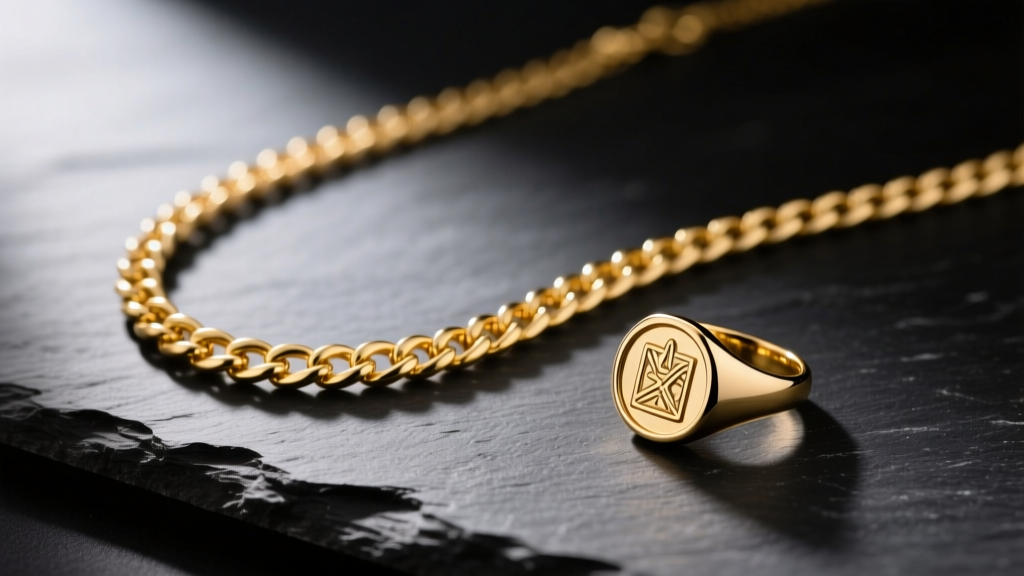
The 75/25 Rule: What Exactly is 18k Gold?
When you begin shopping for fine jewelry, the terminology can quickly become overwhelming. Among the most common questions beginners ask is what the karat system actually means. Pure gold, known as 24 karat (24k), is exceptionally soft and malleable—so soft that a pure gold ring would bend out of shape within days of daily wear. To solve this, metallurgists alloy pure gold with other metals to increase its structural integrity.
This brings us to 18 karat gold jewelry. The karat system divides pure gold into 24 parts. Therefore, 18k gold consists of 18 parts pure gold and 6 parts alloy metals. In percentage terms, this translates to exactly 75% pure gold and 25% alloy. In many European and international markets, you will see this stamped as "750" rather than "18k", a hallmark regulated by strict assaying standards. According to the Federal Trade Commission (FTC) Jewelry Guides, any piece sold as 18k gold in the United States must meet this strict 75% purity threshold, allowing for only a minuscule tolerance of 3 parts per thousand.
Expert Insight: The 75/25 ratio is widely considered the "sweet spot" in luxury jewelry. It provides the rich, saturated color and hypoallergenic benefits of high-purity gold while retaining just enough alloyed strength to securely hold gemstones in prong settings.
18k vs. 14k: The Durability and Hardness Debate
The most common alternative to 18k gold in the United States is 14k gold (58.3% pure gold). Beginners often assume that more gold means a stronger piece of jewelry, but the opposite is true regarding physical hardness. To measure this, jewelers use the Vickers Hardness (HV) scale.
An 18k yellow gold ring typically registers around 135 HV to 150 HV on the Vickers scale. By comparison, a 14k yellow gold ring registers between 160 HV and 180 HV. This means 14k gold is physically harder and more resistant to surface scratching. However, hardness is not the only metric that matters. 18k gold is significantly more malleable and ductile than 14k gold. When an 18k gold prong is pushed over a diamond, it yields smoothly and holds the stone with a secure, dead-soft grip. A 14k prong, being harder and more brittle, has a higher tendency to snap or develop microscopic stress fractures when bent repeatedly during stone setting.
| Metric | 18k Yellow Gold | 14k Yellow Gold |
|---|---|---|
| Pure Gold Content | 75.0% | 58.3% |
| Vickers Hardness (HV) | ~135 - 150 HV | ~160 - 180 HV |
| Scratch Resistance | Moderate (Develops Patina) | High |
| Prong Security | Excellent (Malleable grip) | Good (Can be brittle) |
| Hypoallergenic Properties | Excellent | Variable (Depends on alloy) |
Color Variations: The Alchemy of 18k Alloys
The 25% alloy matrix in 18 karat gold jewelry is not just there for strength; it is the palette jewelers use to create different gold colors. The Gemological Institute of America (GIA) notes that the specific ratios of copper, silver, zinc, and palladium completely alter the visual and physical properties of the final metal.
18k Yellow Gold
Classic 18k yellow gold is typically alloyed with 12.5% copper and 12.5% fine silver. This equal split of copper and silver maintains the warm, buttery yellow hue of pure gold while neutralizing the reddish tint that copper would otherwise introduce. This is the most traditional choice for vintage-style engagement rings and luxury watches.
18k Rose Gold
Rose gold achieves its romantic pinkish-red hue by heavily skewing the alloy toward copper. A standard 18k rose gold recipe consists of 75% gold, 22.25% copper, and just 2.75% silver. Because copper is a relatively hard metal, 18k rose gold is often slightly harder and more durable than its yellow counterpart, making it an excellent choice for everyday wear rings.
18k White Gold
Pure gold is inherently yellow, so creating white gold requires powerful "bleaching" metals. Premium 18k white gold is alloyed with 25% palladium, which yields a naturally grayish-white metal that is highly hypoallergenic. Mass-market 18k white gold often uses nickel instead of palladium to cut costs, but nickel is a known contact allergen. Regardless of the alloy, almost all 18k white gold is plated with rhodium (a platinum group metal) to a thickness of 0.1 to 0.5 microns to achieve a mirror-like, brilliant white finish.
Real-World Pricing: What Should You Expect to Pay?
Because 18k gold contains nearly 30% more pure gold than 14k gold, it commands a significant premium. However, retail pricing is not strictly tied to the melt value of the metal; it also factors in the luxury positioning of 18k pieces. According to market data tracked by the World Gold Council, the raw material cost difference is substantial, but the retail markup on 18k jewelry is often higher due to the specialized craftsmanship required to work with softer, high-karat metals.
- Plain Wedding Bands (2mm): A standard 14k gold band might retail for $300 to $400. The exact same design in 18k gold will typically range from $550 to $750.
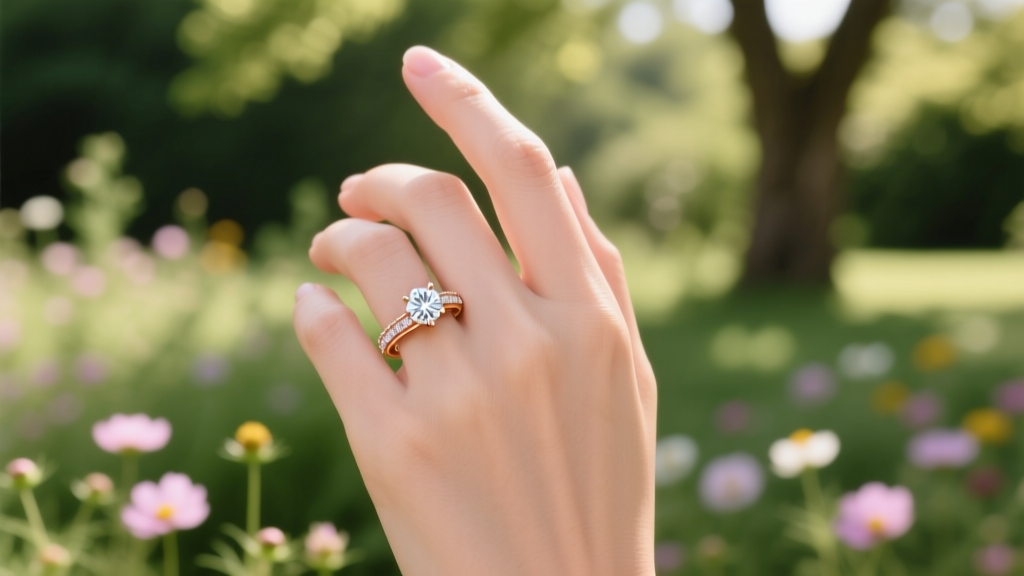
- Solitaire Engagement Rings: Upgrading a setting from 14k to 18k gold usually adds $400 to $800 to the base price of the mounting, excluding the center diamond.
- Body Jewelry: For healed piercings, an 18k gold 14-gauge septum clicker or labret stud will often cost between $150 and $350, prized for its biocompatibility compared to steel or lower-karat golds.
The Chlorine Danger: Care and Maintenance
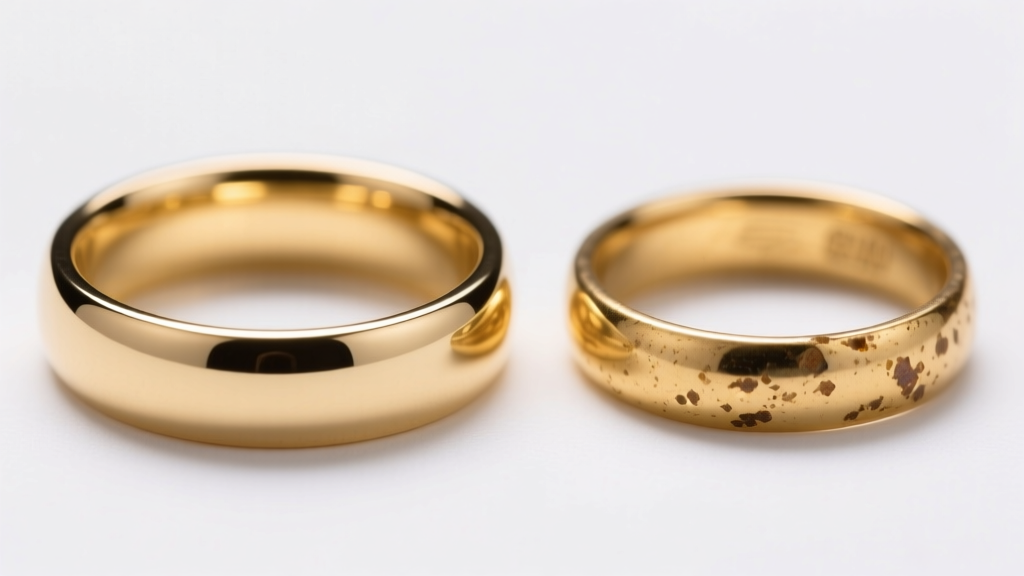
The most critical piece of advice for any beginner buying 18 karat gold jewelry is understanding its chemical vulnerabilities. While 18k gold will not tarnish or rust, the 25% alloy matrix is highly susceptible to chemical attack, specifically from chlorine.
When 18k gold is exposed to chlorinated water (such as swimming pools or hot tubs) or harsh household bleach, the chlorine reacts with the copper and silver alloys. This triggers a catastrophic failure mode known as stress corrosion cracking. The chlorine literally dissolves the alloy matrix at a microscopic level, leaving the pure gold unsupported. If the ring is under any physical tension—such as the curve of the ring shank or the bend of a prong—the metal will suddenly snap and shatter like glass. This damage is irreversible and is rarely covered by jewelry warranties.
To maintain your 18k gold pieces:
- Always remove rings and bracelets before entering a pool, hot tub, or using bleach-based cleaners.
- Embrace the patina. 18k yellow and rose gold will develop a soft, satin-like patina over time as microscopic scratches accumulate. Many collectors prefer this "lived-in" luster over a high polish.
- Use a soft-bristled baby toothbrush and a solution of warm water with a few drops of mild, phosphate-free dish soap for routine cleaning. Avoid ultrasonic cleaners for 18k white gold, as the high-frequency vibrations can strip the rhodium plating prematurely.
Final Verdict: Is 18k Right for You?
Choosing 18 karat gold jewelry is an investment in color, prestige, and skin safety. If you have a history of metal allergies, work in an environment where your jewelry won't be subjected to heavy physical impacts, and appreciate the deep, rich saturation that only 75% pure gold can provide, 18k is the undisputed champion of fine jewelry. While it requires a higher upfront budget and a mindful approach to chemical exposure, the heirloom-quality beauty of 18k gold makes it a cornerstone of any serious jewelry collection.


