Troubleshooting Blue and Gold Jewelry: Repair Guide
Is your favorite piece fading or chipping? Learn how to troubleshoot, clean, and repair common damage in blue and gold jewelry with expert tips.

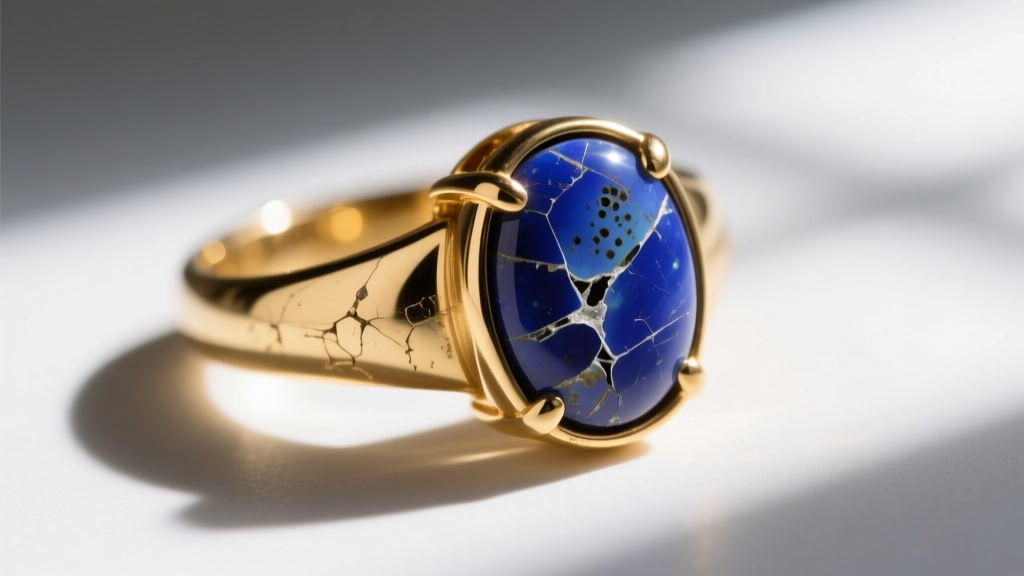
The Hidden Vulnerabilities of Blue and Gold Jewelry
The combination of rich yellow or white gold with vibrant blue gemstones or enamel is a timeless aesthetic, evoking everything from ancient Egyptian royalty to mid-century modern elegance. However, from a gemological and metallurgical perspective, blue and gold jewelry presents a unique matrix of structural vulnerabilities. The very stones that provide that coveted azure hue—such as turquoise, lapis lazuli, and treated blue topaz—are often highly reactive, porous, or sensitive to environmental stressors. When paired with gold settings, particularly in rings and bracelets subjected to daily impact, these pieces frequently suffer from discoloration, enamel fracturing, and localized metal wear.
Troubleshooting these issues requires moving beyond generic jewelry care advice. You must understand the specific failure modes of blue materials and how they interact with gold alloys. This guide provides actionable, expert-level solutions for diagnosing and repairing the most common problems plaguing blue and gold jewelry in 2026.
The Porous Stone Crisis: Turquoise and Lapis Lazuli Discoloration
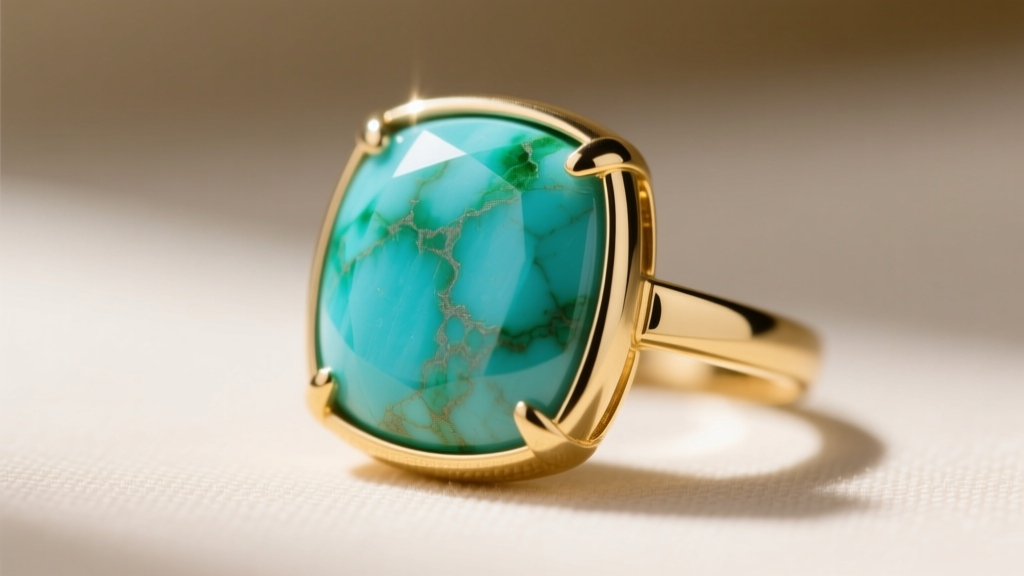
Unlike sapphires or diamonds, turquoise (Mohs 5-6) and lapis lazuli (Mohs 5-5.5) are highly porous, aggregate materials. When set in gold bezels or prongs, they are constantly exposed to skin oils, lotions, and cosmetics. The most frequent complaint we see is turquoise turning a dull, mottled green or black near the gold setting.
Diagnosing the Discoloration
This color shift is not a defect in the gold; it is a chemical reaction within the stone. Turquoise is a hydrous phosphate of copper and aluminum. When it absorbs oils and acidic sweat, the copper reacts, altering the stone's refractive index and color. Lapis lazuli, which contains calcite and pyrite inclusions, can absorb oils into its calcite matrix, causing dull, yellowish-white patches that look like permanent staining against the blue lazurite.
Targeted Solutions and Prevention
- Surface Cleaning: Never use ultrasonic cleaners or steamers. The cavitation bubbles will literally tear the porous surface of untreated turquoise apart. Instead, use a barely damp microfiber cloth with a drop of pH-neutral dish soap, wiping only the surface and immediately drying it.
- The Acetone Test: If you suspect your lapis lazuli has been dyed (a common practice to enhance blue color), dab a cotton swab in pure acetone and rub an inconspicuous area near the gold bezel. If blue transfers to the swab, the stone is dyed and will continue to bleed onto your skin and the gold setting if exposed to alcohols or perfumes.
- Stabilization Maintenance: Many modern turquoise pieces are 'stabilized' with epoxy resins to prevent oil absorption. If your stabilized turquoise begins to look chalky, the resin has degraded. A professional lapidary can re-impregnate the stone using a vacuum chamber and optically clear stabilizer, restoring its vivid blue without altering the gold setting.
Enamel Chipping and Thermal Shock in Gold Settings
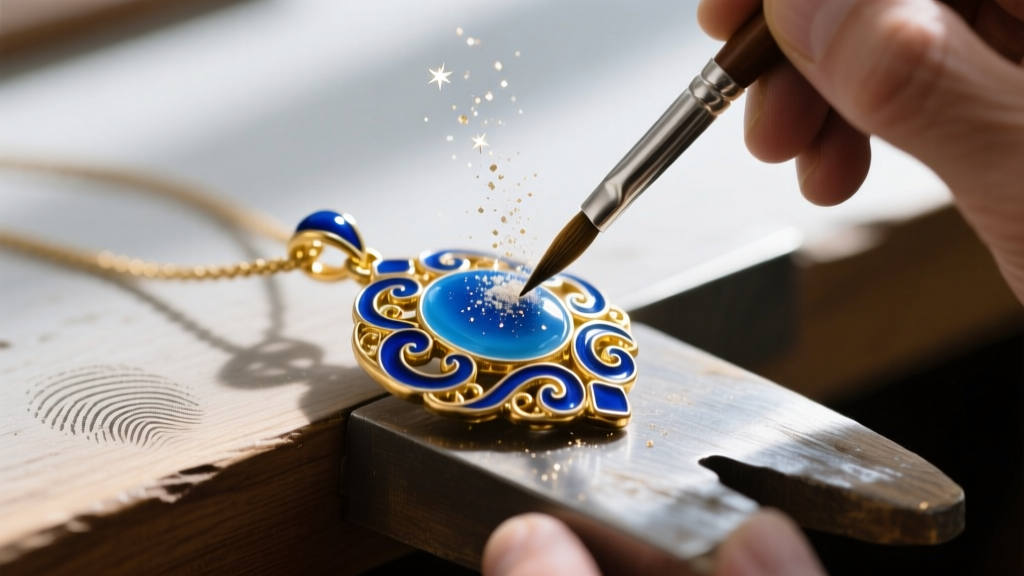
Blue enamel on gold—whether cloisonné, champlevé, or guilloché—is exceptionally fragile. Enamel is essentially powdered glass fused to metal at temperatures exceeding 1,400°F (760°C). The primary cause of chipping or cracking in blue enamel jewelry is thermal shock and differing coefficients of thermal expansion between the gold substrate and the vitreous glass.
Why the Enamel is Popping Out
Gold is a highly malleable metal. If you wear an 18k gold and blue enamel ring and strike it against a hard surface, the gold will bend or dent slightly. The vitreous enamel, however, has zero flexibility. This micro-flexing breaks the chemical bond between the glass and the metal, causing the enamel to pop out in tiny shards. Furthermore, sudden temperature changes (like washing hands in hot water while wearing a cold ring) cause the gold to expand faster than the enamel, resulting in hairline fractures known as 'crazing'.
Repairing Enamel Damage
If your blue enamel has chipped, do not attempt to fill it with clear nail polish or superglue; these will yellow and ruin the piece's value. You have two professional repair routes:
- Vitreous Re-firing: A master enamelist will carefully grind out the damaged area, pack it with matching cobalt or lapis-colored glass powder, and re-fire it in a kiln. This requires the gold setting to be stripped of any heat-sensitive gemstones first.
- Cold Enamel (Epoxy) Filling: For antique pieces or gold settings with diamonds that cannot withstand kiln heat, jewelers use specialized jewelry-grade epoxies (cold enamel). While not as durable or light-reflective as fired glass, modern epoxies can be color-matched perfectly to the original blue and sanded flush with the gold channels.
Fading Blues: UV Sensitivity in Topaz and Sapphire
Not all blue stones are created equal in the light spectrum. While natural blue sapphires (Mohs 9) are incredibly stable, the vast majority of affordable blue topaz on the market achieves its color through artificial irradiation followed by heat treatment. Prolonged exposure to direct UV sunlight can cause certain treated blue topaz stones to fade or develop a brownish undertone over years of wear.
Additionally, some sapphires undergo lattice diffusion or fracture filling with lead-glass to improve clarity. If your gold-set sapphire is fracture-filled, exposing it to harsh chemicals or even mild acids (like lemon juice or certain jewelry dips) will etch the glass filler, leaving a dull, white, web-like appearance inside the blue stone. Always verify if your sapphire is 'unheated' or 'fracture-filled' before attempting any cleaning near the gold prongs.
Gemstone and Gold Setting Vulnerability Matrix
Understanding the specific physical properties of your blue materials is critical for troubleshooting. Use this matrix to determine the safest care protocols for your specific piece.
| Blue Material | Mohs Hardness | Porosity & Sensitivity | Ideal Gold Setting | Strictly Avoid |
|---|---|---|---|---|
| Natural Sapphire | 9.0 | Low; sensitive to thermal shock if heavily included | 14k or 18k Prong or Bezel | Extreme heat on fracture-filled stones |
| Blue Topaz (Treated) | 8.0 | Low; cleavage planes make it prone to splitting | 14k Bezel or Protective Prong | Hard impacts, prolonged UV exposure |
| Turquoise | 5.0 - 6.0 | High; absorbs oils, cosmetics, and acids | 14k or 18k Heavy Bezel | Ultrasonics, steam, chemicals, soaking |
| Lapis Lazuli | 5.0 - 5.5 | High; calcite inclusions react to mild acids | 14k Bezel (avoid high prongs) | Acidic cleaners, ultrasonics, abrasives |
| Vitreous Enamel | 5.5 - 6.5 | None; highly sensitive to impact and bending | 18k or 22k (rigid, thick bases) | Bending the gold, thermal shock |
The Mixed-Media Dilemma: Cleaning Stones Without Stripping Gold
A massive troubleshooting hurdle occurs when a piece features porous blue stones set in gold vermeil (gold plated over sterling silver) or gold-plated brass. Owners often use commercial silver dip or harsh gold polishing cloths to clean the metal, which inadvertently splashes onto the turquoise or lapis, permanently ruining the stone. Conversely, using a wet cloth to clean the stone causes water to pool in the microscopic gaps between the stone and the gold plating, accelerating the oxidation of the base metal and causing the gold plating to flake off.
The Dry-Isolation Cleaning Method
To clean mixed-media blue and gold jewelry without causing cross-contamination damage:
- Mask the Stone: Use painter's tape or a liquid latex masking fluid to completely cover the blue gemstone or enamel, ensuring it overlaps slightly onto the inner edge of the gold bezel.
- Clean the Metal: Use a specialized, non-abrasive gold polishing cloth on the exposed metal. Avoid liquid dips entirely.
- Unmask and Detail: Peel the mask. Use a dry, soft-bristled makeup brush to dust the surface of the blue stone. If the stone requires deeper cleaning, use a slightly damp Q-tip, carefully avoiding the gold-to-stone seam to prevent moisture entrapment.
When to Seek Professional Intervention
While surface cleaning and preventive care can be managed at home, certain failure modes require a master jeweler or lapidary. According to the Gemological Institute of America (GIA), attempting to re-seat a loose porous stone in a gold bezel at home often results in catastrophic cracking, as the metal must be burnished with significant pressure. If your turquoise rattles in its gold setting, or if your blue enamel shows deep crazing that catches on fabrics, remove the piece immediately and consult a professional. Furthermore, the Jewelers of America recommends annual prong and bezel inspections for all soft-stone jewelry to ensure the gold housing has not warped, which is the leading cause of sudden stone loss and edge chipping.


