Will Gold Plated Jewelry Turn Green? The Metallurgy & Science
Discover the exact metallurgical reasons why gold plated jewelry turns skin green, including micron thickness standards and base metal reactions.

The Short Answer: Galvanic Corrosion and Base Metal Oxidation
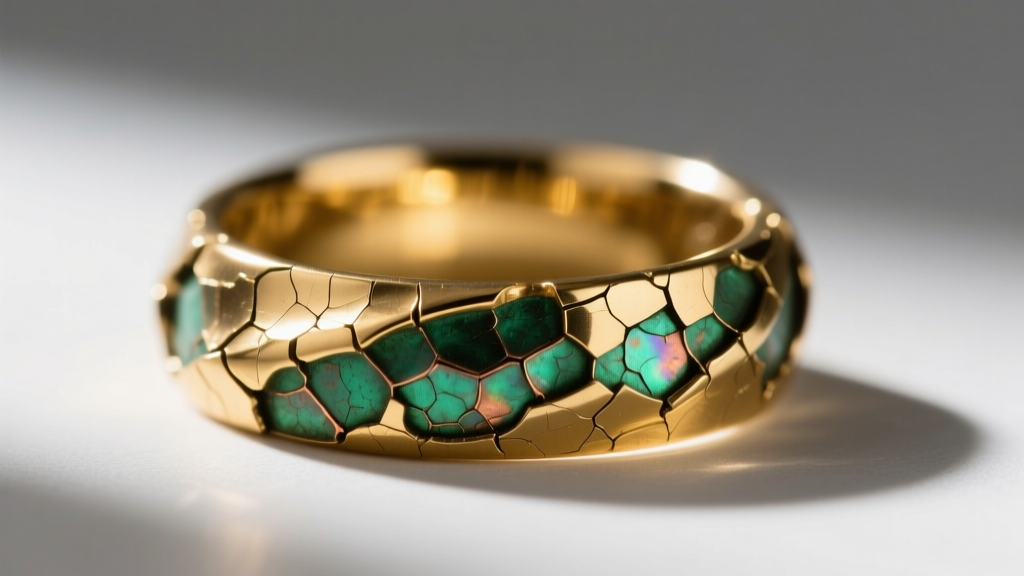
To answer the question directly: pure gold (Au) is a noble metal and will never turn your skin green. However, when consumers ask, "will gold plated jewelry turn green", they are actually observing a chemical reaction involving the base metal hidden beneath the microscopic gold veneer. The green residue is not a sign of toxicity or poor hygiene; it is the result of copper oxidation and galvanic corrosion. When the ultra-thin gold layer fractures or wears away, the underlying copper-rich alloys are exposed to the acidic microenvironment of human skin, resulting in the formation of copper chlorides and copper sulfides—compounds that manifest as a dark green or blackish smudge on the epidermis.
The Metallurgy of Plating: Why Thickness Dictates Longevity
The likelihood and speed of a piece turning your skin green are inversely proportional to the thickness of the gold plating, measured in microns (µm). The Federal Trade Commission (FTC) Jewelry Guides strictly regulate the terminology manufacturers can use based on these exact measurements. Understanding these classifications is critical for predicting the lifespan of the plating before the base metal is exposed.
| Plating Classification | Minimum Thickness | Average Durability | Green Skin Risk Profile |
|---|---|---|---|
| Flash / Wash Plating | < 0.175 microns | 1 - 3 months | Extremely High (Rapid wear) |
| Standard Gold Plated | 0.5 microns | 6 - 12 months | High (Friction points fail first) |
| Heavy Gold Electroplate (HGE) | 2.5 microns | 2 - 5 years | Low (Requires heavy abrasion) |
| Gold Vermeil (Over Sterling) | 2.5 microns | 3 - 7 years | Very Low (Silver oxidizes black, not green) |
Flash plating, commonly found in fast-fashion accessories, deposits a layer of gold so thin that it is inherently porous at a microscopic level. Moisture and sebum easily penetrate these micro-fissures, reaching the brass core and initiating oxidation long before the gold visibly rubs off.
The Chemical Culprits: Sweat, Sebum, and Cosmetics
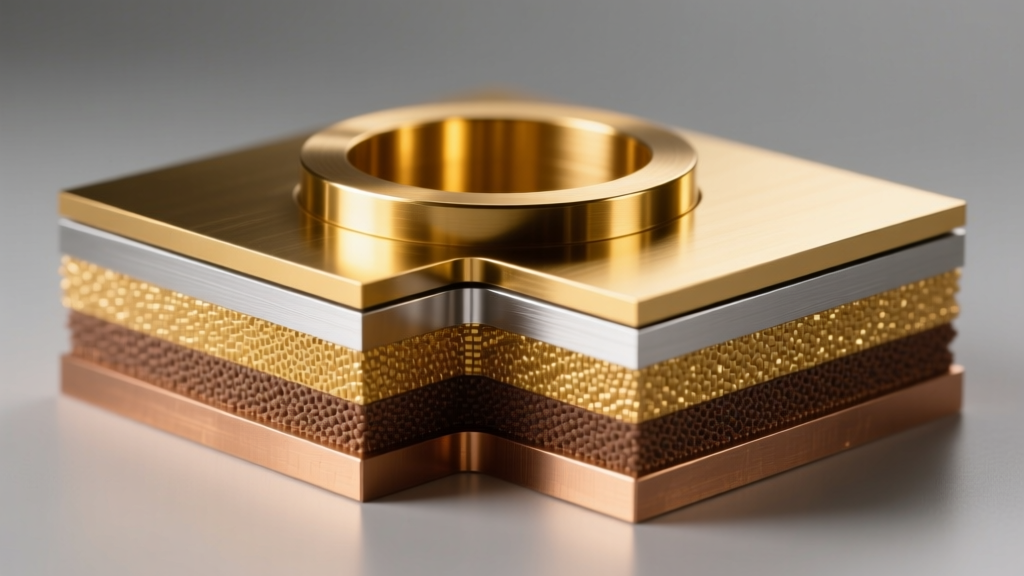
Human skin is a highly active chemical environment. The average pH of human sweat ranges from 4.5 to 7.0, making it mildly acidic. When this acidity combines with the specific compounds found in sebum and environmental pollutants, it creates an electrolytic solution that accelerates the corrosion of base metals.
- Sodium Chloride (Salt): Found abundantly in sweat, chloride ions aggressively attack copper atoms in the brass alloy, forming cupric chloride, which presents as a vivid green crust.
- Lactic Acid & Urea: These organic compounds lower the local pH, dissolving the microscopic oxide layer that naturally protects brass and accelerating the leaching of copper ions.
- Sulfur Compounds: Found in certain lotions, rubber bands, and environmental pollution, sulfur reacts with copper to form copper sulfide, which typically manifests as a black or dark grey tarnish rather than green.
- Cosmetic Emulsifiers: Liquid foundations and body lotions often contain zinc oxide or titanium dioxide. These microscopic particles act as a mild abrasive, physically grinding away the 0.5-micron gold layer through friction.
Base Metal Variables: Not All Cores Are Created Equal
The specific alloy used as the core of the jewelry dictates the exact color and severity of the skin discoloration. According to metallurgical data outlined by the Gemological Institute of America (GIA), the karatage and color of the gold plating do not affect the green reaction; only the core metal matters.
Brass (Copper + Zinc)
The most common base metal for affordable gold-plated jewelry. Because brass contains 60-70% copper, it is the primary culprit behind severe green skin reactions. The zinc offers some structural integrity but does little to prevent copper oxidation once the gold barrier is breached.
Bronze (Copper + Tin)
Similar to brass, bronze will turn skin green due to its high copper content. However, the addition of tin makes the alloy slightly harder and more resistant to initial corrosion, meaning the green reaction may take slightly longer to manifest compared to soft brass.
Stainless Steel (Iron + Chromium + Nickel)
Gold-plated stainless steel will not turn your skin green. The chromium in stainless steel forms a passive, self-healing oxide layer that prevents the green copper-chloride reaction. However, if the steel contains high levels of nickel, it may cause a red, itchy allergic contact dermatitis, which is frequently misidentified by consumers as a metal "reaction."
Sterling Silver (92.5% Silver + 7.5% Copper)
When gold is plated over sterling silver (a process known as Vermeil), the risk of green skin is vastly reduced. While the 7.5% copper in sterling silver can theoretically oxidize, silver predominantly reacts with sulfur to form silver sulfide (black tarnish). Therefore, failing vermeil typically leaves black marks, not green ones.
The Nickel Strike Layer: A Hidden Complication
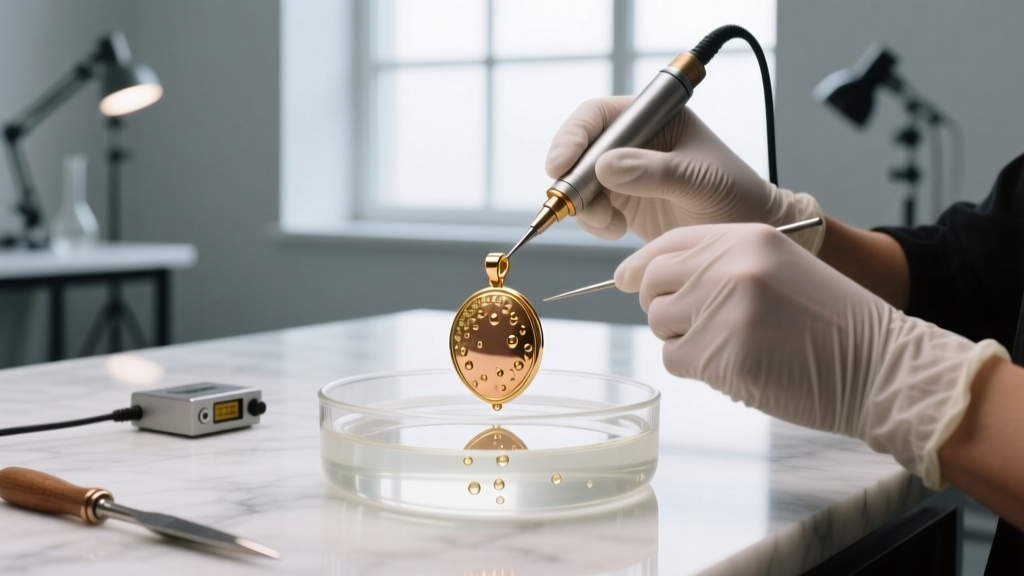
In high-quality electroplating, manufacturers often apply a "nickel strike"—a microscopically thin layer of nickel between the brass core and the gold exterior. This is done because gold bonds poorly to raw brass, and the nickel provides a smooth, highly reflective surface that levels out microscopic imperfections in the casting.
While this improves the visual brilliance of the gold, it introduces a secondary failure mode. Under the principles of galvanic corrosion, if sweat penetrates through the gold and nickel layers down to the brass, a galvanic cell is formed. The brass acts as the anode and corrodes rapidly, while the gold and nickel act as cathodes. This accelerated localized corrosion causes the plating to blister and flake off in chunks, exposing large areas of copper to the skin simultaneously.
Advanced Prevention: E-Coating and Rhodium Barriers
To combat the inevitable wear of gold plating, modern jewelry engineering utilizes advanced barrier technologies. If you are prone to the green skin effect, seeking out pieces treated with these methods is highly recommended.
Expert Insight: Electrophoretic Deposition (E-coating) involves submerging the plated jewelry in a chemical bath and applying an electrical current to fuse a 10-to-20-micron layer of clear acrylic or epoxy resin over the gold. This physical barrier completely isolates the metal from skin acids, effectively eliminating the green reaction until the resin itself wears away, which typically takes years of daily friction.
Alternatively, some manufacturers use a rhodium strike beneath white gold plating. Rhodium is a platinum-group metal that is entirely inert and hypoallergenic. Even if the top layer of white gold wears thin, the rhodium barrier prevents skin acids from reaching the reactive brass core.
Expert Troubleshooting: Restoring and Maintaining Plated Pieces
If your gold-plated jewelry has already begun to turn your skin green, the structural integrity of the plating has been compromised. You cannot reverse the wear, but you can manage the chemical reaction.
- Remove Existing Oxidation: Soak the jewelry in a solution of warm water and a few drops of mild, phosphate-free dish soap. Use an ultra-soft baby toothbrush to gently dislodge the green copper chloride crust from the micro-fissures. Never use baking soda or toothpaste, as their high Mohs hardness will scratch away the remaining gold veneer.
- Apply a Temporary Polymer Barrier: For a quick, DIY fix on the inner band of a ring, apply a thin coat of clear, non-toxic nail polish or a specialized jewelry barrier like JewelSkin. This creates an immediate physical shield between the exposed copper and your sweat.
- Control the Microenvironment: Remove gold-plated rings before applying hand sanitizers or lotions. The high alcohol and emulsifier content in these products strips the skin's natural lipid barrier, creating a highly conductive, acidic environment that accelerates copper leaching.
- Upgrade to Vermeil or Solid: For items worn in high-friction, high-moisture areas (like rings and bracelets), transition to 14k solid gold or heavy Gold Vermeil. The initial capital expenditure is offset by the complete elimination of base-metal oxidation and the resulting skin discoloration.


