Restoring 80s Gold Jewelry: Expert Cleaning & Care Tips
Discover expert tips for cleaning and maintaining 80s gold jewelry. Learn how to safely restore vintage hollow ropes, chunky chains, and textured gold.

The Unique Anatomy of 1980s Gold Pieces
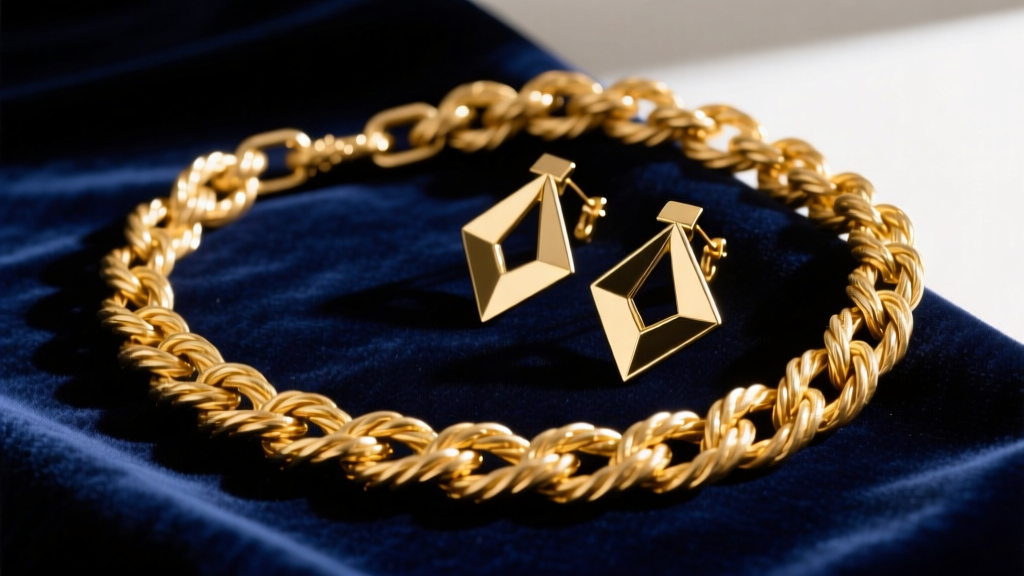
The 1980s was an era of unapologetic opulence in jewelry design. When we talk about 80s gold jewelry, we are usually referring to bold, oversized silhouettes: chunky curb chains, heavy geometric bamboo earrings, wide herringbone necklaces, and intricate hollow rope chains. However, caring for these vintage pieces requires a deep understanding of how they were manufactured four decades ago.
During the 1980s, the price of gold experienced massive volatility. To keep bold, heavy-looking pieces affordable, jewelers heavily utilized electroforming and hollow-construction techniques. While a modern solid 14k gold chain might weigh 20 grams, an authentic 1980s hollow rope chain of the exact same dimensions might weigh only 4 grams. Furthermore, the alloy mixes of the 80s often leaned heavily on copper to achieve a warm, rich yellow hue, making these vintage pieces more susceptible to oxidation and verdigris (green tarnish) than modern, nickel-or-palladium-whitened alloys.
Before applying any cleaning solution, you must identify whether your vintage piece is solid gold, hollow gold, or heavy gold electroplate (HGE), which was incredibly popular in 80s fashion jewelry. According to the Gemological Institute of America (GIA), understanding the exact karat and construction of your gold is the first step in preventing irreversible damage during the cleaning process.
Step-by-Step Cleaning Guide for Textured & High-Polish 80s Gold
Cleaning vintage gold is not as simple as wiping it down. Decades of accumulated skin oils, lotions, and environmental pollutants can become baked into the crevices of complex 80s link patterns. Here is the safest, most effective framework for deep cleaning.
1. The Dry Prep and Inspection
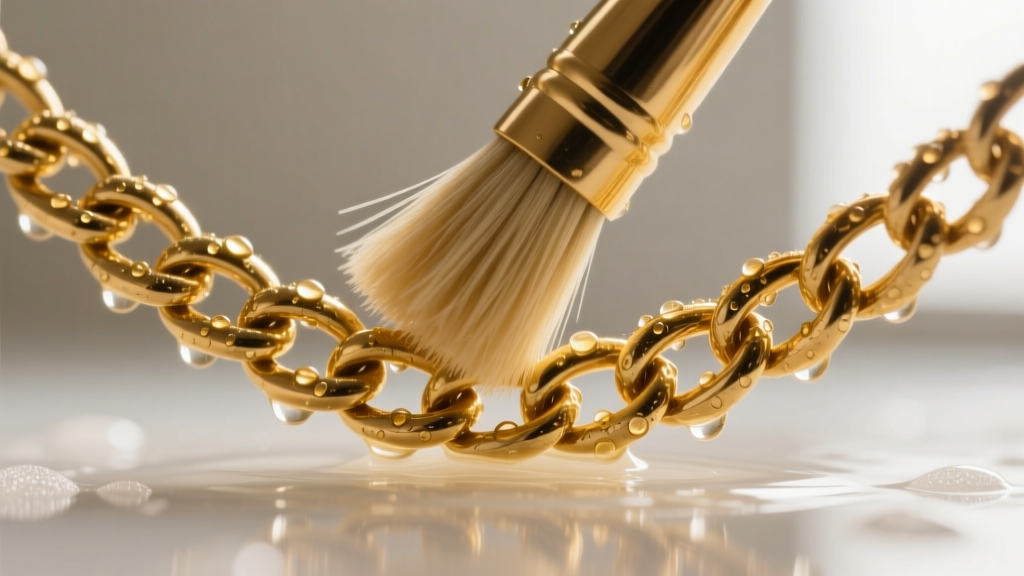
Never introduce moisture to a vintage chain without first inspecting the links. Use a wooden toothpick or a dry, ultra-soft makeup brush to gently dislodge surface dust and dried debris. If you wet the piece first, that dust turns into an abrasive mud that can cause micro-scratches on high-polish 80s surfaces.
2. The Distilled Water Soak
Tap water contains chlorine and fluoride, which can react with the copper and silver alloys in 14k and 18k vintage gold, leading to localized pitting over time. Instead, create a cleaning bath using:
- 1 cup of warm distilled water
- 3 drops of phosphate-free, mild dish soap (like Dawn or Castile soap)
- A microfiber-lined bowl to prevent the gold from scratching against the ceramic or glass bottom
Let the solid gold pieces soak for 15 to 20 minutes. Warning: Do not soak hollow 80s gold for more than 5 minutes to prevent water from becoming trapped inside the links.
3. Targeted Agitation
Use a brand-new, ultra-soft baby toothbrush. Do not use standard toothbrushes, as their bristles are stiff enough to leave swirl marks on 18k and 22k gold, which are inherently softer metals. Gently brush in the direction of the chain links, paying special attention to the clasp mechanisms where grime accumulates most heavily.
The Hollow Gold Hazard: What to Avoid
The most critical mistake collectors make with 80s gold jewelry is treating hollow pieces like solid ones. Hollow rope and herringbone chains from the 1980s are essentially thin sheets of gold formed over a base metal core (which is later dissolved in acid) or constructed via electroforming.
Why You Must Avoid Ultrasonic Cleaners
Ultrasonic cleaners use high-frequency sound waves to create microscopic cavitation bubbles that blast dirt away. While excellent for solid diamond rings, the intense vibrations can easily shatter the delicate internal structure of an 80s hollow gold chain, or cause the microscopic solder joints holding the links together to fracture. Furthermore, if a hollow link has a microscopic crack, the ultrasonic cleaner will force water inside the link. Once trapped, this water causes internal corrosion that will eventually bleed through the gold as a dark, unsightly stain.
The Drying Protocol
Proper drying is just as important as washing. After rinsing your 80s gold in distilled water, pat it dry with a lint-free cloth. For hollow chains, you must use a hairdryer on the cool, low-air setting to blow out any trapped moisture from the interior cavities. Never use heat, as the thin walls of hollow 80s gold can warp or melt under concentrated heat.
Polishing and Restoring the Original 80s Luster
Many iconic 80s gold pieces featured a combination of high-polish edges and sandblasted or matte-finished centers. Restoring the luster requires a nuanced approach, as using the wrong polishing method will ruin the original texture.
| Finish Type (Common in 80s) | Recommended Polishing Method | What to Avoid |
|---|---|---|
| High-Polish / Mirror | Jeweler’s rouge cloth or professional buffing wheel. | Abrasive pastes like toothpaste or baking soda. |
| Matte / Sandblasted | Gentle scrubbing with a soft pencil eraser or a fiberglass scratch pen. | Standard polishing cloths (they will rub the matte texture into a shine). |
| Florentine (Cross-hatched) | Soft bristle brush with jeweler’s polishing compound. | Ultrasonic cleaners (can smooth out the sharp cross-hatch lines). |
| Heavy Gold Electroplate (HGE) | Microfiber cloth only; no liquid chemicals. | Any abrasive rubbing, which will expose the base metal underneath. |
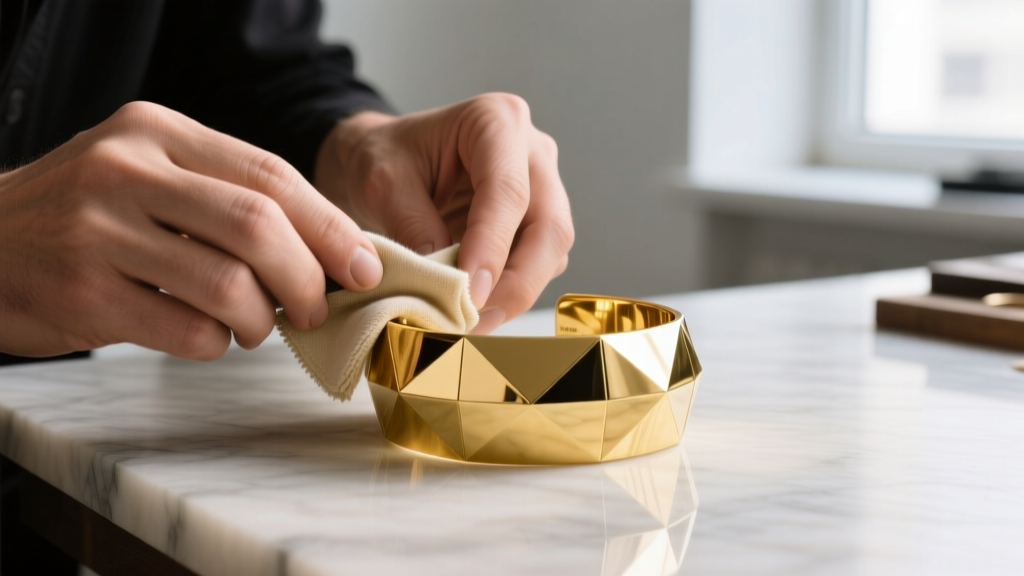
According to conservation guidelines from Jewelers of America, preserving the original finish of a vintage piece is paramount to maintaining its historical and resale value. If your 80s geometric cuff has a matte center, avoid rubbing it with a treated polishing cloth, as the embedded polishing compounds will fill the microscopic pits of the matte finish, turning it a dull, muddy gray.
Long-Term Storage and Clasp Maintenance
The mechanical components of 80s gold jewelry require specific maintenance. The 1980s saw the transition from traditional spring-ring clasps to the more secure lobster claw clasp. However, the internal springs in both of these vintage mechanisms are almost always made of steel, not gold.
Expert Troubleshooting: If a vintage 80s gold clasp feels stiff or leaves a rust-colored stain on your skin, the internal steel spring has oxidized. Do not throw the chain away. A jeweler can easily snip off the vintage clasp, clean the gold jump ring, and solder on a modern, stainless-steel or gold-compatible spring mechanism without damaging the chain itself.
For long-term storage, never toss 80s gold chains into a communal jewelry box. The heavy, sharp links of a vintage curb chain will easily scratch softer 18k or 22k pieces. Store each piece individually in anti-tarnish flannel bags. Avoid plastic ziplock bags, as the sulfur compounds present in many cheap plastics can accelerate the tarnishing of the copper alloys used in 1980s gold mixes.
By respecting the unique metallurgical and structural characteristics of 80s gold jewelry, you can safely wear, maintain, and preserve these bold historical pieces for decades to come. Whether you are dealing with a delicate hollow rope or a solid geometric statement ring, gentle chemistry and mechanical awareness are your best tools for restoration.


