18k Gold Jewelry Properties: Alloy Composition & Durability
Discover the metallurgical properties of 18k gold jewelry. Compare Vickers hardness, alloy compositions, and wearability against 14k options.

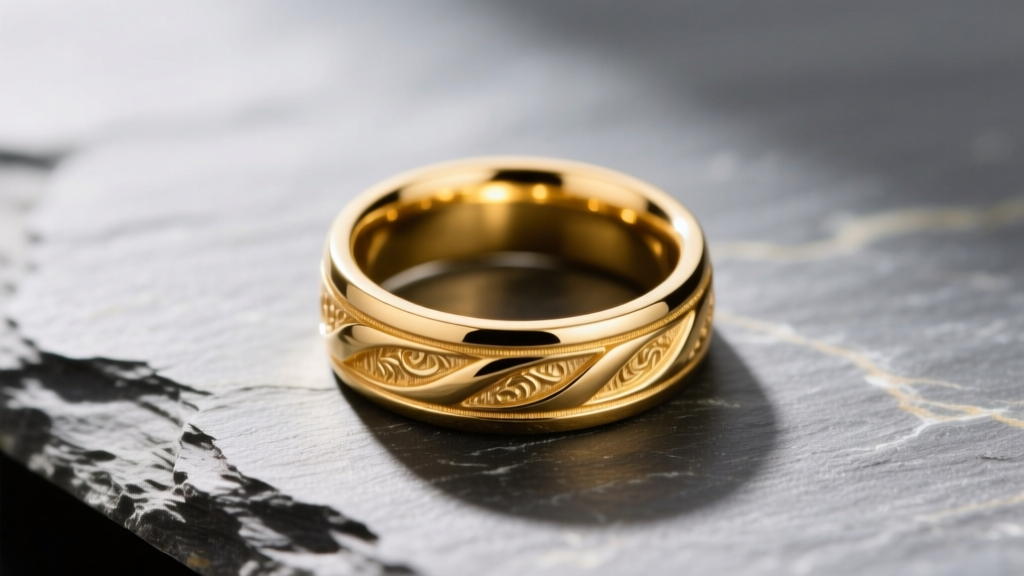
The Metallurgy of 18k Gold: Understanding the 75% Standard
When evaluating luxury metals, 18k gold jewelry represents the pinnacle of balance between purity and structural integrity. Stamped as "750" in European markets or "18k" in the Americas, this alloy consists of exactly 75% pure gold and 25% secondary metals. Pure 24k gold is exceptionally malleable, possessing a Vickers Hardness (HV) of merely 25 to 30, making it entirely unsuitable for securing gemstones or withstanding daily friction. By introducing a 25% alloy matrix—typically comprising copper, silver, zinc, or palladium—metallurgists fundamentally alter the crystalline lattice of the gold, increasing its durability while retaining the hypoallergenic and untarnished nature of the precious metal.
According to the Gemological Institute of America (GIA), the specific ratio of these alloying metals dictates not only the mechanical strength of the jewelry but also its final color and melting point. Understanding these metallurgical properties is essential for collectors, jewelers, and consumers looking to invest in pieces that will endure decades of wear without catastrophic failure.
Vickers Hardness & Tensile Strength: 18k vs. 14k vs. 24k
To truly understand the wearability of 18k gold jewelry, we must look beyond marketing and examine the raw mechanical data. The Vickers Hardness (HV) test measures a material's resistance to permanent indentation, while tensile strength measures the maximum stress the metal can withstand while being stretched before breaking.
| Karat | Gold Purity | Vickers Hardness (HV) | Tensile Strength (MPa) | Primary Use Case |
|---|---|---|---|---|
| 24k | 99.9% | 25 - 35 HV | ~120 MPa | Investment bullion, soft ceremonial jewelry |
| 18k | 75.0% | 120 - 135 HV | ~300 - 450 MPa | Fine jewelry, engagement rings, luxury watches |
| 14k | 58.3% | 140 - 160 HV | ~400 - 550 MPa | Everyday wear, active lifestyle rings, clasps |
| 10k | 41.7% | 160 - 180 HV | ~500 - 600 MPa | High-impact fashion jewelry, durable chains |
While 14k gold is technically harder and more scratch-resistant due to its higher base-metal content, 18k gold offers superior malleability for intricate stone setting. A jeweler can easily burnish an 18k gold bezel over a fragile emerald without risking the stone's fracture, a task that requires significantly more force and carries higher risk with work-hardened 14k gold.
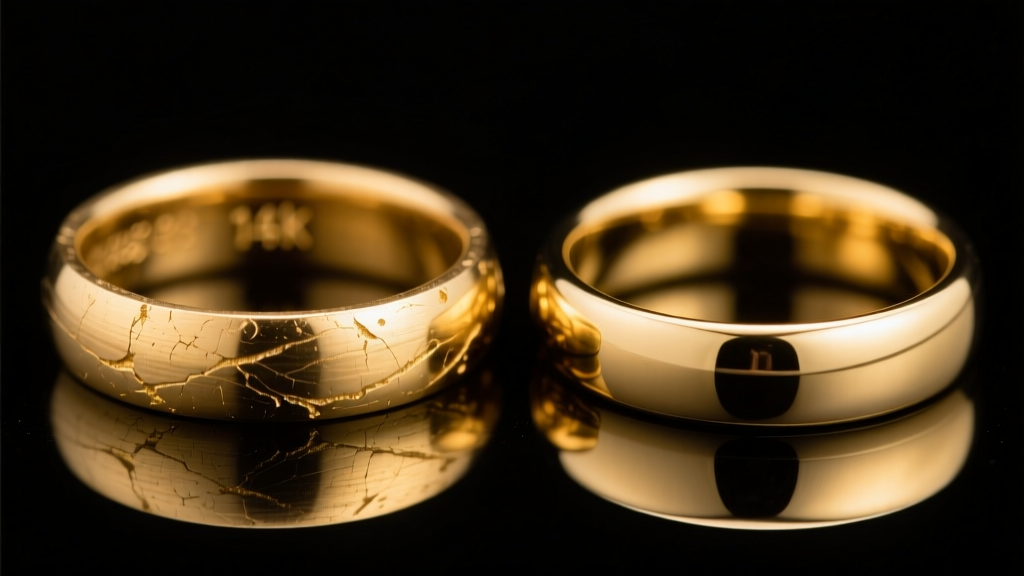
Color Variations & Exact Alloy Breakdowns
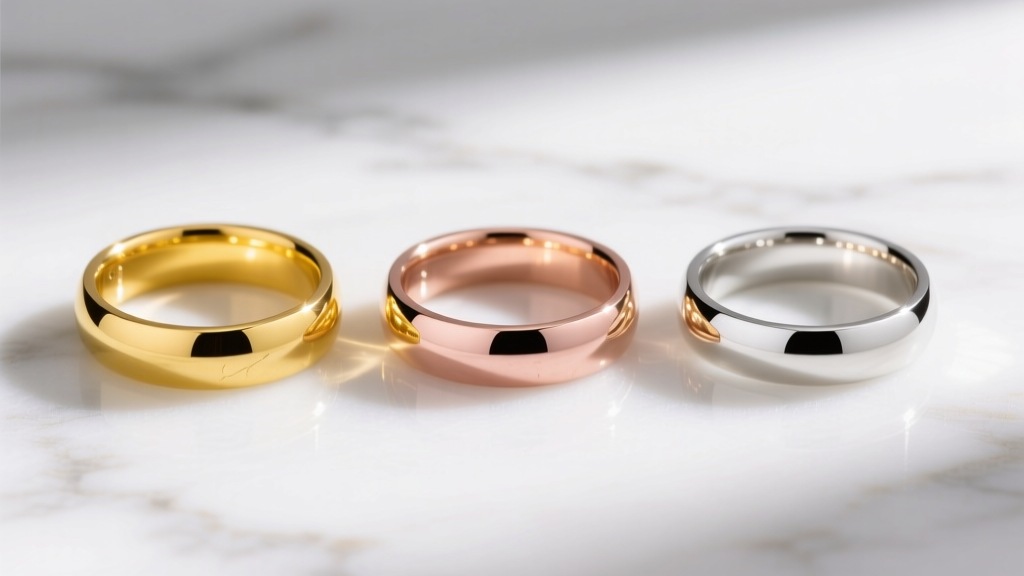
The aesthetic appeal of 18k gold jewelry is entirely dependent on the 25% alloy mixture. Because pure gold is inherently yellow, achieving white or rose hues requires precise metallurgical recipes.
18k Yellow Gold: The Classic Standard
Standard 18k yellow gold is typically alloyed with 12.5% copper and 12.5% fine silver. This equal split of copper and silver maintains the rich, buttery yellow hue of pure gold while providing the necessary tensile strength. Higher copper content will shift the color toward a deeper, warmer orange-yellow, which is highly sought after in vintage-inspired designs.
18k Rose Gold & The Copper Factor
Rose gold derives its romantic pinkish-red hue from a heavy concentration of copper. A standard 18k rose gold alloy contains 75% gold, 22.25% copper, and 2.75% silver. The high copper content makes 18k rose gold slightly more durable and malleable than its yellow counterpart, but it also introduces a vulnerability: copper is prone to oxidation. While the gold itself will not tarnish, the copper matrix can develop a dark patina over decades if exposed to harsh chemicals or high-sulfur environments.
18k White Gold & Rhodium Plating Realities
Creating white gold requires "bleaching" the yellow hue of pure gold using white metals. The two primary 18k white gold alloys are nickel-based and palladium-based. Nickel-white gold (75% Au, 25% Ni/Cu/Zn) is hard and holds a bright polish but is a known contact allergen, banned in some European markets for body-piercing jewelry. Palladium-white gold (75% Au, 25% Pd) is hypoallergenic and possesses a naturally darker, gunmetal-grey undertone. Because neither alloy achieves a brilliant, mirror-like white finish, nearly all 18k white gold jewelry is electroplated with a microscopic layer of rhodium. Consumers must budget for re-plating every 2 to 5 years as the rhodium inevitably wears away to reveal the true alloy beneath.
Practical Wearability: Failure Modes & Maintenance
Every metal has specific failure modes. Understanding how 18k gold jewelry degrades over time allows owners to implement proactive maintenance routines.
- Prong Shearing vs. Bending: Because 18k gold is more malleable than 14k, prongs are more likely to bend upon severe impact rather than snap. While a bent prong requires professional re-tipping, a snapped 14k prong often results in immediate stone loss.
- Polishing Loss: 18k gold scratches more easily than lower karats. However, removing scratches via professional polishing ablates the metal. Over-polishing an 18k ring over a 20-year period can reduce its weight and structural thickness by up to 15%. Opt for laser welding and burnishing over aggressive wheel polishing.
- Clasp Fatigue: The spring mechanisms in 18k gold lobster clasps can suffer from metal fatigue faster than steel or 14k gold springs. For heavy 18k chains, jewelers often recommend a steel-spring insert within an 18k gold housing to ensure longevity.
Market Pricing & Value Retention in 2026
The pricing structure of 18k gold jewelry is bifurcated into melt value and retail markup. As of 2026, with gold spot prices remaining historically elevated, the intrinsic melt value of an 18k piece is substantial. However, luxury brands apply markups ranging from 300% to over 1000% above melt value to account for design, craftsmanship, and brand equity.
From an investment perspective, 18k gold jewelry does not track the spot price of gold on a 1:1 basis like bullion coins do. When liquidating 18k jewelry to a scrap buyer, you will typically receive 70% to 85% of the actual melt value of the 75% gold content. Therefore, 18k gold jewelry should be purchased for its aesthetic, emotional, and heirloom value rather than as a strict financial hedge.
"The true value of 18k gold lies not in its scrap weight, but in its unparalleled ability to hold intricate milgrain detailing and secure precious stones with a warmth that lower-karat alloys simply cannot replicate." — Master Bench Jeweler
Final Verdict: When to Choose 18k Gold
Choosing 18k gold jewelry is a deliberate decision to prioritize luxury, color depth, and skin compatibility over absolute scratch resistance. It is the undisputed standard for engagement rings, high-end watch cases, and heirloom pendants. If your lifestyle involves heavy manual labor or frequent exposure to abrasive environments, a 14k gold alternative may offer superior peace of mind. However, for those seeking the optimal intersection of precious metal purity, rich coloration, and generational durability, 18k gold remains the ultimate benchmark in fine jewelry.


