Can Gold Plated Jewelry Tarnish? True Cost & Value Guide
Discover if gold plated jewelry tarnishes and explore the true cost per wear. We analyze micron thickness, base metals, and long-term value.

The Short Answer: The Science of Plating Failure
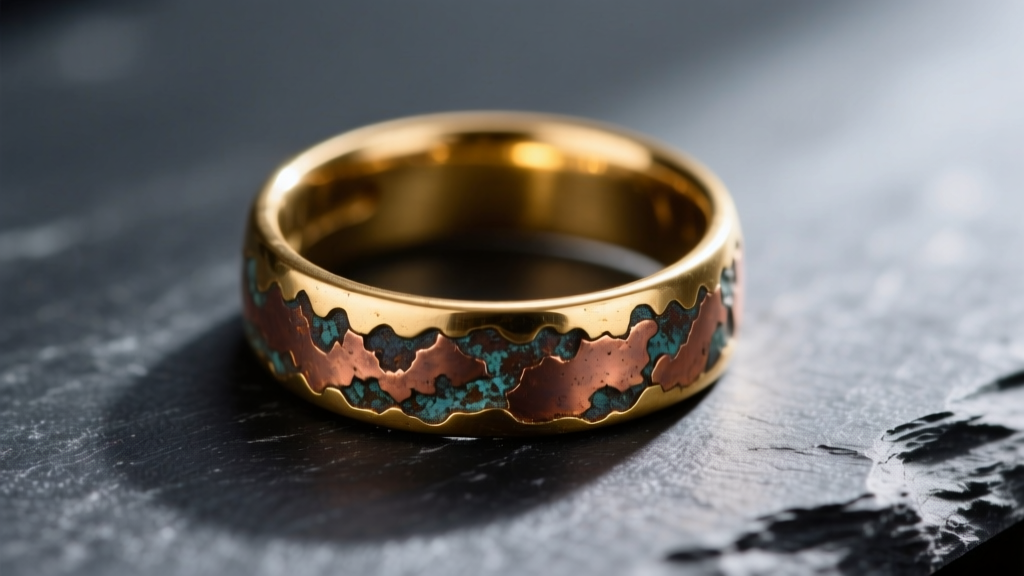
If you are evaluating budget-friendly accessories, the most critical question to ask is: can gold plated jewelry tarnish? The unequivocal answer is yes. Pure 24-karat gold is a noble metal, meaning it is highly resistant to oxidation and corrosion. However, gold plating is merely a microscopic veneer of gold applied over a reactive base metal—typically brass, copper, or stainless steel.
Tarnishing occurs when this ultra-thin gold layer experiences micro-abrasions, exposing the underlying base metal to oxygen, moisture, and environmental sulfur. When copper or brass is exposed, it oxidizes, creating a dark, dull patina. Furthermore, if the base metal contains copper, it can react with the fatty acids and salts in your sweat to form copper chelates, which are responsible for the notorious "green skin" effect. Understanding this molecular reality is the first step in accurately assessing the long-term value of plated jewelry.
The Micron Measurement: Thickness vs. Lifespan
Not all plating is created equal. The lifespan and tarnish-resistance of a piece are dictated by the thickness of the gold layer, measured in microns (one-millionth of a meter). According to the Federal Trade Commission (FTC) guidelines, jewelry must meet specific micron thresholds to carry certain marketing labels.
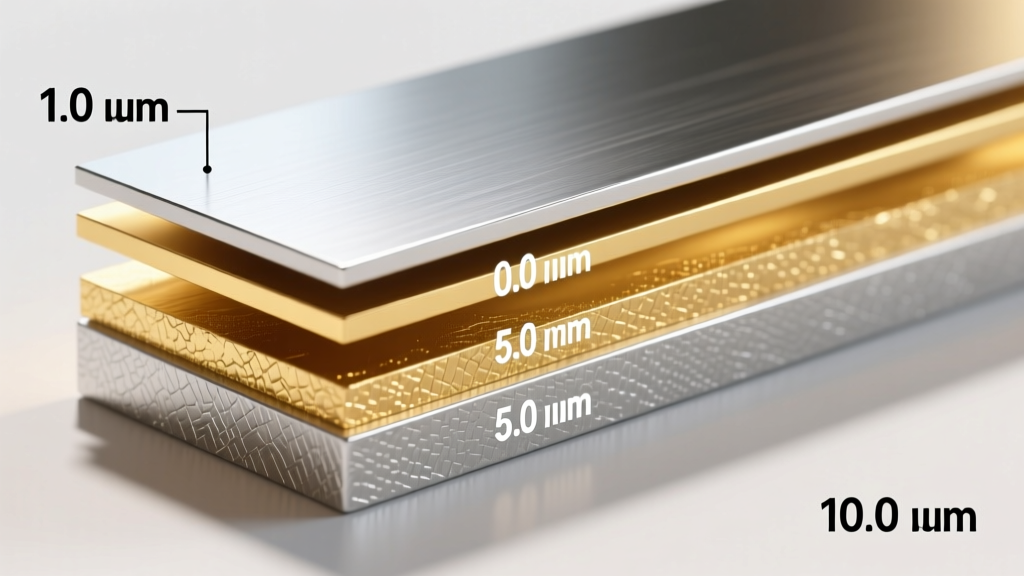
Below is a structural breakdown of plating tiers and their expected performance in daily wear scenarios:
| Plating Classification | Gold Thickness | Typical Base Metal | Estimated Daily-Wear Lifespan | Average Retail Price |
|---|---|---|---|---|
| Flash / Electroplated | 0.03 - 0.1 microns | Brass, Nickel, Zinc | 1 to 3 months | $10 - $25 |
| Standard Gold Plated | 0.5 microns | Brass, Stainless Steel | 6 to 12 months | $30 - $60 |
| Heavy Gold Electroplate | 2.5+ microns | Brass, Copper | 1 to 3 years | $60 - $120 |
| Gold Vermeil | 2.5+ microns | Sterling Silver (925) | 2 to 5 years | $80 - $200 |
As the Gemological Institute of America (GIA) notes, the karatage of the plating also matters. An 18k gold plate contains 75% pure gold and 25% alloy metals (like copper or silver), which can theoretically tarnish if the plating itself is porous, though the primary failure point remains the base metal underneath.
Budget Breakdown: Cost Per Wear (CPW) Analysis
When conducting a value assessment, the upfront price tag is a misleading metric. Smart jewelry buyers use the Cost Per Wear (CPW) formula: Total Price / (Wears Per Month × Months of Lifespan). Let us compare a budget plated chain against a solid gold alternative to reveal the true financial impact of tarnishing.
- The Fast-Fashion Plated Chain ($35): Worn 15 times a month. Due to standard 0.5-micron plating and exposure to skin oils, the brass base begins to show through the links and clasp after 4 months. CPW = $0.58 per wear. Over 5 years, replacing this chain 15 times costs $525.
- The 14k Solid Gold Chain ($450): Worn 30 times a month. Solid 14k gold will not flake, peel, or expose a base metal. It requires only occasional polishing. Lifespan is effectively 50+ years. CPW = $0.25 per wear. Over 5 years, the cost remains a flat $450, and the piece retains intrinsic scrap value.
From a strict budget perspective, gold plated jewelry is only a sound financial investment if it is purchased for short-term, trend-driven styling (e.g., a specific seasonal earring style) rather than as a foundational wardrobe staple.
Environmental & Chemical Accelerators
If you choose to invest in plated pieces, you must understand the specific chemical accelerators that destroy the gold-to-base-metal molecular bond. Tarnish is not just a product of time; it is a product of environment.
Chlorine and Hypochlorous Acid
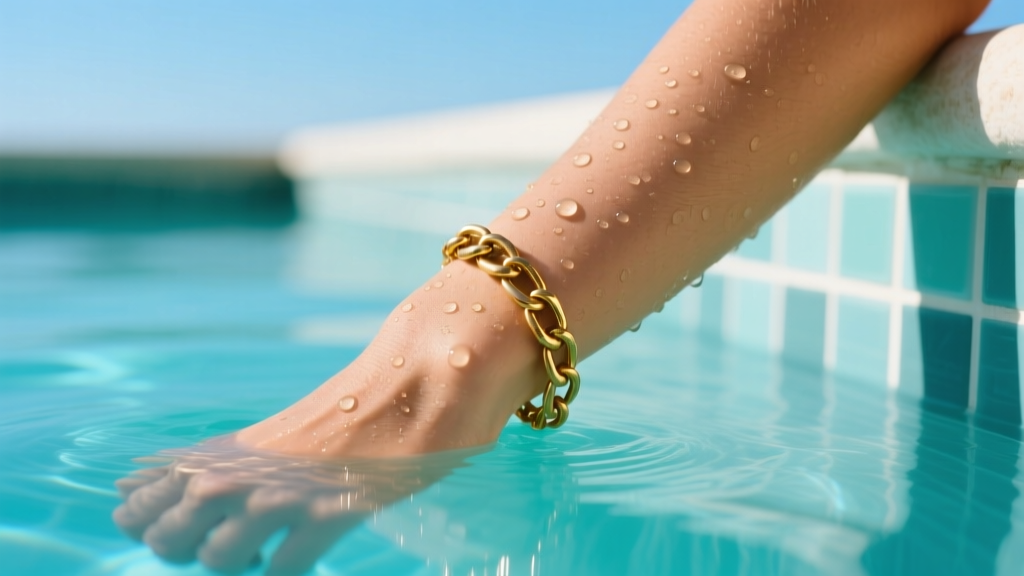
Swimming pools and hot tubs are the graveyards of gold plating. Chlorine reacts aggressively with the alloy metals present in 14k and 18k gold plating, causing microscopic pitting. Once the surface is pitted, moisture reaches the brass base, leading to rapid, irreversible blackening.
Skin pH and Cosmetics
Human sweat has a pH ranging from 4.5 to 7.0. Highly acidic sweat will degrade flash plating in a matter of weeks. Furthermore, lotions containing sulfur compounds or exfoliating acids (like glycolic or salicylic acid) act as chemical strippers, literally dissolving the microscopic gold layer off the jewelry's surface.
How to Maximize the ROI of Plated Pieces
If your budget strictly limits you to gold plated jewelry, you can artificially extend its lifespan and delay tarnishing through proactive barrier methods and strict storage protocols.
- The Polyurethane Barrier: For rings and bracelets that experience high friction, apply a micro-thin coat of clear, water-based polyurethane or specialized jewelry sealant to the interior band. This creates a physical shield between your acidic skin and the base metal.
- Silica and Anti-Tarnish Storage: Never leave plated jewelry on a bathroom counter where humidity fluctuates. Store pieces in individual ziplock bags with a 3M anti-tarnish strip and a small silica gel packet to absorb ambient moisture and trap airborne sulfur.
- The "Last On, First Off" Rule: Always put your plated jewelry on after applying perfumes, hairsprays, and lotions, and take it off before showering or exercising.
When to Upgrade: The Vermeil and Gold-Filled Alternatives
There is a distinct threshold where the budget buyer should abandon standard gold plating. If you require a piece for daily wear—such as wedding bands, everyday hoop earrings, or signature necklaces—the value proposition shifts heavily toward Gold-Filled or Gold Vermeil.
Gold-Filled Jewelry is created by mechanically bonding a thick layer of solid gold (usually 12k or 14k) to a brass core using heat and pressure. By law, the gold must constitute at least 1/20th (5%) of the total weight of the item. This results in a gold layer that is 50 to 100 times thicker than standard plating, making it virtually impervious to tarnishing under normal conditions, often lasting 10 to 30 years.
Gold Vermeil (pronounced ver-may) requires a sterling silver base rather than brass, coated with a minimum of 2.5 microns of gold. While vermeil can eventually tarnish if the silver base is exposed, the absence of copper in the base metal means it will never turn your skin green, making it a vastly superior choice for those with metal sensitivities or nickel allergies.
The Final Verdict: Gold plated jewelry will inevitably tarnish because its core is fundamentally reactive. Treat plated pieces as temporary, trend-focused accessories. For heirloom quality, daily wear, and superior long-term financial value, redirect your budget toward gold-filled, vermeil, or solid 10k/14k gold alternatives.