Can You Shower With Gold Jewelry? A Karat-by-Karat Guide
Wondering if you can shower with gold jewelry? Discover how water, soap, and karat purity affect your solid, plated, and vermeil pieces.

The Short Answer: It Depends on the Gold Type
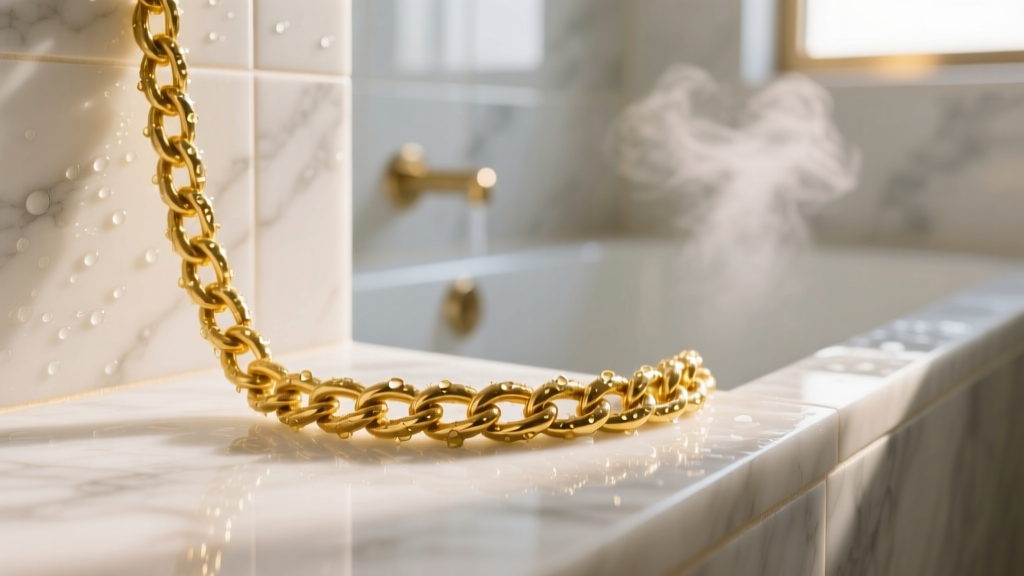
When building a daily jewelry wardrobe, one of the most common questions beginners ask is: can you shower with gold jewelry? The short answer is that pure gold itself is entirely impervious to water. However, the gold jewelry you actually wear is rarely pure. It is an alloy, a plated coating, or a layered composite. Whether your piece will survive the shower depends entirely on its karat purity, the specific alloy metals mixed into it, and the chemical composition of your local water supply and body wash.
While a quick rinse might not destroy a solid 14k gold chain, making a habit of showering with your jewelry introduces a cumulative chemical assault. In this comprehensive guide, we break down the exact chemistry of the shower environment, analyze how different gold purities react, and provide a definitive framework for protecting your investment.
The Chemistry of the Shower: What Actually Damages Gold?
To understand why jewelers advise against showering with gold, we must look past the water itself and examine the three hidden culprits in your bathroom: hard water minerals, chlorination, and sulfates.
1. Hard Water and Calcium Carbonate Deposits
Most municipal water supplies contain dissolved calcium and magnesium. When this hard water evaporates off your jewelry, it leaves behind microscopic calcium carbonate deposits. Over time, these minerals build up in the crevices of chain links and under gemstone settings, creating a dull, chalky film that blocks light reflection and makes the gold appear lifeless.
2. Chlorine and Chloramines
Municipalities use chlorine or chloramines to disinfect tap water. While the concentration is safe for human skin, it is highly reactive with the alloy metals in gold jewelry. According to the Gemological Institute of America (GIA), chlorine aggressively attacks copper, zinc, and nickel—the exact metals used to give 10k and 14k gold their structural integrity. Prolonged exposure can lead to microscopic pitting and structural weakening, a phenomenon known as stress corrosion cracking.
3. Sulfates and Surfactants
Shampoos and body washes rely on surfactants like Sodium Lauryl Sulfate (SLS) to strip oils from your hair and skin. These same degreasing agents strip the natural oils that keep your skin lubricated, and they leave behind a stubborn, soapy biofilm on the surface of your gold. This film traps dead skin cells and bacteria against the metal, which can cause contact dermatitis and accelerate the tarnishing of lower-karat alloys.
Karat Breakdown: Showering with 10k, 14k, 18k, and 24k Gold
Not all solid gold is created equal. The karat system dictates the ratio of pure gold to alloy metals. Here is how each tier holds up under the showerhead.
| Gold Karat | Purity | Shower Safety | Primary Risk Factor |
|---|---|---|---|
| 10k Gold | 41.7% | Poor | High copper/zinc content leads to rapid tarnishing and green skin. |
| 14k Gold | 58.3% | Moderate | Safe from water, but vulnerable to long-term chlorine pitting. |
| 18k Gold | 75.0% | Good | Highly tarnish-resistant, but softer alloys are prone to scratching. |
| 24k Gold | 99.9% | Poor (Mechanical) | Pure gold will not tarnish, but physical scrubbing will warp and scratch it. |
The 14k and 18k Sweet Spot: For everyday wearers, 14k and 18k solid gold offer the best balance. They contain enough pure gold to resist immediate corrosion, but enough alloyed metals (like silver and palladium) to maintain structural rigidity. However, even these should be removed before showering if your local water is heavily chlorinated.
The Danger Zone: Gold Plated, Filled, and Vermeil
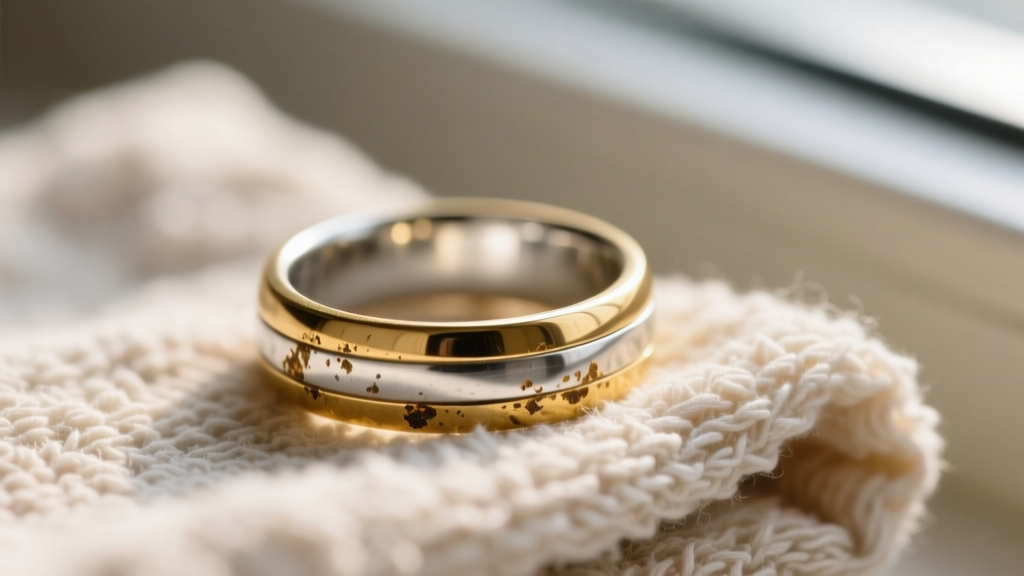
If your jewelry is not solid gold, the rule is absolute: never shower with it. The Federal Trade Commission (FTC) strictly defines these categories, and understanding their construction reveals why water is their ultimate enemy.
- Gold Plated: A microscopic flash of gold (often less than 0.05% of the total weight) applied via electroplating to a brass or copper base. Hot water and soap will strip this layer within weeks, exposing the base metal to rapid oxidation.
- Gold Filled: A thicker layer of gold mechanically bonded to a base metal, comprising at least 5% of the item's total weight. While more durable than plated jewelry, the exposed edges and seams where the gold layer ends will allow water to seep in, causing the inner brass core to expand and crack the gold shell from the inside out.
- Gold Vermeil: By FTC definition, vermeil must be a sterling silver base coated with at least 2.5 microns of gold. The danger here is galvanic corrosion. If a microscopic scratch breaches the gold layer, shower water acts as an electrolyte, creating a tiny battery between the gold and the silver. The silver rapidly tarnishes into silver sulfide, which expands and flakes the gold coating off entirely.
Expert Insight: The steam from a hot shower is actually more dangerous to plated and vermeil jewelry than liquid water. Steam molecules are smaller and more energetic, allowing them to penetrate microscopic pores in the gold plating and reach the reactive base metals much faster than liquid droplets.
Step-by-Step Recovery: What to Do If You Accidentally Shower With Your Gold
We have all forgotten to take off our favorite necklace or wedding band before stepping into the shower. If your solid 14k or 18k gold jewelry gets exposed to shampoo and hard water, follow this immediate recovery protocol to prevent long-term damage:
- Rinse with Distilled Water: Do not use tap water to rinse off the soap. Tap water contains the same chlorine and minerals that caused the issue. Rinse the piece thoroughly with distilled or filtered water to remove all sulfate residues.
- Pat Dry, Do Not Rub: Use a lint-free microfiber cloth to gently pat the jewelry dry. Rubbing wet gold, especially 18k or higher, can grind trapped hard water minerals into the surface, causing micro-scratches.
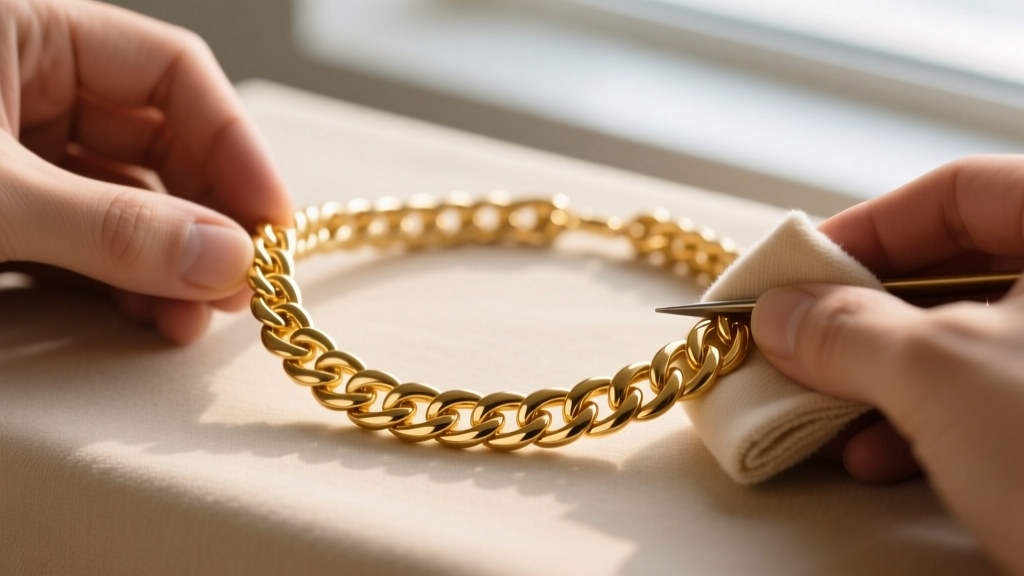
- Use a Treated Polishing Cloth: Once completely dry, gently buff the piece with a jeweler's rouge cloth (such as a Sunshine cloth). These cloths are impregnated with microscopic abrasives and anti-tarnish agents that will safely remove any calcium carbonate film and restore the high-polish luster.
Expert Maintenance Tips for Everyday Wearers
If you are committed to wearing your solid gold jewelry 24/7 and refuse to take it off in the bathroom, you must adapt your maintenance routine. Once a month, soak your solid gold pieces in a solution of warm distilled water and a few drops of mild, phosphate-free dish soap. Use an extra-soft baby toothbrush to gently dislodge any biofilm or hard water scale trapped beneath the clasps and jump rings.
Avoid ultrasonic cleaners for any gold jewelry that has been exposed to years of showering. If the piece has developed microscopic stress fractures from chlorine exposure, the high-frequency vibrations of an ultrasonic cleaner can cause the metal to snap entirely. By understanding the chemistry of your water and the metallurgy of your jewelry, you can make informed decisions that keep your gold gleaming for decades.


