Cardi B Turned Her Son's Umbilical Cord Into Gold Jewelry: 2026 Guide
Explore the trend after Cardi B turned her son's umbilical cord into gold jewelry. Discover preservation methods, gold settings, and 2026 pricing.

The Viral Catalyst: Biological Inclusion Jewelry
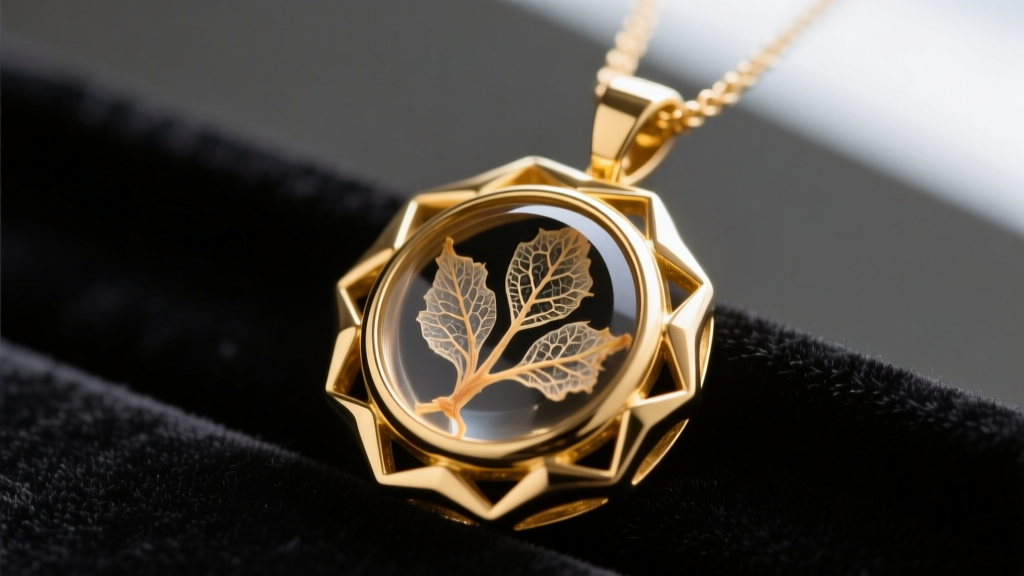
When search engines and social media feeds lit up with the news that Cardi B turned her son's umbilical cord into gold jewelry, it highlighted a fascinating intersection of pop culture, maternal sentimentality, and advanced metallurgical craftsmanship. While celebrity keepsakes often push the boundaries of traditional adornment, this specific concept taps into a rapidly growing sector of the 2026 fine jewelry market: biological inclusion and DNA jewelry. No longer confined to the realm of cremation ashes, modern collectors and parents are seeking to preserve the literal building blocks of life. Umbilical cord tissue, breastmilk, and even baby teeth are being transformed into high-end, bespoke gold pieces. However, transforming organic, biodegradable matter into a permanent, wearable gold artifact requires a rigorous understanding of both archival preservation science and precious metal alloys.
The emotional resonance of wearing a piece of your child's biological history is undeniable, but the execution demands extreme precision. If an umbilical cord is improperly treated before being set into a gold bezel, it will decompose, release gases, and ultimately destroy the jewelry from the inside out. As a senior trend analyst for Jewel Style Radar, I am breaking down the exact science, metallurgy, and commissioning process behind these deeply personal gold keepsakes.
The Science of Preservation: Lyophilization and Encapsulation
The most critical misconception about biological jewelry is that organic tissue can be cast directly into gold using the traditional lost-wax method. Gold casting requires kiln temperatures exceeding 1,000°C (1,832°F), which would instantly incinerate an umbilical cord, leaving only trace carbon ash. Therefore, to preserve the physical texture and structure of the cord, jewelers must rely on a multi-step dehydration and encapsulation process before the gold setting is ever introduced.
Step 1: Medical-Grade Dehydration
Moisture is the ultimate enemy of biological preservation. Upon receipt of the tissue, specialized keepsake artisans use a process called lyophilization, or freeze-drying. The tissue is frozen to sub-zero temperatures and placed in a vacuum chamber where the ice sublimates directly from a solid to a gas. This removes up to 99% of the moisture while maintaining the cellular structure and preventing the tissue from shrinking into an unrecognizable mass. According to preservation standards outlined by the Library of Congress, removing moisture is the only viable way to halt bacterial and enzymatic degradation in organic materials without using toxic chemical fixatives that could discolor the tissue.
Step 2: Archival UV-Resin Encapsulation
Once fully dehydrated, the tissue must be sealed from ambient humidity and oxygen. Artisans use optical-grade, cycloaliphatic epoxy resins that are specifically formulated with UV-inhibitors. Standard craft resins will yellow and become brittle within two years when exposed to sunlight and body heat. High-end archival resins, however, maintain their diamond-like clarity for decades. The cord is carefully arranged in a silicone mold, and the resin is poured in layers, often cured under a vacuum chamber to extract microscopic air bubbles that could otherwise trap moisture or obscure the tissue.
Metallurgy: Choosing the Right Gold for Biological Bezels
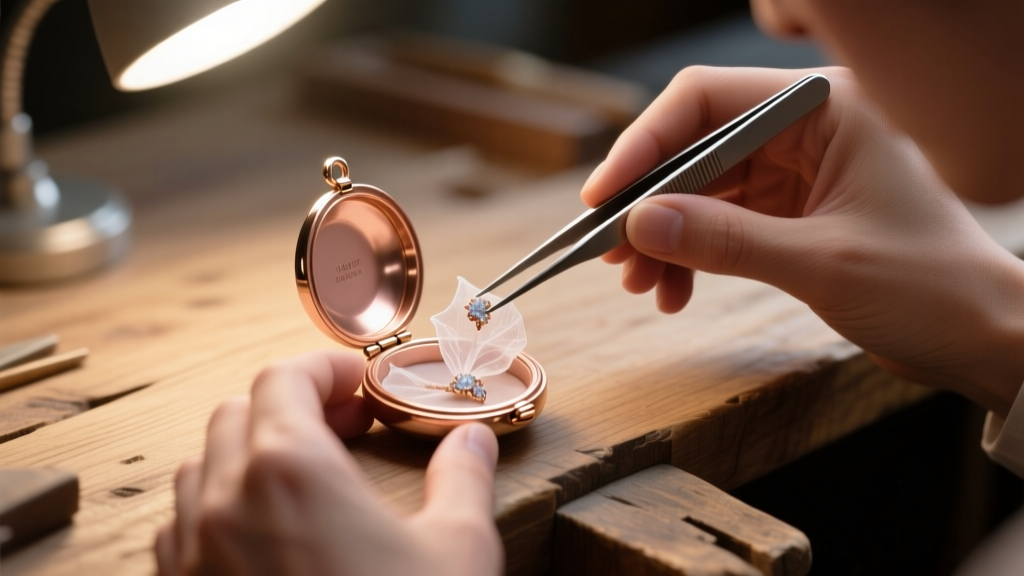
Once the biological inclusion is safely encapsulated in a hardened resin cabochon, it must be set into a precious metal housing. The choice of gold is not merely an aesthetic one; it is a structural necessity. The metal must be hard enough to hold a permanent, airtight seal over the resin, preventing moisture ingress that could compromise the organic matter inside.
According to the Gemological Institute of America (GIA), pure gold is far too malleable for secure bezel settings. Furthermore, gold-plated or gold-vermeil pieces are strictly prohibited for biological jewelry. If the thin layer of gold plating wears away at the bezel edge, the base metal (usually brass or copper) will oxidize, expand, and break the seal, exposing the umbilical cord to atmospheric moisture. Below is a breakdown of the most suitable gold alloys for DNA inclusion settings in 2026.
| Gold Type | Karat / Purity | Hardness (Vickers) | Suitability for Biological Bezels | Estimated Setting Price |
|---|---|---|---|---|
| 24k Solid Gold | 99.9% | ~25 HV | Poor (Too soft; bezel can lift and break the seal) | $900 - $1,600+ |
| 18k Solid Gold | 75.0% | ~120 HV | Excellent (Premium luster with secure structural integrity) | $650 - $1,300 |
| 14k Solid Gold | 58.3% | ~160 HV | Best (Highly durable, ideal for everyday wear and tight seals) | $450 - $900 |
| Gold Vermeil | N/A (Sterling Base) | Varies | Avoid (High risk of moisture ingress and base metal corrosion) | $120 - $250 |
For an umbilical cord pendant intended to be worn daily against the skin, 14k solid gold is the industry standard. Its higher copper and zinc content provides the necessary tensile strength to be burnished tightly over the resin edge, creating a mechanical lock that keeps the elements out.
Design Configurations for Umbilical Cord Keepsakes
The physical design of the gold setting dictates both the visibility of the inclusion and its long-term safety. In 2026, three primary design configurations dominate the bespoke biological jewelry market:
- The Seamless Burnished Bezel: The most popular and secure method. A custom-fabricated gold wall is built to the exact millimeter of the resin cabochon. Using a burnishing tool, the jeweler pushes the gold lip over the edge of the resin. This creates a seamless, airtight border that protects the fragile edges of the inclusion from chipping.
- The Hermetic Quartz Locket: For clients who refuse to encase the tissue in resin, master jewelers can fabricate a hollow 14k or 18k gold chamber featuring a hermetically sealed quartz crystal window. The dehydrated cord sits raw inside the gold vault. This requires laser-welding the gold seams to ensure no air can enter, a technique that significantly drives up the commissioning cost.
- The Hidden Signet Compartment: A more discreet approach involves a heavy gold signet ring or a thick bangle featuring a microscopic, screw-top or hinged compartment. The dried tissue is placed inside, allowing the wearer to keep the biological keepsake entirely hidden from public view while remaining in physical contact with it.
Biohazard Logistics and Commissioning Timelines
Commissioning an umbilical cord gold piece is not as simple as mailing a package. Fresh biological tissue is classified as a potential biohazard. While dried umbilical cords generally fall under exemptions for non-infectious biological substances, they must still be packaged according to strict triple-packaging guidelines to satisfy postal regulations. Artisans typically require clients to freeze the tissue immediately after birth and ship it via specialized medical couriers or priority overnight services with ice packs.
Because of the meticulous nature of the lyophilization process, the resin curing stages, and the custom CAD/CAM modeling required for the gold bezel, the turnaround time for a high-end biological inclusion piece typically ranges from 14 to 22 weeks. Rushing the dehydration phase is the leading cause of catastrophic failure in DNA jewelry, resulting in trapped moisture that eventually turns the resin cloudy and causes the organic matter to mold.
Archival Care and Maintenance
Owning a piece of biological gold jewelry requires a departure from standard jewelry care routines. You must never place an inclusion piece in an ultrasonic cleaner. The high-frequency vibrations can cause microscopic fractures in the archival resin, breaking the seal and exposing the umbilical cord to humidity. Similarly, steam cleaners will warp the resin and compromise the gold bezel's grip.
To clean the gold setting, use a soft, untreated microfiber cloth and a gentle dab of mild dish soap on a Q-tip, carefully avoiding the seam where the gold meets the resin. When not being worn, the piece should be stored in a climate-controlled environment. Many high-end artisans provide a custom-milled wooden presentation box lined with silica gel packets to ensure the ambient humidity around the jewelry remains below 30%, guaranteeing that the physical legacy encased within the gold remains pristine for generations to come. As the World Gold Council notes, while gold itself is virtually indestructible, the precious memories it houses require vigilant, informed stewardship.