Complete Care Guide for Gold Stainless Steel Jewelry
Learn how to safely clean, maintain, and protect your gold stainless steel jewelry. Expert tips on PVD coatings, 316L grades, and daily wear.

The Metallurgy of Gold Stainless Steel Jewelry
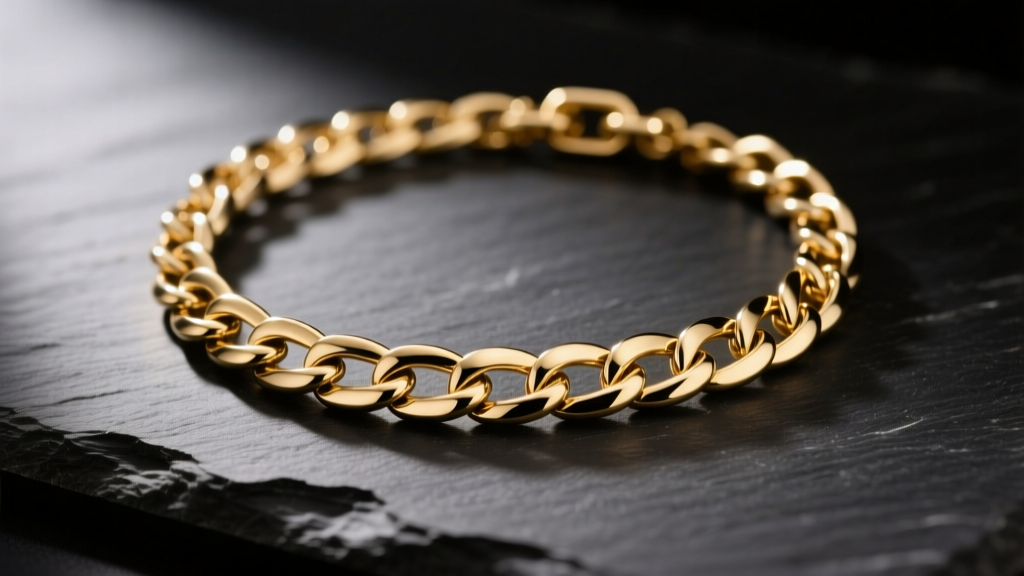
When you invest in gold stainless steel jewelry, you are not purchasing solid gold. Instead, you are acquiring a marvel of modern metallurgical engineering: a highly durable stainless steel core coated with a microscopic layer of gold. As we navigate the jewelry market in 2026, Physical Vapor Deposition (PVD) has largely replaced traditional electroplating for premium pieces. Understanding the distinction between the base metal and the coating is the first step in proper maintenance.
The base metal is typically 316L surgical stainless steel. According to the British Stainless Steel Association (BSSA), 316L contains 16-18% chromium, 10-14% nickel, and crucially, 2-3% molybdenum. This molybdenum addition provides exceptional resistance to pitting and corrosion from chlorides (like sweat and pool water). The gold surface is usually a Titanium Nitride (TiN) base layer topped with a gold-colored alloy, baked onto the steel in a vacuum chamber. This PVD layer is typically 0.3 to 1.5 microns thick and is up to five times harder than traditional electroplated gold, but it still requires specific care to prevent delamination and micro-scratches.
Daily Wear Rules: Environmental Hazards to Avoid
While 316L steel is incredibly resilient, the gold PVD coating has specific chemical vulnerabilities. To maximize the lifespan of your gold stainless steel jewelry, you must manage its exposure to the following environmental hazards:
- Chlorine and Bromine: Hot tubs and heavily chlorinated pools can degrade the passivation layer of the steel over time. If the steel substrate pits, the PVD coating above it will crack and flake.
- High-pH Alkalines: Harsh household cleaners, bleach, and ammonia-based solutions can break down the molecular bond between the TiN base and the steel.
- Abrasive Particulates: Sand, dirt, and even certain cosmetic powders act like sandpaper on a micron level. Gold PVD has a Mohs hardness of around 6, meaning it can be scratched by quartz (Mohs 7) found in dust and sand.
- Sulfur Compounds: While stainless steel does not tarnish like sterling silver, sulfur-heavy environments (like hot springs) can leave a stubborn, dulling film on the gold surface that requires specialized cleaning to remove.
Step-by-Step Cleaning Routine for Gold PVD Steel
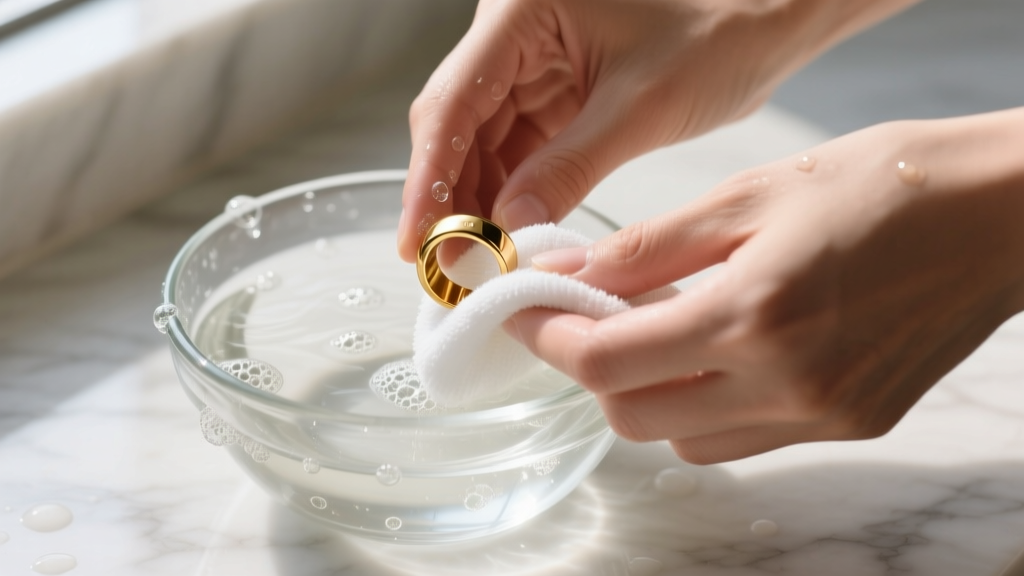
Routine cleaning should be gentle, relying on chemical emulsification rather than mechanical abrasion. The Gemological Institute of America (GIA) consistently recommends mild, pH-neutral solutions for cleaning coated metals. Follow this exact protocol to safely clean your pieces:
- Prepare the Solution: Fill a glass or ceramic bowl with lukewarm water (never hot, as extreme heat can cause microscopic thermal expansion, stressing the PVD bond). Add three drops of pH-neutral dish soap (like original Dawn, which sits around a pH of 7.5).
- Soak Briefly: Submerge the jewelry for 3 to 5 minutes. This allows the surfactants in the soap to break down sebum, lotion, and dead skin cells trapped in crevices.
- Agitate Gently: Use a brand-new, ultra-soft baby toothbrush or a lint-free microfiber cloth to gently wipe the surface. Never use stiff-bristled brushes or toothpaste, which contains hydrated silica (an abrasive that will permanently cloud the PVD finish).
- Rinse Thoroughly: Rinse under a gentle stream of distilled or filtered lukewarm water. Tap water often contains dissolved calcium and magnesium, which can leave hard water spots on the gold surface.
- Dry Immediately: Pat dry with a clean microfiber cloth. Do not air dry, as evaporation will leave mineral deposits behind.
The Ultrasonic Cleaner Debate
Many jewelry owners rely on ultrasonic cleaners, which typically operate at 40kHz to 45kHz frequencies. While excellent for solid gold and diamonds, ultrasonic cleaners are highly risky for gold stainless steel jewelry. The process of cavitation—where microscopic bubbles implode against the metal surface—can forcefully peel the PVD coating if there is even a microscopic flaw in the factory bonding. If your piece has any tiny scratches or edge-wear, the ultrasonic waves will find the gap and delaminate the gold layer entirely. Stick to manual, gentle cleaning.
Chemical Interaction Chart: What to Keep Away
Understanding how common household chemicals interact with both the 316L base and the gold PVD coating is critical for preventing irreversible damage. Refer to this chart before exposing your jewelry to any substance:
| Chemical Agent | Effect on 316L Steel Base | Effect on Gold PVD Coating | Verdict |
|---|---|---|---|
| Silver Dip (Thiourea) | Minimal immediate effect | Strips and clouds the gold finish instantly | Never Use |
| Bleach (Sodium Hypochlorite) | Attacks chromium oxide layer, causing pitting | Causes microscopic fracturing and peeling | Never Use |
| Rubbing Alcohol (Isopropyl) | Safe | Safe for occasional sanitization, but dries out O-rings | Use Sparingly |
| Mild Dish Soap (pH 7-8) | Completely Safe | Completely Safe, lifts oils effectively | Highly Recommended |
| Baking Soda Paste | Safe | Highly abrasive; will cause micro-scratches | Avoid |
Storage and Long-Term Maintenance
How you store your gold stainless steel jewelry is just as important as how you clean it. Although the 316L core will not rust or oxidize in a normal bedroom environment, the gold PVD layer can still suffer from friction-based wear and environmental film buildup.
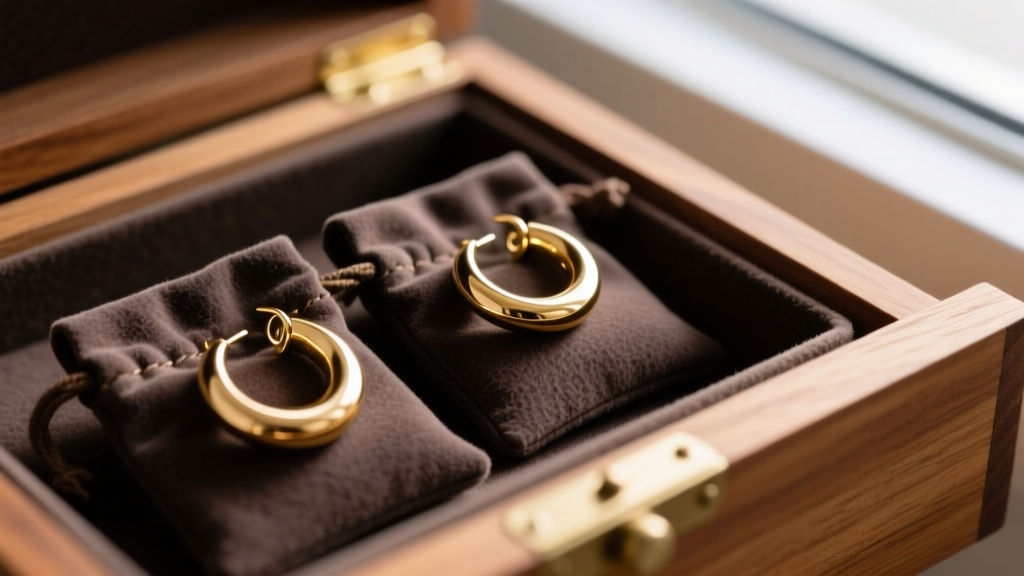
Always store pieces individually in soft, anti-tarnish suede or flannel pouches. Storing multiple pieces together in a single compartment allows the harder steel edges of one piece to scratch the PVD surface of another. Furthermore, keep your jewelry box in a climate-controlled room. High humidity environments, such as bathrooms, can accelerate the degradation of any residual salts left on the jewelry from perspiration, leading to localized corrosion beneath the gold layer.
Troubleshooting: Fading, Scratches, and Water Spots
Even with meticulous care, daily wear items like rings and bracelets will eventually show signs of aging. Here is how to troubleshoot the most common issues associated with gold stainless steel jewelry:
- Hard Water Spots: If your jewelry looks cloudy after drying, dampen a microfiber cloth with a 50/50 mix of distilled water and white vinegar. Gently wipe the surface to dissolve the calcium carbonate deposits, then rinse with distilled water and dry immediately.
- Micro-Scratches: Unlike solid gold, you cannot simply polish out scratches on PVD jewelry. Polishing compounds will remove the 1-micron gold layer entirely, exposing the silver-colored steel beneath. If scratches occur, the piece must be professionally re-PVD coated by a specialized jeweler.
- Edge Fading: High-friction areas (like the inside of a ring band or the clasp of a necklace) will naturally wear down the PVD over 2 to 5 years. This is a normal failure mode of coated metals and is recognized by the Federal Trade Commission (FTC) as an expected characteristic of plated and coated jewelry.
Expert Insight: 'The longevity of gold PVD on 316L stainless steel is entirely dependent on the thickness of the initial coating and the wearer's skin chemistry. Highly acidic sweat (low pH) can degrade the coating up to 30% faster than neutral sweat. If you work out frequently, always remove your jewelry or rinse it with distilled water immediately afterward.'
Final Thoughts on Preserving Your Pieces
Gold stainless steel jewelry offers an exceptional balance of affordability, hypoallergenic properties, and aesthetic brilliance. By respecting the physical limitations of the PVD coating and the chemical realities of the 316L substrate, you can keep your pieces looking pristine for years. Ditch the harsh chemicals, avoid the ultrasonic cleaners, and commit to a gentle, consistent cleaning routine. Your jewelry will reward you with a lasting, brilliant gold finish that defies the rigors of daily life.


