Chocolate Gold Jewelry Buying Guide: What to Look For
Discover what to look for when buying chocolate gold jewelry. Learn about alloys, karats, brand differences, and care tips in our expert guide.

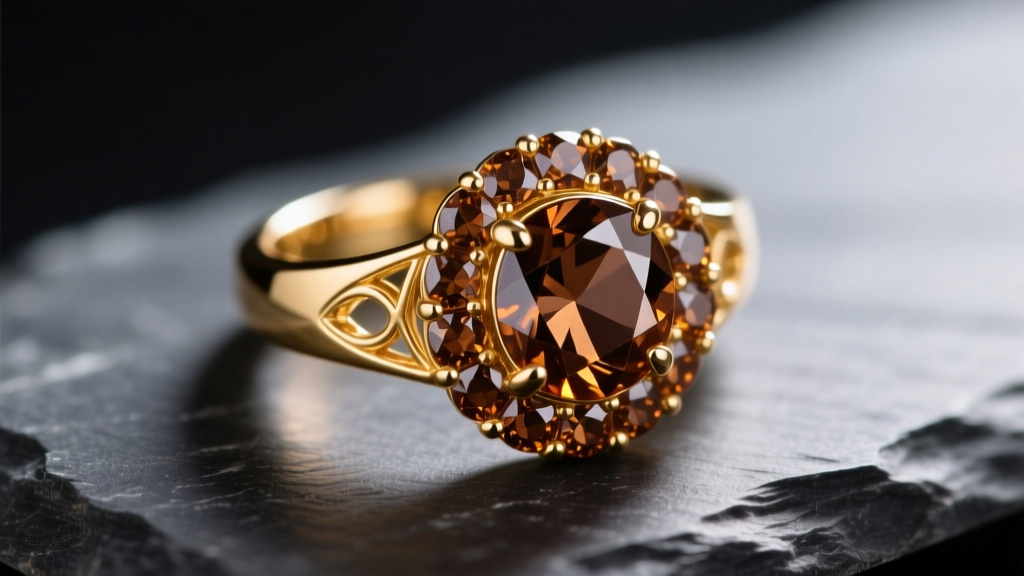
The Rise of Earthy Tones: Understanding Chocolate Gold
When most buyers think of gold jewelry, they immediately picture classic yellow, stark white, or blush-toned rose gold. However, the luxury market has seen a significant surge in demand for deeper, earthier hues—most notably, chocolate gold. Whether you are drawn to its warm, bronze-like undertones or its unique ability to make colored gemstones pop, buying chocolate gold jewelry requires a highly specific set of knowledge. Unlike traditional gold colors, the brownish-chocolate hue is not a naturally occurring elemental state; it is the result of precise metallurgical manipulation or advanced surface treatments.
As a buyer, navigating this niche category means you must differentiate between solid proprietary alloys, custom-cast independent mixes, and deceptive surface coatings. This comprehensive buying guide will break down the exact specifications, hallmark requirements, and pricing structures you need to know before investing in chocolate gold jewelry in 2026 and beyond.
What Exactly is Chocolate Gold? The Metallurgy Explained
Pure 24-karat gold is inherently yellow. To create any other color, metallurgists must alloy the pure gold with other metals. According to the Gemological Institute of America (GIA), the color of gold is dictated by the specific ratios of copper, silver, zinc, and sometimes palladium or nickel.
Chocolate gold (often referred to interchangeably as brown gold or bronze gold) is typically achieved in 14k or 18k purities. To get that distinct earthy brown tone, alloyers significantly increase the copper content while carefully balancing the silver and zinc. In some cases, the brown color is not just a product of the raw alloy mix, but is enhanced through a controlled oxidation process (patina) or specific heat treatments that darken the copper molecules at the surface level.
The Danger of PVD Coatings
Not all chocolate gold is created equal. While high-end jewelers use solid alloys, mass-market manufacturers often use Physical Vapor Deposition (PVD) to coat standard yellow gold or even sterling silver with a brown titanium or zirconium layer. Always ask the jeweler if the color is 'throughout the alloy' or a 'surface treatment.' PVD coatings, while durable, will eventually wear off on high-friction areas like ring bands, revealing the yellow or silver metal beneath.
Proprietary Brands vs. Independent Jewelers
When shopping for chocolate gold, you will quickly notice a divide between trademarked brand names and independent artisan creations.
The Le Vian Factor
The term 'Chocolate Gold' was heavily popularized—and trademarked—by the luxury brand Le Vian. Their proprietary Chocolate Gold® is a solid 14k or 18k alloy formulated to perfectly complement their trademarked Chocolate Diamonds® (which are essentially heat-treated or naturally brown cognac diamonds). When you buy from Le Vian, you are paying a premium for the brand name, the specific consistency of their alloy, and their curated gemstone pairings.
Independent and Custom Alternatives
If you want the aesthetic without the brand markup, many independent jewelers offer 'brown gold' or 'bronze gold.' These are usually custom 14k alloys with high copper content. The advantage here is customizability and price, but the trade-off is that the exact shade of brown can vary slightly from batch to batch depending on the jeweler's specific alloy recipe.
Critical Specifications to Check Before Buying
Before handing over your credit card, verify these three non-negotiable specifications to ensure you are getting genuine, high-quality chocolate gold.
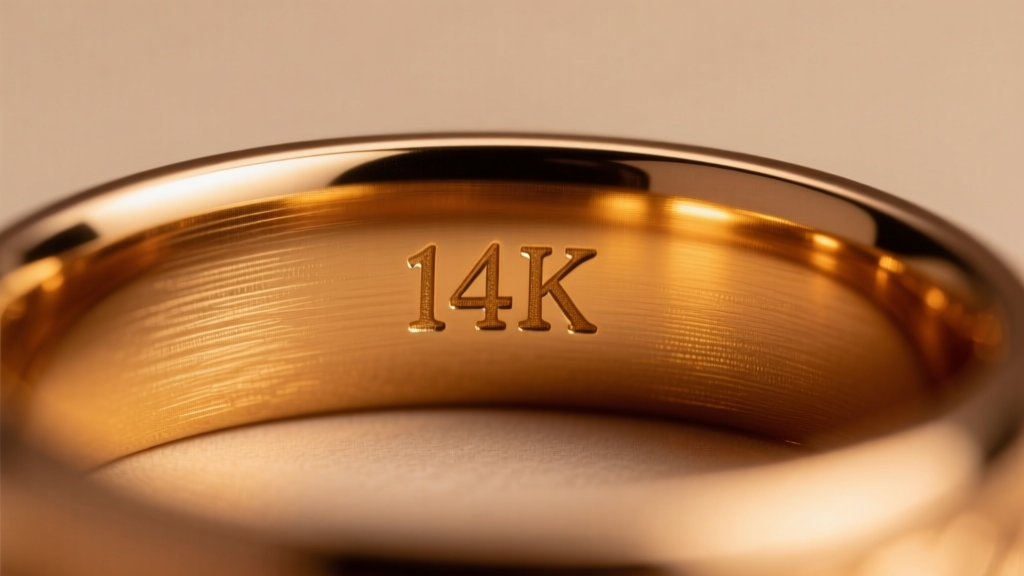
- Karatage and Hallmarks: The Federal Trade Commission (FTC) mandates that solid gold jewelry must be stamped with its karatage (e.g., 14K, 18K) alongside the manufacturer's trademark or hallmark. If a piece is marketed as chocolate gold but lacks a karat stamp, it is likely plated base metal or bronze.
- Alloy Transparency: Request a breakdown of the alloy. A standard 14k brown gold alloy contains 58.5% pure gold, with the remaining 41.5% comprising mostly copper, a touch of silver, and trace zinc. High copper content means the metal is harder and more durable than yellow gold, making it excellent for prongs and daily-wear rings.
- Gemstone Pairings: Chocolate gold absorbs light differently than yellow gold. It looks spectacular with warm-toned stones like cognac diamonds, fire opals, garnets, and smoky quartz. Avoid pairing it with cool-toned stones like blue sapphires unless you are intentionally going for a high-contrast, avant-garde look.
Chocolate Gold vs. Rose Gold vs. Bronze: A Comparison
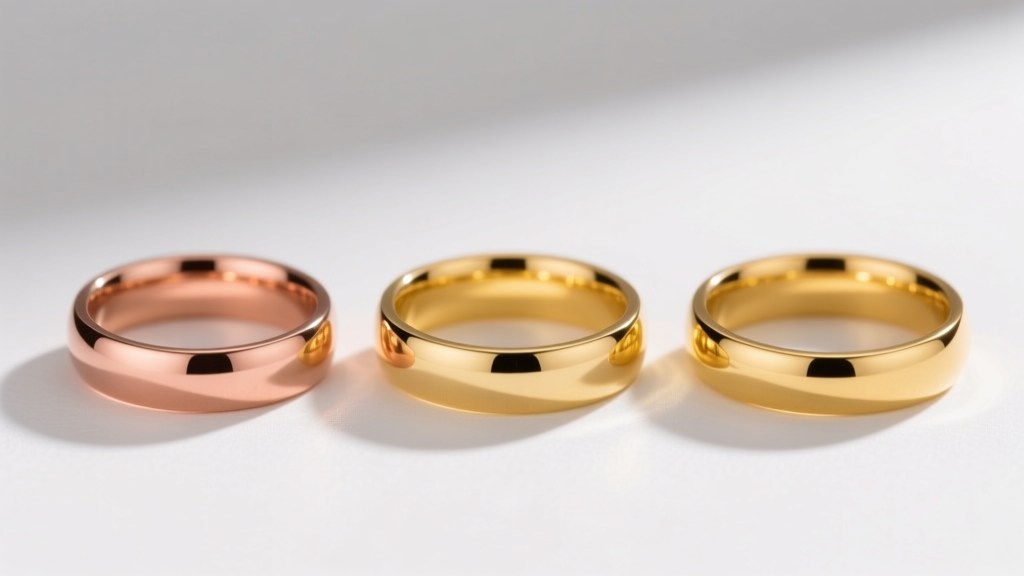
Buyers often confuse chocolate gold with rose gold or bronze. While they share copper as a primary alloying agent, their structural integrity and value are vastly different.
| Metal Type | Composition (Typical 14k) | Color Profile | Tarnish Resistance | Relative Price Point |
|---|---|---|---|---|
| Chocolate Gold | 58.5% Gold, High Copper, Silver, Zinc | Deep earthy brown, bronze-like | Moderate (can oxidize) | High (Luxury Alloy) |
| Rose Gold | 58.5% Gold, ~20% Copper, Silver | Pinkish-red, warm blush | High | High (Standard Alloy) |
| Bronze | 0% Gold, ~88% Copper, ~12% Tin | Reddish-brown, metallic | Low (patinas quickly) | Low (Base Metal) |
Pro-Tip: Some unethical sellers market heavily oxidized bronze as 'chocolate gold.' Always rely on the FTC-mandated karat stamp to verify the presence of actual gold.
Pricing Expectations and Value Retention
Because chocolate gold is a niche alloy, pricing can be slightly higher than standard yellow or white gold due to the specialized casting process and lower economies of scale. Here is what you can expect to pay in the current market:
- Simple 14k Chocolate Gold Bands: $400 – $800
- Designer Engagement Rings (e.g., Le Vian): $2,500 – $8,000+ (heavily dependent on the carat weight of the accompanying chocolate or white diamonds).
- Custom Independent Pendants: $600 – $1,500
Regarding value retention, chocolate gold holds its value based on its raw gold weight and the quality of the diamonds/gemstones set within it. However, because the color is a specialized trend, the resale market is narrower than that of classic yellow or white gold. Buy it because you love the aesthetic, not strictly as a liquid financial investment.
Care and Maintenance for Darker Gold Alloys
The high copper content that gives chocolate gold its beautiful brown hue also makes it more susceptible to environmental oxidation than traditional gold alloys. Over time, exposure to sweat, lotions, and chlorine can cause the copper to react, potentially darkening the metal further or creating a dull patina.
Expert Cleaning Protocol: Never use ultrasonic cleaners or harsh chemical dips (like silver polish or ammonia-based solutions) on chocolate gold, especially if the jeweler used a surface patina to achieve the brown color. These methods will strip the oxidation and revert the metal to a lighter, coppery-pink shade.
Instead, clean your chocolate gold jewelry using a few drops of mild, phosphate-free dish soap in lukewarm water. Gently scrub with a baby-soft toothbrush, rinse thoroughly, and dry immediately with a microfiber cloth. If the piece loses its luster, take it back to the original jeweler for a professional re-polish and, if necessary, a controlled re-oxidation to restore the deep chocolate tone.
Final Verdict: Is Chocolate Gold Right for You?
Chocolate gold jewelry is an exceptional choice for buyers who want a luxurious, non-traditional metal that bridges the gap between the warmth of rose gold and the vintage appeal of antique bronze. By insisting on solid 14k or 18k hallmarked alloys, avoiding deceptive PVD coatings, and committing to proper copper-safe cleaning routines, you can secure a stunning, earthy piece that will remain a unique staple in your jewelry collection for decades.