How to Choose a Safe Gold Jewelry Cleaner for Every Karat
Learn how to choose the best gold jewelry cleaner for 10k, 14k, 18k, and plated gold. Compare safe DIY recipes and top commercial solutions.

The Chemistry of Gold Tarnish and Dirt
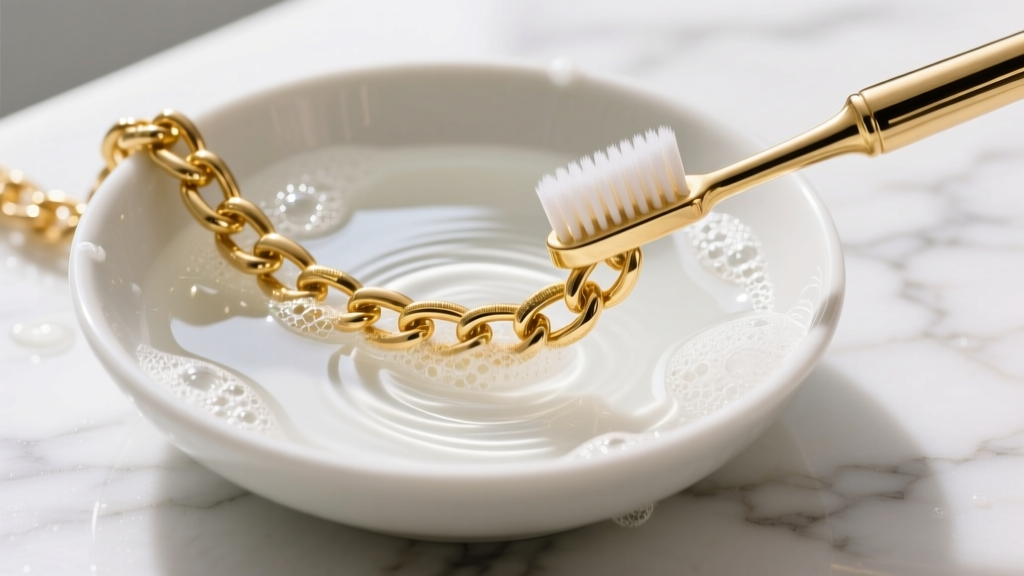
When your favorite rings and necklaces lose their luster, the immediate instinct is to reach for a commercial gold jewelry cleaner. However, before applying any chemical solution, it is crucial to understand why gold gets dull in the first place. Pure 24k gold is highly unreactive and will never tarnish. The problem lies in the alloy metals. To make gold durable enough for daily wear, jewelers mix it with copper, silver, zinc, and nickel. These base metals react with environmental sulfur, oxygen, and the acids in your skin, creating a microscopic layer of tarnish.
Furthermore, everyday products like lotions, hairsprays, and sebum (skin oils) create a sticky film that traps dead skin cells and dust against the metal. This combination of chemical tarnish and physical grime is what blocks light from reflecting off the gold's surface. A proper gold jewelry cleaner must address both issues: it needs mild surfactants to lift the oily grime and gentle chelating agents to dissolve the tarnish without attacking the underlying alloy metals or any gemstone inclusions.
Why One Gold Jewelry Cleaner Does Not Fit All
The biggest mistake beginners make is treating all gold items equally. The cleaning method that safely restores a solid 14k gold wedding band can permanently destroy a gold-plated fashion necklace. According to the Federal Trade Commission (FTC) Jewelry Guides, the terminology around gold types dictates their structural integrity and chemical resistance.
Solid Gold (10k, 14k, 18k, 24k)
Solid gold is an alloy throughout its entire cross-section. Because the gold and strengthening metals are uniformly mixed, solid gold can withstand mild abrasives, warm water soaks, and ammonia-based commercial cleaners. However, higher karats (like 18k and 24k) are softer and more prone to micro-scratches, meaning abrasive pastes should still be avoided.
Gold Vermeil and Gold Plated
Gold vermeil consists of a sterling silver base plated with a minimum of 2.5 microns of gold. Standard gold plating can be as thin as 0.175 microns over brass or copper. Using a harsh gold jewelry cleaner containing ammonia or alcohol on plated jewelry will cause microscopic pitting, accelerating the wear of the gold layer and exposing the base metal beneath. Plated items require pH-neutral, non-abrasive cleaning protocols.
Commercial vs. DIY Gold Jewelry Cleaners: A Data Comparison
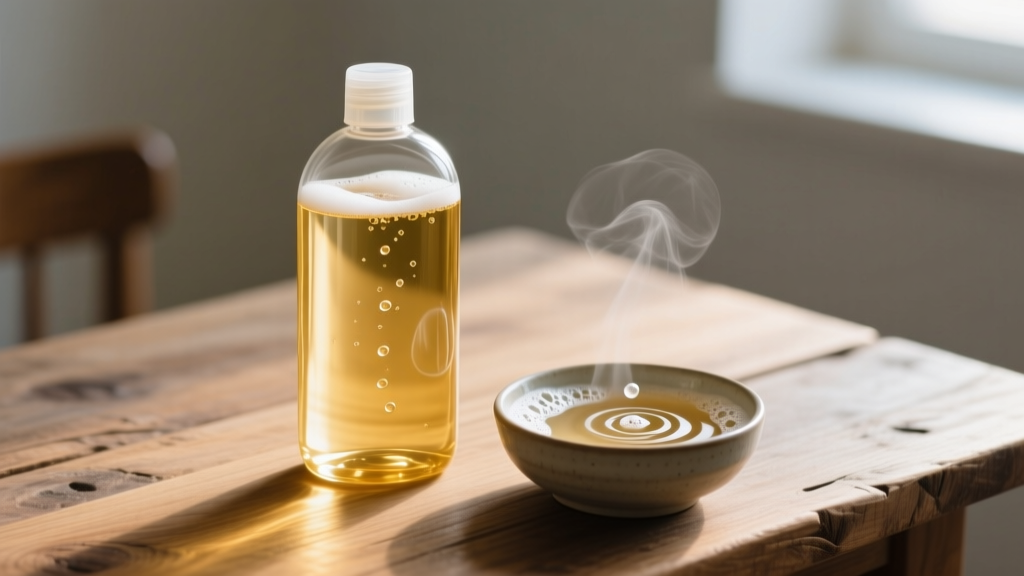
Should you invest in a branded cleaning solution or use pantry staples? The Gemological Institute of America (GIA) frequently recommends mild dish soap as the safest baseline for most jewelry. Below is a structural comparison of the most common cleaning avenues.
| Cleaner Type | Active Ingredients | Avg Cost (per oz) | Best Used For | Risk to Plating/Gems |
|---|---|---|---|---|
| DIY Dish Soap Bath | Mild surfactants (e.g., Dawn Ultra) | $0.15 | All gold types, porous gems | Extremely Low |
| Commercial Liquid Dip | Ammonia, thiourea, surfactants | $1.50 - $2.50 | Solid 10k/14k yellow gold | High (Strips plating, damages pearls) |
| Polishing Cloths | Micro-abrasives, rouge | $1.00 - $2.00 | Solid gold, removing light scratches | Medium (Will rub off gold plating) |
| Ultrasonic Machine | 40kHz sound waves + solvent | $35.00+ (Machine) | Solid gold, diamond settings | Severe (Vibrates plating off, shatters emeralds) |
The Ultimate DIY Cleaning Protocol for Solid Gold
For 90% of your solid gold jewelry, a simple dish soap bath is the most effective and safest gold jewelry cleaner you can use. Here is the exact, step-by-step protocol used by professional jewelers for routine maintenance.
- Prepare the Solution: Fill a small glass bowl with 1 cup of lukewarm water. Avoid hot water, as rapid temperature changes can cause thermal shock to gemstones like opals or emeralds. Add exactly 3 to 4 drops of a pH-neutral, lotion-free dish soap (Dawn Ultra is the industry standard).
- The Soak: Submerge your solid gold jewelry and let it soak for 15 to 20 minutes. This allows the surfactants to break the surface tension of the oils trapped under the prongs and chain links.
- Agitation: Using an extra-soft baby toothbrush (never a medium or hard bristle brush, which can score 14k and 18k gold), gently brush the jewelry. Pay special attention to the back of settings and the interior of chain links where sebum accumulates.
- Rinsing: Rinse thoroughly under a gentle stream of lukewarm tap water. Ensure the drain is plugged or use a mesh strainer to prevent catastrophic loss.
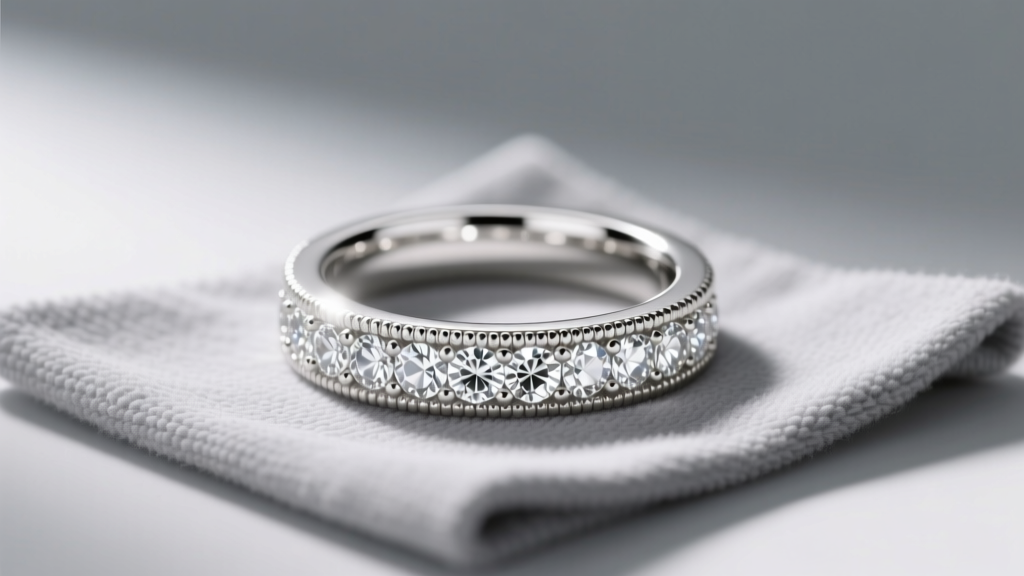
- Drying: Pat dry with a lint-free microfiber cloth. Avoid paper towels, as their wood pulp fibers can leave micro-scratches on highly polished gold surfaces.
Navigating Commercial Cleaners and Ultrasonics
If you opt for a commercial gold jewelry cleaner, read the label for ammonia. Ammonia is highly effective at cutting through grease and dissolving tarnish on solid yellow gold. However, it is strictly prohibited for use on white gold. White gold is naturally a pale yellow/grey alloy that is plated with rhodium to achieve a bright white finish. Ammonia will degrade the rhodium plating, causing your white gold to look yellow and patchy.
Ultrasonic cleaners use high-frequency sound waves (typically 40kHz) to create microscopic cavitation bubbles in a solvent. When these bubbles collapse, they blast dirt away. While excellent for solid gold diamond rings, the intense vibrations can easily shake loose gemstones held by worn prongs and will strip gold vermeil and gold plating down to the base metal in a matter of seconds.
The "Never Use" List: Common Household Hazards
When searching for a quick gold jewelry cleaner, many beginners turn to abrasive household remedies that cause irreversible damage. Never use the following on any gold jewelry:
- Toothpaste: Toothpaste contains silica and calcium carbonate, which rank around 3 to 4 on the Mohs hardness scale. Since 18k gold is only about 2.5 to 3 on the Mohs scale, brushing gold with toothpaste acts like sandpaper, permanently dulling the mirror finish.
- Baking Soda Paste: Similar to toothpaste, baking soda is a crystalline abrasive. It will create thousands of micro-scratches that trap future dirt, making the gold tarnish faster over time.
- Chlorine Bleach: Chlorine is gold's ultimate enemy. It reacts with the copper and zinc alloys in 14k and 18k gold, causing a metallurgical failure known as "stress corrosion cracking." Exposing a solid gold ring to pool water or bleach can cause the band to become brittle and literally snap in half.
Expert Maintenance Tips for Long-Term Shine
The best way to reduce the need for heavy-duty gold jewelry cleaners is preventative maintenance. Remove your gold jewelry before swimming in chlorinated pools, applying self-tanners, or doing heavy household cleaning. For daily wear items like wedding bands, a quick wipe with a dedicated jewelry polishing cloth once a week will remove the acidic oils from your skin before they have the chance to oxidize the alloy metals. By matching your cleaning method to the specific karat and construction of your jewelry, you will preserve both the structural integrity and the brilliant shine of your pieces for decades.


