What Does Gold Filled Jewelry Mean? A Value & Budget Guide
Discover what gold filled jewelry means, how it compares to solid gold and vermeil, and if it offers real long-term value for your budget.

When building a curated, everyday jewelry collection on a realistic budget, you will inevitably encounter pieces labeled as "gold filled." It sits in a confusing middle ground between cheap costume jewelry and expensive solid gold. But what does gold filled jewelry mean for your wallet, and does it actually hold long-term value? As a senior appraiser and style analyst, I see countless buyers mistakenly equate gold filled with gold plated, leading to either overpaying for inferior pieces or dismissing high-quality gold filled items that offer incredible ROI. In this comprehensive budget and value assessment, we will decode the legal standards, manufacturing realities, and practical lifespan of gold filled jewelry so you can make financially sound purchasing decisions in 2026 and beyond.
The Core Definition: What Does Gold Filled Jewelry Mean?
To understand the value proposition, we must first look at the legal definition. According to the Federal Trade Commission (FTC) Jewelers' Guides, gold filled jewelry is not merely "filled" with gold like a cream puff. Instead, it consists of a base metal core—usually jeweler's brass or copper—that is mechanically bonded to a substantial outer layer of solid gold.
The FTC mandates a strict quantitative threshold: the gold layer must constitute at least 5% (or 1/20th) of the total weight of the metal item. This is typically stamped as "1/20 14K GF" or "1/20 12K GF". This 5% rule is the absolute bedrock of gold filled value. While 5% might sound small, in the context of jewelry weight, it represents a massive amount of actual gold compared to alternative methods. A standard gold filled chain contains roughly 100 times more gold than a comparable gold plated chain. This legal distinction is precisely what separates gold filled from the unregulated "gold plated" market, providing a guaranteed baseline of material value.
The Manufacturing Process: Mechanical Bonding vs. Plating
The true value of gold filled jewelry lies in its manufacturing process. Unlike electroplating, which uses electrical currents to deposit a microscopic layer of gold (often less than 0.5 microns thick) onto a base metal, gold filled material is created through extreme heat and pressure.
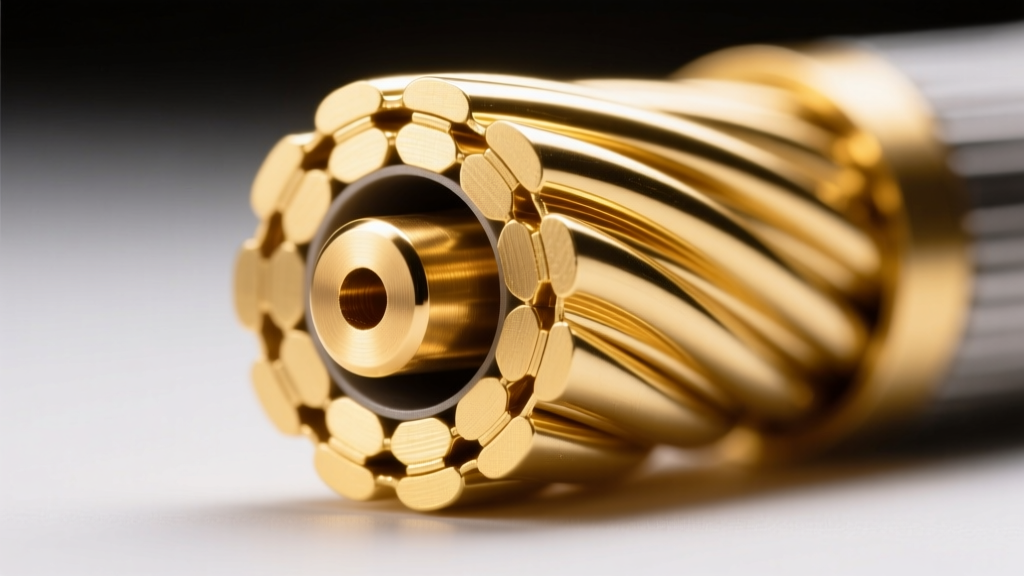
The base metal core and the solid gold alloy sheet are passed through specialized rolling mills under immense pressure. This mechanical bonding process fuses the two metals at a molecular level, creating a permanent, inseparable bond. The resulting gold layer is typically between 2.5 to 5 microns thick—substantial enough to withstand years of daily wear without flaking, peeling, or rubbing off. The Gemological Institute of America (GIA) notes that this mechanical bonding is what gives gold filled pieces their renowned durability, allowing them to mimic the look, feel, and tarnish-resistance of solid 14k gold at a fraction of the raw material cost.
Budget Breakdown: Gold Filled vs. Solid, Vermeil, and Plated
When assessing budget and value, context is everything. How does gold filled stack up against the rest of the market in terms of price-to-lifespan ratio? Below is a comparative analysis based on average market pricing for a standard 18-inch cable chain and medium-weight hoop earrings.
| Material Type | Gold Content | Avg. Price (18" Chain) | Expected Lifespan | Best Use Case |
|---|---|---|---|---|
| Solid 14k Gold | 58.5% Pure Gold | $400 - $800+ | Lifetime / Heirloom | Rings, Bracelets, Daily Wear |
| Gold Filled (1/20 14k) | 5% Pure Gold by Weight | $45 - $90 | 10 - 30+ Years | Necklaces, Earrings, Bangles |
| Gold Vermeil | ~0.1% (2.5 microns over Silver) | $60 - $150 | 2 - 5 Years | Occasional Wear, Statement Pieces |
| Gold Plated (Brass) | <0.05% (0.5 microns) | $15 - $40 | 6 - 18 Months | Trendy / Fast Fashion |
As the data illustrates, gold filled occupies the ultimate "sweet spot" for budget-conscious buyers who refuse to compromise on skin safety and longevity. While solid gold remains the ultimate heirloom investment, its premium pricing (often 10x to 20x higher than gold filled) prices out many everyday consumers. Gold vermeil (gold plated over sterling silver) offers a luxurious feel but suffers from the same microscopic gold layer issues as standard plating, meaning it will eventually wear down to the silver core. Gold filled, conversely, offers decades of wear for a one-time moderate investment.
Real-World Value Assessment: When to Buy Gold Filled
Despite its many advantages, gold filled is not a universal solution. Assessing its true value requires understanding its physical limitations and failure modes. Because the gold layer is bonded to a base metal core, gold filled wire and sheet metal cannot be cast or heavily soldered without destroying the bond. If a jeweler attempts to resize a gold filled ring or solder a broken link using a traditional torch, the intense localized heat will melt the gold layer into the brass core, resulting in a permanent, dark, unpolishable scar.
Therefore, the highest value applications for gold filled jewelry are items that require minimal soldering and experience low friction. Necklaces, earrings, and bangles are exceptional gold filled investments. They do not rub constantly against the skin or other surfaces, allowing the 1/20th gold layer to last a lifetime. Conversely, rings and delicate bracelets are poor value propositions in gold filled. The constant friction against fingers, keyboards, and other objects will eventually wear through the gold layer at high-contact points, exposing the brass core and leading to localized tarnishing and potential skin discoloration. If you are buying a ring for daily wear, save your budget for solid 10k or 14k gold.
Care and Maintenance to Protect Your Investment
To maximize the financial ROI of your gold filled pieces, proper maintenance is non-negotiable. While the thick gold layer is highly tarnish-resistant, the exposed base metal at the cut ends of chains or wires can oxidize if exposed to harsh environments.
Never use ultrasonic cleaners or chemical dip polishes on gold filled jewelry. The aggressive vibrations and harsh acids can cause micro-delamination, where the gold layer begins to separate from the brass core at the edges. Instead, clean your pieces using a simple solution of warm water and a few drops of mild, phosphate-free dish soap. Gently scrub with a baby-soft toothbrush, rinse thoroughly, and dry completely with a microfiber cloth. Store your gold filled items in airtight anti-tarnish bags with silica gel packets to control ambient humidity, ensuring the exposed brass ends remain pristine.
Final Verdict: Is Gold Filled Worth Your Money?
So, what does gold filled jewelry mean for your bottom line? It means accessible luxury without the planned obsolescence of fast-fashion plating. For buyers seeking the rich, warm luster of 14k gold for necklaces and earrings without the crippling price tag of solid gold, gold filled is unequivocally the smartest budget allocation available. By understanding the 1/20th FTC standard, avoiding high-friction applications like rings, and adhering to gentle cleaning protocols, your gold filled pieces will deliver exceptional cost-per-wear value for decades. It is not a shortcut to solid gold, but rather a distinct, highly regulated material category that deserves a respected place in any financially savvy jewelry collection.