How Long Does Gold Dipped Jewelry Last? Expert Breakdown
Discover exactly how long gold dipped jewelry lasts compared to plated, vermeil, and filled options. Expert material breakdown and care tips inside.

The Reality of Gold Dipping: Flash Plating Explained
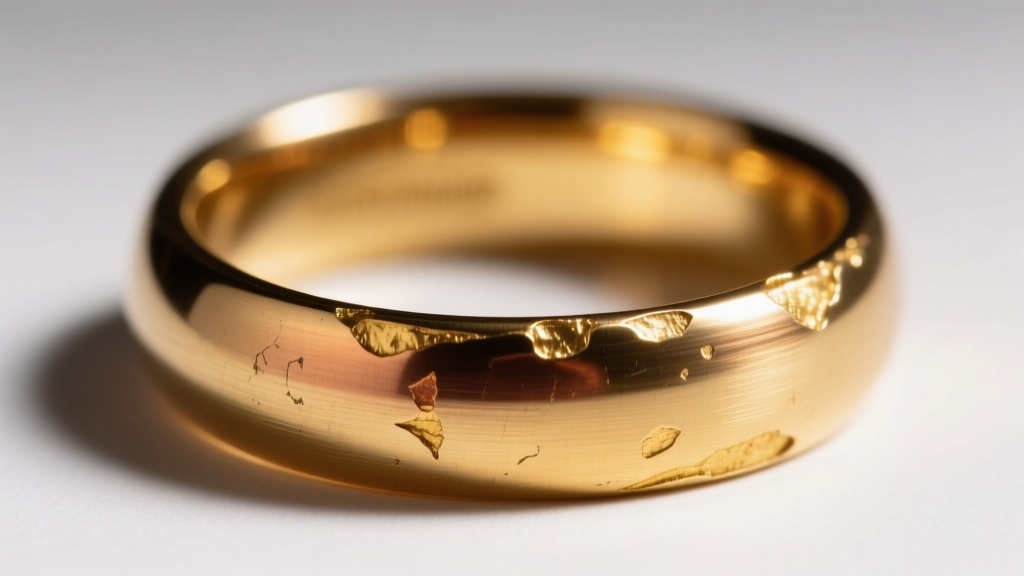
To understand the lifespan of gold dipped jewelry, we must first look at the manufacturing process. In the jewelry industry, "gold dipped" is a consumer-friendly term for what metallurgists and the Federal Trade Commission (FTC) refer to as "flash plating" or "electroplated gold flash." Unlike heavy gold plating or gold vermeil, the gold dipping process involves submerging a base metal (usually brass, copper, or nickel alloys) into an electroplating solution for a very brief period.
The resulting gold layer is exceptionally thin—typically ranging from 0.01 to 0.1 microns. To put this into perspective, a single sheet of standard printer paper is about 100 microns thick. Because the gold layer is measured in fractions of a micron, it lacks the structural integrity to withstand prolonged friction, environmental exposure, or the natural acids found in human skin. For a comprehensive look at industry standards, the FTC Jewelry Guides strictly regulate how these micro-thin layers can be marketed to prevent consumer deception.
How Long Does Gold Dipped Jewelry Last in Daily Wear?
When consumers search for how long does gold dipped jewelry last, they are usually experiencing premature tarnishing on a favorite piece. The lifespan is highly variable and depends entirely on wear frequency and environmental factors.
Lifespan Timelines Based on Wear Habits
- Daily Wear (Rings and Bracelets): 2 to 6 weeks. High-friction areas like the inner band of a ring or the clasp of a bracelet will rub through a 0.05-micron flash layer almost immediately.
- Daily Wear (Earrings and Necklaces): 2 to 4 months. These pieces experience less mechanical friction, though they are still exposed to skin pH and hair products.
- Occasional / Evening Wear: 6 to 12 months. If stored properly in anti-tarnish pouches between uses, the microscopic gold layer can survive for a year or more.
The primary culprit for rapid degradation is not just water, but the pH level of the wearer's sweat. Individuals with highly acidic skin chemistry (a pH below 5.5) will find that gold dipped jewelry tarnishes or flakes within days, as the acid rapidly corrodes the base metal beneath the porous gold flash.
Material Comparison: Dipped vs. Plated vs. Vermeil vs. Filled
To make informed purchasing decisions, it is crucial to compare gold dipping against other common gold finishes. The Gemological Institute of America (GIA) notes that the thickness of the gold layer and the purity of the base metal are the two most critical factors in determining a piece's longevity and intrinsic value.
| Material Type | Gold Thickness | Base Metal | Avg. Lifespan (Daily Wear) | Price Range (USD) |
|---|---|---|---|---|
| Gold Dipped (Flash) | 0.01 - 0.1 microns | Brass, Copper, Nickel | 1 - 3 Months | $10 - $35 |
| Gold Plated | 0.5 - 1.0 microns | Brass, Sterling Silver | 6 - 12 Months | $30 - $85 |
| Gold Vermeil | 2.5+ microns (Min 10k) | Sterling Silver (925) | 1 - 3 Years | $80 - $250 |
| Gold Filled | 15 - 25 microns (5% weight) | Jeweler's Brass | 5 - 10+ Years | $60 - $200 |
| Solid Gold (14k) | N/A (Solid Alloy) | N/A | Lifetime | $250 - $1000+ |
As the data illustrates, gold dipping sits at the very bottom of the durability spectrum. While it offers the aesthetic of solid gold at a fraction of the cost, it is fundamentally a temporary finish rather than a permanent material state.
The Chemistry of Tarnish and Wear
Why does gold dipped jewelry fail so quickly? The answer lies in galvanic corrosion and oxidation. Base metals like brass and copper are highly reactive. When the micro-thin gold layer inevitably develops microscopic pinholes from daily wear, moisture and oxygen reach the base metal.
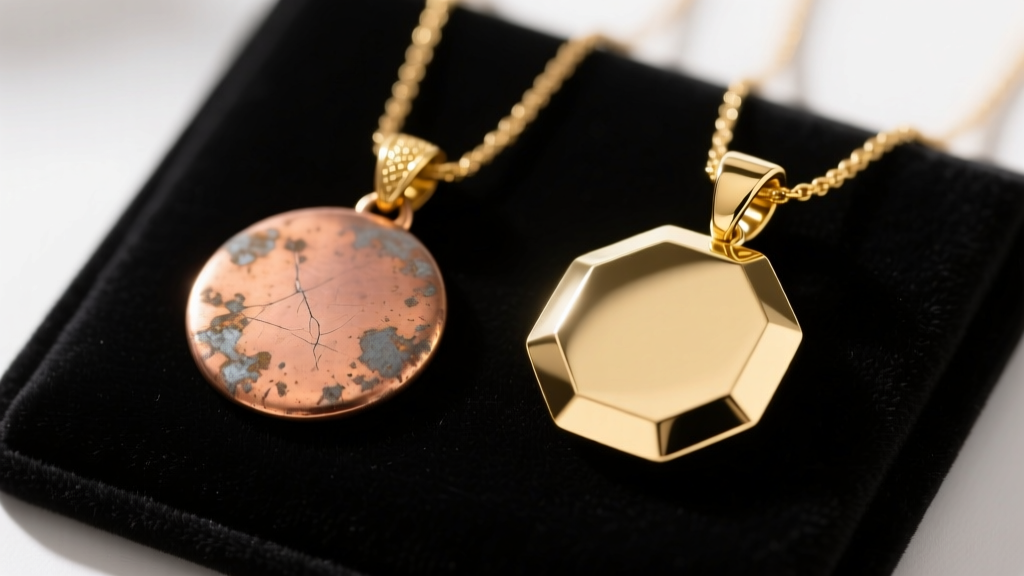
Once the copper or brass begins to oxidize, it creates copper salts (often appearing as a green or black powdery residue). This oxidation actually pushes up from underneath the gold layer, causing the gold to blister, flake, and peel away. No amount of polishing can reverse this, as the gold itself is not tarnishing—the base metal beneath it is actively corroding and destroying the gold layer from the inside out.
Actionable Care Framework to Extend Lifespan
If you own gold dipped pieces and want to maximize their brief lifespan, you must adopt a defensive care strategy. Generic advice like "keep it dry" is insufficient. Follow this specific protocol:
1. The Barrier Method
For rings and bangles that experience high friction, apply a specialized jewelry sealant (such as Jewelry Shield) or a very thin coat of clear, non-yellowing polyurethane to the inner band. This creates a physical barrier between your skin's acidic oils and the porous gold flash. Avoid standard nail polish, as the solvents in nail polish remover will strip the gold flash entirely when you eventually try to clean it.
2. Chemical Isolation
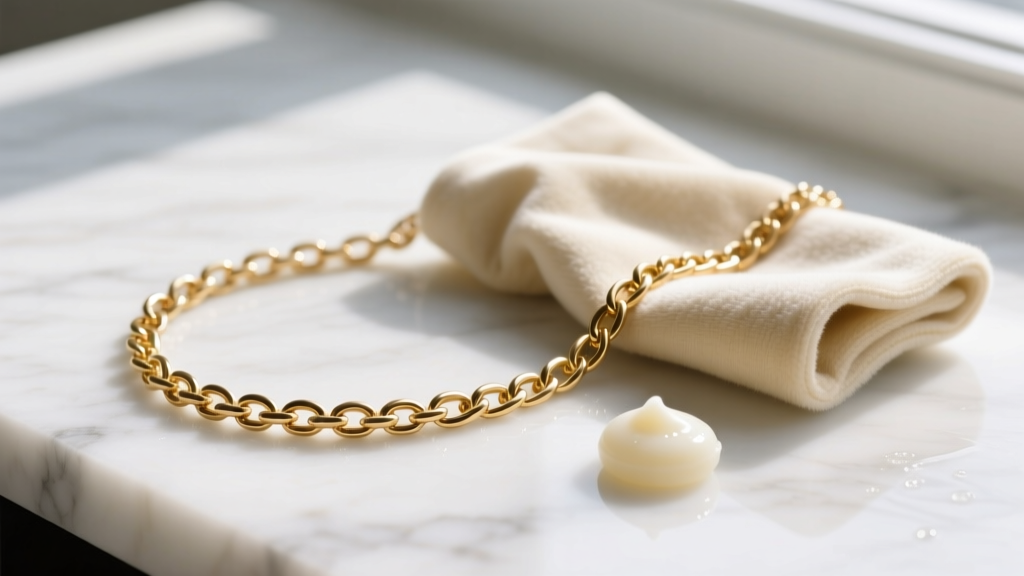
Gold dipped jewelry must be isolated from volatile organic compounds (VOCs) and sulfur. Never wear these pieces while applying lotions, perfumes, or hairsprays. The alcohols and aerosolized chemicals act as mild solvents that degrade the electroplated bond.
3. Proper Storage Mechanics
Do not store gold dipped jewelry in standard cardboard or paper boxes, which emit sulfur gases that accelerate base metal oxidation. Store each piece individually in a sealed polyethylene ziplock bag along with a 3M anti-tarnish strip. According to Jewelers Mutual, controlling the micro-climate of your jewelry storage is the single most effective way to slow down chemical degradation.
The Re-Dipping Economy: When to Upgrade
Many consumers attempt to salvage sentimental or favorite gold dipped pieces by taking them to a local jeweler for re-dipping. While a jeweler can strip the remaining finish and apply a new layer of gold flash, the economics rarely make sense.
"Re-dipping a brass ring typically costs between $35 and $60. If you have to re-dip a piece more than twice, you have surpassed the cost of simply purchasing a high-quality 14k gold-filled alternative that will last a decade without maintenance."
Recognizing the Point of No Return
If your gold dipped jewelry has turned your skin green, or if the underlying metal is showing through in large, uneven patches, the piece has reached the end of its lifecycle. At this stage, the base metal is actively oxidizing. Even if you re-plate it, the trapped oxidation will quickly bleed through the new gold layer. It is time to retire the piece and invest in gold vermeil or gold filled jewelry, which offer a vastly superior return on investment for daily wear.
Final Verdict on Gold Dipped Longevity
Ultimately, how long gold dipped jewelry lasts depends on your expectations. If you view it as fast-fashion jewelry meant for a single season or a specific event, it serves its purpose beautifully. However, if you are looking for heirloom quality or daily-wear durability, gold dipping will inevitably disappoint. By understanding the microscopic realities of flash plating and comparing it to thicker, more robust alternatives like gold filled or solid gold, you can align your purchasing habits with your long-term style goals.


