10k Gold Filled Jewelry Explained: Beginner's Guide
Discover the truth about 10k gold filled jewelry. Learn how it compares to 14k GF, its real lifespan, durability, and expert care tips.

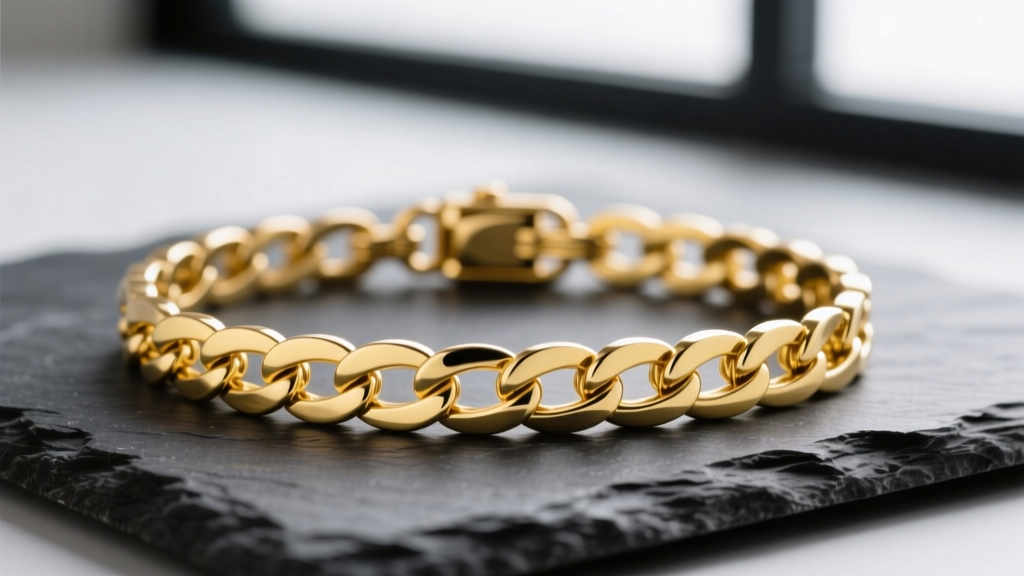
If you are stepping into the world of demi-fine jewelry, you have likely encountered the term "gold filled." It is widely praised as the ultimate middle ground between cheap plated accessories and expensive solid gold. However, not all gold filled pieces are created equal. While 14k gold filled dominates the market, 10k gold filled jewelry occupies a unique, often misunderstood niche.
For beginners, navigating the karat weights and bonding processes can feel overwhelming. Is 10k gold filled durable? Will it turn your skin green? How does it actually compare to the more popular 14k alternative? This comprehensive guide breaks down the exact metallurgy, realistic pricing, and daily wear expectations of 10k gold filled jewelry so you can shop with absolute confidence.
What Exactly Is 10k Gold Filled Jewelry?
To understand 10k gold filled jewelry, we must first define the "gold filled" manufacturing process. Unlike gold plating—which involves a microscopic flash of gold applied via electroplating—gold filled material is created through a mechanical bonding process. A thick sheet of solid gold is heat-bonded and pressure-fused to a core metal, usually jeweler's brass.
By United States Federal Trade Commission (FTC) guidelines, the gold layer must constitute at least 5% (or 1/20th) of the total weight of the item. The "10k" designation refers specifically to the purity of that outer gold layer.
The Metallurgy of 10k Gold
Pure gold is 24 karats, meaning it is 100% gold. However, pure gold is far too soft for jewelry. To create 10k gold, the alloy must contain exactly 41.7% pure gold, with the remaining 58.3% made up of strengthening metals like copper, silver, nickel, or zinc. Because 10k gold contains more alloy metals than pure gold, it is inherently harder, more rigid, and more resistant to scratching than higher karat golds.
10k vs. 14k Gold Filled: A Technical Comparison
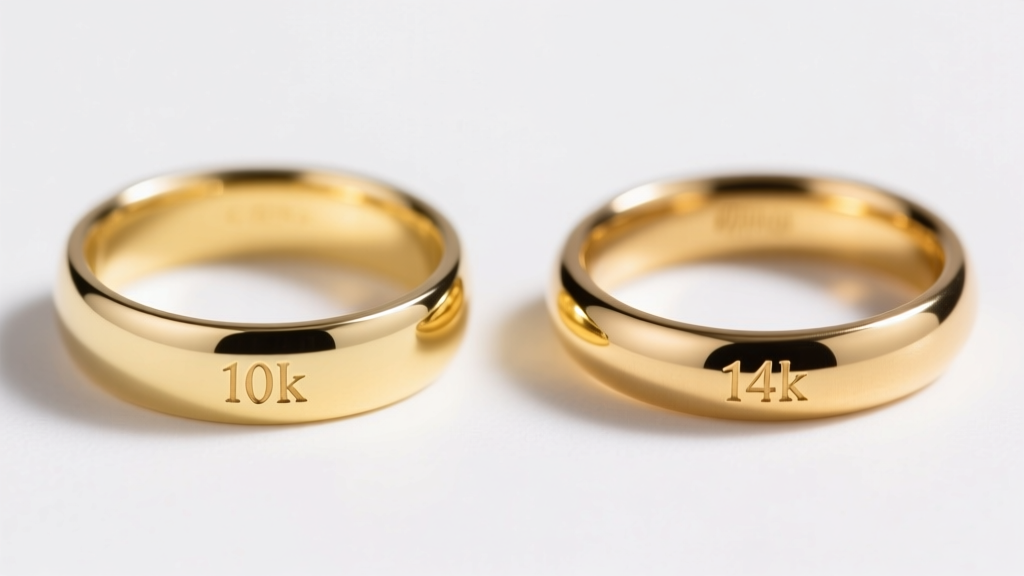
The most common question beginners ask is whether they should hold out for 14k gold filled or if 10k gold filled jewelry is an acceptable alternative. The answer depends entirely on your priorities regarding color, durability, and budget. Below is a direct technical comparison to help you decide.
| Feature | 10k Gold Filled | 14k Gold Filled |
|---|---|---|
| Gold Purity (Layer) | 41.7% Pure Gold | 58.3% Pure Gold |
| Color Profile | Pale, slightly cool yellow | Rich, warm buttery yellow |
| Hardness & Durability | Extremely high (resists dents) | High (standard for daily wear) |
| Tarnish Resistance | Moderate (copper content can oxidize) | High |
| Market Availability | Niche / Limited | Industry Standard / Abundant |
| Average Price Premium | Base Price | +15% to 25% higher |
As noted by the Federal Trade Commission's Jewelry Guides, any item labeled "gold filled" must meet strict weight and purity thresholds. However, because 14k offers a much more desirable color and better tarnish resistance, most reputable manufacturers default to 14k. When you do find 10k gold filled jewelry, it is typically utilized for structural components like clasps, jump rings, or ear wires that require maximum rigidity to prevent bending.
The Lifespan and Wearability of 10k GF
One of the most persistent myths in demi-fine jewelry is that all gold filled pieces last a lifetime. While 10k gold filled jewelry is incredibly resilient, its lifespan is dictated by friction, body chemistry, and environmental exposure.
Real-World Lifespan Expectations
- Low-Friction Items (Pendants, Hoop Earrings): 10 to 30+ years. Because these items rarely rub against the skin or clothing, the 1/20th gold layer will likely outlast the wearer.
- Medium-Friction Items (Necklaces, Bracelets): 5 to 15 years. Occasional contact with skin oils and clothing will slowly wear the layer down over a decade.
- High-Friction Items (Rings, Bangles): 2 to 7 years. Rings endure constant knocking, hand washing, and friction. The brass core will eventually show through at the highest contact points.
Will It Turn Your Skin Green?
The short answer: Eventually, yes, if the layer wears through. The core of gold filled jewelry is usually brass (an alloy of copper and zinc). When the outer 10k gold layer is compromised by years of friction, the exposed brass reacts with the acids and salts in your sweat, creating copper chloride—a green compound that transfers to your skin. However, because 10k gold is harder than 14k gold, it wears away slightly slower under physical abrasion, delaying this inevitable reaction.
How to Authenticate and Avoid Scams
Because 10k gold filled jewelry is less common, the market is flooded with mislabeled items. Unscrupulous sellers often take standard gold-plated brass and stamp it "10k GF" to charge a premium. Here is how you can verify the authenticity of your pieces.
Expert Tip: Never rely solely on a visual "acid test" for gold filled jewelry. Standard nitric acid testing kits are designed for solid gold and will eat right through the gold filled layer, destroying the piece and yielding a false reading based on the brass core.
Reliable Authentication Methods
- Check the Hallmarks: Authentic pieces must be legally stamped. Look for
10k GF,10/20 10k GF, or1/20 10k. If the stamp simply says "10k" without the "GF", it is either solid 10k gold or illegally stamped plated jewelry. - Examine the Edges: Use a jeweler's loupe (10x magnification) to inspect the edges or clasp connections. Gold plating often pools or flakes at the edges. Gold filled metal will show a clean, distinct seam where the gold sheet was mechanically wrapped around the core.
- Weigh the Evidence: Gold filled jewelry feels substantially heavier than standard plated jewelry due to the thick gold layer and dense brass core. If a thick chain feels suspiciously light, it is likely hollow or purely plated aluminum.
For deeper verification, the Gemological Institute of America (GIA) recommends X-ray Fluorescence (XRF) testing, which can accurately measure the exact thickness and karat purity of the gold layer without damaging the jewelry. Many local jewelers offer XRF scanning for a nominal fee.
Expert Care and Maintenance Routine
To push the lifespan of your 10k gold filled jewelry toward the 30-year mark, you must adopt a proactive care routine. The higher copper content in 10k gold means it is slightly more prone to surface oxidation (tarnish) than 14k gold, especially in humid environments.
The "Do's" of 10k GF Care
- Wash with Mild Surfactants: Use a few drops of phosphate-free dish soap (like Dawn) and lukewarm water. Gently agitate with a baby-soft toothbrush to remove trapped sebum and lotion.
- Dry Thoroughly: Moisture trapped in chain links or clasp mechanisms will accelerate the oxidation of the internal brass core. Always dry with a lint-free microfiber cloth.
- Store in Anti-Tarnish Pouches: Store pieces individually in zip-lock bags with anti-tarnish silica strips to neutralize sulfur compounds in the air.
The "Don'ts" of 10k GF Care
- Never Use Silver Polish: Silver dip solutions and abrasive polishing cloths (like Sunshine cloths) are designed to strip oxidation. They will aggressively strip the 10k gold layer right off the brass core.
- Avoid Chlorine and Saltwater: Swimming pools and hot tubs contain chlorine, which causes a catastrophic metallurgical reaction known as "stress corrosion cracking" in gold alloys, making the jewelry brittle and prone to snapping.
- Apply Lotions First: Always apply perfumes, sunscreens, and lotions 10 minutes before putting on your jewelry to prevent chemical buildup in the crevices.
Final Verdict: Is 10k Gold Filled Worth It?
For beginners building a jewelry wardrobe, 10k gold filled jewelry is a highly pragmatic choice, provided you understand its limitations. It offers exceptional structural integrity, making it ideal for ear wires, clasps, and delicate chains that need to resist bending and snapping. While it lacks the deep, rich warmth of 14k or 18k gold, its pale yellow hue provides a subtle, vintage-inspired aesthetic that pairs beautifully with cooler gemstones like moonstone, labradorite, and white sapphire.
When purchased from a transparent manufacturer and maintained with a proper cleaning routine, 10k gold filled pieces offer decades of reliable wear, bridging the gap between disposable fashion jewelry and heirloom solid gold investments.


