Dana Gold and Jewelry Value Review: 2026 Budget Assessment
Is Dana Gold and Jewelry worth the investment? Our 2026 budget and value assessment breaks down pricing, karat quality, and craftsmanship.

Introduction: Positioning Dana Gold and Jewelry in the 2026 Market
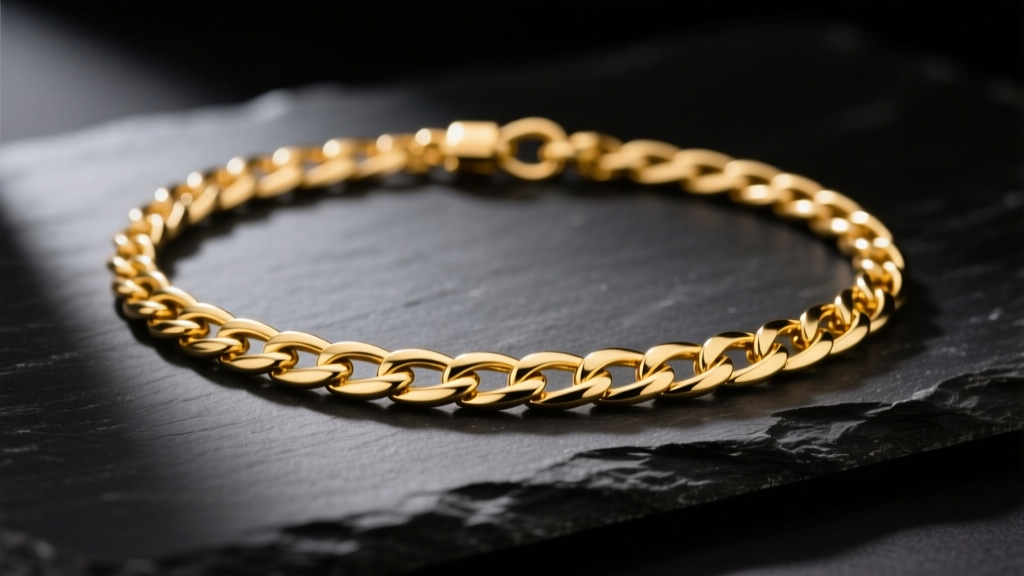
When evaluating the modern jewelry market, finding the intersection of affordable pricing and genuine metallurgical integrity is a persistent challenge for budget-conscious consumers. Dana Gold and Jewelry has positioned itself as a mid-tier retailer aiming to bridge the gap between high-end luxury boutiques and mass-market mall jewelers. But how does their inventory truly hold up when subjected to a rigorous budget and value assessment? In this comprehensive 2026 review, we dissect their pricing models, karat offerings, and structural craftsmanship to determine if their pieces represent a sound financial investment or merely a cosmetic expense.
With the spot price of gold continuing its upward trajectory through 2026, understanding the intrinsic melt value versus the retail markup is more critical than ever. According to Kitco Gold Charts, market fluctuations mean that retailers must constantly adjust their premiums. Dana Gold and Jewelry typically operates with a markup structure that rewards buyers who know exactly what to look for on the spec sheet.
Karat Offerings: 10K vs. 14K vs. 18K Price Breakdown
The foundation of any gold jewelry purchase is the karat weight, which dictates both the durability and the intrinsic value of the piece. Dana Gold and Jewelry offers a wide spectrum of karat options, but their value proposition varies significantly across the board. The Gemological Institute of America (GIA) defines pure gold as 24 karats, but pure gold is far too soft for daily wear jewelry. Therefore, alloying metals like copper, zinc, and silver are introduced to create structural integrity.
10K Gold: The Budget Champion
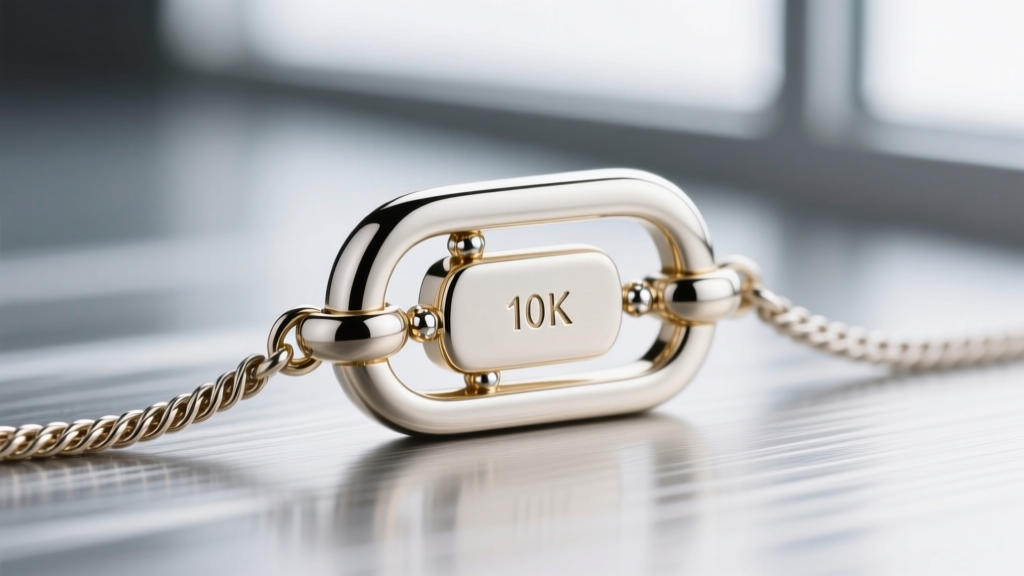
Dana’s 10K gold collection (41.7% pure gold) is their most aggressive price point. While purists often dismiss 10K, it offers exceptional tensile strength, making it ideal for intricate, delicate chains that are prone to snapping in higher karats. However, the resale value is minimal, and the higher copper content can cause skin discoloration for those with nickel or copper sensitivities.
14K Gold: The Sweet Spot for Value
The 14K selection (58.3% pure gold) represents the core of Dana Gold and Jewelry’s inventory. From a budget assessment perspective, 14K offers the best balance of rich color, structural durability, and reasonable retail markup. Their 14K Italian-made cable and figaro chains are consistently priced within a highly competitive 20% to 35% premium over the daily melt value, which is excellent for the retail sector.
18K Gold: Premium Pricing for Rich Color
At 75% purity, 18K gold provides a deep, buttery yellow hue but sacrifices scratch resistance. Dana’s 18K pieces carry a significantly higher retail premium, often pushing into luxury territory. For budget buyers, 18K is generally not recommended unless purchasing a specific heirloom piece where color depth is the primary aesthetic driver.
Construction Quality: Solid, Hollow, and Plated Pieces
A low price tag is only a good deal if the jewelry survives daily wear. Dana Gold and Jewelry utilizes several manufacturing techniques, and understanding the difference is vital for your budget assessment.
The Reality of Hollow-Core and Electroformed Gold
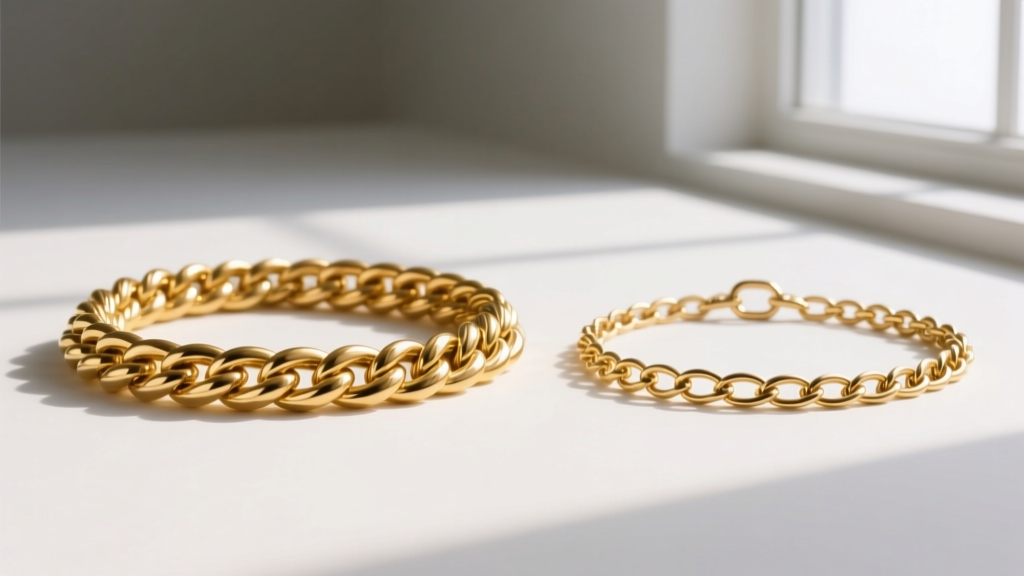
To keep large, statement-making chains affordable, Dana offers hollow-core and electroformed gold pieces. These chains look substantial but weigh a fraction of their solid counterparts. While they provide excellent visual impact for a low budget, they come with a critical failure mode: denting. If a hollow 14K gold chain is kinked or crushed, it is virtually impossible for a jeweler to repair. For budget buyers, we recommend reserving hollow pieces for occasional wear rather than daily use.
Solid Cast and Wire-Drawn Chains
For long-term value retention, solid gold is mandatory. Dana’s solid rope and curb chains are wire-drawn and soldered, providing excellent resistance to pulling and torsion. When assessing their solid chains, pay close attention to the clasp. Dana frequently uses standard spring-ring clasps on lighter chains (under 3mm), which are prone to internal spring failure over time. Upgrading to their pieces featuring solid lobster clasps is highly recommended for pendants weighing more than 5 grams.
Verdict on Gold Vermeil and Filled Options
Dana also stocks gold vermeil (thick gold plating over sterling silver) and gold-filled items. Under FTC Jewelry Guidelines, vermeil must have a minimum gold thickness of 2.5 microns. Dana’s vermeil pieces meet this standard, offering a luxurious look for under $150. However, they should be strictly categorized as fashion jewelry; they hold zero intrinsic melt value and will eventually require replating.
Pricing Transparency and Markup Analysis
To truly evaluate Dana Gold and Jewelry from a budget perspective, we must separate the intrinsic gold value from the retail markup. The table below illustrates a comparative breakdown of typical 2026 pricing for a standard 20-inch, 3mm chain across different constructions and karats offered by the retailer.
| Chain Type & Karat | Approx. Weight | Est. Melt Value (2026) | Dana Retail Price | Markup Percentage |
|---|---|---|---|---|
| Solid 10K Cable Chain | 6.2 grams | $165 | $285 | ~72% |
| Solid 14K Figaro Chain | 8.5 grams | $390 | $595 | ~52% |
| Hollow 14K Rope Chain | 3.1 grams | $142 | $340 | ~139% |
| Solid 18K Curb Chain | 12.0 grams | $715 | $1,150 | ~60% |
As the data reveals, solid 14K pieces offer the most reasonable retail markup relative to their intrinsic value. Hollow chains, while cheaper upfront, carry a massive percentage markup because you are paying primarily for the labor and design rather than the raw material.
Long-Term Value Retention and Resale Potential
When buying gold jewelry on a budget, you must consider the exit strategy. If you need to liquidate the asset, how much of your initial investment can you recoup? Dana Gold and Jewelry’s solid 14K and 18K pieces retain value exceptionally well because they are stamped with standard hallmarks and weigh exactly what they claim. Pawn shops and precious metal refiners will pay based on the spot price and the gram weight, completely ignoring the brand name or the design.
Conversely, if you purchase Dana’s 10K gold or gold vermeil collections, you should view the transaction as a sunk cost. The refining costs for 10K gold often eat into the already low melt value, and vermeil cannot be scrapped for profit. Therefore, budget buyers should only purchase 10K or vermeil if they are entirely satisfied with the aesthetic utility of the piece and have no expectation of financial return.
Appraiser’s Insight: Always use a digital jeweler’s scale to verify the gram weight of your Dana Gold and Jewelry purchase upon arrival. Discrepancies of even 0.2 grams on a 14K chain can indicate poor quality control or mislabeled hollow-core construction disguised as solid.
Red Flags to Watch For When Shopping on a Budget
While Dana Gold and Jewelry maintains a generally reputable inventory, budget shoppers should remain vigilant for specific manufacturing shortcuts that compromise longevity:
- Weak Soldering Points: Inspect the jump rings connecting the clasp to the chain. If the solder gap is visible or the wire is overly thin, the chain will snap under the weight of a pendant.
- Over-Polished Links: Some budget manufacturers aggressively polish hollow chains to make them appear brighter, which actually removes a microscopic layer of gold and weakens the structural integrity of the link.
- Inconsistent Hallmarks: Ensure every piece is clearly stamped with its karat weight (e.g., 14K, 585) and a maker’s mark. Missing stamps are a violation of FTC regulations and make future resale incredibly difficult.
Final Verdict: Who Should Buy from Dana Gold and Jewelry?
Dana Gold and Jewelry presents a compelling option for budget-conscious buyers who are willing to navigate the nuances of gold construction. Their solid 14K Italian chains are undoubtedly their strongest offering, providing a fair retail markup, excellent durability, and reliable long-term value retention. However, buyers looking for heavy, statement-making pieces on a strict budget should approach their hollow-core options with caution, understanding that the lower price comes with a high risk of irreversible damage. Ultimately, by prioritizing solid 14K constructions and verifying clasp integrity, shoppers can successfully leverage Dana Gold and Jewelry to build a high-quality, value-dense collection in 2026.


