Decoding Gold Jewelry Markings: The Ultimate Gift Guide
Learn to decode gold jewelry markings to choose the perfect karat and purity for every occasion, from everyday anniversary gifts to heirloom pieces.

Why Gold Jewelry Markings Matter When Gifting
Gifting gold jewelry is a timeless gesture that signifies love, commitment, and milestone achievements. However, walking into a jeweler or browsing online without understanding gold jewelry markings can lead to costly mistakes. A piece that looks identical to the naked eye can vary wildly in price, durability, and longevity based entirely on the microscopic stamps hidden on the clasp or inner band. For a gift buyer, these markings are your ultimate safeguard against overpaying for plated metals or under-gifting when an heirloom-quality piece is warranted.
In the United States, the Federal Trade Commission (FTC) strictly regulates how gold is marked, but international pieces and vintage finds operate under different rules. Understanding these stamps ensures that your gift matches the significance of the occasion, whether you are buying a durable everyday piece for a high school graduation or a luxurious, high-purity heirloom for a 50th wedding anniversary.
The Anatomy of a Hallmark: What Are You Looking At?
Before matching karats to occasions, you must know how to read the stamps. A true hallmark consists of three distinct elements, though many modern commercial pieces only feature one:
- Purity Mark: Indicates the karat or fineness of the gold (e.g., 14K, 585, 750).
- Maker’s Mark: A unique symbol or initials identifying the manufacturing company or artisan.
- Assay Office Mark: Common in Europe and the UK, this stamp proves the piece was independently tested and verified by a government-backed assay office.
When gifting fine jewelry, always look for at least the purity mark and the maker's mark. A piece stamped with a karat weight but lacking a maker's mark is often a red flag for unverified, mass-produced imports that may not meet strict US tolerance laws, which allow only a microscopic 3/1000th deviation in purity for unsoldered pieces.
Core Purity Stamps: Matching Karats to Occasions
The purity stamp is the most critical factor in determining the price, color depth, and physical durability of the gift. Here is your definitive guide to matching gold purity stamps to specific gifting occasions.
| Stamp / Karat | Gold Purity | Durability Profile | Best Gifting Occasion | Price Tier |
|---|---|---|---|---|
| 10K / 417 | 41.7% | Extremely High (Scratch resistant) | High school graduation, budget-friendly promise rings, active lifestyle gifts | $ |
| 14K / 585 | 58.5% | High (Ideal for daily wear) | Engagement rings, 5th/10th anniversaries, everyday chain necklaces | $$ |
| 18K / 750 | 75.0% | Moderate (Prone to scuffing) | 25th Silver/50th Gold anniversaries, milestone birthdays, luxury pendants | $$$ |
| 24K / 999 | 99.9% | Very Low (Easily bent/dented) | Cultural ceremonies, investment gifts, heirloom coins/bangles | $$$$ |
10K (417): The Practical Milestone Gift
Stamped as 10K or 417, this alloy contains 41.7% pure gold mixed with stronger metals like zinc, nickel, or silver. While purists sometimes scoff at 10K, it is the ultimate choice for gifting jewelry to teenagers or individuals with hands-on professions (like nurses or mechanics). It will not easily warp or scratch, making it a highly practical gift that survives daily abuse.
14K (585): The Universal Sweet Spot
If you are unsure what to buy, 14K (stamped 14K or 585) is the safest and most popular choice in North America. It offers a beautiful warm yellow hue while retaining enough structural integrity to hold diamonds securely in prong settings. It is the standard for engagement rings and everyday wedding bands.
18K (750): The Luxury Statement
Stamped 18K or 750, this metal boasts a rich, buttery yellow color that 14K simply cannot replicate. Because it is softer, it is best reserved for occasional-wear gifts like statement cocktail rings, luxury drop earrings, or pendants that won't endure heavy physical impact. According to the Gemological Institute of America (GIA), 18K is also the preferred metal for setting high-value, fragile gemstones like emeralds, as the softer prongs are less likely to crack the stone during setting.
Decoding International and Vintage Assay Marks
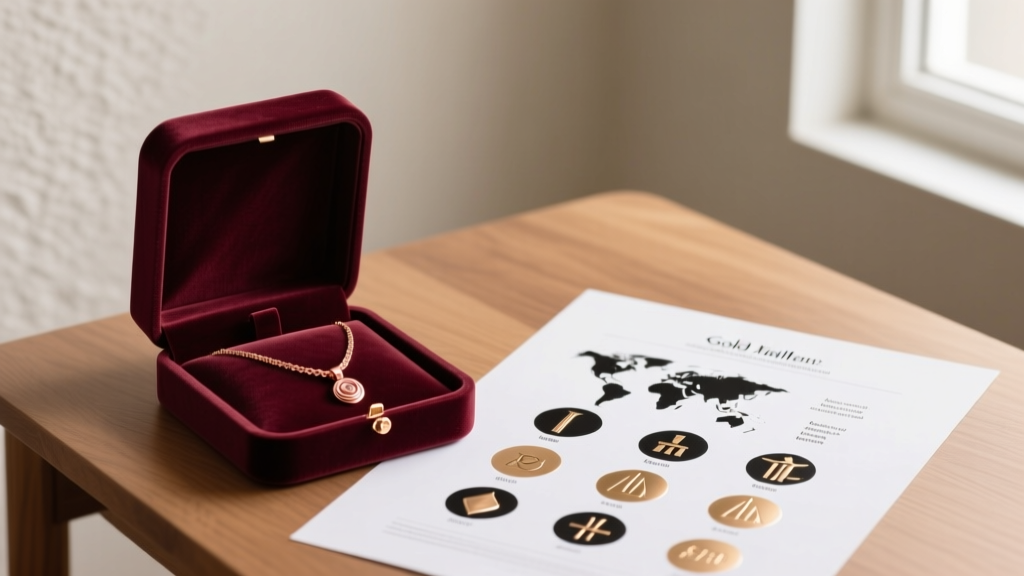
If you are shopping for a vintage piece to celebrate a milestone anniversary, or buying from a European designer, you will encounter numeric fineness stamps and pictorial hallmarks instead of the familiar "K" system.
- 333 (8K): Common in Germany and Scandinavian countries. A budget-friendly vintage find, but rarely sold as fine jewelry in the US.
- 585 (14K): The standard European stamp for 14-karat gold. Often accompanied by a maker's cipher.
- 750 (18K): The hallmark of high-end Italian and French jewelry. If you are gifting a piece from a luxury house like Bulgari or Cartier, you will see the 750 stamp alongside the brand's proprietary maker's mark.
- UK Assay Marks: British vintage gold will feature a crown (the gold standard mark), a fineness number (e.g., 375 for 9K, 750 for 18K), and a letter indicating the year of manufacture. Gifting a vintage British piece with a readable date letter adds immense sentimental value, as you can hunt down a piece forged in the exact year the recipient was born.
Spotting Fakes: Red Flags in Gold Markings
Nothing ruins a gifting moment faster than the recipient discovering their "solid gold" bracelet is actually base metal wearing a thin gold disguise. When examining gold jewelry markings, be highly suspicious of the following secondary stamps, which indicate the piece is not solid gold:
Plated and Filled Disguises
- GP (Gold Plated): A microscopic layer of gold over brass or copper. It will wear off within months of daily wear, exposing the green-inducing base metal beneath.
- HGE (Heavy Gold Electroplate): Slightly thicker than standard plating, but still a surface treatment. Often found on bold, chunky vintage statement pieces.
- GF (Gold Filled): A thick layer of gold mechanically bonded to a base metal core (usually 1/20th of the total weight). While durable and acceptable for fashion-forward, budget-conscious gifts, it holds no intrinsic melt value and should never be passed off as fine jewelry.
- Vermeil: Gold plating over sterling silver. While a step up from brass, the gold layer will eventually wear thin on high-friction areas like ring bands.
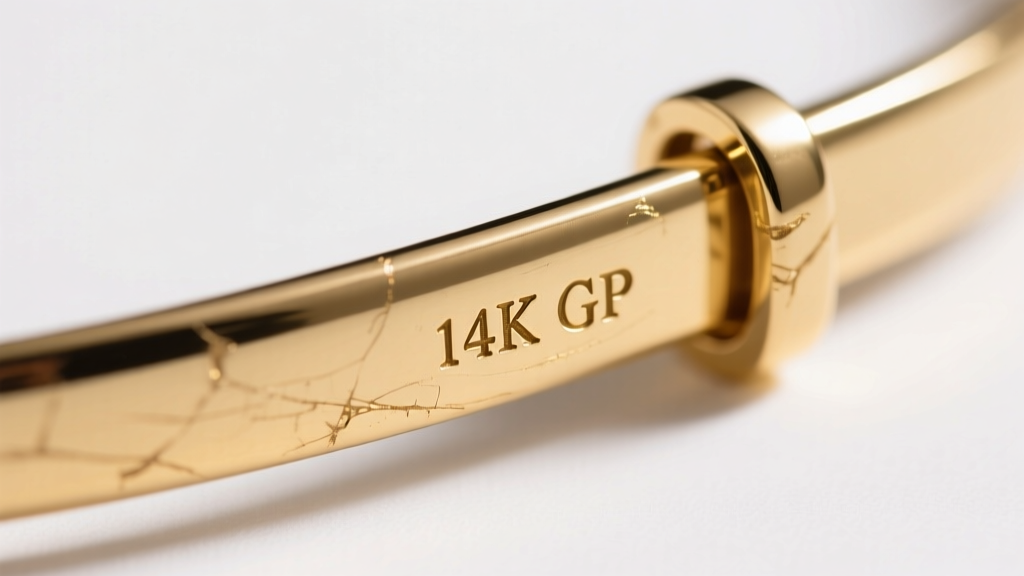
If a piece is stamped "14K HGE" or "18K GP," it is perfectly fine to gift as a trendy, seasonal fashion accessory. However, if the occasion demands a lifelong keepsake—such as a wedding, the birth of a child, or a major retirement—these markings are an immediate disqualifier. Always demand solid gold (stamped without any secondary letters) for heirloom gifting.
The Gift Buyer’s Verification Checklist
Before you finalize your purchase and wrap the box, run through this quick verification checklist to ensure your gift is authentic and appropriate for the occasion:
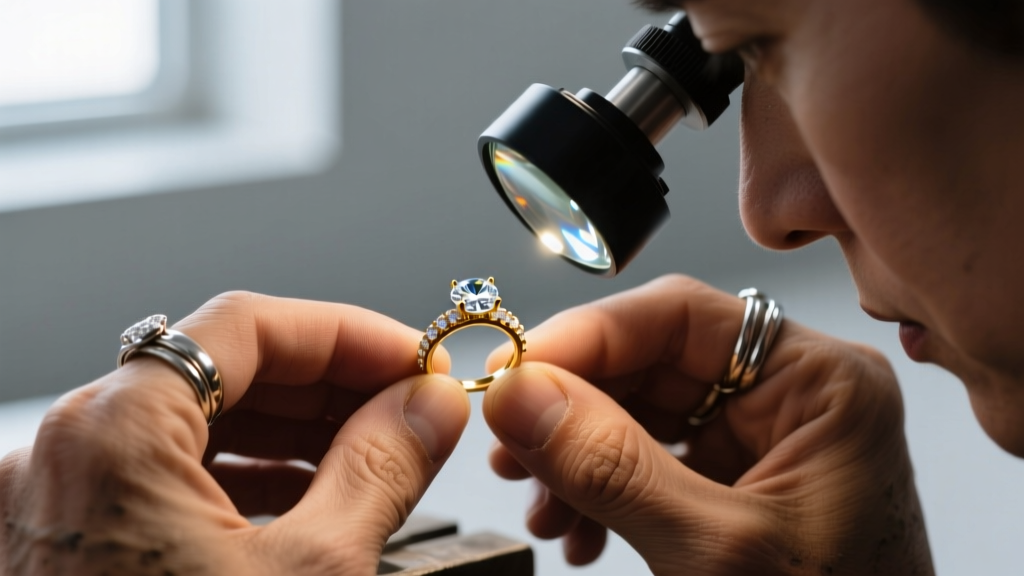
- Locate the Stamp: Use a jeweler's loupe or your smartphone's macro camera lens to check the inside of the band, the back of the pendant, or the tongue of the clasp.
- Check for Wear on Vintage Pieces: If buying a vintage ring, look at the bottom of the shank. If the yellow color is fading to silver or copper at the high-friction points, the piece is plated, regardless of what the stamp says.
- Verify the Maker's Mark: Cross-reference the maker's stamp online. A legitimate luxury or artisan piece will have a registered, identifiable trademark stamp next to the karat mark.
- Ask for an XRF Test: If you are purchasing a high-ticket 18K or 22K item from an independent estate jeweler, ask them to perform an X-ray Fluorescence (XRF) test in front of you. This non-destructive test provides a precise elemental breakdown of the metal, guaranteeing the purity stamp is accurate.
By mastering the language of gold jewelry markings, you elevate your gifting from a simple transaction to a deeply informed, meaningful investment. Whether you are selecting a rugged 10K chain for a new graduate or a buttery 18K tennis bracelet for a milestone anniversary, reading the stamps ensures your gift will stand the test of time.


