Is Premium White Gold Jewelry Cleaner Worth the Cost? Value Guide
Discover if premium white gold jewelry cleaner is worth the cost. We compare budget DIY methods vs. commercial solutions to protect your rhodium plating.

The Hidden Cost of Cleaning White Gold: Rhodium Plating Vulnerability
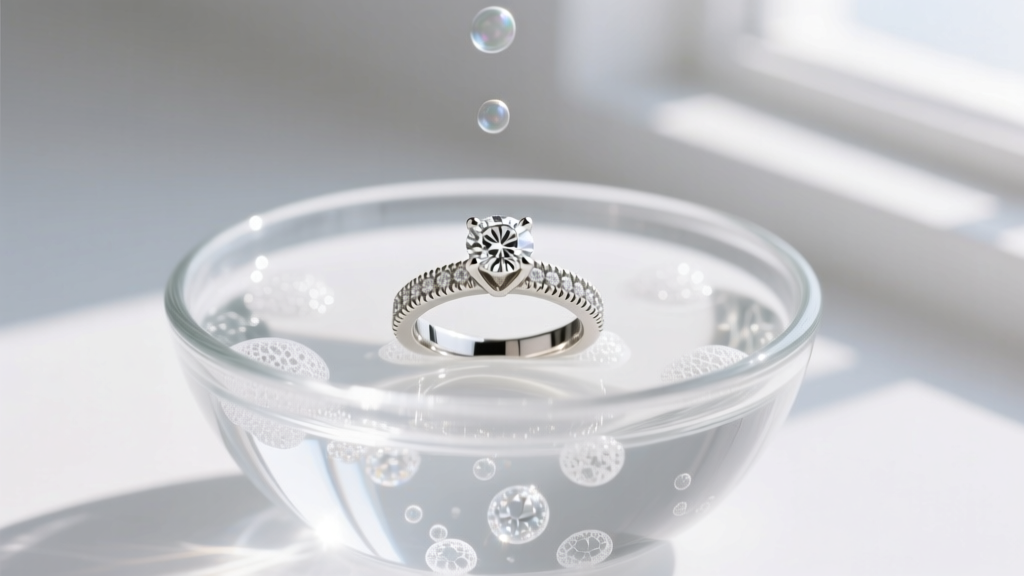
When assessing the value of any white gold jewelry cleaner, you must first understand the metallurgy of the piece you are cleaning. Unlike yellow gold, which is naturally colored by its alloy mix, white gold is actually a pale, slightly yellowish-gray alloy of pure gold and white metals like nickel, palladium, or silver. To achieve that brilliant, mirror-like silver finish, jewelers electroplate the surface with rhodium, a rare platinum-group metal.
This rhodium layer is microscopically thin—typically ranging from 0.75 to 1.0 microns. In 2026, the cost to have a jeweler replate a standard white gold engagement ring ranges from $85 to $150, depending on the complexity of the setting. Therefore, the primary financial goal of your cleaning regimen is not just removing dirt; it is preserving the rhodium plating to delay expensive replating services. Using the wrong chemicals or abrasive budget hacks can strip this plating prematurely, turning a $10 cleaning mistake into a $150 repair bill.
Why Standard Cleaners and Household Hacks Destroy White Gold
Many budget-conscious consumers turn to household items like baking soda, toothpaste, or chlorine bleach. According to the Gemological Institute of America (GIA), chlorine is particularly devastating to gold alloys. It causes a chemical reaction known as stress corrosion cracking, which literally breaks down the molecular bonds of the nickel or copper in the alloy, leading to prong failure and lost diamonds. Baking soda, while a popular DIY cleaner, has a Mohs hardness of 2.5. Because the underlying gold alloy is also relatively soft (around 2.5 to 3), scrubbing with baking soda will create micro-scratches that dull the rhodium and accelerate wear.
Budget vs. Premium White Gold Jewelry Cleaner: A Cost-Benefit Analysis
Is it worth spending $12 to $18 on a branded commercial white gold jewelry cleaner, or can you achieve the same results for pennies? To determine the true value, we must evaluate the pH levels, chemical safety, and efficacy of the most common market options.
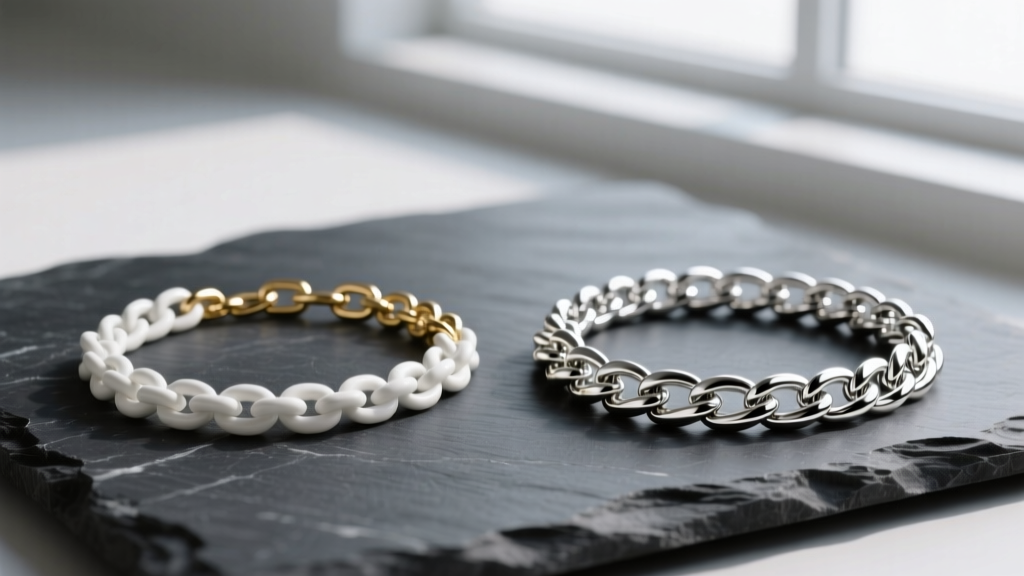
| Cleaning Method | Estimated Cost Per Use | pH Level | Rhodium Safe? | Best Application |
|---|---|---|---|---|
| Premium Branded Dip (e.g., Hagerty) | $0.20 | 8.5 - 9.5 (Mild Alkaline) | Yes | Heavy grime, durable gems (diamonds, sapphires) |
| Budget Commercial Liquid (e.g., Connoisseurs) | $0.10 | 8.0 - 9.0 (Mild Alkaline) | Yes | Weekly maintenance, standard diamond settings |
| DIY Mild Surfactant (Dish Soap) | $0.02 | 7.0 - 8.0 (Neutral) | Yes (Safest) | Daily/Weekly wear, porous gems (emeralds, pearls) |
| DIY Baking Soda Paste | $0.01 | 9.0 (Alkaline) | NO (Abrasive) | Never use on white gold or rhodium plating |
| Home Ultrasonic Machine | $0.05 (Amortized) | N/A (Depends on solution) | Yes (With caution) | Plain bands, un-fractured diamonds only |
The Best Budget White Gold Jewelry Cleaner Recipes That Actually Work
From a strict value assessment perspective, you rarely need to buy a premium commercial liquid for routine maintenance. The American Gem Society consistently recommends mild dish soap as the safest, most cost-effective cleaner for precious metals. The surfactants in dish soap break down the lipids (skin oils and lotions) that cause diamonds to look cloudy and white gold to lose its luster, without risking chemical degradation to the rhodium.
The Mild Surfactant Method (Under $5 Total Investment)
To create the ultimate budget-friendly white gold jewelry cleaner, you need three things: a high-quality grease-cutting dish soap (like Dawn Platinum), distilled water, and a baby toothbrush with ultra-soft bristles.
- Mix the Solution: Combine one cup of lukewarm distilled water with exactly three drops of dish soap. Distilled water is crucial; tap water contains trace minerals and chlorine that can leave hard water spots on the rhodium.
- Soak: Submerge the jewelry for 15 to 20 minutes. This allows the surfactants to loosen the sebum and cosmetic buildup trapped beneath the diamond pavilion.
- Agitate Gently: Using the baby toothbrush, lightly sweep across the surface and behind the stones. Never scrub the rhodium plating aggressively.
- Rinse and Dry: Rinse under a gentle stream of distilled water and pat dry with a lint-free microfiber cloth. Air drying will leave water spots.
What to Absolutely Avoid (The $100 Mistake)
Expert Warning: Never use ammonia-based glass cleaners (like Windex) on white gold. While ammonia is excellent for cutting grease on diamonds, prolonged exposure can degrade the rhodium plating and cause severe, irreversible damage to porous gemstones often set in white gold, such as emeralds, opals, and pearls.
When to Pay for Professional Ultrasonic and Steam Cleaning
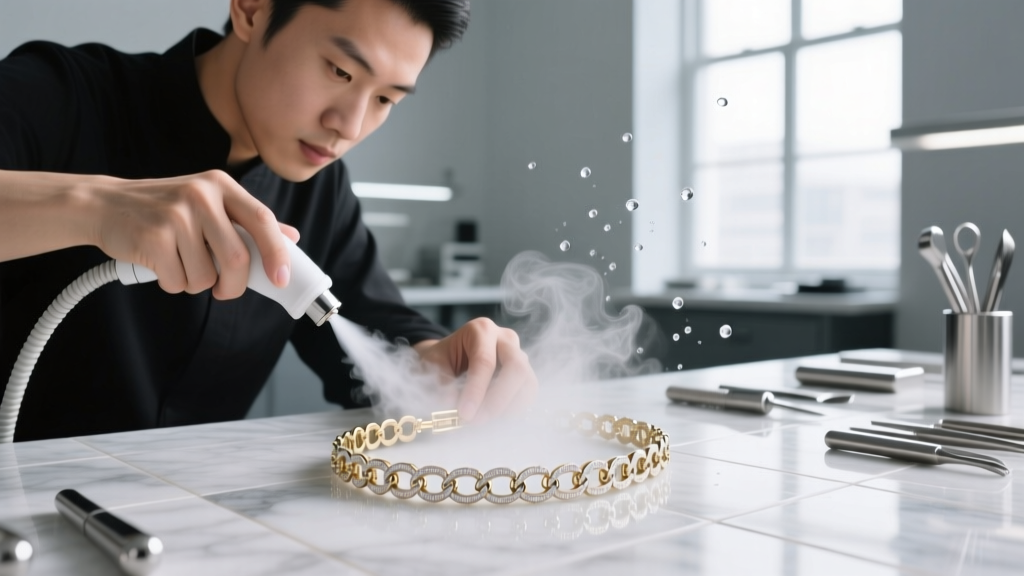
While DIY methods offer the best day-to-day value, they cannot replicate the optical brilliance achieved by professional steam cleaning. If you are preparing a white gold piece for a major event, or if dirt is heavily impacted in a complex pavé setting, investing in a professional cleaning is the correct financial move.
Jewelers typically offer ultrasonic and steam cleaning as a complimentary service for existing customers. If you are not a regular, expect to pay $25 to $50. This is a high-value expenditure because the jeweler will simultaneously inspect the prongs under a loupe. Catching a worn prong during a cleaning appointment prevents the catastrophic financial loss of a fallen diamond, which can cost thousands to replace.
If you prefer to buy a home ultrasonic cleaner (ranging from $35 to $80), you must understand the limitations. Ultrasonic waves create microscopic cavitation bubbles that implode, blasting dirt away. However, these shockwaves can shatter fracture-filled diamonds, loosen glue in tension settings, and rattle stones out of worn prongs. Only use home ultrasonics on solid white gold bands or secure, untreated diamond solitaires.
Final Verdict: Where Should You Spend Your Money?
When conducting a budget and value assessment on a white gold jewelry cleaner, the data clearly shows that expensive commercial dips offer diminishing returns for routine care. The optimal financial strategy is a hybrid approach:
- For Weekly Maintenance: Rely on the DIY distilled water and mild dish soap method. It costs pennies, possesses a safe neutral pH, and perfectly preserves the rhodium plating.
- For Heavy Tarnish or Grime: Invest $10 in a reputable, ammonia-free commercial jewelry dip, but limit its use to once every few months.
- For Long-Term Value Preservation: Allocate your budget toward an annual professional inspection and steam cleaning. Spending $0 to $50 a year to have a jeweler check the structural integrity of your white gold settings will save you thousands in potential gemstone replacement costs and extend the time between $100 rhodium replating sessions.
Ultimately, the best white gold jewelry cleaner is not the one that costs the most, but the one that effectively removes oils while fiercely protecting the delicate micron-thin rhodium layer that gives your jewelry its signature brilliance.


