Palladium White Gold Jewelry: The 2026 Luxury Trend Guide
Discover why palladium white gold jewelry is dominating 2026 luxury trends. Explore alloy science, styling tips, and the shift toward unplated finishes.

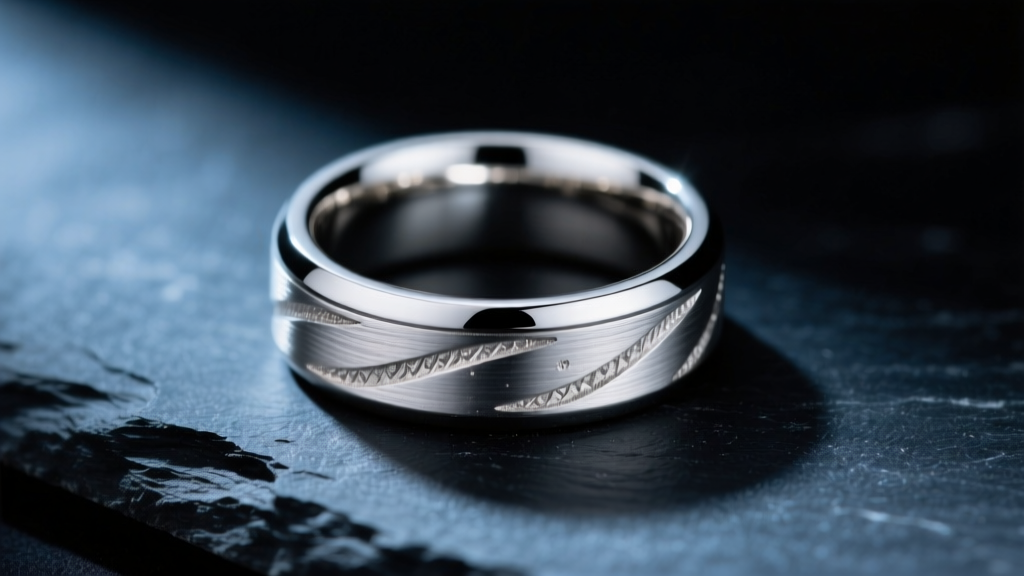
The Metallurgy of Palladium White Gold: Beyond the Rhodium Flash
For decades, the jewelry industry relied on a predictable formula to create white gold: alloying pure yellow gold with nickel, copper, and zinc, followed by a thick flash of rhodium plating to achieve a bright, silvery finish. However, as we navigate the luxury market in 2026, discerning collectors and jewelers are rapidly abandoning this outdated method. The modern standard for premium, hypoallergenic, and structurally superior white metals is palladium white gold jewelry.
Palladium is a Platinum Group Metal (PGM), sharing a lineage with platinum and rhodium. When alloyed with gold—typically in an 18k composition of 75% pure gold and 25% palladium (sometimes with trace silver for casting fluidity)—it fundamentally alters the metal's behavior. According to metallurgical data referenced by the Gemological Institute of America (GIA), palladium possesses a vastly superior "bleaching" effect on yellow gold compared to nickel. This means it neutralizes the yellow hue more efficiently, resulting in a naturally white metal that does not require rhodium plating to look complete.
Beyond color, the structural benefits are profound. While standard 18k nickel white gold sits at roughly 130 on the Vickers Hardness (HV) scale, 18k palladium white gold is slightly softer at around 110 HV. However, what it loses in surface scratch resistance, it makes up for in tensile strength and malleability. Palladium white gold is vastly superior for stone setting; prongs crafted from this alloy will not become brittle or snap over time, making it the preferred choice for securing high-value diamonds and fragile step-cut gemstones.
2026 Style Forecast: The Shift Toward "Raw" Luxury
The defining aesthetic of 2026 is "Raw Luxury"—a movement that rejects high-maintenance, artificially enhanced finishes in favor of honest, unadulterated materials. Consumers are experiencing "rhodium fatigue." The realization that traditional white gold requires re-plating every 12 to 18 months to prevent the underlying yellow-grey alloy from showing through has driven a massive pivot toward unplated palladium white gold jewelry.

Unplated palladium white gold does not look like a chrome-plated mirror. Instead, it possesses a subtle, steely-grey undertone with a faint warmth that mimics the natural patina of antique platinum. This nuanced color profile is currently dominating high-end editorial styling and bespoke bridal commissions. Designers are leaning heavily into satin, brushed, and sandblasted finishes, which amplify the natural gunmetal hue of the palladium alloy while actively hiding micro-scratches. The result is a piece of jewelry that looks intentional, lived-in, and inherently expensive from the moment it leaves the bench.
Technical Comparison: Palladium vs. Nickel White Gold
To understand why palladium white gold jewelry commands a higher position in the 2026 market, we must look at the raw data. The physical properties of the alloy dictate not only how the jewelry wears but how it feels on the body.
| Property | 18k Nickel White Gold | 18k Palladium White Gold |
|---|---|---|
| Alloy Composition | 75% Au, 25% Ni/Cu/Zn | 75% Au, 25% Pd/Ag |
| Natural Color (Unplated) | Pale Yellow-Grey | Steely White with Warm Undertone |
| Rhodium Plating Required? | Yes (High Maintenance) | No (Optional) |
| Hypoallergenic | No (Nickel allergies common) | Yes (100% Nickel-Free) |
| Vickers Hardness (HV) | ~130 HV (Harder, more brittle) | ~110 HV (Softer, higher tensile strength) |
| Density (g/cm³) | ~14.6 g/cm³ | ~15.2 g/cm³ (Noticeably heavier) |
| Casting Temperature | ~950°C | ~1050°C (Requires specialized equipment) |
The most immediately noticeable difference for the wearer is the density. Because palladium is denser than the nickel/copper/zinc mix, an 18k palladium white gold ring will weigh approximately 4% to 5% more than its nickel counterpart. In the luxury sector, this added heft translates to a psychological perception of quality and substance.
Investment and Pricing Realities in the Current Market
Transitioning to palladium white gold jewelry requires an understanding of the current precious metals market. Palladium is an industrial metal heavily utilized in automotive catalytic converters, meaning its spot price is subject to global industrial demand. According to market analysis by Johnson Matthey, PGM markets remain complex, but the jewelry-grade premium for palladium alloys is well-established.
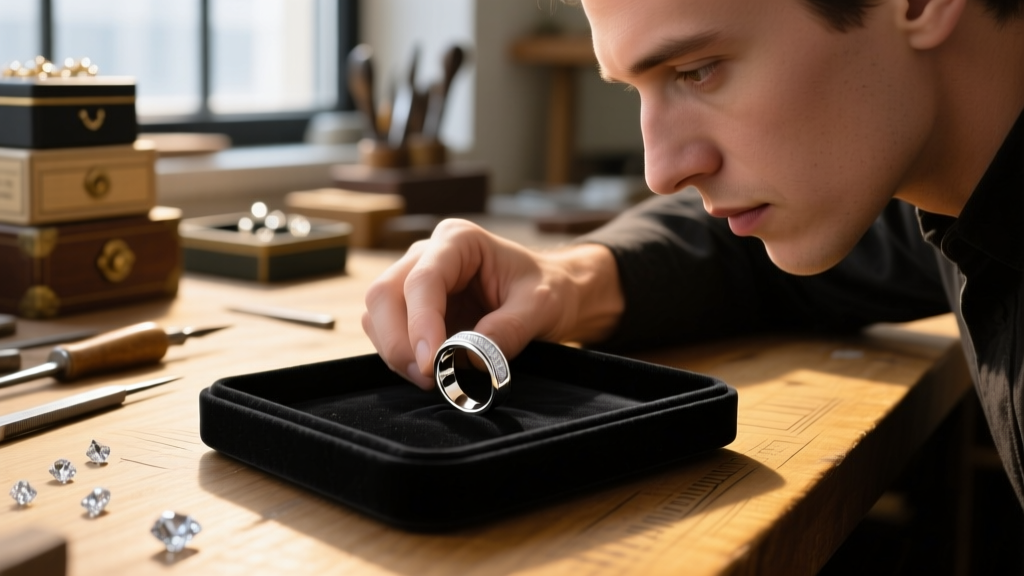
Consumers should expect to pay a 20% to 35% premium for a palladium white gold piece compared to an identical design cast in nickel white gold. This price gap is driven by three factors:
- Material Cost: Palladium is significantly more expensive per ounce than nickel or zinc.
- Increased Weight: The higher density means more grams of gold and palladium are required to cast the same volume.
- Labor and Equipment: Palladium white gold has a higher melting point (~1050°C) and is prone to oxidation during casting if not handled in an inert gas environment. This requires advanced induction casting machinery and highly skilled bench jewelers.
Despite the higher upfront cost, the elimination of lifetime rhodium re-plating fees (which typically cost $75-$150 per service) makes palladium white gold a financially sound choice for everyday wear items like engagement rings and wedding bands.
Styling Palladium White Gold for Modern Wardrobes
The unique color science of unplated palladium white gold opens up new avenues for gemstone pairing that traditional rhodium-plated metals cannot match. The subtle, warm-grey undertone acts as a sophisticated neutral canvas. In 2026, we are seeing a surge in pairing this metal with "imperfect" or alternative gemstones.
Salt-and-pepper diamonds, with their internal carbon inclusions, look exceptionally striking against the steely backdrop of palladium white gold. Similarly, Montana sapphires—which often exhibit teal, grey-green, or cornflower blue hues—are enhanced by the metal's natural warmth. For traditionalists, step-cut diamonds (Emerald and Asscher cuts) benefit immensely from the lack of rhodium flash; the metal's muted tone prevents glare, allowing the geometric hall-of-mirrors effect of the diamond's facets to take center stage.
From a wardrobe perspective, palladium white gold bridges the gap between silver and platinum. It flatters cool skin undertones with its silvery base, but the faint warmth prevents it from looking harsh against warm or olive skin tones, making it a universally flattering choice for layered chain necklaces and stackable rings.
Care, Maintenance, and the Beauty of Patina
One of the most significant selling points highlighted by the World Gold Council regarding modern consumer preferences is the desire for low-maintenance luxury. Palladium white gold jewelry excels in this arena precisely because of how it ages.
Unlike nickel white gold, which looks "worn out" when the rhodium plating chips away to reveal the yellowish alloy beneath, palladium white gold develops a patina. Over years of daily wear, the high-polish finish will naturally soften into a satin, vintage-like luster. This is not a defect; it is a hallmark of authentic, unplated precious metals, identical to the patina that develops on vintage platinum pieces.
Actionable Care Guide:
- Daily Cleaning: Use a soft-bristled brush with warm water and a few drops of mild, phosphate-free dish soap. Avoid abrasive polishing cloths, as they will remove the desirable satin patina and restore a high gloss that may not match the rest of the piece.
- Chemical Exposure: While palladium is highly resistant to tarnish, the gold alloy can still react to harsh chlorine (e.g., in swimming pools or bleach). Chlorine can cause microscopic stress fractures in the alloy over time, leading to prong failure.
- Ultrasonic Cleaners: Generally safe for palladium white gold and most durable gemstones (like diamonds and sapphires), but should be avoided if the piece features fracture-filled stones or organic gems like pearls and emeralds.
By embracing the natural state of the metal, collectors in 2026 are investing in jewelry that tells a story through its wear, solidifying palladium white gold as the ultimate choice for the modern, informed connoisseur.


