Does Gold Jewelry Tarnish? A Stylist's Guide to Karats & Trends
Discover if gold jewelry tarnishes and how karat purity impacts modern style trends. An expert guide to choosing low-maintenance gold pieces.

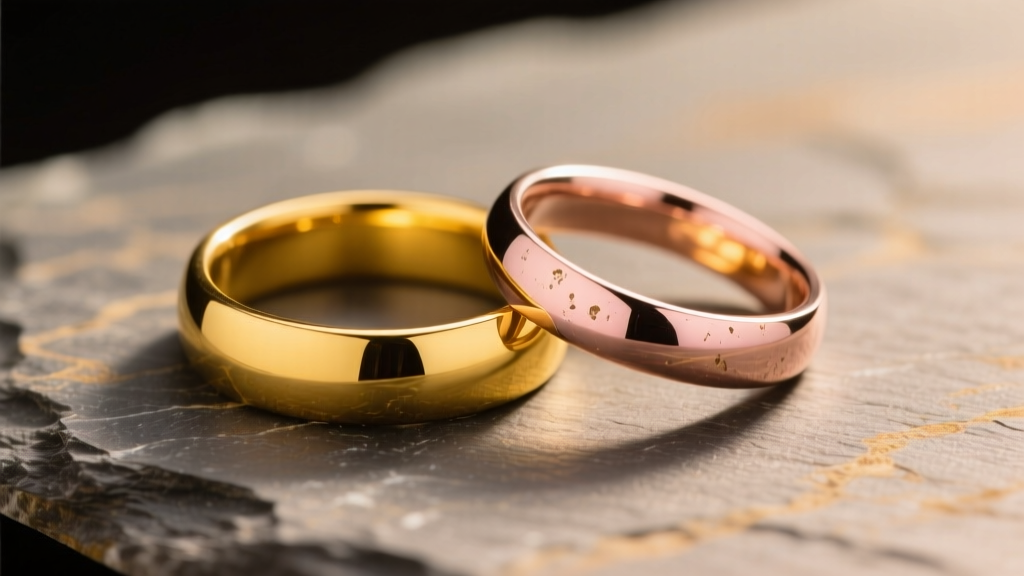
The Short Answer: Does Gold Jewelry Tarnish?
The question does gold jewelry tarnish is one of the most common inquiries we receive from clients investing in fine jewelry. The scientific answer requires a distinction between pure elemental gold and the alloys used in wearable jewelry. Pure 24-karat gold is a noble metal (Element 79, Au). It is virtually inert, meaning it does not react with oxygen or sulfur in the atmosphere. Therefore, pure gold will never tarnish, rust, or corrode.
However, pure gold is exceptionally malleable, registering a mere 25 to 30 on the Vickers Hardness (HV) scale. To create jewelry that withstands daily wear, gold must be alloyed with base metals like copper, silver, zinc, and nickel. It is these secondary metals—not the gold itself—that react to environmental elements, causing the jewelry to tarnish, darken, or develop a patina over time. According to the Gemological Institute of America (GIA), the specific ratio and type of these alloy metals dictate both the color of the gold and its susceptibility to oxidation.
The Karat Spectrum: Tarnish Resistance vs. Structural Integrity
Understanding the karat system is essential for predicting how a piece will age. The Federal Trade Commission (FTC) Jewelry Guides strictly regulate karat marking, ensuring consumers know exactly what percentage of pure gold they are purchasing. Below is a breakdown of how different karats perform regarding tarnish and structural trends.
| Karat | Gold % | Common Alloys | Tarnish Risk | Hardness (HV) | Current Trend Application |
|---|---|---|---|---|---|
| 24k | 99.9% | None | Zero | 25-30 | Investment pieces, bridal accents |
| 22k | 91.6% | Cu, Ag | Very Low | 60-70 | Heritage revival, heavy statement cuffs |
| 18k | 75.0% | Cu, Ag, Zn | Low-Medium | 120-140 | Fine everyday luxury, engagement rings |
| 14k | 58.3% | Cu, Ag, Zn, Ni | Medium | 140-160 | Accessible daily wear, layered chains |
| 10k | 41.7% | Cu, Ag, Zn | High | 160-180 | Structural fashion, edgy signet rings |
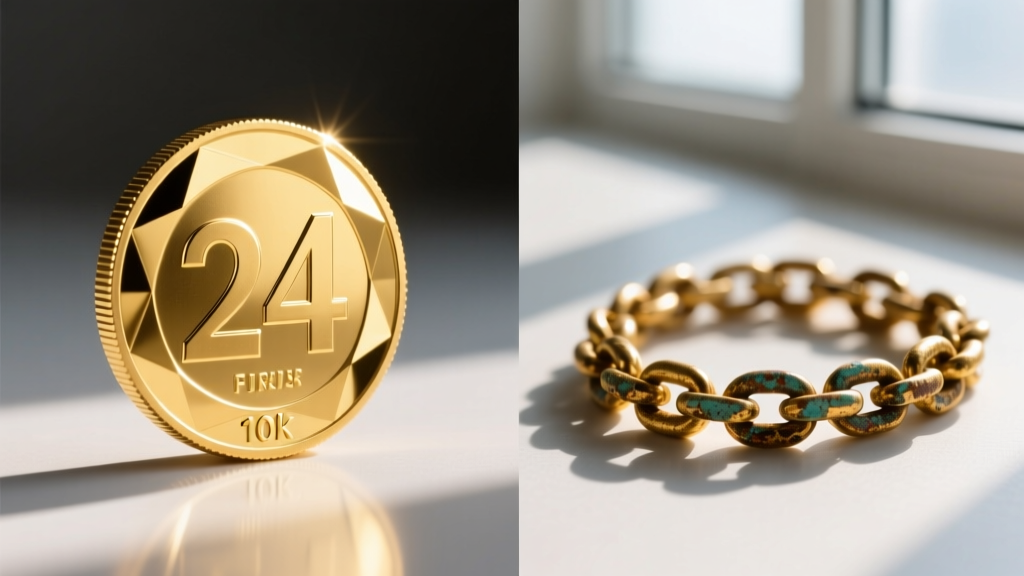
Trend Analysis: The 'Lived-In' Patina Movement
Historically, tarnish was viewed as a defect to be aggressively polished away. However, modern style analysis reveals a massive shift in consumer preferences. In the current landscape of 'quiet luxury' and 'heritage revival,' a slight patina on 14k and 18k gold is increasingly viewed as a hallmark of authenticity and personal history.
Indie jewelers and high-fashion houses are intentionally utilizing high-copper 14k rose gold alloys to accelerate oxidation in the recesses of textured pieces. Finishes like Florentine (cross-hatched engraving) or matte-brushed surfaces are specifically designed to trap microscopic oxidized particles, creating a high-contrast, 'excavated' aesthetic. Conversely, hyper-polished, rhodium-plated 14k white gold is seeing a decline in trend dominance, as consumers grow weary of the maintenance required to re-plate the jewelry when the underlying yellowish alloy inevitably shows through.
Environmental Culprits: What Actually Causes Gold Alloys to Darken?
When your gold jewelry loses its luster or darkens, you are witnessing a chemical reaction involving the alloy metals. Here are the primary failure modes and environmental triggers:
- Sulfur Exposure: Silver and copper alloys readily react with sulfur compounds in the air, cosmetics, and even certain foods (like onions and eggs). This creates silver sulfide (black) or copper sulfide (brown/green) on the surface.
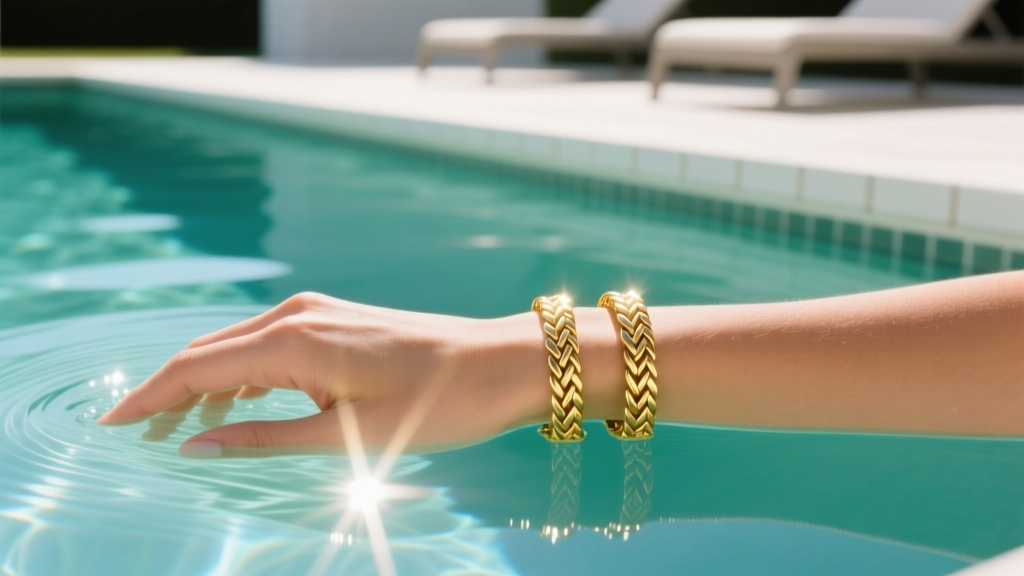
- Chlorine & Stress Corrosion Cracking: This is the most catastrophic failure mode for gold alloys. Chlorine in swimming pools or harsh household bleach reacts with the copper and silver in 10k and 14k gold. Under physical tension (like a pulled chain link), this causes 'stress corrosion cracking,' leading the jewelry to snap unexpectedly.
- Mercury Amalgamation: Though rare, exposure to elemental mercury (found in some older thermometers or specialized industrial environments) will cause gold to instantly form a white/gray amalgam on the surface, mimicking severe tarnish.
- Cosmetics & Lotions: Zinc oxide and titanium dioxide in sunscreens and foundations act as mild abrasives. Over time, they create a micro-scratched, dull film on high-polish gold that is often mistaken for chemical tarnishing.
The Stylist’s Framework: Matching Gold Purity to Your Lifestyle
To curate a jewelry wardrobe that aligns with both your aesthetic desires and maintenance tolerance, use this decision matrix:
Choose 18k or 22k Gold If:
You prioritize rich, warm color saturation and have a lower tolerance for skin sensitivities (as higher gold content means fewer reactive base metals). This is the optimal choice for heirloom pieces, wedding bands, and collectors who want their jewelry to remain virtually untarnished for decades with minimal effort.
Choose 14k Gold If:
You are building an everyday, 'never-take-it-off' layered stack. 14k gold offers the perfect equilibrium between durability (resisting bending and scratching) and tarnish resistance. While it may develop a slight warm patina over years of wear, it will not rapidly oxidize under normal conditions.
Choose 10k Gold If:
You are purchasing large, structural fashion pieces or thick signet rings where the cost of 18k gold would be prohibitive. Be prepared to clean 10k gold more frequently, as its 58.3% base-metal content makes it highly susceptible to darkening when exposed to sweat and humidity.
Expert Care Protocols for High-Karat and Alloyed Gold
When your gold jewelry does require cleaning to remove alloy oxidation or cosmetic buildup, abandon harsh commercial dips. Follow these professional-grade protocols:
- The Ammonia Bath (For heavy tarnish on 10k/14k): Mix six parts warm water with one part clear household ammonia. Add a single drop of mild dish soap (like Dawn). Soak the jewelry for exactly 60 seconds. The ammonia gently dissolves copper and silver sulfides without abrading the gold. Rinse thoroughly and pat dry with a microfiber cloth.
- Ultrasonic Warnings: Never use ultrasonic cleaners on gold jewelry that features fracture-filled diamonds, emeralds, opals, or pearls. The high-frequency vibrations can shatter these stones or strip the oils from organic gems.
- Polishing Cloths: For routine maintenance, use a treated jeweler's cloth (such as a Sunshine cloth). These cloths are impregnated with microscopic jeweler's rouge that removes surface oxidation while leaving behind a protective anti-tarnish polymer layer.
Ultimately, understanding the science behind gold alloys transforms tarnish from a frustrating flaw into a predictable element of jewelry design. By selecting the right karat for your lifestyle, you ensure your collection remains a timeless reflection of your personal style.


