The Ultimate Guide to Durable Gold Jewelry: Karats & Alloys
Discover how to choose durable gold jewelry by comparing karats, alloys, and metal types. Expert insights on 10k, 14k, 18k, and 24k longevity.

The Science of Gold Durability: Pure vs. Alloyed
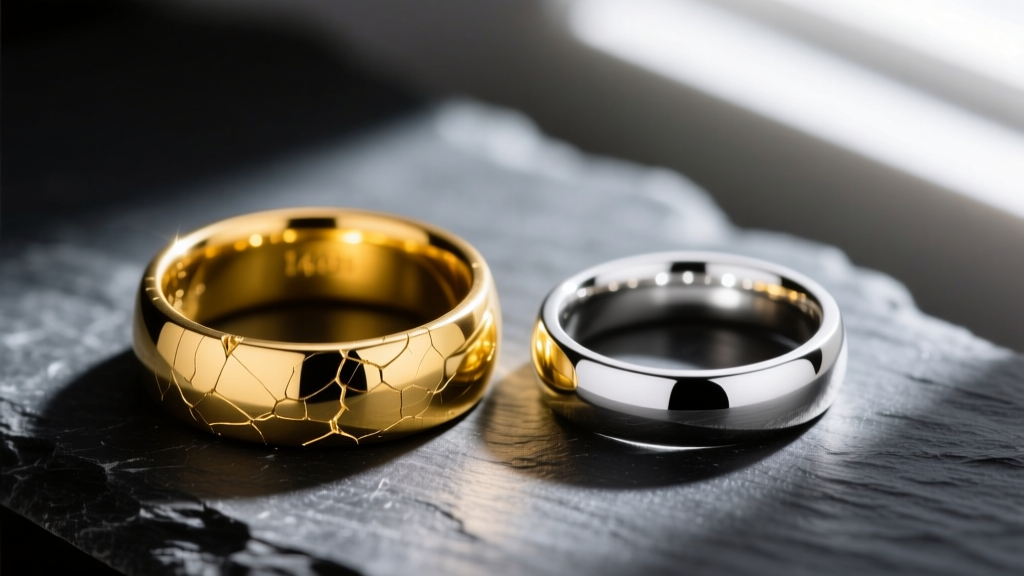
Finding truly durable gold jewelry requires looking past the showroom shine and understanding the metallurgical realities of gold alloys. In its purest form, gold is a remarkably soft, malleable transition metal. On the Mohs scale of mineral hardness, pure 24-karat gold sits at a mere 2.5 to 3—meaning it can be scratched by a copper coin and bent with bare hands. Because pure gold is entirely unsuited for daily wear, jewelers alloy it with other metals to increase its tensile strength, yield strength, and Vickers Hardness (HV).
When evaluating longevity, gemologists and bench jewelers rely on the Vickers Hardness scale rather than the Mohs scale, as it provides a more precise measurement of a metal's resistance to localized plastic deformation. According to the Gemological Institute of America (GIA), the specific ratio of pure gold to base metals dictates not only the color of the jewelry but its structural integrity, scratch resistance, and ability to hold gemstones securely over decades of wear.
Karat Breakdown: Which Gold is Most Durable?
The karat system measures gold purity in 24ths. However, a higher karat does not equate to higher durability. In fact, the inverse is true: as gold purity increases, structural resilience decreases. Below is a comparative analysis of the most common gold alloys used in fine jewelry.
| Karat | Gold Purity | Vickers Hardness (HV) | Best Use Case | Failure Mode |
|---|---|---|---|---|
| 10K | 41.7% | 160 - 180 HV | High-impact rings, clasps | Tarnishing, galvanic corrosion |
| 14K | 58.3% | 140 - 160 HV | Engagement rings, daily chains | Gradual shank thinning |
| 18K | 75.0% | 120 - 140 HV | Earrings, pendants, luxury bands | Prong lifting, edge rounding |
| 24K | 99.9% | 25 - 30 HV | Investment bullion, heirloom display | Severe bending, deep gouging |
10K Gold: The Indestructible Standard
Composed of 41.7% pure gold and 58.3% alloy metals, 10K gold is the most durable gold jewelry option legally allowed to be sold as "gold" in the United States. Its high Vickers Hardness makes it highly resistant to scratching and deformation. However, the high concentration of base metals (like copper, zinc, and nickel) introduces a significant vulnerability: oxidation. 10K gold is prone to tarnishing when exposed to sulfur, chlorine, and even the natural pH of human sweat. It is the ideal choice for heavy-duty chain bracelets or friction-prone clasps, but less ideal for heirloom engagement rings due to its muted color and corrosion risks.
14K Gold: The Sweet Spot for Daily Wear
At 58.3% pure gold, 14K represents the optimal intersection of rich color, hypoallergenic properties, and structural durability. It possesses enough tensile strength to securely hold diamonds in prong settings for decades without requiring constant retipping. For active individuals seeking durable gold jewelry for rings and bracelets that endure daily impact, 14K is the undisputed industry standard. It resists tarnishing far better than 10K while maintaining a yield strength that prevents the shank from warping under pressure.
18K Gold: Luxury with Compromised Resilience
Favored in European haute joaillerie, 18K gold (75% pure) offers a deeply saturated, luxurious color that 14K cannot replicate. However, this comes at a mechanical cost. An 18K yellow gold prong is significantly softer than a 14K or platinum prong. Bench jewelers frequently see 18K rings requiring prong re-tipping after 5 to 7 years of rigorous daily wear, whereas 14K or platinum settings can often last 15 to 20 years before similar maintenance is needed. 18K is best reserved for low-impact jewelry like stud earrings, pendant bails, and necklaces.
24K Gold: Why Pure Gold Fails the Durability Test
Pure 24K gold is virtually nonexistent in Western daily-wear jewelry. As noted by the World Gold Council, its extreme malleability makes it a liability for any piece subject to friction or pressure. A 24K gold ring will lose its circular shape within weeks of daily wear, and any gemstone set in it will inevitably fall out as the bezel or prongs peel back like soft clay.
Alloy Metals: The Secret Behind Gold's Strength
The durability of gold jewelry is not just about the percentage of gold; it is heavily dictated by the specific alloying metals used. Different alloys alter the crystalline lattice structure of the gold, impacting both hardness and brittleness.
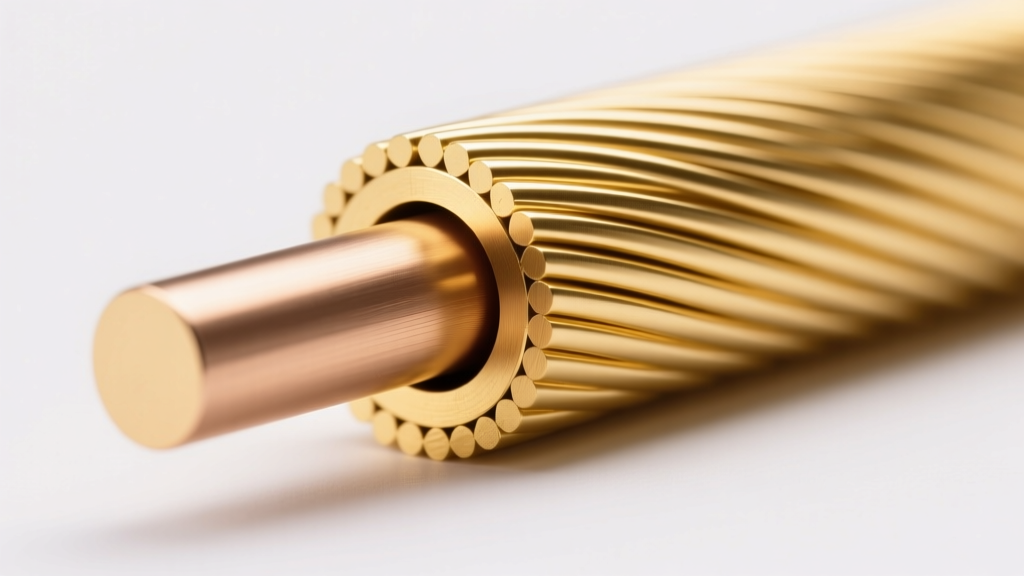
- Copper: The primary hardening agent in rose and yellow gold. Copper significantly increases tensile strength but introduces a risk of surface oxidation (patina) over time. High-copper alloys like 14K rose gold are notably more scratch-resistant than their yellow counterparts.
- Silver: Often used in green gold and pale yellow alloys. Silver adds ductility and workability but lowers the overall hardness of the alloy compared to copper-heavy mixes.
- Zinc: Added as a deoxidizer during the melting process and to bleach the color of copper. Excessive zinc can make the gold alloy brittle, leading to micro-fractures during sizing or soldering.
- Palladium & Nickel: The bleaching agents used to create white gold. Nickel creates an exceptionally hard, durable alloy but is a known contact allergen. Palladium creates a softer, hypoallergenic white gold that requires rhodium plating to maintain a bright white appearance, adding a layer of maintenance to its longevity profile.
Construction Methods: Solid, Filled, and Vermeil
When discussing durable gold jewelry, we must differentiate between solid gold and gold-plated alternatives. The structural integrity of a piece is entirely compromised if the gold is merely a surface treatment.
Why Gold Plated Fails the Durability Test
Standard gold plating involves electroplating a microscopic layer of gold (often less than 0.5 microns) over a base metal like brass or copper. This layer is measured in millionths of an inch and will wear through to the base metal within months of daily wear, especially on high-friction areas like ring shanks and bracelet links. It offers zero structural durability and cannot be polished without stripping the gold entirely.
Gold Filled vs. Solid Gold Longevity
Gold filled jewelry is a vastly superior alternative to plating. According to the Federal Trade Commission (FTC) Jewelry Guides, gold filled items must contain a gold layer that constitutes at least 5% of the total weight of the item (typically stamped as 1/20 14K GF). This thick layer is mechanically bonded to a brass core using extreme heat and pressure. While not as permanent as solid gold, high-quality gold filled wire can withstand years of wear without flaking, making it a durable option for wire-wrapped pendants and lightweight chainmaille, though it cannot be sized or heavily polished by a jeweler.
Real-World Durability Testing: Rings vs. Necklaces
Durability is highly contextual. A metal that performs flawlessly as a necklace pendant may fail catastrophically as an engagement ring. Bench jewelers categorize jewelry into high-impact and low-impact zones to determine the appropriate karat and alloy.
High-Impact Zones: Rings and Bracelets
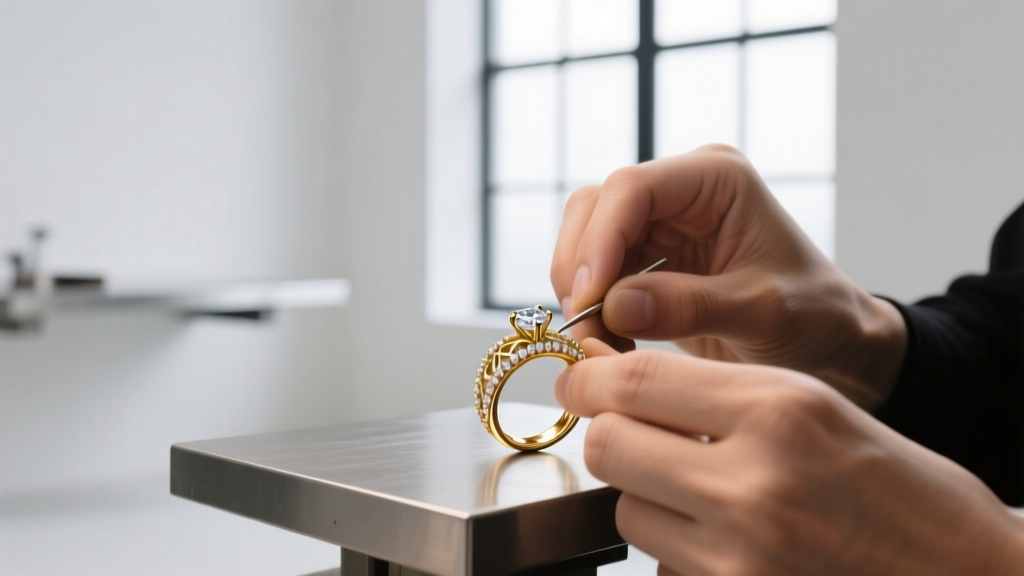
Rings are subjected to immense compressive forces, chemical exposure (hand sanitizers, soaps), and abrasive friction. The bottom of a ring shank can lose up to 0.2mm of thickness per year due to friction against desks, steering wheels, and gym equipment. For these pieces, 14K yellow or white gold is mandatory for long-term survival. If you prefer the color of 18K gold, consider an 18K palladium white gold alloy, which offers slightly better wear resistance than 18K yellow, or opt for a platinum setting with an 18K gold shank.
Low-Impact Zones: Earrings and Pendants
Earrings, particularly studs and hoops, experience minimal abrasive friction. The primary structural concern here is the fatigue of the metal at the hinge or the post. Because the metal is not being rubbed away, the softer, richer 18K or even 22K gold can be used safely. The lower yield strength of higher-karat gold actually benefits earring posts, as they can be bent slightly to adjust tension without snapping, whereas a highly hardened 10K post might suffer from metal fatigue and snap if bent repeatedly.
Expert Maintenance for Maximum Lifespan
Even the most durable gold jewelry requires proactive maintenance to survive generations. The most common cause of premature gold jewelry failure is not the gold itself, but the degradation of the alloy components due to chemical exposure.
Chlorine is the ultimate enemy of gold alloys. When 14K or 18K gold is exposed to chlorinated pool water or harsh household bleach, the chlorine reacts with the copper, zinc, and silver in the alloy. This causes a phenomenon known as stress corrosion cracking, where the microscopic crystalline structure of the metal literally disintegrates, leading to sudden, catastrophic shattering of the ring shank or prongs. Always remove gold jewelry before swimming or cleaning.
Furthermore, ultrasonic cleaners—while excellent for removing dirt from diamonds—can vibrate loose gemstones if the gold settings have been softened by years of wear. For durable gold jewelry maintenance, rely on a soft brush, warm water, and mild dish soap for weekly cleaning, and schedule a professional prong-tightening and polishing session with a bench jeweler every 18 to 24 months. By respecting the metallurgical limits of your specific gold alloy, you ensure your pieces remain both beautiful and structurally sound for a lifetime.


