What's the Difference Between Gold Plated and Gold Filled Jewelry?
Confused by labels? Learn what's the difference between gold plated and gold filled jewelry, covering micron thickness, lifespan, and daily care.

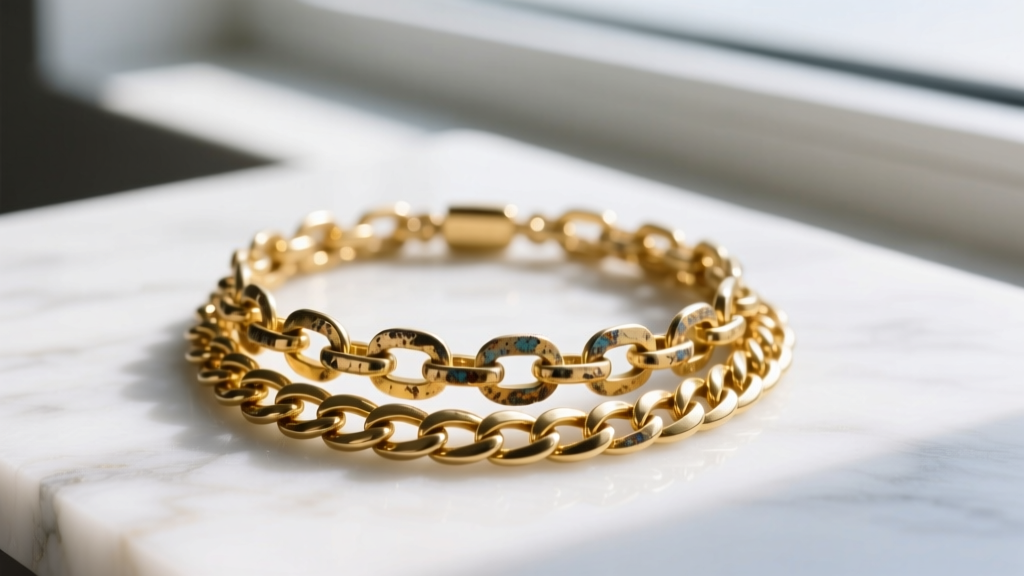
The Core Distinction: Manufacturing and Metallurgy
When shopping for affordable gold jewelry, the terminology can be incredibly confusing. To truly understand what's the difference between gold plated and gold filled jewelry, you have to look past the marketing and examine the metallurgy. The fundamental difference lies in how the gold is applied to the base metal and the sheer volume of gold used in the process.
Gold plating is a chemical process that relies on electroplating, resulting in a microscopic layer of gold. Gold filled jewelry, on the other hand, is created through mechanical bonding, resulting in a thick, durable outer layer of solid gold that constitutes a significant percentage of the item's total weight. According to the Federal Trade Commission (FTC), these terms are strictly regulated to prevent consumer deception, yet many brands still blur the lines in their product descriptions.
Gold Plated Jewelry: The Budget-Friendly Option
Gold plated jewelry is made by using an electrical current to bond a very thin layer of gold onto a base metal, such as brass, copper, or stainless steel. The base metal is submerged in a solution containing gold salts, and electricity is applied to draw the gold ions to the surface.
Micron Thickness and Failure Modes
The lifespan of plated jewelry is entirely dictated by its micron thickness. Here is the industry breakdown:
- Flash Plating: Less than 0.175 microns. This is essentially a cosmetic wash. It will rub off within weeks of daily wear, exposing the base metal.
- Standard Plating: 0.5 to 1.0 microns. Common in mid-tier fashion jewelry. It typically lasts 6 to 12 months with regular wear before friction points (like the backs of rings or necklace clasps) begin to show the base metal.
- Heavy Gold Electroplate (HGE): A minimum of 2.5 microns. This is the highest quality of standard plating and can last a few years if cared for meticulously.
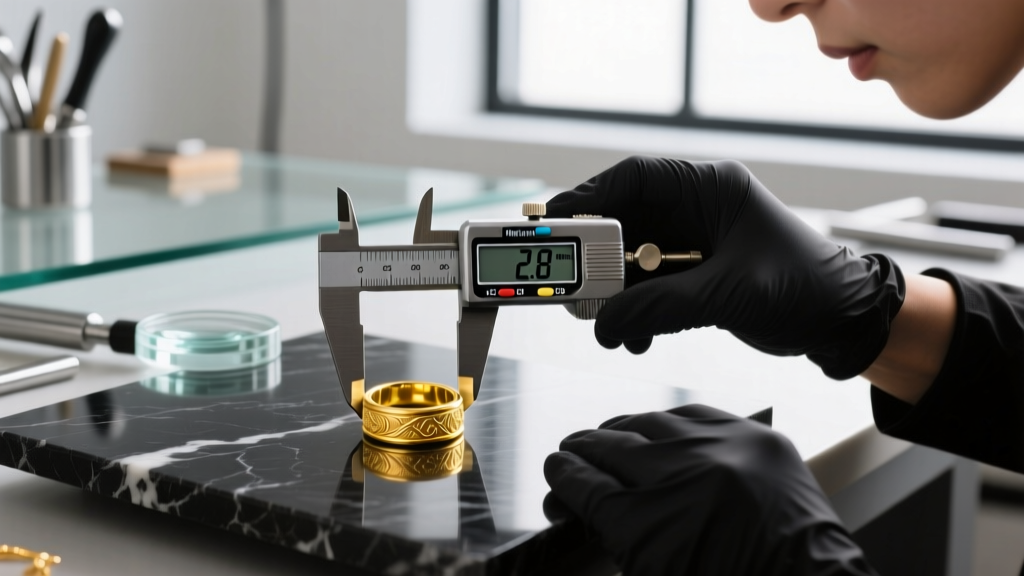
The 'Green Skin' Phenomenon: When the microscopic gold layer wears away, the underlying base metal is exposed to sweat, oxygen, and lotions. If the base metal contains copper or nickel, a chemical reaction occurs. Copper oxidizes to create green copper salts, while nickel can cause severe contact dermatitis. This is why gold plated jewelry is generally not recommended for those with sensitive skin or metal allergies.
Gold Filled Jewelry: The Durable Middle Ground
Gold filled jewelry is not actually 'filled' with gold; rather, it consists of a solid base metal core (usually jeweler's brass) that is completely encapsulated by a thick outer layer of solid gold. This is achieved through mechanical bonding, which involves extreme heat and pressure to fuse the gold alloy to the brass core permanently.
The Legal '1/20th' Rule
Unlike the vague standards of plating, gold filled jewelry is strictly regulated. The Gemological Institute of America (GIA) and the FTC mandate that for an item to be legally stamped and sold as 'gold filled,' the gold layer must constitute at least 5% (or 1/20th) of the total weight of the item.
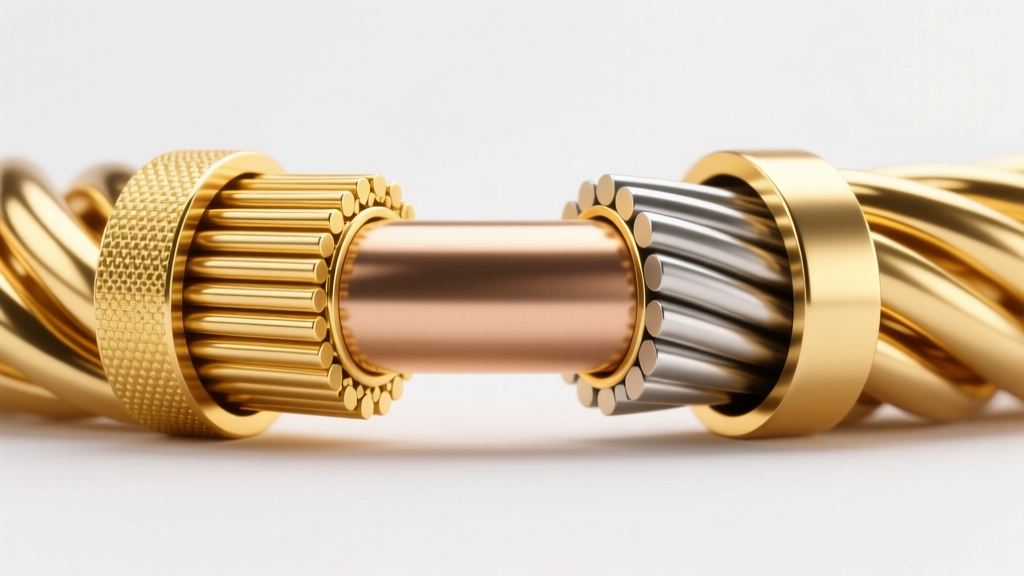
Because the gold layer is incredibly thick (often 50 to 100 times thicker than standard gold plating), it behaves almost exactly like solid gold. It will not flake, peel, or rub off under normal wear conditions. Furthermore, because the brass core is completely sealed inside the gold, it is highly hypoallergenic and safe for the vast majority of people with sensitive skin.
Head-to-Head Comparison Matrix
To visualize what's the difference between gold plated and gold filled jewelry, refer to this direct comparison of their physical and economic properties:
| Feature | Gold Plated | Gold Filled |
|---|---|---|
| Gold Content | Less than 0.05% of total weight | Exactly 5% (1/20th) of total weight |
| Thickness | 0.175 to 2.5 microns | Measurable in fractions of a millimeter |
| Bonding Method | Electroplating (chemical/electrical) | Mechanical bonding (heat & pressure) |
| Base Metal | Brass, copper, nickel, stainless steel | Jeweler's brass (rarely nickel) |
| Lifespan (Daily Wear) | 6 months to 2 years | 10 to 30+ years |
| Hypoallergenic? | No (high risk of nickel/copper exposure) | Yes (core is fully encapsulated) |
Real-World Buying Advice & Pricing Expectations
Understanding the manufacturing differences helps you allocate your jewelry budget effectively. Here is a practical decision framework for buyers in 2026.
When to Buy Gold Plated
Opt for gold plated jewelry when purchasing highly trendy, seasonal pieces that you only intend to wear a handful of times. If you want a massive, chunky chain necklace for a specific event, plated is the way to go. Expect to pay between $15 and $45 for decent quality plated fashion jewelry. Avoid plated rings or bracelets, as the high friction of hands and wrists will destroy the plating in a matter of weeks.
When to Invest in Gold Filled
Gold filled is the ultimate choice for everyday staple pieces: hoop earrings, delicate layering chains, and simple bands. Because it contains a substantial amount of actual gold, the pricing reflects the commodities market. A standard 14k gold filled chain necklace will typically cost between $60 and $120, while gold filled rings range from $45 to $90. It offers 90% of the longevity of solid 14k gold at roughly 20% of the price.
Care and Maintenance for Maximum Lifespan
The way you clean these two materials must differ drastically to avoid catastrophic damage to the gold layer.
Expert Warning: Never use a traditional jeweler's polishing cloth on gold plated jewelry. Polishing cloths are embedded with mild abrasives designed to remove tarnish from solid metals. If you use one on plated jewelry, you will literally scrub the microscopic gold layer right off the base metal.
For Gold Plated: Clean only with warm water, a drop of mild dish soap, and your bare fingertips. Pat dry immediately with a microfiber cloth. Store in an airtight anti-tarnish bag to slow the oxidation of the base metal once the plating inevitably micro-fractures.
For Gold Filled: You can clean gold filled jewelry much like solid gold. Use a soft-bristled baby toothbrush with mild soap to gently scrub away lotion buildup in chain links. While gold filled is highly durable, you should still remove it before swimming in chlorinated pools, as prolonged exposure to harsh chemicals can eventually cause the gold layer to delaminate from the brass core over several decades.
By understanding the exact micron thickness, FTC regulations, and failure modes of these materials, you can confidently navigate the market and build a jewelry collection that aligns with both your budget and your lifestyle.


