How to Find Honest Coin & Gold Jewelry Buyers: A Beginner's Guide
Learn how to find honest coin & gold jewelry buyers, calculate melt values, avoid predatory scales, and get maximum payout for your scrap and numismatics.


Selling inherited estate jewelry, broken chains, or vintage coins can feel like navigating a minefield. As precious metal spot prices continue their historic run in 2026, the market has seen an influx of pop-up 'cash for gold' schemes alongside established, reputable dealers. For a beginner, the difference between an honest appraisal and a predatory lowball offer often comes down to understanding the math and knowing the red flags. This guide will teach you exactly how to find honest coin & gold jewelry buyers, calculate your baseline melt value, and protect yourself from common industry scams.
The Golden Rule: Understanding Melt Value vs. Retail
Before you walk into any shop, you must understand that scrap gold jewelry is bought based on its 'melt value'—the raw intrinsic value of the pure gold it contains. Buyers must refine the metal, which costs money, meaning no honest buyer will pay you 100% of the spot price for scrap jewelry. Retail markup, brand names (like Tiffany or Cartier), and intricate craftsmanship generally do not add value to scrap gold unless the piece is being resold as-is on the secondary market.
To calculate your baseline, you need three pieces of data: the current spot price, the item's weight in Troy ounces, and its karat purity. A common beginner mistake is confusing standard kitchen ounces (avoirdupois) with precious metal ounces (Troy). One Troy ounce equals 31.103 grams, whereas a standard ounce is only 28.35 grams. Shady buyers will sometimes weigh your gold in standard grams or ounces and apply a confusing multiplier to shortchange you. Always verify the scale is set to grams or pennyweights (dwt), where 20 dwt equals exactly one Troy ounce.
Expected Payout Percentages by Karat
Reputable buyers typically pay a percentage of the pure melt value based on the karat. Here is what you should realistically expect from honest coin & gold jewelry buyers in the current market:
| Karat | Purity | Expected Scrap Payout |
|---|---|---|
| 24k | 99.9% | 90% - 96% of spot |
| 18k | 75.0% | 85% - 92% of spot |
| 14k | 58.3% | 75% - 85% of spot |
| 10k | 41.7% | 65% - 75% of spot |
How to Vet Honest Coin & Gold Jewelry Buyers
Finding a trustworthy buyer requires looking past flashy 'We Pay Top Dollar' neon signs. True professionals operate with transparency and verifiable credentials. When researching local shops or online mail-in services, look for affiliations with recognized industry organizations.
- The Professional Numismatists Guild (PNG): If you are selling coins, a PNG-affiliated dealer is bound by a strict code of ethics regarding fair pricing and accurate grading.
- Jewelers of America (JA): Members of the JA adhere to high standards of business practices and gemological accuracy.
- Better Business Bureau (BBB): Check for an A+ rating and read how the business responds to customer complaints regarding scale discrepancies.
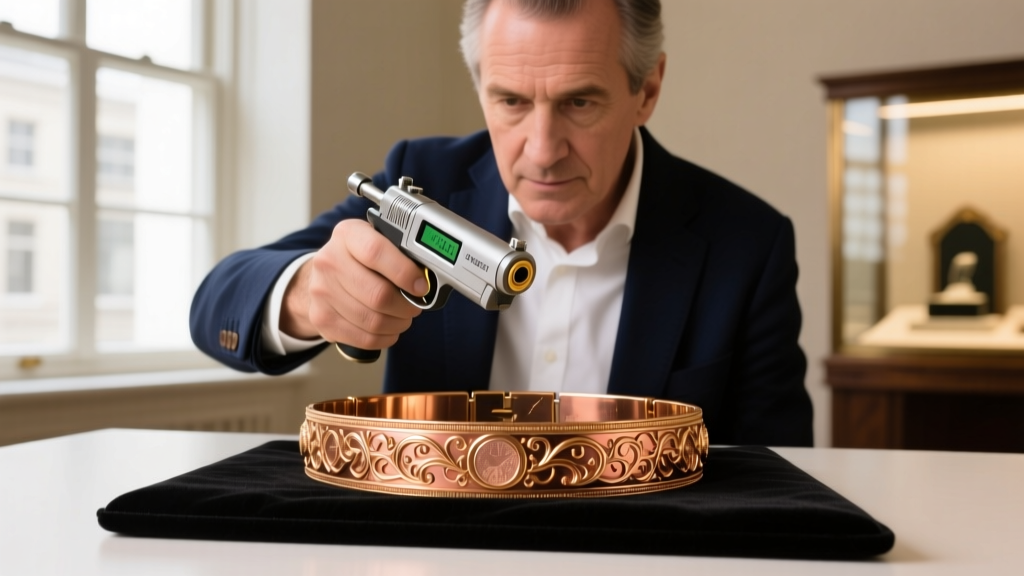
Furthermore, ask about their testing methods. While traditional acid testing (using nitric acid on a streak mark) is standard and acceptable, top-tier buyers in 2026 utilize X-Ray Fluorescence (XRF) machines. XRF analyzers provide a non-destructive, exact elemental breakdown of your jewelry, detecting not just gold purity but also underlying base metals or thick gold plating that acid tests might miss.
Red Flags: Predatory Tactics to Avoid
If you encounter any of the following tactics, gather your items and leave immediately. These are hallmarks of dishonest operators:
1. The 'Bait and Switch' Spot Price
Dishonest buyers will quote a 'spot price' that is significantly lower than the actual live market. Before leaving your house, check the live spot price on authoritative sources like Kitco or Bloomberg. If the buyer claims the spot price is $2,100 when Kitco shows $2,450, they are attempting to steal your margin.
2. Scale Rigging and Distraction
Never let a buyer take your jewelry into a back room. The scale must be visible to you, and it should have a legal-for-trade certification sticker from your local department of weights and measures. Some scammers use scales that automatically deduct a 'refining fee' or 'stone weight' without explaining it, or they will use sleight of hand to swap out a heavy 14k chain for a lighter one while distracting you with paperwork.
3. The 'Melt on the Spot' Pressure
Some buyers will offer to melt your jewelry down into a button right in front of you to 'prove' the yield. While this sounds transparent, it is often a pressure tactic. Once your heirloom is melted, you lose all negotiation leverage and the ability to walk away and get a second opinion. Never agree to melt jewelry unless you have already agreed on a locked-in price per gram.
Selling Coins vs. Selling Scrap Jewelry
It is vital to separate your numismatic coins from your scrap jewelry. Honest coin & gold jewelry buyers treat these two categories very differently.
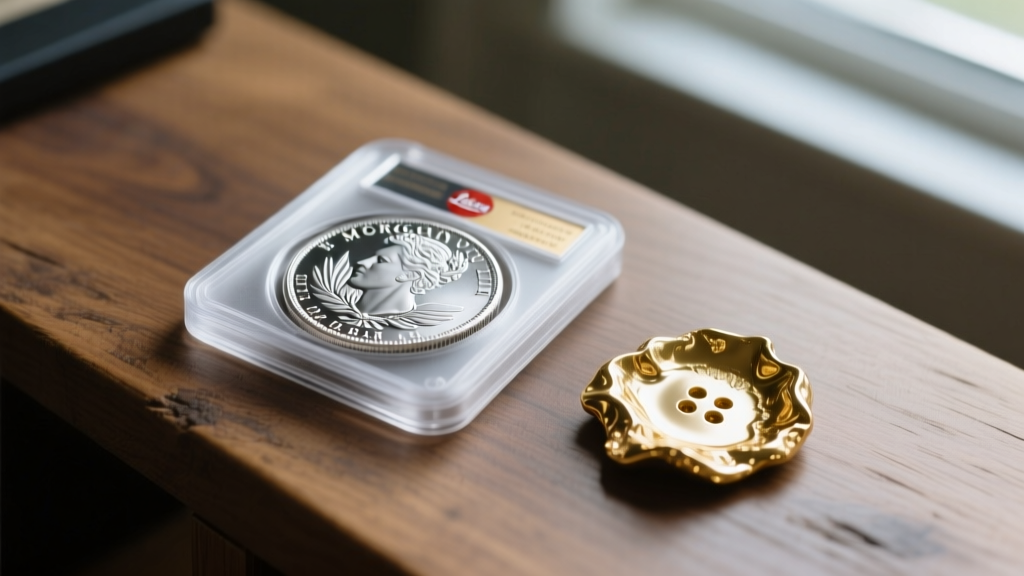
Scrap jewelry is valued purely for its metal content. Coins, however, carry a 'numismatic premium' based on rarity, condition (grade), mint mark, and historical significance. For example, a pre-1933 $20 Saint-Gaudens gold coin contains roughly 0.9675 Troy ounces of pure gold. While the melt value might be $2,300, an honest coin dealer will pay a premium of 5% to 20%+ over melt depending on the coin's condition. If a buyer offers you only melt value for a recognized, graded coin, they are pocketing the numismatic premium for themselves. Always have rare coins appraised by a dedicated numismatist, not a general pawn shop.
Step-by-Step Prep for Maximum Payout
To ensure you get the best possible offer, follow this preparation checklist before visiting a buyer:
- Sort by Karat and Color: Separate your 10k, 14k, and 18k items. Mixing them allows a buyer to weigh the entire lot as 10k, costing you hundreds of dollars.
- Remove Non-Gold Components: Heavy gemstones, steel clasps, and enamel add weight but no gold value. Buyers will deduct for these, but doing it yourself or asking them to weigh the gold separately ensures accuracy.
- Do Not Clean Coins: Never polish or clean vintage coins. Removing the natural patina can destroy a coin's numismatic value, dropping it from a collector's item to mere melt value.
- Get Three Quotes: Visit at least three different types of buyers: a local coin shop (LCS), a dedicated gold refinery/buyer, and a high-end pawn broker. Use the highest offer as leverage to negotiate with the others.
By arming yourself with knowledge, understanding the mathematics of Troy weights, and demanding transparent XRF or acid testing, you can confidently navigate the market and find honest coin & gold jewelry buyers who will treat your precious metals with the respect and value they deserve.


