Can You Mix Silver and Gold Jewelry Together? A Stylist's Guide
Learn how to flawlessly mix silver and gold jewelry together. Our step-by-step stylist guide covers proportions, layering, and metal care.

The Short Answer: Breaking the Old Fashion Rules
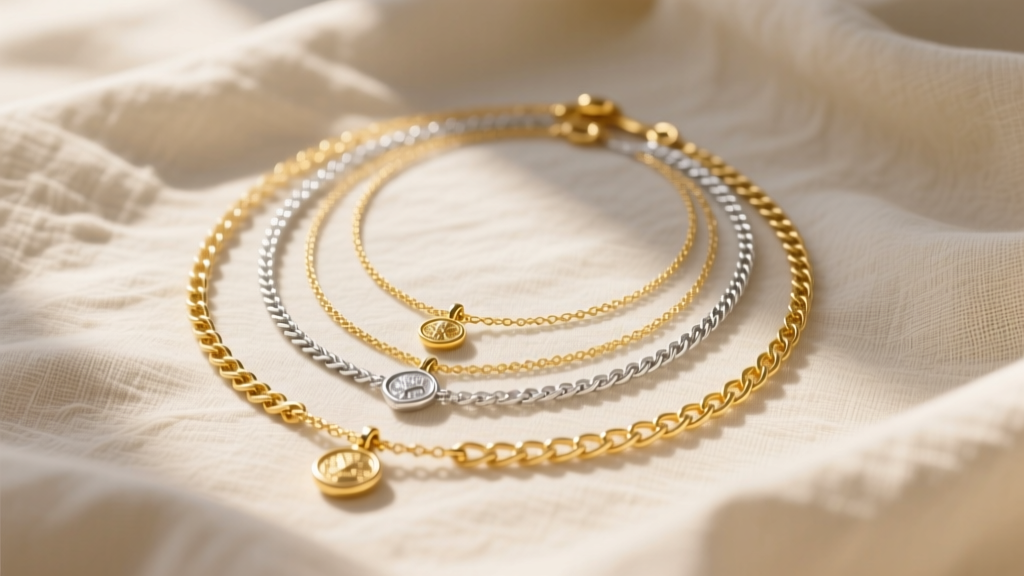
For decades, traditional fashion dictates warned against combining different metal tones, labeling the practice a sartorial faux pas. However, as we navigate the style landscape of 2026, the question "can you mix silver and gold jewelry together?" has been definitively answered by the world’s leading stylists and jewelers: absolutely. When executed with intention, mixing metals adds depth, contrast, and a curated, lived-in elegance to any jewelry collection. The secret lies not in randomly throwing pieces together, but in understanding metal alloys, visual weight, and strategic layering. According to the Britannica Jewelry Archives, the blending of precious metals dates back to ancient metallurgy, but modern styling requires a deliberate approach to proportions and textures.
Step 1: Establish a Dominant Metal (The 70/30 Rule)
The most common mistake people make when attempting a mixed-metal look is aiming for a perfect 50/50 split. A balanced, equal ratio often looks accidental or chaotic. Instead, professional stylists rely on the 70/30 rule. Choose one metal to act as your foundational anchor (70%) and use the other as an intentional accent (30%).
If you are wearing a stack of four rings, three should be your dominant metal (for example, 14k yellow gold) and one should be the accent (sterling silver). This creates a clear visual hierarchy. The dominant metal ties the look to your outfit’s primary hardware (like belt buckles or handbag clasps), while the accent metal introduces a modern, disruptive element that catches the eye. When selecting your gold anchor, consider the karat. As noted by the Gemological Institute of America (GIA), 14k gold contains 58.5% pure gold and is alloyed with metals like copper and zinc, giving it a softer, paler yellow hue that bridges the gap to silver much more seamlessly than the rich, orange-yellow of 22k or 24k gold.
Step 2: Bridge the Gap with Two-Tone and Neutral Elements
If you are hesitant to place a pure silver chain directly next to a pure gold pendant, use a "bridge" piece. Two-tone jewelry serves as the ultimate transitional element, signaling to the viewer that the mixing of metals is deliberate. When shopping for two-tone bridge pieces, pay close attention to the manufacturing method. Avoid gold-plated silver pieces, as the plating will eventually wear off at the friction points. Instead, invest in pieces where the gold and silver are cast together or securely soldered.
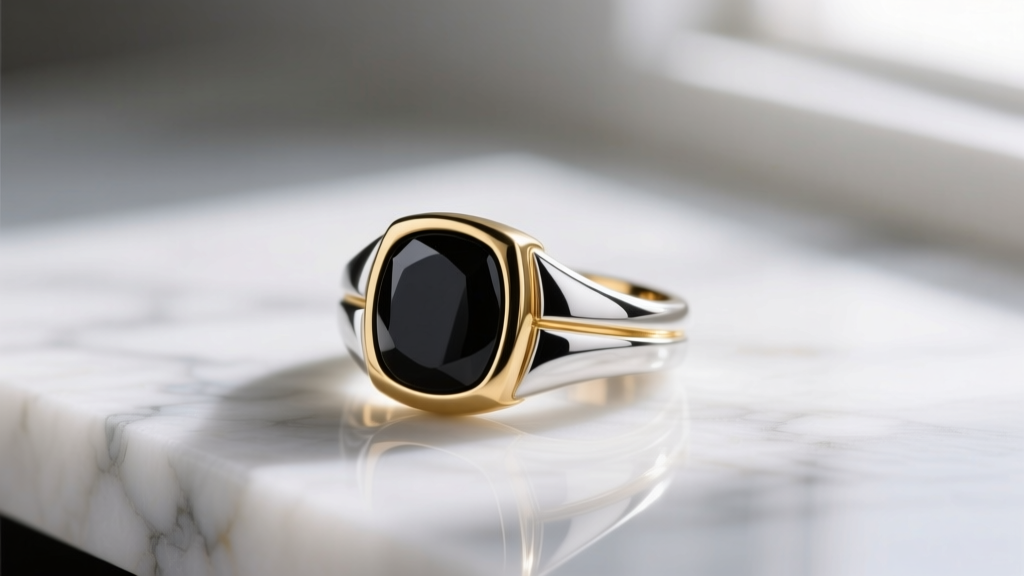
Alternatively, use gemstones as a neutral bridge. Diamonds, white sapphires, moonstones, and black onyx are optically neutral and pair flawlessly with both warm gold and cool silver. A sterling silver tennis bracelet set with white diamonds will seamlessly transition into a yellow gold bangle, as the eye registers the continuous line of sparkling, colorless stones rather than the contrasting metal prongs.
Step 3: Balance Visual Weight and Texture
Mixing metals successfully requires an understanding of visual weight. A massive, high-polish silver Cuban link chain will visually overpower a delicate, matte gold thread necklace. When combining different metals, try to match the physical dimensions or intentionally play with contrasting textures to keep the eye engaged. Below is a framework for pairing textures across mixed metals:
| Texture Profile | Gold Example (14k/18k) | Silver Example (925) | Styling Impact |
|---|---|---|---|
| High Polish | Polished Rope Chain | Mirror-Finish Bangle | Formal, reflective, catches light aggressively. |
| Brushed / Matte | Matte Gold Signet Ring | Brushed Silver Cuff | Understated, modern, reduces metal-clashing glare. |
| Hammered | Hammered Gold Hoops | Hammered Silver Band | Artisan, organic, blends metals via shared imperfections. |
| Engraved | Florentine Cross Pendant | Oxidized Silver Link | Vintage, detailed, relies on shadows for contrast. |
By matching a hammered gold piece with a hammered silver piece, you unify the stack through a shared tactile finish, making the color contrast feel like an artistic choice rather than a mistake.
Step 4: Master the Layering Technique for Necklaces
Necklace layering is where the mixed-metal trend truly shines, but it requires strict adherence to spacing and gauge sizing. To prevent tangling and ensure both metals are visible, you must vary the lengths by at least two inches. A standard, fail-safe mixed-metal stack begins with a 14-inch silver choker or collar, followed by a 16-inch gold pendant chain, and finishes with a 20-inch silver or gold lariat.

Pay attention to the chain gauge (thickness). If your gold chain is a delicate 1.2mm cable chain, your silver chain should not be a heavy 5.0mm figaro. The visual dissonance will look unbalanced. Furthermore, consider the clasp sizes. Heavy lobster clasps on lightweight chains will cause the necklace to drape poorly, pulling the mixed-metal arrangement off-center. Opt for spring-ring clasps on delicate chains (under 2.0mm) and small lobster clasps for medium chains (2.5mm to 4.0mm) to maintain a flawless, symmetrical drape across your collarbone.
Step 5: The Science of Mixed Metals (Galvanic Corrosion Warning)
While styling mixed metals is an art, caring for them is a science. Many jewelry wearers are unaware of galvanic corrosion, a chemical reaction that can occur when dissimilar metals are in constant physical contact in the presence of an electrolyte (like sweat, humidity, or saltwater). Sterling silver is an alloy consisting of 92.5% silver and 7.5% copper. 14k gold is alloyed with copper, silver, and zinc. When these different alloys touch against your skin while you sweat, they create a microscopic galvanic cell (essentially a tiny battery).
This reaction accelerates the oxidation process, causing the sterling silver pieces in your stack to tarnish and turn black at a significantly faster rate than they would if worn alone. To protect your investment, follow these strict care protocols:
- Shower and Swim Separately: Never wear mixed-metal stacks in the pool, ocean, or shower. The chlorine and salt act as highly conductive electrolytes, triggering rapid galvanic tarnishing.
- Wipe Down After Wear: Use a microfiber cloth to wipe away skin oils and sweat from both the gold and silver pieces before putting them away.
- Store Separately: Do not toss mixed-metal rings or necklaces into the same compartment of a jewelry box. The friction and ambient humidity in a closed drawer will cause the silver to tarnish and potentially scratch the softer gold alloys. Store them in individual anti-tarnish cloth pouches.
Summary Checklist for Daily Wear
Mixing silver and gold jewelry together is an exercise in intentional styling. By establishing a dominant metal, utilizing bridge pieces, balancing textures, and respecting the chemical properties of your alloys, you can curate a dynamic, rule-breaking jewelry collection that feels both timeless and fiercely modern. Start small with a 70/30 ring stack, master your necklace layering gauges, and always store your dissimilar metals separately to preserve their distinct, brilliant finishes.


