Exploring Gold Jewelry Black Finishes: A Material Guide
Discover the metallurgy behind gold jewelry black finishes. Compare ruthenium, black rhodium, and laser oxidation for durability and care.

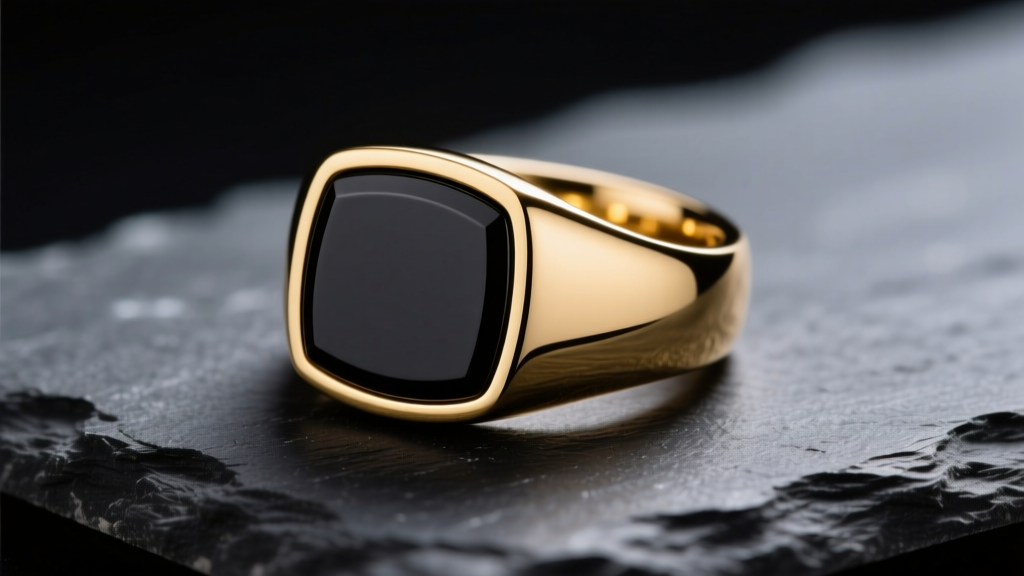
When consumers search for gold jewelry black options, they are often met with a confusing array of marketing terms. The truth is that black gold does not exist in nature. There is no dark ore pulled from the earth, nor is there a naturally occurring black gold alloy. Instead, the striking, moody aesthetic of black gold jewelry is the result of advanced surface treatments, electroplating techniques, and, more recently, femtosecond laser technology. Understanding the material properties behind these finishes is critical for both jewelers and collectors, as the longevity, maintenance, and structural integrity of the piece depend entirely on the method used to achieve the dark coloration.
This guide breaks down the exact metallurgical processes used to create black gold finishes, compares their physical properties, and provides a troubleshooting framework for common failure modes.
The Metallurgy of Black Gold Treatments
To transform standard yellow, white, or rose gold into a blackened state, manufacturers must alter the surface topology or apply a secondary metallic layer. According to the Gemological Institute of America (GIA), gold alloys are highly receptive to surface modifications, but the chosen method dictates the jewelry's lifespan.
1. Black Rhodium Plating
Rhodium is a platinum-group metal known for its brilliant white reflectivity. To create black rhodium, jewelers introduce darkening agents—typically sulfur or tellurium compounds—into the electroplating bath. The result is a deep, gunmetal-black finish. While visually stunning, black rhodium is relatively soft (Mohs hardness of roughly 5.5) and is usually applied in thin layers of 0.75 to 1.5 microns. It is highly susceptible to edge wear and requires re-plating every 12 to 18 months with daily wear.
2. Ruthenium Electroplating
Ruthenium, another platinum-group metal, offers a significantly harder alternative. With a Mohs hardness of 6.5, ruthenium plating provides a dark gray to pitch-black finish that is far more resistant to micro-abrasions than black rhodium. However, ruthenium is inherently brittle. If the underlying gold band is bent or subjected to high-impact shock, the ruthenium layer can micro-fracture or flake off entirely.
3. Cobalt Oxide Heat Treatment
Often used in high-end horology and luxury jewelry, cobalt oxide is an inorganic compound that is baked onto the gold surface at high temperatures. This creates a highly durable, ceramic-like black layer that is deeply integrated into the surface pores of the gold. It is exceptionally resistant to chemicals and UV degradation but is difficult to remove or repair if deeply scratched.

4. Femtosecond Laser Oxidation
The most advanced and permanent method for achieving black gold involves femtosecond lasers. This process does not add any foreign material to the ring. Instead, the laser fires ultra-short pulses that alter the nanostructure of the gold's surface, creating microscopic ridges that trap and absorb nearly all visible light. As noted by industry analysts at JCK Online, this structural color change is permanent and will never require re-plating, though it is currently limited to flat or simple convex surfaces due to the precision required by the laser optics.
Material Comparison Matrix
When selecting a black gold piece, it is vital to weigh the initial cost against the long-term maintenance requirements. The table below compares the four primary methods across critical material properties.
| Treatment Method | Mohs Hardness | Typical Thickness | Re-plating Required? | Avg. Cost (Ring) |
|---|---|---|---|---|
| Black Rhodium | 5.5 | 0.75 - 1.5 µm | Yes (12-18 months) | $45 - $85 |
| Ruthenium | 6.5 | 1.0 - 2.0 µm | Yes (2-3 years) | $60 - $120 |
| Cobalt Oxide | 7.0 | N/A (Surface fused) | No (Difficult to repair) | $150 - $250 |
| Laser Oxidation | Base Metal | N/A (Nanostructure) | No (Permanent) | $200 - $400+ |
Base Metal Compatibility & Adhesion Protocols
A black finish is only as durable as the metal beneath it. The karatage of the base gold drastically affects how well black platings adhere and age over time.
14k vs. 18k Gold
14k gold contains a higher percentage of alloying metals, particularly copper and silver, to achieve its strength. Copper is highly reactive and can migrate to the surface over time, causing oxidation that pushes through the black plating, resulting in a mottled, greenish-black discoloration. To prevent this, expert electroplaters use a 'strike' layer—a microscopic flash of palladium or nickel—between the 14k gold and the black rhodium or ruthenium. 18k gold, with its higher pure gold content (75%), is less prone to copper migration, making it a superior, albeit softer, base for black finishes.
Titanium and Tungsten Carbide Alternatives
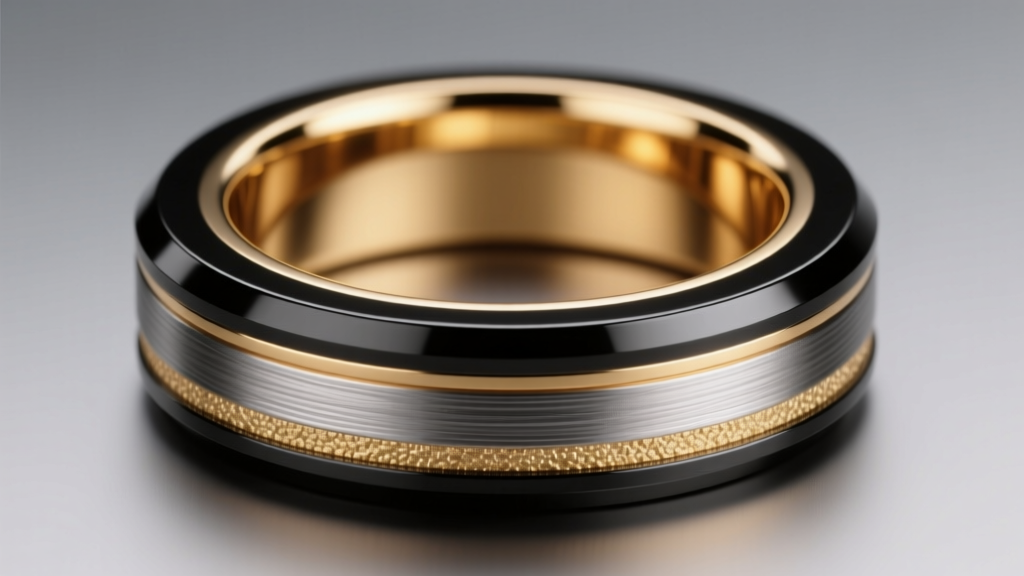
While not gold, many consumers looking for black jewelry are steered toward black titanium or tungsten. Unlike plated gold, these metals are often black through their entire cross-section (in the case of some ceramic composites) or feature an anodized layer. However, they lack the intrinsic value, malleability, and resizing capabilities of gold. A black ruthenium-plated 18k gold ring remains the premier choice for those who want the dark aesthetic without sacrificing the prestige and workability of precious metals.
Real-World Failure Modes & Troubleshooting
Even the highest quality black gold jewelry will eventually show signs of wear if subjected to harsh conditions. Recognizing these failure modes early can save the piece from irreversible damage.
- Galvanic Corrosion: If a black rhodium-plated ring is exposed to salt water or heavy chlorine, the electrolytes can penetrate microscopic pores in the plating. This creates a galvanic cell between the plating and the base gold, leading to rapid delamination where the black finish peels off in sheets.
- Edge Micro-Abrasion: The highest points of contact—such as the outer edges of a band or the prongs of a setting—will wear through the 1.0-micron plating first. This reveals the bright white or yellow gold beneath, creating a high-contrast 'halo' effect. While some collectors appreciate this patina, it can be easily corrected by a jeweler using a localized electroplating pen.
- Ultrasonic Cavitation Damage: Never place black plated jewelry in an ultrasonic cleaner. The high-frequency cavitation bubbles can literally blast the brittle ruthenium or black rhodium layers off the gold substrate, leaving patchy, irreversible bald spots.
Care & Maintenance Protocol
To maximize the lifespan of your black gold jewelry, adopt a strict, gentle maintenance routine. Clean the piece weekly using a pH-neutral dish soap, lukewarm water, and an extra-soft baby toothbrush. Avoid any cleaners containing ammonia, bleach, or abrasives, as these will strip the darkening agents from the rhodium matrix.
When storing black gold, keep it isolated in a microfiber pouch. Because ruthenium and black rhodium have different hardness levels than standard diamonds or sapphires, storing them in a shared jewelry box will result in the gemstones scratching the black finish. For pieces worn daily, such as wedding bands, budget for a professional re-plating service every 18 to 24 months to maintain the factory-fresh, light-absorbing black aesthetic.


