Connoisseurs Jewelry Wipes - Compact Gold and Silver Jewelry Cleaner
Explore how Connoisseurs Jewelry Wipes interact with various gold karats, plating types, and alloys from a material science perspective.

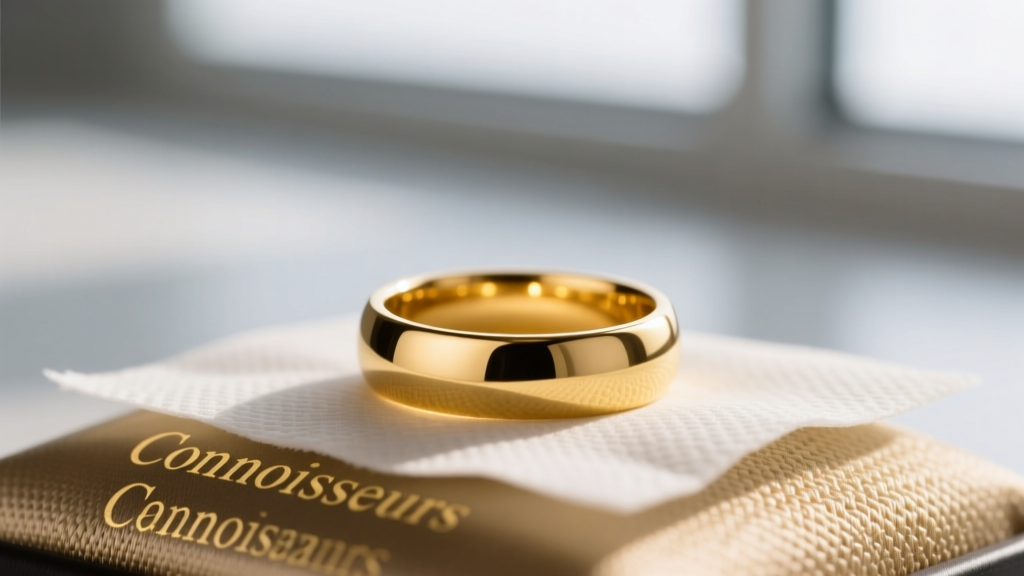
As of 2026, material science testing has become more accessible, allowing collectors and everyday wearers to evaluate maintenance tools beyond their marketing claims. When managing a diverse collection of precious metals, enthusiasts frequently reach for the Connoisseurs Jewelry Wipes - Compact Gold and Silver Jewelry Cleaner. While the packaging promises a universal solution for both gold and silver, the reality of metallurgical interactions is far more nuanced. Pure gold is virtually inert, but the alloys used to create durable jewelry introduce complex chemical vulnerabilities. This guide deconstructs the material properties of gold alloys, the chemical composition of pre-moistened cleaning wipes, and the mechanical limits of gold plating to determine exactly how, when, and why these wipes alter your jewelry at a microscopic level.
The Metallurgy of Gold Alloys and Surface Tarnish
To understand how any cleaning agent works, we must first examine the substrate it interacts with. Pure 24-karat gold (99.9% Au) is highly resistant to oxidation and tarnish due to its low reactivity. However, its Vickers hardness (HV) is a mere 25, making it entirely unsuitable for structural jewelry. To achieve durability, gold is alloyed with metals like copper, silver, zinc, and nickel. According to the Gemological Institute of America (GIA), these alloying metals are precisely what introduce the phenomenon of tarnish.
Tarnish on gold jewelry is not the gold itself degrading; it is the oxidation and sulfidation of the alloy metals. Copper, heavily used in rose and yellow gold alloys, reacts with atmospheric sulfur and oxygen to form copper sulfide and copper oxide—a dark, dull patina. Silver alloys can form silver sulfide. A 10k or 14k gold piece contains enough base metal (up to 58.3% in 10k) to visibly tarnish over time, especially when exposed to cosmetics, sweat, and environmental pollutants. Therefore, a cleaner designed for gold must effectively dissolve these sulfide bonds without etching the remaining gold matrix.
Chemical Composition: Wipes vs. Liquid Dips
Historically, aggressive liquid dips relied on thiourea, a highly toxic and corrosive chemical that strips tarnish by converting silver and copper sulfides into soluble complexes. While effective, thiourea leaves microscopic pitting on the metal surface and is hazardous to handle. Modern pre-moistened wipes, including the Connoisseurs formulation, utilize a fundamentally different chemical approach based on non-ionic surfactants and mild chelating agents.
- Non-Ionic Surfactants: These reduce the surface tension of water, allowing the solution to penetrate microscopic pores and lift lipid-based grime (sebum, lotions) without relying on harsh alkaline saponification.
- Mild Abrasives/Polishing Agents: The fabric matrix of the wipe itself acts as a micro-abrasive. The physical friction does the heavy lifting, mechanically disrupting the tarnish layer.
- Anti-Tarnish Inhibitors: Many premium wipes leave behind a microscopic monolayer of benzotriazole or similar organic inhibitors that temporarily passivate the copper and silver atoms, delaying re-oxidation.
This chemical profile makes the wipes exceptionally safe for the gold matrix, as they do not chemically dissolve the metal. Instead, they rely on mechanical action combined with gentle surfactant lifting.
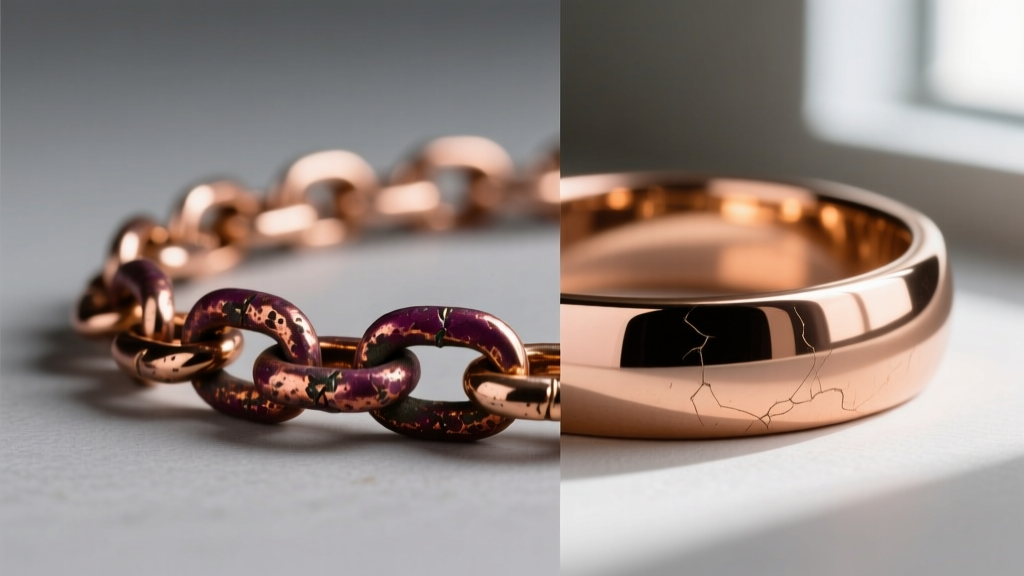
Material Interaction Matrix: Gold Karats vs. Wipe Efficacy
The efficacy and safety of using the Connoisseurs Jewelry Wipes - Compact Gold and Silver Jewelry Cleaner depend entirely on the karat weight and resulting hardness of the piece. Below is a material interaction matrix detailing how different gold alloys respond to the mechanical friction and chemical surfactants of the wipes.
| Karat | Gold % / Alloy % | Hardness (HV) | Tarnish Risk | Wipe Safety & Efficacy |
|---|---|---|---|---|
| 24k | 99.9% / 0.1% | ~25 | None | Safe, but unnecessary. High risk of micro-scratching due to extreme softness. Use only gentle dabbing. |
| 22k | 91.6% / 8.4% | ~70 | Very Low | Safe. Minimal tarnish to remove. Light pressure required to avoid burnishing the soft surface. |
| 18k | 75.0% / 25.0% | ~125 | Low-Medium | Excellent. Ideal balance of hardness and tarnish resistance. Wipes effectively remove surface oils. |
| 14k | 58.3% / 41.7% | ~140 | Medium | Optimal. The hardness withstands wipe friction, while surfactants effectively lift copper sulfide tarnish. |
| 10k | 41.7% / 58.3% | ~160 | High | Good for surface dirt, but heavy copper sulfide tarnish may require multiple passes or liquid polish. |
As the data illustrates, 14k and 18k gold represent the "sweet spot" for wipe-based cleaning. The alloys are hard enough to withstand the mechanical friction of the fabric weave without sustaining micro-scratches, yet they contain enough base metals to benefit from the surfactant lifting action.
The Mechanics of Gold Plated and Vermeil Jewelry
The physical mechanics of cleaning change drastically when dealing with gold-plated or gold vermeil pieces. According to the Federal Trade Commission (FTC) Jewelry Guides, gold electroplating can be as thin as 0.175 microns (flash plating), while gold vermeil requires a minimum of 2.5 microns of gold over a sterling silver base.
When you use a pre-moistened wipe on flash-plated jewelry, the mechanical friction acts like extremely fine sandpaper. Repeated wiping will inevitably wear through the microscopic gold layer, exposing the brass or copper substrate beneath. This is a common failure mode misattributed to the "chemicals" in the wipe, when in fact it is a mechanical abrasion issue.
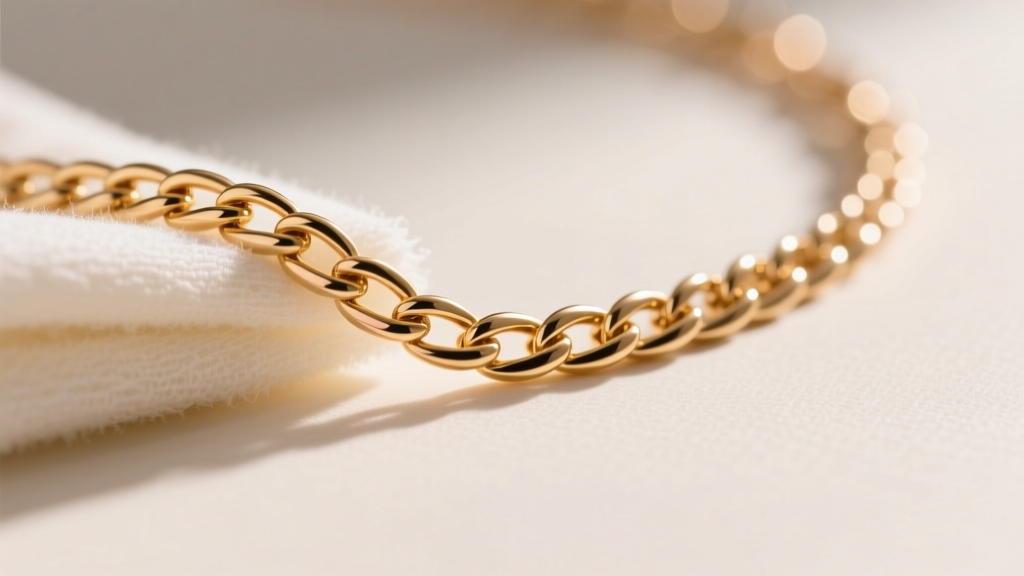
For heavy gold vermeil (2.5 to 5.0 microns), the Connoisseurs wipes are generally safe for occasional use, provided the user employs a specific technique: directional wiping. Instead of rubbing vigorously in circles, which generates localized heat and friction, gently pull the chain or slide the ring through the folded wipe in a single, continuous motion. This minimizes shear stress on the gold-to-silver molecular bond.
Limitations: Gemstone Porosity and Matte Finishes
While the chemical formulation is safe for metallic gold, it poses significant risks to porous gemstones and specialized metal finishes often paired with gold settings.
Porous and Organic Gemstones
Never use pre-moistened wipes on gold jewelry set with pearls, opals, turquoise, lapis lazuli, or emeralds. These materials possess high porosity and low Mohs hardness. The surfactants and anti-tarnish inhibitors can be absorbed into the stone's crystalline structure, causing permanent clouding, color shifting, or structural degradation. For gold pieces featuring these stones, use a dry, untreated microfiber cloth for the metal, avoiding the gemstone entirely.
Matte, Satin, and Florentine Finishes
Textured gold finishes—such as brushed satin, sandblasted matte, or Florentine cross-hatching—rely on microscopic surface grooves to scatter light and eliminate reflectivity. The mild abrasives in the wipe fabric, combined with physical rubbing, will gradually polish down these microscopic peaks. Over time, a matte finish will develop an unwanted, patchy shine. For textured gold, ultrasonic cleaners (for solid gold without fragile stones) or soft-bristled brush cleaning with mild dish soap remains the superior material-safe alternative.
Best Practices for Longevity
To maximize the utility of the Connoisseurs Jewelry Wipes - Compact Gold and Silver Jewelry Cleaner while preserving the metallurgical integrity of your collection, adhere to these material-science-backed protocols:
- Test an Inconspicuous Area: For antique or heavily oxidized pieces where the patina is intentional (such as Art Deco reproductions), test a small interior section. The wipes will strip away the dark sulfide contrast in crevices, altering the piece's visual depth.
- Seal the Package Immediately: The efficacy of the wipe relies on its moisture content. Once the volatile solvents and water evaporate, the dry fabric becomes a harsh, dry abrasive that will scratch high-karat gold.
- Rinse Post-Clean (Optional but Recommended): While designed to be leave-on, rinsing solid gold pieces in distilled water after wiping removes any residual surfactant film, ensuring maximum light refraction and brilliance.
Ultimately, understanding the intersection of chemical surfactants and metallic hardness transforms a simple cleaning routine into an act of material preservation. By respecting the physical limits of gold alloys and plating thicknesses, you ensure your jewelry retains its structural and aesthetic integrity for decades.
Expert Note: Always consult the Connoisseurs Official Care Guidelines for specific updates on their chemical formulations, as manufacturers occasionally refine their surfactant blends to comply with evolving environmental and safety standards.


