Gold Filled vs Gold Plated Jewelry: Cleaning & Care Guide
Learn the crucial care differences in gold filled vs gold plated jewelry. Discover safe cleaning methods to prevent peeling, tarnish, and wear.

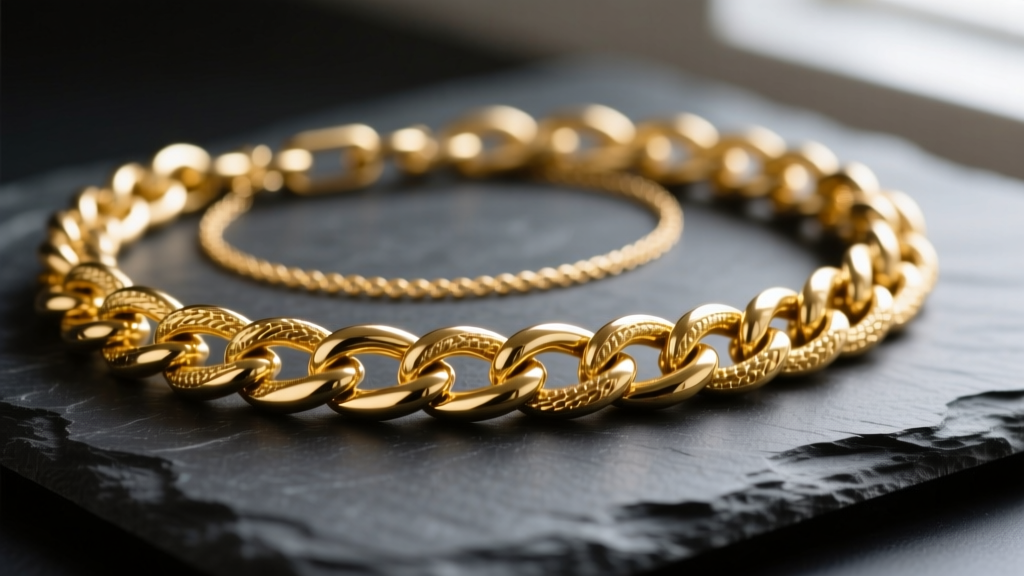
When shopping for affordable luxury, the debate of gold filled vs gold plated jewelry often centers on upfront costs and initial shine. However, the true divergence between these two materials reveals itself in the cleaning bowl. As a jewelry care specialist, I frequently see well-intentioned collectors ruin their pieces by applying the same maintenance routine to both. The structural differences between a mechanically bonded gold filled layer and an electroplated gold finish dictate entirely different care protocols. Understanding these nuances is the key to maximizing the lifespan of your collection, preventing premature tarnishing, and avoiding the dreaded 'green skin' effect caused by base metal oxidation.
The Anatomy of Wear: Why Cleaning Methods Differ
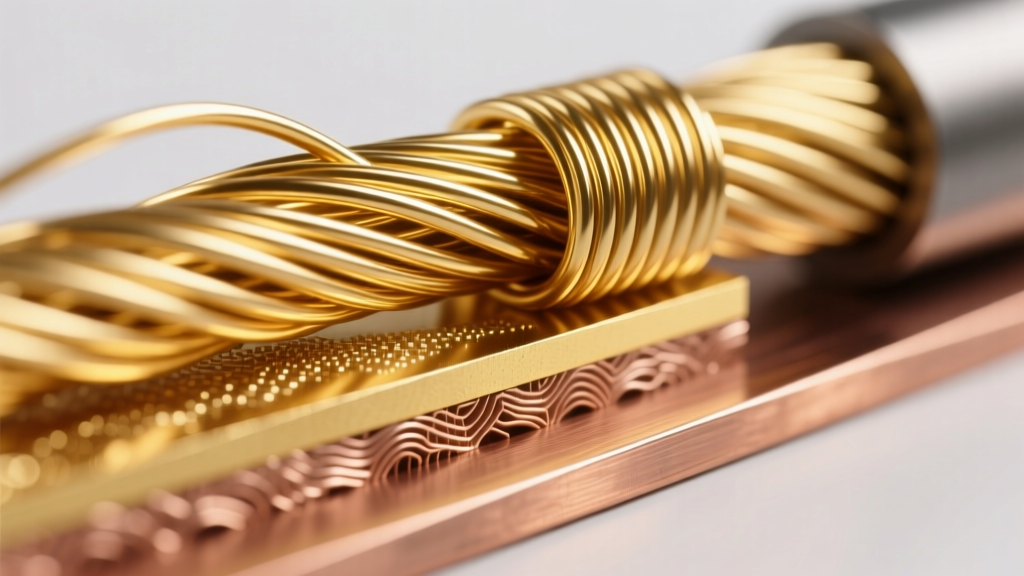
To understand how to clean these materials, you must first understand how they are manufactured. According to the Federal Trade Commission (FTC) Jewelry Guides, gold filled jewelry must contain a gold layer that constitutes at least 1/20th (5%) of the total weight of the item. This layer is mechanically bonded to a core metal (usually brass) under extreme heat and pressure. The resulting gold layer is typically 50 to 100 times thicker than standard plating, making it highly resilient to friction and mild chemicals.
Conversely, standard gold plated jewelry is created through electroplating, where a microscopic layer of gold (often less than 0.5 microns thick) is deposited onto a base metal. This ultra-thin layer is highly susceptible to abrasion, chemical degradation, and delamination. Therefore, while gold filled jewelry can withstand gentle mechanical cleaning, gold plated jewelry requires a 'frictionless' approach to avoid stripping the finish entirely.
The Ultrasonic Cleaner Trap
One of the most common mistakes consumers make is using ultrasonic jewelry cleaners for both material types. Ultrasonic cleaners use high-frequency sound waves to create microscopic cavitation bubbles that implode against the jewelry, blasting away dirt. While this is excellent for solid 14k or 18k gold and diamonds, it is catastrophic for gold plated and potentially damaging to gold filled pieces.
- Gold Plated: The violent cavitation process will strip thin electroplated layers off the base metal in minutes, leaving you with a bare brass or copper ring.
- Gold Filled: While the bonded layer is stronger, the intense vibrations can cause micro-fractures in the gold layer over time, especially at solder joints or wire-wrapped connections, eventually leading to peeling.
Expert Rule: Never put gold filled or gold plated items in an ultrasonic machine, steam cleaner, or ionic cleaner. Stick to manual, low-impact methods.
Gold Filled Jewelry Maintenance Protocol
Because the gold layer on filled jewelry is substantial (usually 12k or 14k gold), it behaves similarly to solid gold in terms of chemical resistance, but you must still protect the integrity of the bond. Here is the optimal step-by-step cleaning framework for gold filled chains, hoops, and pendants.
The pH-Neutral Soak Method
- Prepare the Solution: Mix one cup of distilled water (tap water contains chlorine and minerals that can cause spotting) with three drops of a pH-neutral, phosphate-free dish soap. Avoid soaps with added moisturizers or citrus degreasers.
- Soak: Submerge the gold filled jewelry for exactly 3 to 5 minutes. This loosens sebum, dead skin cells, and environmental dust without requiring aggressive scrubbing.
- Agitate Gently: Use an extra-soft baby toothbrush (bristle diameter under 0.1mm) to lightly sweep the crevices of the jewelry. Do not apply downward pressure; let the bristles do the work.
- Rinse and Dry: Rinse under a gentle stream of lukewarm distilled water. Pat completely dry with a lint-free microfiber cloth. Air-drying can leave water spots that dull the shine.
What to Avoid
Never use commercial 'jewelry polishing cloths' on gold filled items. These cloths are often impregnated with micro-abrasives (jeweler's rouge) designed to remove tarnish from solid silver or gold. On gold filled jewelry, these abrasives act like sandpaper, slowly wearing down the 5% gold layer and exposing the brass core beneath.
Gold Plated Jewelry Survival Guide
Cleaning gold plated jewelry is less about 'scrubbing' and more about 'preserving.' Because the gold layer is measured in fractions of a micron, every time you wipe a plated piece, you are removing a microscopic amount of gold. The goal is to remove oils and salts from the skin without introducing friction.
The Dip-and-Lift Technique
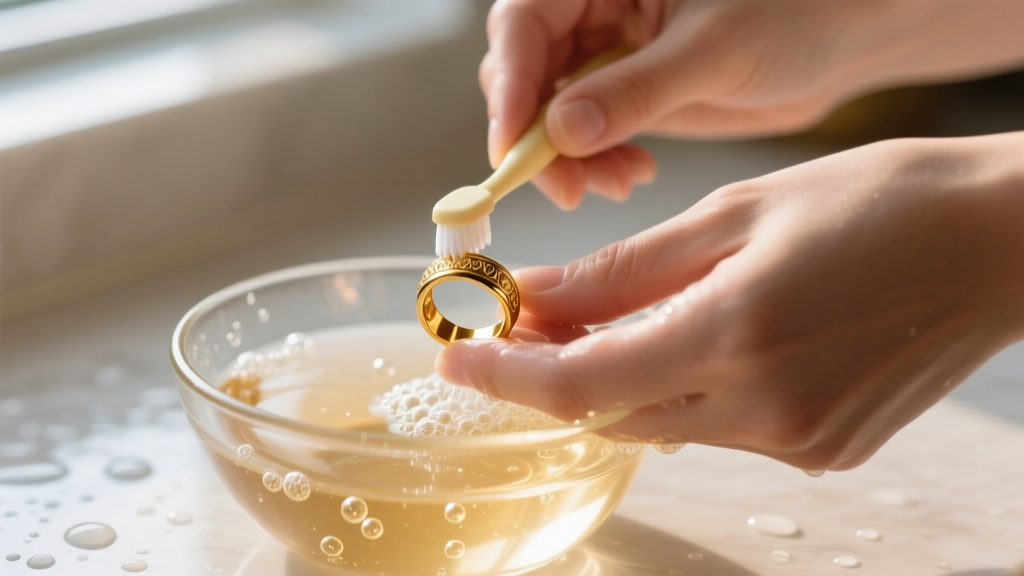
Instead of brushing, use the dip-and-lift method. Submerge the plated piece in a mild solution of warm distilled water and a drop of gentle baby shampoo for no more than 60 seconds. Lift it out, rinse immediately with distilled water, and lay it flat on a paper towel to air dry. If you must use a cloth, gently dab the piece—never rub.
Chemical Compatibility Chart
Understanding how everyday chemicals interact with the porous nature of thin gold plating is critical. Below is a quick-reference framework for chemical exposure:
| Chemical Agent | Effect on Gold Filled | Effect on Gold Plated | Action Required |
|---|---|---|---|
| Chlorine (Pools) | Causes surface dulling | Destroys plating instantly | Remove before swimming |
| Alcohol (Perfume) | Safe in small amounts | Degrades base metal bond | Apply perfume before jewelry |
| Baking Soda Paste | Scratches gold layer | Strips plating completely | Never use on either type |
| Skin Acids / Sweat | Causes slow tarnishing | Causes rapid green oxidation | Wipe down after wearing |
| Sulfur (Hot Springs) | Severe discoloration | Instant black tarnishing | Avoid all sulfur environments |
Storage & Environmental Controls
The Gemological Institute of America (GIA) notes that while pure gold does not tarnish, the alloy metals mixed into the gold layer (like copper and silver) and the base metals beneath the gold are highly reactive to sulfur and moisture in the air. Proper storage is your first line of defense against oxidation.
- Anti-Tarnish Strips: Place 3M anti-tarnish strips inside your jewelry boxes. These strips absorb airborne sulfur compounds before they can react with the copper in the gold alloy or the brass core.
- Silica Gel Packets: Moisture accelerates the galvanic corrosion that causes base metals to turn your skin green. Keep silica packets in your storage drawers to maintain a low-humidity environment.
- Individual Polybags: Never store gold filled and gold plated pieces tangled together in a communal box. The harder gold filled chains will scratch and wear away the delicate plating on softer pieces. Store each item in an individual, airtight polyethylene bag.
Troubleshooting Tarnish and Peeling
Despite your best efforts, environmental factors and skin chemistry can sometimes cause issues. Here is how to troubleshoot the most common problems associated with these materials.
Dealing with 'Green Skin'
If a gold plated ring turns your finger green, it means the plating has worn through, exposing the copper or brass base metal. The acids in your sweat react with the copper, creating copper chloride (a green salt). Solution: Stop wearing the piece. You can temporarily seal the inside band with a coat of clear, hypoallergenic nail polish, but the only permanent fix is to have the piece professionally replated or to upgrade to gold filled or solid gold.
Restoring Dull Gold Filled Jewelry
If your gold filled chain looks dull and the soak method didn't work, it may have accumulated a layer of hardened lotion or hard water scale. Solution: Mix a 50/50 solution of distilled white vinegar and distilled water. Soak for exactly two minutes (no longer, as prolonged acid exposure can weaken the bond), then rinse thoroughly and buff with a clean microfiber cloth.
'The biggest misconception in jewelry care is that all gold-colored items can be treated like solid gold. Gold filled is an investment in longevity, but it still requires a gentle touch. Plated jewelry, on the other hand, should be treated like a delicate textile—minimal washing, zero friction.' — Master Bench Jeweler
Ultimately, mastering the care of gold filled vs gold plated jewelry comes down to respecting their physical limits. By implementing these targeted cleaning protocols, avoiding ultrasonic traps, and controlling your storage environment, you can ensure your gold filled pieces last for decades and your gold plated favorites maintain their brilliance for every special occasion.


