2026 Trend Forecast: Sourcing Gold Jewelry Supplies Wholesale
Discover 2026 gold jewelry trends and learn how to source gold jewelry supplies wholesale. Expert insights on karats, chain styles, and finding MOQs.

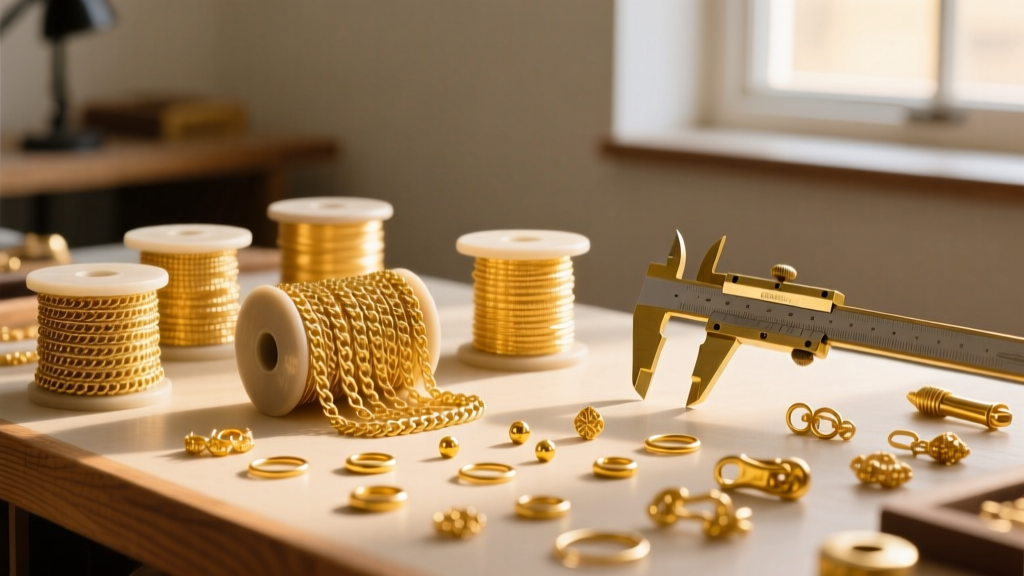
The 2026 Shift: What Independent Buyers Actually Want
The landscape of independent jewelry design and retail is shifting rapidly as we navigate 2026. With fluctuating precious metal spot prices and evolving consumer tastes, the margin for error in inventory management is razor-thin. For boutique owners, custom designers, and emerging brands, understanding how to source gold jewelry supplies wholesale is no longer just about finding the lowest cost per gram—it is about anticipating trend cycles, understanding alloy metallurgy, and securing reliable manufacturing partners. The modern consumer is highly educated; they ask about nickel allergies, they scrutinize chain link integrity, and they demand transparency regarding metal sourcing.
This comprehensive trend and sourcing analysis breaks down the exact materials, chain profiles, and hardware findings that are dominating the 2026 market. More importantly, it provides a tactical framework for vetting wholesale suppliers, ensuring that the raw materials you purchase translate into high-quality, high-margin finished pieces that resonate with today’s buyers.
The Karat Conundrum: Strategic Sourcing by Purity
When purchasing gold jewelry supplies wholesale, the first decision is karatage. In 2026, we are seeing a distinct bifurcation in the market. Entry-level luxury and everyday wear are heavily dominated by 10k and 14k gold, driven by the need to keep retail price points accessible despite high spot prices. Conversely, 18k gold is being strictly reserved for bridal, fine heirloom pieces, and high-end custom commissions.
Savvy designers are also paying close attention to the color of their gold. Yellow gold remains the undisputed leader in vintage-inspired and chunky chain trends. However, there is a massive surge in demand for nickel-free white gold. Historically, wholesale white gold was alloyed with nickel to achieve a bright white color, but rising rates of contact dermatitis have forced a market pivot. Sourcing 14k or 18k white gold alloyed with palladium or manganese is now a critical E-E-A-T (Experience, Expertise, Authoritativeness, and Trustworthiness) signal for your brand.
| Karat | Purity % | Best Wholesale Application | Est. Make Charge (over spot) | Target Retail Markup |
|---|---|---|---|---|
| 10k Yellow | 41.7% | Entry-level chains, basic castings | $0.80 - $1.20 / gram | 2.5x - 3x |
| 14k Yellow | 58.3% | Everyday chains, charms, findings | $1.50 - $2.20 / gram | 2.2x - 2.8x |
| 14k Palladium White | 58.3% | Hypoallergenic findings, bridal bands | $2.50 - $3.50 / gram | 2.5x - 3.2x |
| 18k Yellow | 75.0% | Fine custom castings, luxury bezels | $3.00 - $4.50 / gram | 2.0x - 2.5x |
Dominant Chain Profiles & Finding the Right Wholesale Mills
Chain sourcing is where many independent jewelers face the biggest quality control hurdles. When you buy gold jewelry supplies wholesale, you are generally choosing between domestic assemblers and imported machine-made chains from regions like Arezzo, Italy, or specialized mills in Asia. For 2026, the trend is moving away from basic, flat cable chains toward highly textured, three-dimensional profiles that catch the light and offer a substantial 'hand-feel' without requiring excessive gold weight.
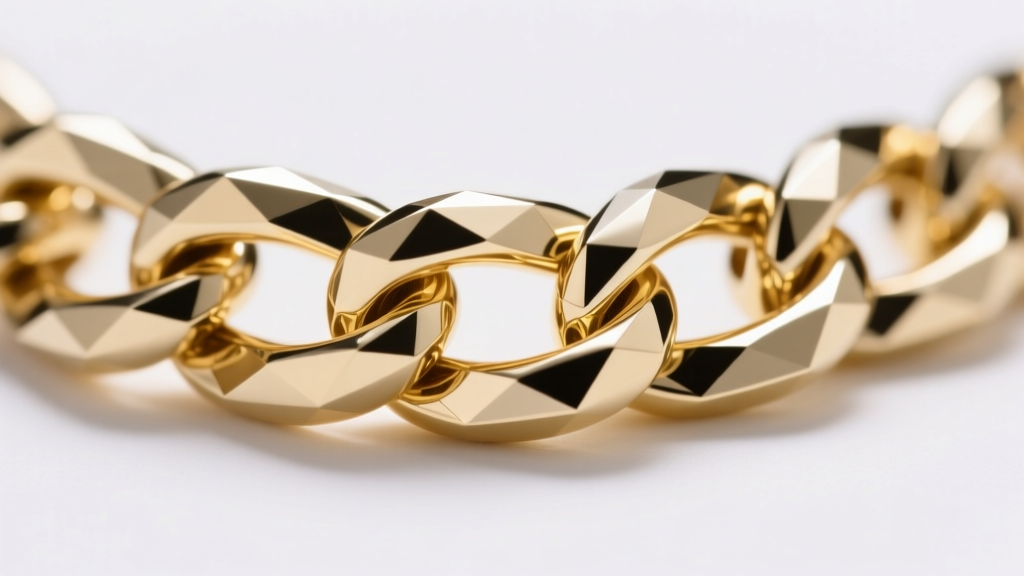
Top 3 Chain Styles Defining 2026
- The Puffed Diamond-Cut Paperclip: The standard paperclip chain has evolved. The 2026 iteration features 'puffed' (hollow but rounded) links with diamond-cut faceting. This provides the bold, chunky aesthetic consumers want while keeping the gram weight—and therefore the wholesale cost—manageable. Look for 1.5mm to 2.5mm widths in 14k yellow gold.
- The Modern Wheat (Spiga) Chain: Making a massive comeback for pendant necklaces and layered bracelets. Wheat chains are incredibly durable due to their woven, interlocking structure. Sourcing 1.2mm to 1.8mm wheat chains in 14k or 18k provides a premium, rope-like texture that elevates simple solitaire pendants.
- The Box Chain with Micro-Pave Stations: For finished wholesale components, box chains (0.9mm to 1.1mm) featuring intermittent micro-pave diamond or lab-grown diamond stations are dominating the 'demi-fine' sector. They offer high perceived value and excellent profit margins.
Findings & Hardware: The Unsung Heroes of Margins
It is easy to obsess over the main chain or the center stone, but findings—clasps, jump rings, sliders, and ear wires—dictate the longevity and user experience of the jewelry. A poorly sourced lobster clasp will fail, and a flimsy jump ring will pull apart, resulting in lost pendants and damaged brand reputation. When evaluating gold jewelry supplies wholesale catalogs, findings should be scrutinized for material hardness and manufacturing precision.
Sourcing Clasps, Sliders, and Jump Rings
For 2026, the industry standard for everyday chains is shifting toward magnetic locking clasps and hidden box clasps for pieces over 3.0mm in width. Standard spring rings are increasingly viewed as 'cheap' by consumers. When sourcing jump rings, always opt for machine-cut, seamless, or laser-welded options in 18-gauge or 20-gauge wire. Open, saw-cut jump rings will inevitably warp under tension.
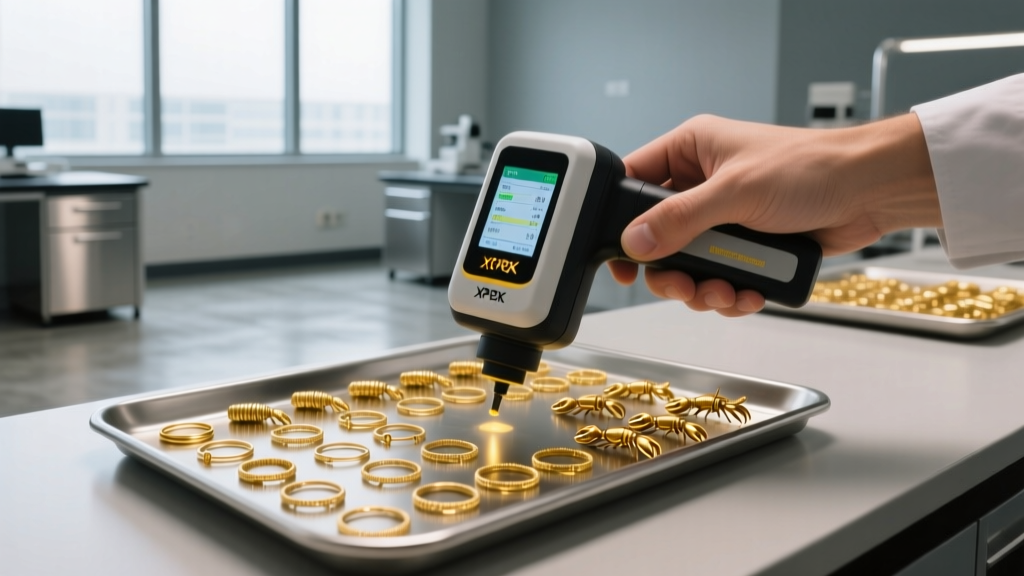
Expert Sourcing Tip: Never compromise on the internal spring mechanism of a lobster clasp to save a few cents per unit. Request XRF (X-ray Fluorescence) reports from your wholesale supplier to ensure the clasp body is solid 14k gold and not merely gold-plated over a brass or steel core, which is a common deception in unvetted overseas supply chains.
Vetting Your Gold Jewelry Supplies Wholesale Partners
The internet is flooded with suppliers claiming to offer solid gold findings and chains at suspiciously low prices. As a business owner, you are legally and ethically responsible for the metal purity you sell. The Federal Trade Commission Jewelry Guides strictly regulate how gold content can be marketed, and misrepresenting gold-filled or heavily plated items as solid gold can result in severe penalties.
To protect your business and your customers, implement this rigorous 4-step vetting framework before placing your first bulk order:
- Demand Fire Assay or XRF Documentation: Reputable wholesalers will provide recent assay reports for their casting grain and finished chains. If a supplier hesitates to prove their metal purity, walk away.
- Understand the 'Make Charge': Wholesale gold pricing is calculated as: (Spot Price x Gold Purity) + Make Charge. The make charge covers the labor, machinery, and overhead to turn raw gold into a chain or finding. If a supplier's total price is below the spot value of the gold content, the item is counterfeit, plated, or severely under-karated.
- Verify Hallmarking Compliance: Ensure your supplier stamps their items with a recognized trademark and karat mark (e.g., '14K' alongside a maker's mark). The Jewelers Vigilance Committee provides excellent resources on U.S. hallmarking laws, which require a trademark to accompany any quality mark.
- Order Sample Batches for Destructive Testing: Before committing to a high-MOQ (Minimum Order Quantity) contract, order a small batch of findings. Cut a jump ring in half with flush cutters to examine the cross-section. A solid gold piece will be uniform in color all the way through; a plated piece will reveal a dark brass or copper core.
Alloy Metallurgy: Sourcing for Durability and Color
Beyond karatage, the specific alloy mix used by your wholesale supplier drastically affects the workability and final appearance of your jewelry. For example, when sourcing 14k rose gold, the copper-to-silver ratio determines the depth of the pink hue. In 2026, consumers prefer a 'peach' or 'champagne' rose gold over the harsh, reddish-copper tones of the past decade. You must communicate your desired color index to your casting houses or chain mills.
Furthermore, if you are purchasing wholesale casting grain for in-house 3D printing and lost-wax casting, pay attention to the grain's deoxidizer content. High-quality grain includes trace elements like silicon or boron to prevent porosity during the cooling phase. Porous castings result in pitted surfaces that require hours of extra polishing, destroying your labor margins. Always cross-reference your grain supplier's technical data sheets with current World Gold Council market reports to ensure you are paying a fair premium for advanced metallurgy.
Final Thoughts on Scaling Your Gold Inventory
Succeeding in the 2026 jewelry market requires a delicate balance of trend awareness and rigorous supply chain management. By strategically sourcing gold jewelry supplies wholesale—focusing on hypoallergenic alloys, textured chain profiles, and precision-engineered findings—you position your brand to deliver exceptional value and durability. Do not view your wholesale suppliers merely as vendors; treat them as manufacturing partners. Visit their facilities, audit their testing equipment, and build relationships based on transparency. In an industry where trust is the ultimate currency, the quality of your raw materials is the foundation of your brand's legacy.


