What Is Gold Plated Jewelry? Technical Specs & Buyer Guide
Discover what is gold plated jewelry through a technical lens. We analyze micron thickness, base metals, electroplating methods, and longevity.

The Electrochemistry of Gold Plating: Beyond the Surface
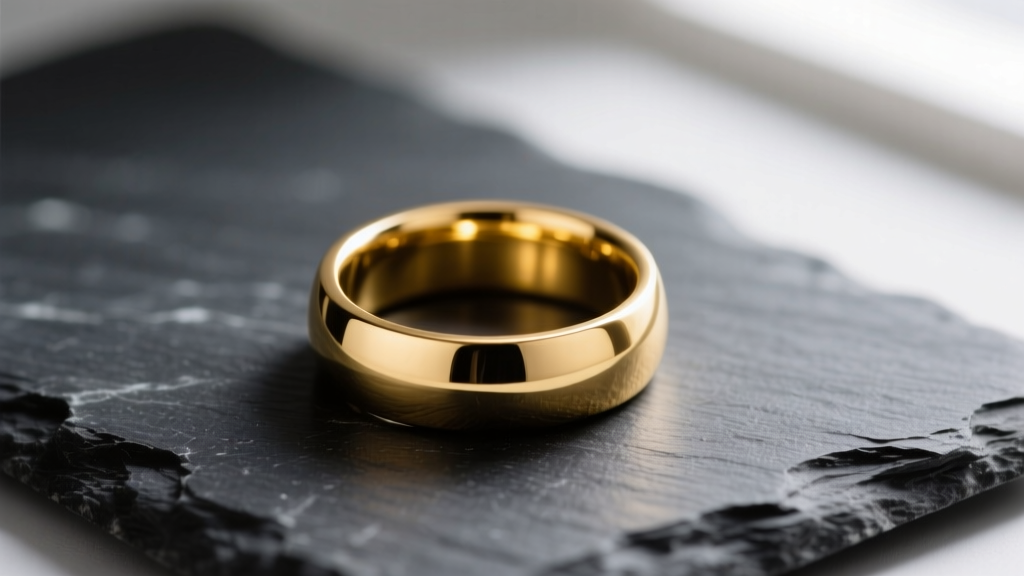
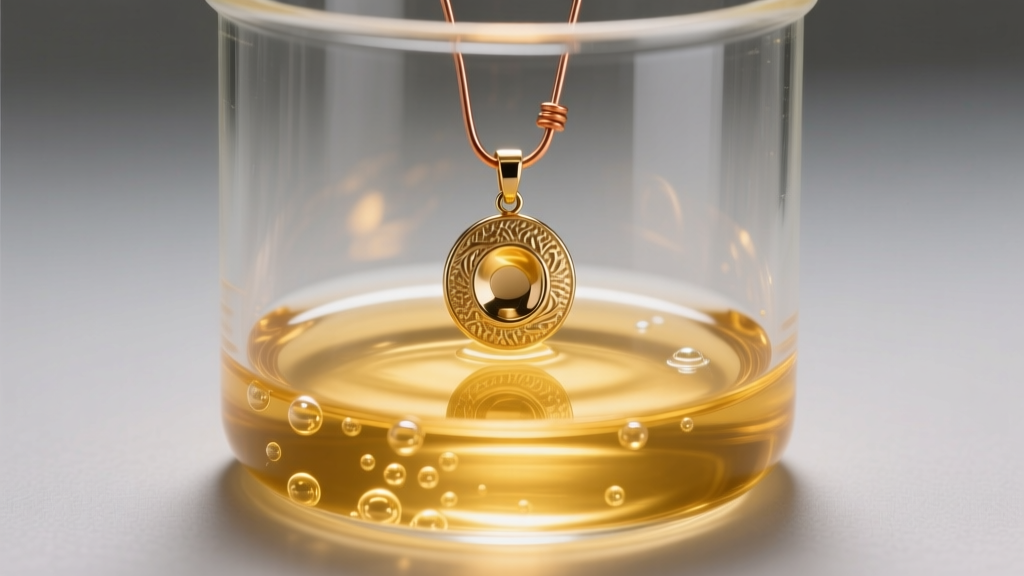
When consumers ask, 'what is gold plated jewelry,' the answer extends far beyond a simple cosmetic coating. Technically, gold plating is an electrochemical deposition process where a microscopic layer of gold is bonded to a base metal substrate. This is achieved by submerging the base metal (the cathode) and a gold source (the anode) into an electrolyte solution containing dissolved gold salts.
Modern jewelry manufacturing primarily utilizes non-cyanide gold sulfite baths or traditional potassium gold cyanide baths. A direct current (DC) rectifier is applied, causing gold ions in the solution to reduce and deposit onto the cathode. The current density, bath temperature, and pH levels are meticulously controlled to dictate the grain structure, hardness, and final color of the deposited gold layer. A higher current density can result in a harder, more wear-resistant finish, but if pushed too high, it causes 'burning'—a rough, powdery texture that compromises the jewelry's structural integrity.
Micron Thickness: The True Metric of Longevity
The most critical variable in determining the lifespan and value of gold-plated jewelry is the thickness of the gold layer, measured in microns (µm) or millionths of an inch. The Federal Trade Commission (FTC) enforces strict legal definitions for these classifications in the United States to prevent consumer deception.
| Classification | Minimum Thickness | Estimated Lifespan (Daily Wear) | Common Use Cases |
|---|---|---|---|
| Flash Plated / Gold Washed | < 0.175 µm | 1 - 6 Months | Fast fashion, disposable trend jewelry |
| Gold Plated (GP) | 0.175 µm (7 millionths) | 6 - 18 Months | Standard commercial jewelry, mid-tier accessories |
| Heavy Gold Electroplate (HGE) | 2.5 µm (100 millionths) | 2 - 5 Years | Premium fashion jewelry, high-wear items like rings |
| Gold Vermeil | 2.5 µm over Sterling Silver | 3 - 10+ Years | Fine jewelry alternatives, demi-fine collections |
Understanding these thresholds is vital. A piece marked '18k HGE' contains significantly more gold than a standard '18k GP' piece, directly translating to superior abrasion resistance and longevity.
Base Metal Substrates and Adhesion Failures
Gold will not adhere properly to just any surface. The base metal substrate dictates the structural viability of the plating. The Gemological Institute of America (GIA) notes that the metallurgical compatibility between the substrate and the gold layer is paramount to preventing delamination.
Why Brass and Copper Outperform Zinc Alloys
Brass and copper are the industry standards for high-quality gold plating. Their crystalline structures allow for excellent atomic adhesion with gold ions. Conversely, zinc alloys (often referred to as 'pot metal') are highly problematic. Zinc alloys tend to outgas at a microscopic level, creating tiny bubbles that manifest as blistering or peeling on the gold surface over time. Furthermore, zinc is highly reactive to the acidic nature of human sweat, accelerating galvanic corrosion if the gold layer is breached.
The Role of Nickel Strikes and Allergy Risks
To improve adhesion and create a brighter, more reflective surface, manufacturers often apply a 'strike' layer—a microscopically thin coating of nickel or palladium before the gold bath. While a nickel strike yields a brilliant finish, it introduces a severe risk for the estimated 10-15% of the population with nickel contact dermatitis. If the top gold layer wears through, the skin contacts the nickel, triggering allergic reactions. Expert buyers always seek out 'nickel-free' plating processes, which typically use palladium or specialized copper-tin alloys as the barrier layer.

Flash Plating vs. Heavy Gold Electroplate (HGE)
The visual difference between flash plating and HGE is often imperceptible on day one, but the structural difference is vast. Flash plating involves passing the jewelry through the electrolyte bath for mere seconds, resulting in a molecularly thin layer that offers virtually no abrasion resistance.
Heavy Gold Electroplate (HGE) requires the jewelry to remain in the bath for extended periods, sometimes up to several hours, building up a robust 2.5-micron shield that can withstand the micro-abrasions of daily friction against clothing and skin.
When evaluating what is gold plated jewelry in a retail setting, always look for the HGE stamp. If a piece is simply stamped '14k GP' without a thickness indicator, it is legally permitted to be as thin as 0.175 microns, which will rapidly wear away on high-friction areas like ring bands and bracelet clasps.
Real-World Failure Modes and Chemical Degradation
Gold itself is a noble metal and highly resistant to oxidation. Therefore, when gold-plated jewelry 'tarnishes' or turns black, it is not the gold degrading; it is the base metal oxidizing and bleeding through microscopic pores in the plating. The primary failure modes include:
- Galvanic Corrosion: When sweat (an electrolyte) bridges the gap between the gold and the base metal, it creates a microscopic battery. This accelerates the oxidation of the base metal, causing it to expand and flake the gold away.
- Abrasive Wear: Friction from typing, lifting weights, or wearing adjacent jewelry physically shears the gold atoms off the surface. Rings and bangles suffer the highest rate of abrasive failure.
- Chemical Attack: Chlorine (in pools and tap water), sulfur (in hot springs and certain cosmetics), and harsh household cleaners attack the alloying metals mixed into the gold layer (like copper or silver in 14k or 18k gold), causing localized pitting and discoloration.
Expert Verdict: Maintenance and Purchasing Framework
To maximize the lifespan of gold-plated pieces, maintenance must be proactive, not reactive. Never use ultrasonic cleaners or commercial silver dips, as the cavitation and harsh chemicals will strip the plating instantly. Clean plated jewelry using only lukewarm water, a drop of pH-neutral dish soap, and a microfiber cloth. Avoid standard jeweler's polishing cloths, as they are impregnated with mild abrasives like jeweler's rouge that will sand away the micron-thin gold layer.
Ultimately, understanding the technical specifications of gold plating transforms you from a passive consumer into an informed buyer. By prioritizing Heavy Gold Electroplate (HGE) or Vermeil, verifying nickel-free barrier layers, and respecting the chemical vulnerabilities of the substrate, you can curate a jewelry collection that delivers the luxury of solid gold at a fraction of the metallurgical cost.


