Cardi B Turned Her Son's Umbilical Cord Into Gold Jewelry: Fixes
Discover how to prevent decay and discoloration in bio-keepsakes after Cardi B turned her son's umbilical cord into gold jewelry. Expert troubleshooting.

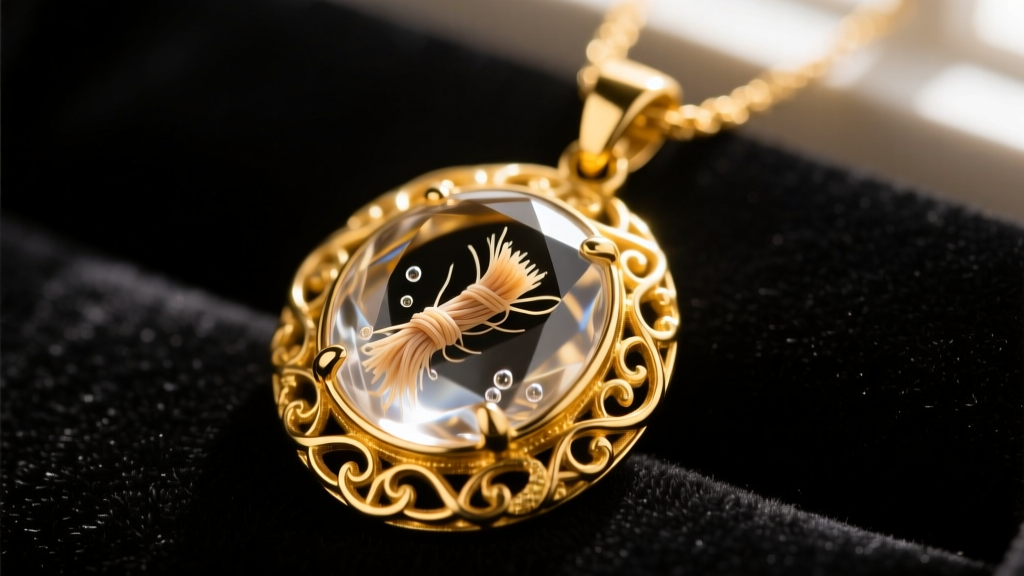
The Viral Catalyst: Biological Keepsakes in Luxury Metals
When the internet buzzed with the headline that Cardi B turned her son's umbilical cord into gold jewelry, it ignited a massive cultural fascination with biological memorialization. While celebrity keepsakes often involve diamond-encrusted vials or luxury resin casts, the desire to integrate organic matter directly into fine gold settings has created a highly specialized niche in bespoke jewelry. As we navigate the bespoke jewelry landscape in 2026, merging biological tissue with metallurgy remains one of the most complex challenges a master jeweler can face.
Organic encapsulation is not as simple as pouring resin over a dried specimen and setting it in a gold bezel. Biological materials contain lipids, amino acids, and residual moisture that actively fight against preservation. As a senior jeweler specializing in bio-keepsakes, I frequently troubleshoot catastrophic failures in these pieces—from anaerobic decay to severe alloy corrosion. This guide provides actionable, expert-level solutions for artisans and collectors navigating the volatile intersection of organic preservation and goldsmithing.
The Chemistry of Bio-Encapsulation
To successfully trap organic matter inside a gold setting, the biological material must be rendered completely inert. The umbilical cord is primarily composed of Wharton’s jelly, collagen, and blood vessels. If not properly desiccated, the trapped water becomes a breeding ground for anaerobic bacteria, leading to internal rot that manifests as dark, cloudy spots within the resin.
Desiccation Protocols: Freeze-Drying vs. Chemical
- Lyophilization (Freeze-Drying): The gold standard for bio-jewelry. By dropping the temperature to -40°F and utilizing a vacuum chamber, ice sublimates directly into vapor. This preserves the cellular structure without shrinking the tissue. A standard cycle takes 48 to 72 hours.
- Chemical Desiccation: Submerging the specimen in silica gel or a specialized desiccant powder for 3 to 4 weeks. This method is accessible but often results in a 15-20% shrinkage rate and a hardened, leathery texture that is difficult to cast.
Once desiccated, the tissue must be sealed. I recommend a two-step sealing process: first, a cyanoacrylate (CA) glue bath to penetrate and harden the cellular walls, followed by a dip in a specialized polyurethane sealant to create a moisture-impermeable barrier before the final epoxy pour.
Troubleshooting Failure Mode 1: Trapped Moisture and Clouding
The most common complaint I see from clients who purchased bio-keepsakes from inexperienced artisans is 'resin clouding' or 'milky degradation.' This occurs when residual moisture reacts with the amine hardeners in two-part epoxy resins. The moisture causes carbamate crystallization, creating a permanent white haze around the organic material.
Expert Fix: If you are casting your own bio-pendants, always cure your resin in a pressure pot at 60 PSI. The pressure compresses any microscopic moisture bubbles into invisibility and forces the resin deep into the porous biological tissue, eliminating the air pockets where bacterial degradation begins.
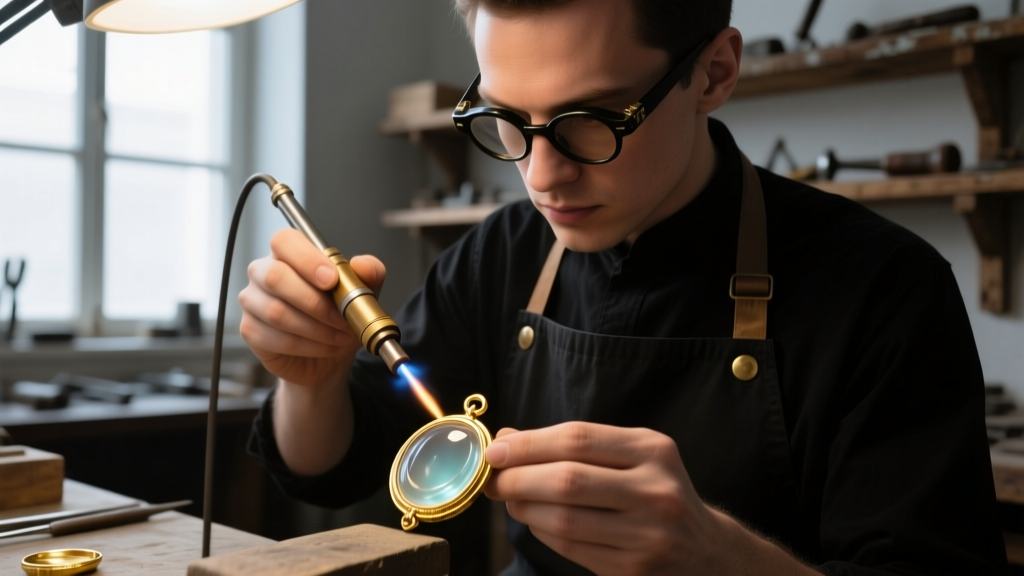
Troubleshooting Failure Mode 2: Alloy Corrosion and the 'Green Bezel'
Gold in its pure form is highly unreactive. However, jewelry is rarely made of pure gold. The viral trend of turning biological matter into jewelry often overlooks the chemical reality of gold alloys. According to the Gemological Institute of America (GIA), 14k and 18k gold contain significant amounts of copper and silver to increase durability.
When organic acids from degrading biological matter breach a micro-fracture in the resin, they react with the copper in the gold alloy. This results in copper oxidation, leaving a permanent green or black stain on the inside of the bezel cup and the skin of the wearer.
The Rhodium Barrier Solution
To troubleshoot and prevent this 'green gold' effect, artisans must electroplate the interior of the gold bezel cup with a 0.5-micron layer of rhodium or platinum before setting the bio-resin cast. Rhodium is a platinum-group metal that is entirely inert to organic acids. This creates an impenetrable, non-reactive barrier between the biological epoxy and the copper-bearing gold alloy, ensuring the piece remains pristine for decades.
Material Selection: Which Gold Karat Survives Bio-Encapsulation?
Choosing the right karat is a balancing act between chemical inertness and structural integrity. The exothermic reaction of curing resin, combined with the physical shrinkage of the epoxy (typically 1-3%), places immense mechanical stress on the gold bezel. If the gold is too soft, the bezel will warp inward, cracking the resin seal and exposing the biological matter to oxygen.
| Gold Karat | Alloy Composition | Bio-Compatibility Risk | Bezel Durability | Recommended Use |
|---|---|---|---|---|
| 10k Gold | 41.7% Au, High Copper | High (Prone to severe oxidation) | Very High | Not recommended for bio-keepsakes. |
| 14k Gold | 58.5% Au, Med Copper | Moderate (Requires rhodium barrier) | High | Ideal for structural bezels and everyday wear pendants. |
| 18k Gold | 75% Au, Low Copper | Low (Minimal corrosion risk) | Moderate | Best for high-end luxury pieces; requires thicker gauge wire (0.8mm+). |
| 24k Gold | 99.9% Au, No Copper | Zero (Completely inert) | Very Low | Too soft for bezels; use only as an outer decorative cage over a steel core. |
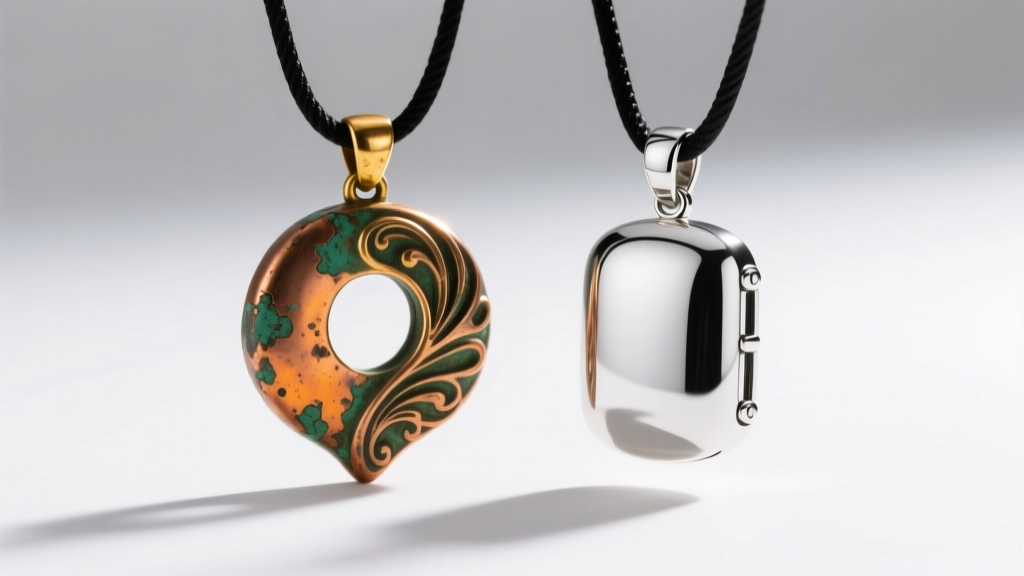
Resin Shrinkage and Bezel Warping
Another critical failure mode occurs during the curing process. As ArtResin's UV stability guidelines and material science data indicate, epoxies shrink as they cross-link. If a jeweler uses a thin 24-gauge (0.5mm) gold bezel wire, the shrinkage force can pull the gold inward, breaking the seal between the resin and the metal.
Troubleshooting Protocol: Always use a minimum of 20-gauge (0.8mm) bezel wire for bio-encapsulation. Furthermore, do not pour the resin directly into the gold setting. Instead, cast the biological specimen in a silicone mold first, cure it completely in a pressure pot, and then set the finished, hardened resin 'cabochon' into the gold bezel using a traditional cold-setting jeweler's epoxy. This completely isolates the gold from the exothermic heat and shrinkage stress of the curing process.
Long-Term Care and Environmental Stressors
Bio-jewelry requires strict environmental controls. Prolonged exposure to UV radiation will cause even the highest quality epoxies to yellow, obscuring the preserved tissue. Furthermore, extreme temperature fluctuations (such as leaving the pendant in a hot car) can cause the resin to expand at a different rate than the gold, leading to micro-fractures.
Clients must be instructed to clean these pieces only with a damp, lint-free microfiber cloth. Ultrasonic cleaners, steamers, and chemical jewelry dips are strictly prohibited, as the high-frequency vibrations can shatter the internal resin seal, instantly exposing the organic matter to moisture and triggering rapid decay. By adhering to these rigorous material science protocols, the legacy of these deeply personal keepsakes can be preserved flawlessly for generations.


