Can You Wear Gold Plated Jewelry in the Shower? Expert Breakdown
Wondering if you can wear gold plated jewelry in the shower? Discover the technical realities of micron thickness and water chemistry.

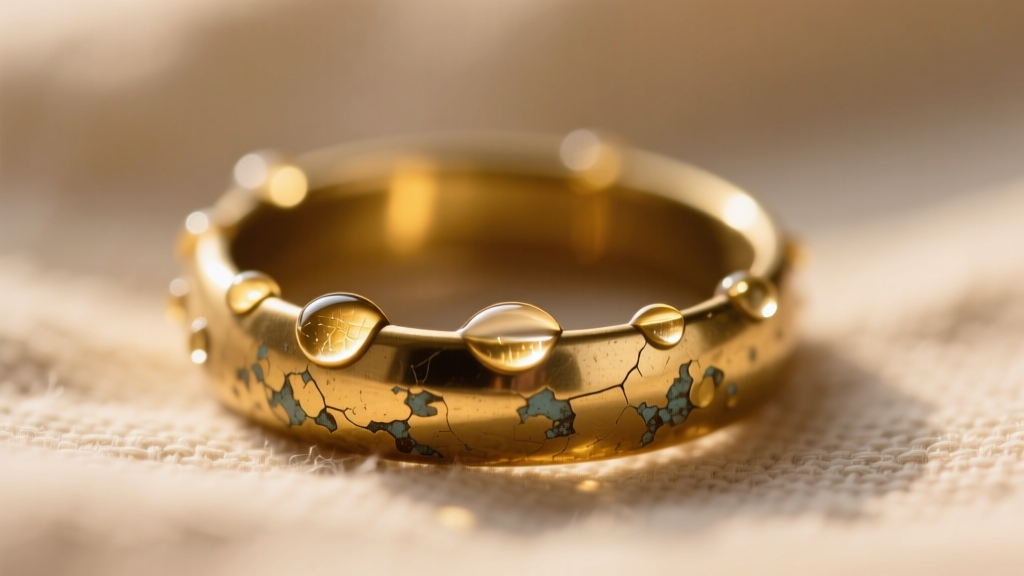
The short answer to whether you can wear gold plated jewelry in the shower is a definitive no. However, as jewelry metallurgists and gemologists know, the long answer requires a deep dive into electrochemistry, micron thickness, and municipal water treatment. While a quick rinse might not instantly destroy a piece, chronic exposure to shower environments triggers a cascade of microscopic failures that degrade both the gold layer and the base metal beneath.
In this expert technical guide, we break down the exact science of why gold plating fails in wet environments, how base metals react, and what modern alternatives exist for those who refuse to take their jewelry off.
The Chemistry of Shower Water vs. Gold Plating
To understand why gold plating degrades, we must first look at what is actually coming out of your showerhead. Municipal water is rarely just pure H2O. It is a complex chemical cocktail designed for sanitation and infrastructure protection.
- Chloramines and Chlorine: According to the Centers for Disease Control and Prevention (CDC), many municipalities now use chloramines instead of free chlorine for water treatment. Chloramines are highly oxidative and can break down the microscopic binding agents used in cheap electroplating processes.
- Hard Water Minerals: Calcium and magnesium carbonate leave behind microscopic scale. When you towel off, these hardened mineral deposits act like fine-grit sandpaper, physically abrading the soft gold layer (which ranks only 2.5 to 3 on the Mohs hardness scale).
- pH Fluctuations: Shampoos, body washes, and hard water create an alkaline environment that accelerates the breakdown of the nickel or palladium barrier layers often used beneath the gold.
Micron Thickness: The Deciding Factor
Not all gold plating is created equal. The survival rate of a piece in a wet environment is directly tied to its plating thickness, measured in microns (one-millionth of a meter). The Federal Trade Commission (FTC) Jewelry Guides strictly define these categories to protect consumers from misleading marketing.
| Plating Category | Thickness (Microns) | Shower Survival Rate | Expected Lifespan (Daily Wear) |
|---|---|---|---|
| Flash Plated | 0.03 - 0.1 µm | Immediate Failure | 1 - 4 Weeks |
| Standard Electroplate | 0.5 - 1.0 µm | Poor | 3 - 6 Months |
| Heavy Electroplate | 2.5+ µm | Moderate | 1 - 2 Years |
| Gold Vermeil | 2.5+ µm (over Silver) | Moderate to Good | 2 - 5 Years |
Standard electroplating leaves microscopic pores in the gold layer. Water easily penetrates these pores, reaching the base metal. Heavy electroplate and vermeil offer better resistance simply because the thicker gold layer requires more time for water and friction to breach the surface.
Base Metal Galvanic Reactions
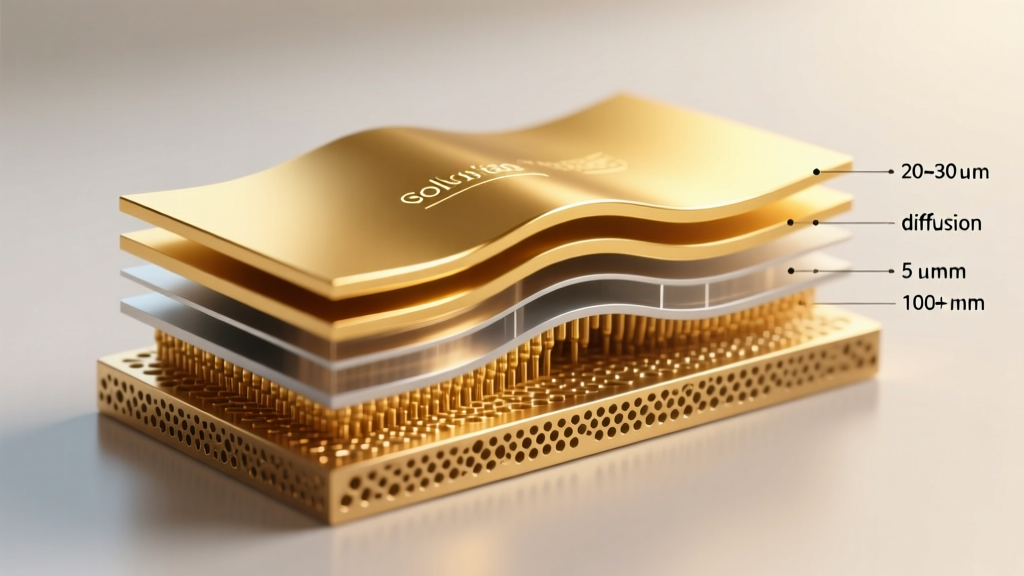
When water breaches the gold layer, it initiates a destructive electrochemical process known as galvanic corrosion. Gold is a noble metal, meaning it is highly resistant to corrosion and sits at the cathodic end of the galvanic series. Base metals like brass, copper, and zinc are anodic (highly reactive).
The Electrolyte Effect
When shower water (acting as an electrolyte due to dissolved salts and minerals) connects the cathodic gold and the anodic brass base, it creates a tiny battery. The anodic base metal sacrifices itself, corroding rapidly. This corrosion produces metal salts that expand in volume, physically pushing the gold layer up and causing it to flake or blister off. This is why plated jewelry doesn't just fade; it actively peels.
Expert Insight: This is precisely why gold vermeil (plated over sterling silver) outlasts gold-plated brass. Sterling silver is much closer to gold on the galvanic series, resulting in a significantly lower voltage potential and a slower corrosion rate when water penetrates the plating.
Real-World Failure Modes in the Shower
If you consistently wear gold plated jewelry in the shower, you will encounter three distinct failure modes:
- The 'Green Skin' Phenomenon: As the brass or copper base corrodes, it reacts with the chlorides and acids in your sweat and shower water to form copper chloride. This vibrant green compound transfers directly to your skin.
- Sub-Surface Tarnish: Silver or copper bases will oxidize beneath the porous gold layer. This creates dark, grayish-black shadows under the gold that cannot be polished away without stripping the piece entirely.
- Friction Wear: The combination of wet skin, loofahs, and towels creates high-friction environments. Wet gold plating is highly susceptible to mechanical wear, rubbing off entirely at high-contact points like the back of a ring or the clasp of a necklace.
Expert Alternatives for Daily Shower Wear
If you prefer to never take your jewelry off, you must abandon traditional electroplating. The Gemological Institute of America (GIA) notes that for permanent wear, the gold must either be solid or mechanically bonded. Here are the top technical alternatives:
1. PVD (Physical Vapor Deposition) Coating
PVD is a modern vacuum-chamber process that vaporizes titanium nitride and bonds it to a stainless steel base at a molecular level. PVD 'gold' is up to 10 times thicker and vastly harder than electroplated gold. It is completely impervious to shower water, chlorine, and sweat, making it the ultimate choice for permanent shower wear.
2. Gold Filled (Mechanically Bonded)
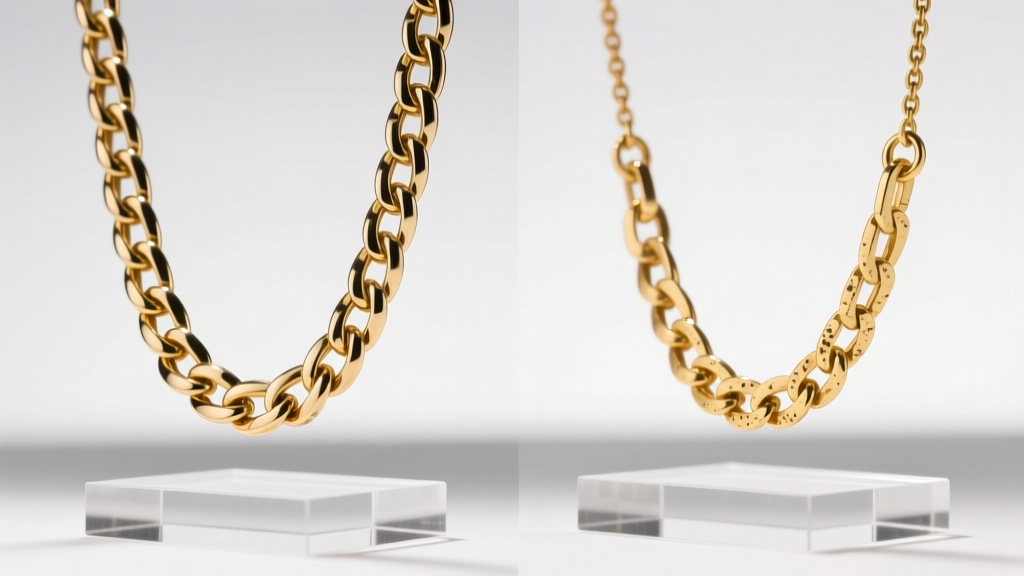
Gold filled jewelry consists of a thick outer layer of solid 14k or 12k gold that is mechanically bonded to a brass core using extreme heat and pressure. By law, the gold must constitute at least 5% (or 1/20th) of the total weight of the item. Because the outer layer is solid gold and exceptionally thick (often 50 to 100 times thicker than standard plating), it can easily withstand years of daily showering without failing.
3. Solid 14k or 18k Gold
Solid gold alloys contain no base metal core. While 14k and 18k gold can technically tarnish over decades due to their copper and silver alloying metals, a quick wipe with a microfiber cloth will restore them. They are entirely immune to the flaking and peeling that destroys plated pieces.
Damage Control: Restoring Water-Damaged Pieces
If you have already worn a gold plated piece in the shower and it has begun to tarnish or flake, your options are severely limited.
- Do Not Polish: Using a jewelry polishing cloth on a tarnished plated piece will simply rub the remaining microscopic gold layer off, exposing the base metal entirely.
- Chemical Dips: Avoid silver or gold chemical cleaning dips. These harsh acids will strip the plating instantly.
- Re-Plating: The only true fix is to send the piece to a professional jeweler for re-plating. They will chemically strip the remaining gold, polish the base metal, and apply a fresh layer of gold. However, this service typically costs between $45 and $85, which often exceeds the original retail value of fashion jewelry.
The Final Verdict
Treating gold plated jewelry as waterproof is a guaranteed path to ruined accessories. The combination of oxidative water chemicals, hard mineral abrasion, and galvanic base-metal corrosion makes the shower the most hostile environment possible for electroplated items. To protect your investment, always remove gold plated pieces before bathing, swimming, or exercising, and opt for PVD, gold filled, or solid gold if a 'never-take-off' lifestyle is your priority.


