Should I Wear Silver or Gold Jewelry Quiz: The Maintenance Guide
Taking the should I wear silver or gold jewelry quiz? Discover how your cleaning habits, sweat chemistry, and lifestyle dictate your ideal metal.

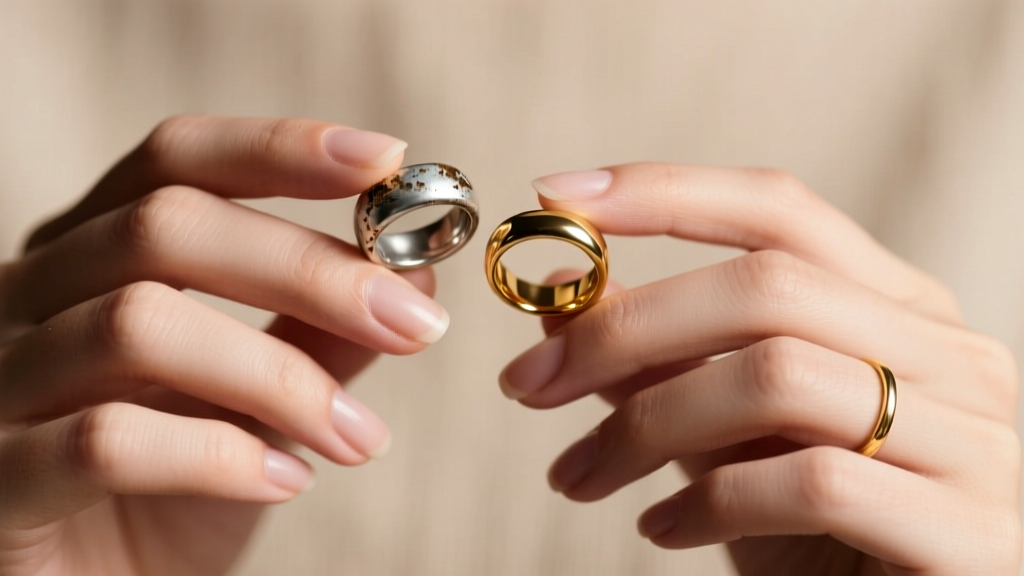
When deciding between precious metals, most style guides point you toward a color-season analysis. But at Jewel Style Radar, we know that aesthetics are only half the battle. If you have ever found yourself taking a should I wear silver or gold jewelry quiz based solely on your skin's undertones, you are missing a critical piece of the puzzle: your daily maintenance reality.
Choosing between sterling silver and gold alloys (like 14k or 18k) isn't just about what looks best in the mirror; it is about how the metal reacts to your unique body chemistry, your skincare routine, and your willingness to clean it. In this comprehensive care and maintenance guide, we are flipping the script. We will help you answer the ultimate lifestyle quiz so your jewelry stays pristine without requiring a weekly polishing marathon.
The Hidden Factor: Sweat Chemistry and Metal Reactivity
Human sweat is not just water; it is a complex mixture of salts, urea, and lactic acid, typically ranging from a pH of 4.5 to 7.0. This acidity level plays a massive role in how your jewelry ages over time.
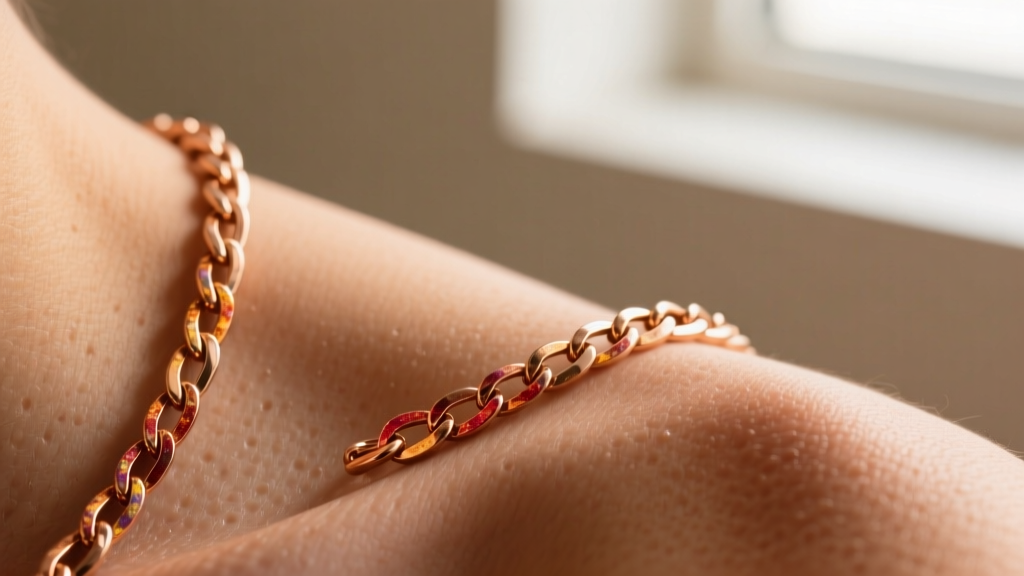
Sterling Silver (925): Silver is highly susceptible to sulfur and moisture. If your diet is rich in sulfur-heavy foods (like garlic and onions) or if you naturally produce more acidic sweat, your silver will rapidly develop silver sulfide—the black tarnish that plagues neglected pieces. According to the Gemological Institute of America (GIA), environmental factors and individual body chemistry are the primary catalysts for silver tarnishing.
Gold Alloys (10k, 14k, 18k): Pure 24k gold is entirely non-reactive. However, jewelry is alloyed with copper, zinc, and silver for durability. If you have highly acidic skin, the copper in 14k or 10k gold can oxidize, occasionally leaving a harmless but unsightly greenish-black residue on your skin. 18k gold, containing 75% pure gold, is far less likely to cause this reaction, making it the superior choice for those with reactive skin chemistry.
The Daily Wear & Tear Matrix
Before taking the interactive quiz below, review how these metals handle common daily exposures. This data-driven matrix highlights the structural vulnerabilities of each metal type.
| Exposure Type | Sterling Silver (925) | 14k Yellow/Rose Gold | 18k Yellow Gold |
|---|---|---|---|
| Chlorine (Pools) | Severe damage; forms silver chloride | High risk of stress corrosion cracking | Moderate risk; alloys still vulnerable |
| Saltwater (Ocean) | Accelerates tarnish and pitting | Safe for brief exposure; rinse after | Safe; rinse with fresh water after |
| Lotions & Perfumes | Traps moisture, speeds up tarnishing | Creates a dull film; requires washing | Creates a film; easily wiped clean |
| Gym & Heavy Sweat | Requires immediate post-workout cleaning | Safe, but prongs may loosen over time | Softer metal; prone to scratching |
The "Should I Wear Silver or Gold Jewelry Quiz" (Maintenance Edition)
Forget skin undertones for a moment. Answer these three critical lifestyle questions to determine which metal aligns with your actual daily habits.
Question 1: How often do you realistically clean your jewelry?
- A) Once a month (or never): You need 14k or 18k Gold. Gold does not tarnish. If you neglect it, it simply gets a bit dull from lotion buildup, which a quick soak in soapy water will instantly fix. Silver left for a month will require aggressive polishing.
- B) Weekly, and I enjoy the ritual: Sterling Silver is perfect for you. Regular use of a treated polishing cloth (like the industry-standard Sunshine cloth) keeps silver brilliantly white and prevents deep sulfide bonding.
Question 2: What is your relationship with swimming pools?
- A) I swim laps weekly and forget to take my rings off: You should actually wear Platinum or Titanium. But between silver and gold? Neither is safe. Chlorine eats silver and causes microscopic stress fractures in gold alloy prongs, leading to lost diamonds.
- B) I only swim on vacation and I'm meticulous: 18k Gold is your best bet. It withstands occasional saltwater and sunscreen exposure far better than silver, which can pit and stain when exposed to ocean minerals and UV-activated sunscreen chemicals.
Question 3: What does your daily skincare routine look like?
- A) Heavy retinoids, AHAs, and vitamin C serums: These acidic, active ingredients can accelerate the oxidation of copper-heavy alloys. Stick to 18k Gold or higher to minimize chemical reactions.
- B) Basic moisturizer and sunscreen: Sterling Silver or 14k Gold will both survive perfectly fine, provided you wipe them down with a microfiber cloth at the end of the day to remove the lipid barrier.
Gold Care Protocols: Keeping the Karats Bright
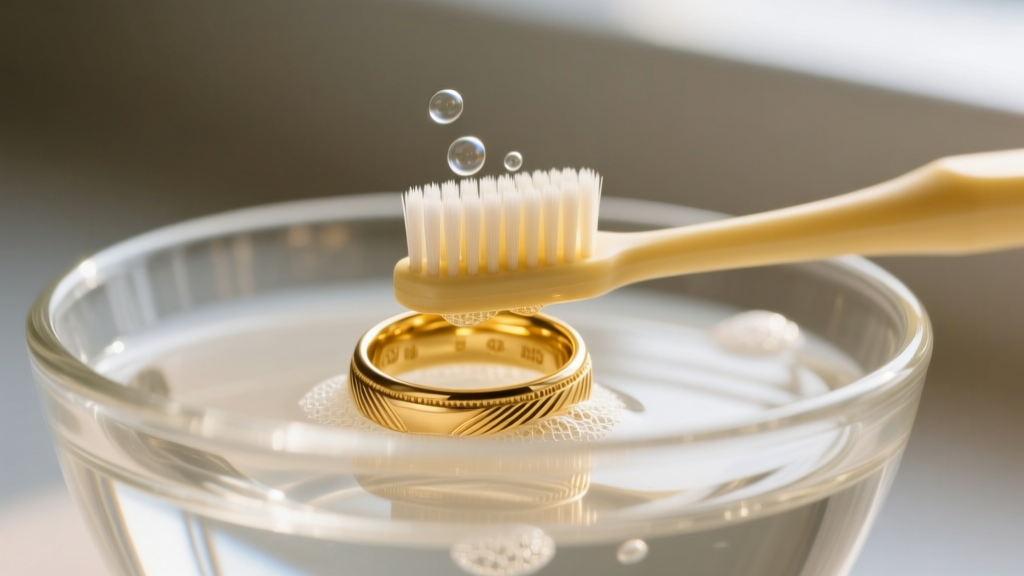
If the quiz pointed you toward gold, maintaining it is remarkably straightforward, provided you avoid harsh chemicals. The Jewelers of America recommends a simple, non-toxic approach to cleaning gold alloys.
- The Solution: Mix a few drops of mild, phosphate-free dish soap (like Dawn) into a bowl of lukewarm water. Avoid hot water, which can shock certain gemstones.
- The Agitation: Let your 14k or 18k gold pieces soak for 15 minutes to break down sebum and lotion. Use a soft-bristled baby toothbrush to gently sweep the backs of settings and the links of chains.
- The Drying: Never air-dry gold chains, as water spots will form. Pat dry with a lint-free microfiber cloth.
Expert Warning: Never put gold jewelry with porous gemstones (like opals, emeralds, or turquoise) into an ultrasonic cleaner. The 40kHz vibrations can shatter the stones or strip their natural oil treatments. Furthermore, remember that 18k gold (approx. 125 Vickers hardness) is softer and more prone to micro-scratches than 14k gold (approx. 135 Vickers hardness), so store them separately in soft pouches.
Silver Survival Guide: Fighting the Tarnish
If you chose silver for its brilliant luster and affordability, you must commit to a proactive defense strategy against sulfur and humidity.
- Storage is Paramount: Store silver in anti-tarnish flannel bags or ziplocks with 3M anti-tarnish strips. These strips absorb ambient sulfur gases before they can reach your jewelry.
- Chemical Dips vs. Polishing: Avoid commercial "silver dip" liquids. They strip away a microscopic layer of silver and leave behind a porous surface that actually tarnishes faster the next time. Stick to mechanical polishing with a jeweler's rouge cloth.
- The Chalk Trick: If you keep your silver in a jewelry box, place a piece of standard blackboard chalk inside. The chalk acts as a desiccant, pulling ambient moisture out of the air and slowing the oxidation process.
- Rhodium Plating: If you hate polishing, look for rhodium-plated sterling silver. The rhodium barrier prevents tarnish entirely, though it will eventually wear off after 2-3 years of daily friction and require re-plating by a professional jeweler.
Final Verdict: Matching Metal to Your Maintenance Reality
The next time you encounter a should I wear silver or gold jewelry quiz, look past the seasonal color palette. If you want a "put it on and forget it" metal that survives acidic sweat, gym sessions, and neglect, 14k or 18k gold is your undisputed champion. If you are a meticulous curator who enjoys the ritual of weekly polishing and values a crisp, cool-toned aesthetic, sterling silver will reward your dedication. Match the metal to your maintenance reality, and your jewelry will last a lifetime.


