Soldering Gold Jewelry: Trend Analysis for Custom Layering
Discover how soldering gold jewelry shapes modern layering trends. Explore mixed-metal joins, custom charm fusions, and the art of the invisible seam.

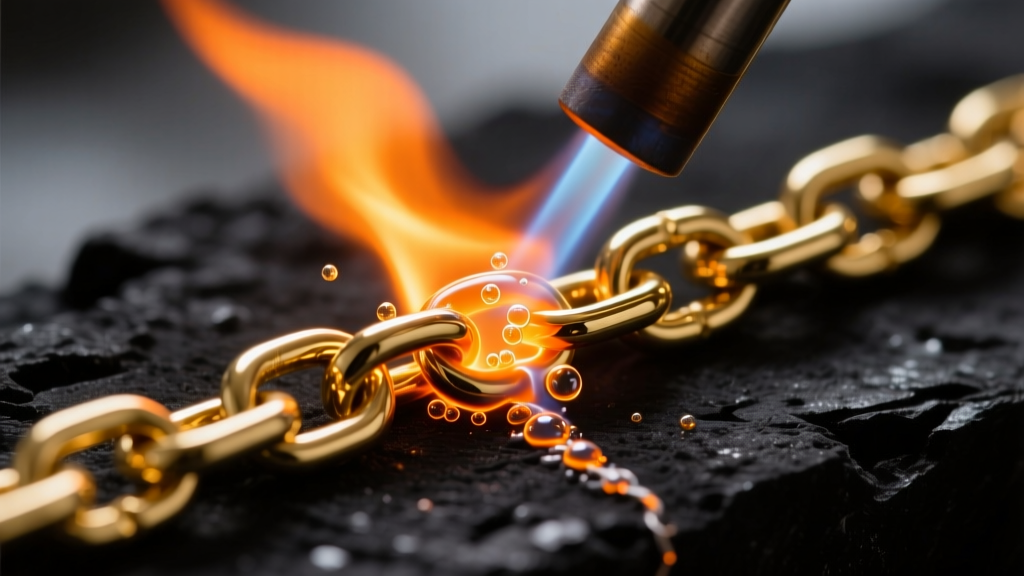
In the contemporary fine jewelry landscape, the bench jeweler’s torch has evolved from a mere repair tool into a primary instrument of avant-garde design. While consumers often focus on gemstone cuts or gold karats, the true hallmark of 2026’s most coveted bespoke pieces lies in the structural integrity and aesthetic fluidity of the joints. Soldering gold jewelry is no longer just about resizing rings or fixing broken chains; it is the foundational technique driving today’s most prominent style trends, from seamless hyper-layering to mixed-metal architectural statements.
As a style and trend analyst, I have observed a definitive shift away from modular, clunky jump-ring connections toward fluid, permanently integrated gold designs. This guide explores the metallurgical realities, design trends, and technical nuances of soldering gold jewelry, offering a deep dive into how master artisans are shaping the future of personal adornment.
The Shift from Jump Rings to Seamless Integration
For decades, the standard method for attaching charms, pendants, and layered chains was the humble jump ring. However, the modern luxury consumer demands a flawless drape and zero snagging. Jump rings, even when soldered shut, add rigid pivot points that disrupt the natural fluidity of a fine gold chain.
The prevailing trend in high-end custom layering is direct-link soldering. Bench jewelers are now soldering 14k and 18k gold chains directly into the bails of pendants or fusing multiple chain strands into a single, unified clasp mechanism. This requires immense precision. When soldering gold jewelry in this manner, the jeweler must use 'Easy' grade solder to ensure the heat required to flow the alloy does not melt the delicate links of a 1.2mm cable chain. The result is a bespoke necklace that moves like liquid metal, completely free of the mechanical stiffness associated with traditional findings.
Mixed-Metal Soldering: The 'Alloy Clash' Aesthetic
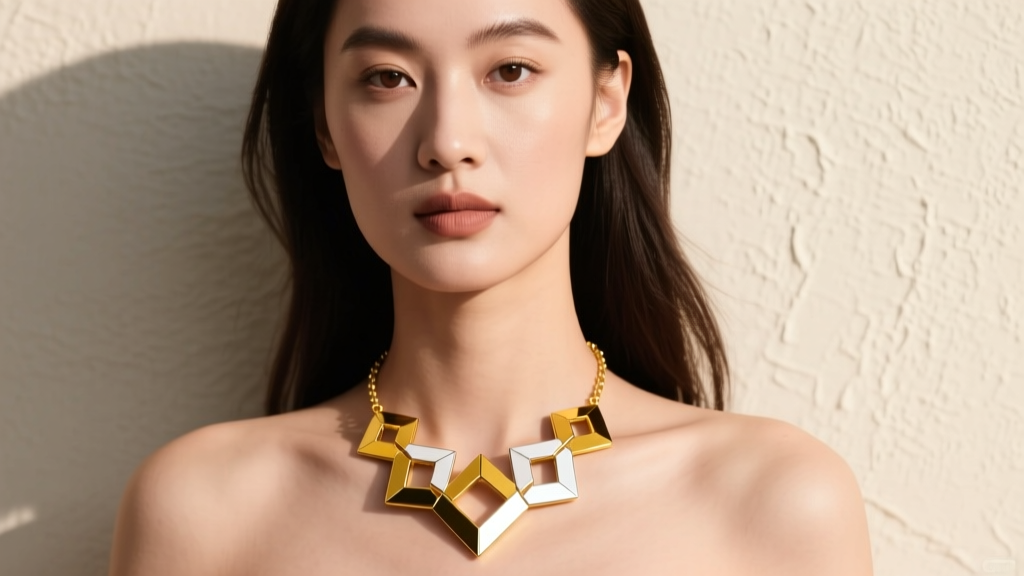
Two-tone and tri-color gold jewelry has existed for centuries, but the current trend favors stark, unapologetic 'alloy clashes'—such as fusing oxidized 14k white gold directly onto high-polish 18k yellow gold without the buffer of a bezel or mechanical setting. This aesthetic relies entirely on advanced soldering techniques.
Soldering different gold colors and karats presents severe metallurgical challenges. 18k yellow gold has a lower melting point (approximately 1,675°F) than 14k white gold (approximately 1,950°F). If a jeweler applies heat indiscriminately, the 18k component will warp or melt before the 14k white gold reaches the necessary temperature for the solder to flow. To achieve these mixed-metal trend pieces, master jewelers utilize specialized heat sinks, laser welders for localized thermal control, and strictly graded solders. Furthermore, they must navigate the FTC guidelines regarding karat stamping; using a lower-karat solder on a high-karat piece can legally compromise the stamped purity of the entire item unless 'plumb' (exact-karat) solders are utilized.
The Metallurgy of Style: Solder Grades and Flow
To understand why certain jewelry trends are structurally viable, one must understand the chemistry of gold solder. Gold solder is not simply melted gold; it is a complex alloy of gold, silver, copper, and zinc (and historically cadmium, though modern ethical bench practices strictly avoid cadmium-based solders due to toxicity). The zinc content is manipulated to lower the melting point of the solder below that of the parent metal.
According to technical guidelines from industry suppliers like Rio Grande, bench jewelers rely on a tiered system of solder grades to execute multi-step custom designs without remelting previous joints.
| Solder Grade | Approx. Melting Point (14k Gold) | Flow Characteristics | Best Style Application |
|---|---|---|---|
| Hard | 1,425°F (774°C) | Flows at high heat; color-matches parent metal perfectly. | Initial structural joins, ring shanks, and architectural cuff hinges. |
| Medium | 1,325°F (718°C) | Moderate flow; slight color variation possible post-pickle. | Adding secondary design elements, bezel settings, and multi-strand clasps. |
| Easy | 1,225°F (663°C) | Flows quickly at lower heat; higher zinc content can leave a pale seam. | Final charm attachments, delicate chain repairs, and closing jump rings. |
| Extra Easy | 1,150°F (621°C) | Very low heat; prone to pitting if overheated. | Sizing intricate filigree bands or attaching heat-sensitive gemstone settings. |
For trend-forward, multi-layered gold chokers that require dozens of connection points, a jeweler will start with Hard solder for the main structural framework and step down to Easy solder for the final decorative linkages. This step-soldering process ensures the piece does not fall apart under the torch.
Permanent Fine Jewelry: The Evolution of the Welded Stack
The 'permanent jewelry' trend—where bracelets are welded directly onto the wrist—exploded in the early 2020s, primarily using gold-filled chains and micro-TIG welders. However, as we look at the luxury market today, the trend has matured into Permanent Fine Jewelry. Consumers are now commissioning solid 14k and 18k gold stacks that are torch-soldered or laser-welded into endless loops, bypassing clasps entirely.
From a style perspective, this creates an uninterrupted, minimalist silhouette that appeals to the 'quiet luxury' movement. From a technical perspective, soldering an endless 18k gold chain requires the use of a specialized charcoal or magnesia soldering block to reflect heat evenly around the link. The jeweler must apply a precise dab of borax-based flux to prevent oxidation, place a microscopic pallion of Hard solder, and use a pinpoint flame to fuse the link in a fraction of a second. If the heat lingers, the surrounding links will fuse together, ruining the chain's articulation.
Fire Scale, Pickling, and the Rose Gold Challenge
One of the most significant hurdles in soldering gold jewelry—particularly within the booming rose gold trend—is managing 'fire scale' and the pickling process. Rose gold derives its pinkish hue from a high copper content (often up to 20% or more in 14k alloys). When exposed to the oxygen-rich environment of a jeweler's torch, the copper rapidly oxidizes, creating a dark, stubborn layer of copper oxide known as fire scale.
After soldering a rose gold piece, the jewelry is quenched and placed in a warm pickling solution (usually a mild sulfuric acid or sodium bisulfate bath) to clean off the flux and oxidation. However, as noted by metallurgical experts at the Gemological Institute of America (GIA), the pickling process can selectively strip copper oxide from the surface of rose gold, temporarily leaving behind a porous, yellowish layer of pure gold and silver.
To restore the trendy rose hue after soldering, the jeweler cannot simply polish the piece. They must often employ a technique called 'depletion gilding' or carefully brush the surface with a brass wire wheel and specialized polishing compounds to bring the copper back to the surface. Understanding this chemical reality is what separates a master bench jeweler from an amateur; a poorly soldered and pickled rose gold chain will feature glaring yellow seams that ruin the aesthetic integrity of the piece.
Sourcing the Right Artisan for Custom Soldering
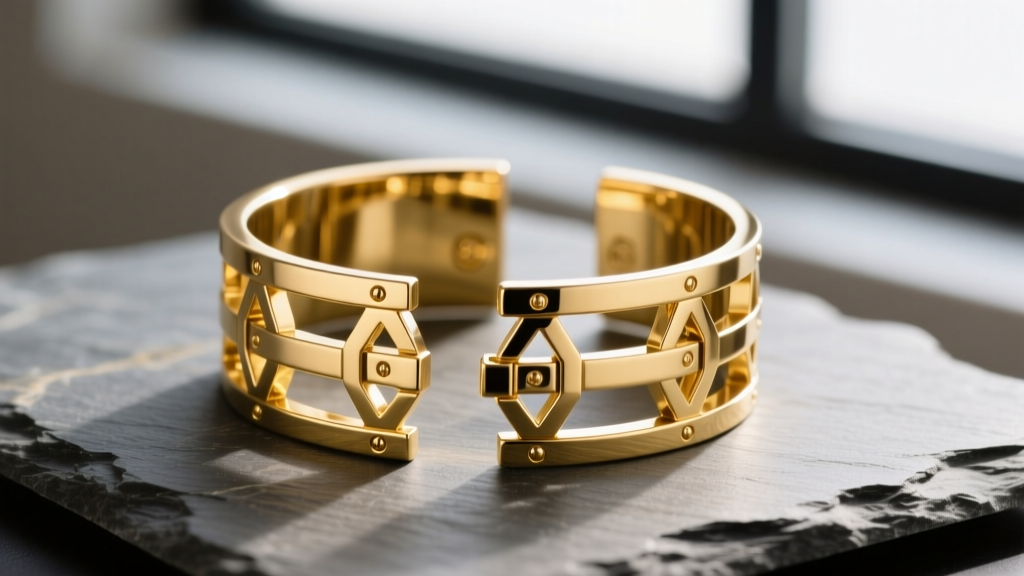
As the demand for hyper-customized, soldered gold jewelry grows, so does the need for consumers and boutique designers to source highly skilled bench jewelers. When commissioning a piece that requires complex soldering—such as an architectural 18k gold cuff with invisible tension hinges or a mixed-metal layered necklace—look for artisans who advertise 'laser welding' capabilities alongside traditional torch work. Laser welding allows for localized, high-heat soldering without transferring thermal energy to the rest of the piece, making it the ultimate tool for preserving the delicate textures and gemstone settings inherent in modern gold design.
Ultimately, the art of soldering gold jewelry is the invisible backbone of contemporary style. The most breathtaking, fluid, and structurally daring gold pieces of the decade are not defined by the gems they hold, but by the microscopic, perfectly flowed seams that hold the gold itself together.


