How Can You Tell If Jewelry Is Real Gold? Gifting Guide
Learn how can you tell if jewelry is real gold before gifting. Expert tests, karat guides, and occasion-matching tips to ensure your present is genuine.

The High Stakes of Gifting Gold: Why Authenticity Matters
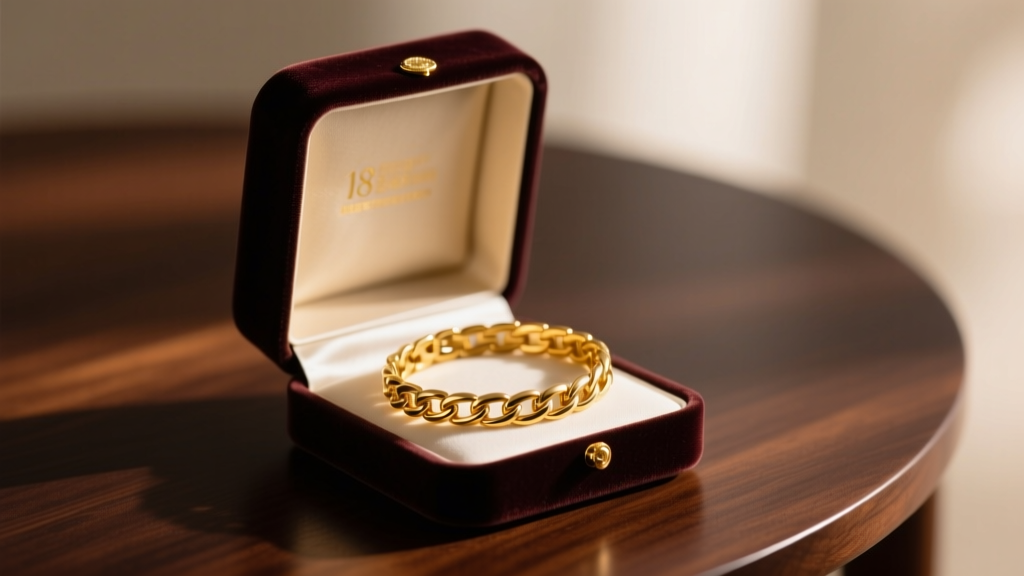
Gifting gold jewelry is a timeless way to mark life’s most significant milestones. Whether you are celebrating a 10th anniversary, a university graduation, or a milestone 50th birthday, gold carries an emotional and financial weight that few other materials can match. However, the secondary market, estate sales, and even some online boutiques are flooded with sophisticated counterfeits. Many well-intentioned gift-givers find themselves asking: how can you tell if jewelry is real gold before handing over that velvet box?
Purchasing a counterfeit piece doesn't just result in a financial loss; it risks the emotional impact of your gift. According to the Federal Trade Commission (FTC) Jewelry Guides, strict rules govern how gold can be marketed, but bad actors frequently bypass these regulations. To ensure your present is genuine, you must move beyond simple visual inspections and employ a mix of physical testing and material science. This guide will walk you through the exact methodologies used by jewelers to verify authenticity, followed by a strategic framework for matching the right karat to your specific gifting occasion.
The Magnet and Hallmark Tests: Your First Line of Defense
Before you deploy advanced testing methods, start with the foundational checks. These non-destructive tests will immediately weed out the most common, low-effort fakes.
Decoding the Hallmark
Every genuine piece of gold jewelry should bear a hallmark indicating its purity. In the United States, the legal minimum for a piece to be sold as 'gold' is 10 karats. However, counterfeiters often stamp fake pieces with fraudulent marks. Here is what you should look for:
- 10k (417): Contains 41.7% pure gold. Highly durable, often used for everyday class rings or budget-friendly graduation gifts.
- 14k (585): Contains 58.5% pure gold. The industry standard for engagement rings and anniversary bands due to its balance of color and strength.
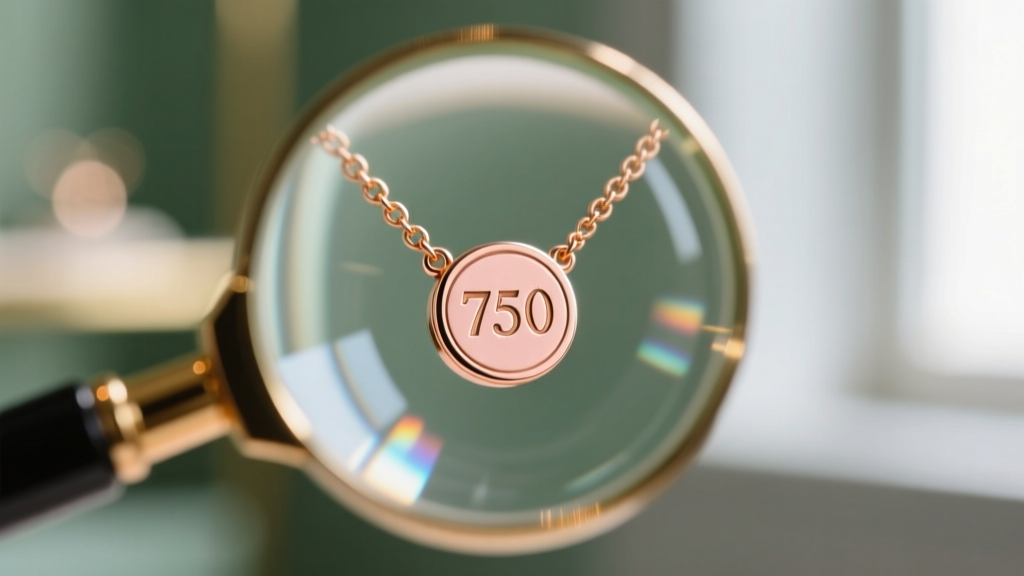
- 18k (750): Contains 75.0% pure gold. Richer in color, preferred for high-end luxury gifting and diamond settings.
- 24k (999): Contains 99.9% pure gold. Extremely soft and vibrant yellow; typically reserved for investment pieces or traditional cultural gifts.
Pro-Tip: Use a 30x jeweler's loupe to inspect the clasp or the inner band. If the stamp looks blurred, uneven, or stamped over a different number, the piece is likely a fake or heavily plated base metal.
The N52 Neodymium Magnet Test
Gold is a diamagnetic metal, meaning it is entirely non-magnetic. To perform this test properly, you cannot use a standard refrigerator magnet. You must use a high-grade N52 neodymium magnet. Hold the magnet near the chain links or the main body of a ring. If the jewelry snaps to the magnet or even exhibits a slight pull, it contains ferromagnetic metals like iron, nickel, or cobalt, indicating it is not solid gold.
The Clasp Caveat: Be aware that the internal spring mechanisms inside lobster clasps and bolt rings are almost always made of steel. Therefore, a genuine gold necklace will have a magnetic clasp mechanism, but the chain links themselves must remain completely unaffected by the magnet.
Advanced At-Home Verification: Density and the Tungsten Threat
If a piece passes the visual and magnetic tests, you must dig deeper. Counterfeiters have become incredibly adept at mimicking the physical properties of gold, particularly when it comes to 24k pieces.
The Water Density Test (Specific Gravity)
Because gold is exceptionally dense, measuring its specific gravity is one of the most reliable at-home tests. You will need a precise digital jewelry scale (accurate to 0.01g) and a cup of water.
- Weigh the dry piece of jewelry in grams (Weight A).
- Suspend the jewelry in water using a fine thread and weigh it again (Weight B).
- Calculate the density using the formula: Density = Weight A / (Weight A - Weight B).
Compare your results to the standard densities for gold alloys:
- 14k Gold: 12.9 to 14.6 g/cm³
- 18k Gold: 15.2 to 15.9 g/cm³
- 24k Gold: 19.32 g/cm³
The Tungsten Core Problem
Here is where the Gemological Institute of America (GIA) warns buyers to be cautious: Tungsten has a density of 19.25 g/cm³, which is nearly identical to 24k gold. If you are gifting a heavy 24k gold bangle or coin, a tungsten-core fake will easily pass the water displacement test. To defeat a tungsten fake, you must perform an acoustic 'ping' test. Real gold produces a long, high-pitched, resonant chime when struck lightly with a metal rod, whereas tungsten produces a dull, short 'thud' due to its different acoustic impedance.
Matching Genuine Gold to the Occasion (and Budget)
Once you know how can you tell if jewelry is real gold, the next step in the gifting process is matching the right karat, style, and budget to the specific milestone. Different occasions call for different levels of durability, prestige, and investment.
| Occasion | Recommended Karat | Ideal Jewelry Type | 2026 Estimated Budget | Why It Works |
|---|---|---|---|---|
| High School / College Graduation | 10k or 14k | Signet Ring or Chain Necklace | $250 - $600 | 10k and 14k offer superior scratch resistance for daily, active wear by young adults. |
| 10th Anniversary (Tin/Aluminum) | 14k or 18k | Diamond Eternity Band | $800 - $2,500 | Upgrading to 18k provides a richer, warmer hue that signifies a decade of deep commitment. |
| Milestone 50th Birthday | 18k or 22k | Heavy Herringbone Chain or Bangle | $1,500 - $4,000+ | Higher karat weights offer a luxurious, substantial feel appropriate for a major life milestone. |
| New Baby / Christening | 14k (Hypoallergenic) | Small Huggie Hoops or Bracelet | $150 - $350 | 14k gold alloyed with silver (rather than nickel) prevents allergic reactions on sensitive infant skin. |

Professional Appraisal: When to Call in the Experts
If you are purchasing a vintage estate piece for an anniversary gift, or if you have inherited a family heirloom that you intend to regift, at-home tests might not provide the absolute certainty you need. In these high-stakes scenarios, professional verification is mandatory.
Jewelers utilize X-Ray Fluorescence (XRF) spectrometers. This non-destructive machine fires X-rays into the metal and reads the fluorescent response, providing an exact elemental breakdown of the alloy within seconds. It will instantly reveal if a piece is gold-plated over a brass core, or if it contains hidden cadmium or lead.
Alternatively, a jeweler may perform an acid test. By rubbing the gold on a touchstone and applying varying concentrations of nitric acid, they can observe the chemical reaction. Real gold will not dissolve or change color when exposed to nitric acid, whereas base metals will immediately fizz and turn green or milky. Never attempt the acid test at home; nitric acid is highly corrosive, dangerous to handle, and will permanently ruin the finish of a gold piece if applied incorrectly.
Final Checklist for the Gold Gift-Giver
Before you wrap your purchase and write that card, run through this final authenticity and quality checklist to ensure your gift is flawless:
- Hallmark Verified: The karat stamp (e.g., 585, 750) is crisp, clear, and matches the seller's description.
- Magnet Test Passed: The main body of the jewelry shows zero magnetic attraction to an N52 neodymium magnet.
- Weight and Density Check: The piece feels appropriately heavy for its size, and the specific gravity aligns with its stamped karat.
- Clasp Integrity: The clasps, jump rings, and hinges are secure, functioning smoothly, and stamped with matching purity marks.
- Skin Reaction Test: If possible, ensure the alloy does not contain high levels of nickel, which can cause contact dermatitis for the recipient.
By combining rigorous physical testing with thoughtful occasion-matching, you elevate the act of gift-giving from a simple transaction to a deeply meaningful exchange. Understanding exactly how can you tell if jewelry is real gold ensures that the piece you present will be cherished, worn, and eventually passed down as a genuine family legacy.


